
Ubisoft Defends AC Black Flag Resynced's Day-One DLC After Debate Over Microtransactions
Ubisoft says the base game is complete without extra purchases, but the growing pile of cosmetic DLC, layoffs, and monetization tactics continues to fuel criticism across the gaming community.
News by Mahi Araf on Jul 18, 2026
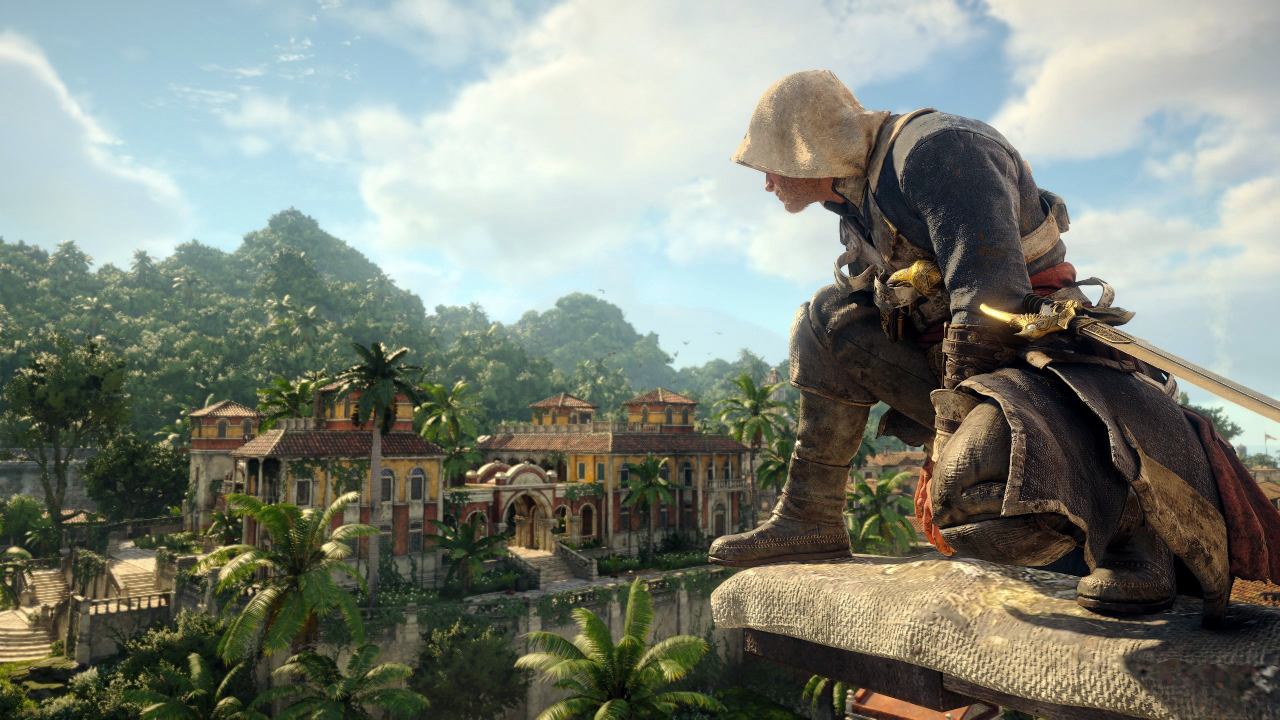
If you've been following the conversation around Assassin's Creed Black Flag Resynced, you've probably noticed that the biggest talking point isn't the gameplay or the visuals. Instead, it's the mountain of day-one DLC and microtransactions that launched alongside the game. Ubisoft has now responded to the criticism, insisting that players are getting a complete experience with the Standard Edition, but that explanation hasn't stopped the debate from growing.
In its statement, Ubisoft thanked players for sharing feedback since launch and made it clear that the Standard Edition includes the entire game. According to the publisher, every mission, island, story beat, and the full open world are available without any extra cost. The additional content is described as optional packs designed for players who simply want more cosmetic items, rather than content that's required to finish or properly enjoy the game.
That explanation comes after Ubisoft found itself under scrutiny for another reason.
An earlier version of the company's financial report reportedly suggested that microtransactions existed to create a more enjoyable experience for players. That wording quickly disappeared in an updated version of the report, but many people had already noticed it. Even though the statement was changed, it added more fuel to an already ongoing discussion about how publishers continue to monetize modern games.
Black Flag Resynced launched with roughly $85 worth of day-one DLC, a number that immediately caught players' attention. Two of those packs are included in the Deluxe Edition, which costs only $10 more than the base game while providing around $20 worth of additional content. Even so, having nearly $85 of downloadable content available on launch day has become one of the biggest criticisms surrounding the release.
To be fair, none of that DLC appears to lock away story missions or important gameplay systems. Most of the extra purchases consist of cosmetic items, gear packs, and other optional content. From that perspective, you can finish the game without ever opening the in-game store.
Still, that hasn't convinced everyone.
Ubisoft has been using this business model for years, so if you've been buying the publisher's games for a while, the presence of an in-game store probably doesn't come as a surprise. At the same time, just because players have become used to something doesn't necessarily mean they're happy to accept it forever. Many longtime fans argue that normalizing aggressive monetization simply encourages publishers to keep pushing it further.
Black Flag Resynced also carries a unique level of nostalgia. The original Assassin's Creed IV: Black Flag remains one of the franchise's most beloved entries, and many players who stepped away from Ubisoft games over the years returned specifically for this release. That renewed interest has translated into strong sales and impressive Steam player numbers, giving the game significantly more attention than many recent Ubisoft releases.
The original Black Flag wasn't completely free from downloadable content either. DLC existed back then as well, but many players feel the current approach goes much further than what was common at the game's original release.
For some players, the issue isn't simply that microtransactions exist.
They've accepted that Ubisoft isn't likely to abandon them anytime soon. The bigger frustration comes from seeing aggressive monetization alongside reports of developer layoffs. If a publisher is generating additional revenue through cosmetic stores, premium editions, and day-one DLC, many believe that extra income should help protect the developers who actually built the game.
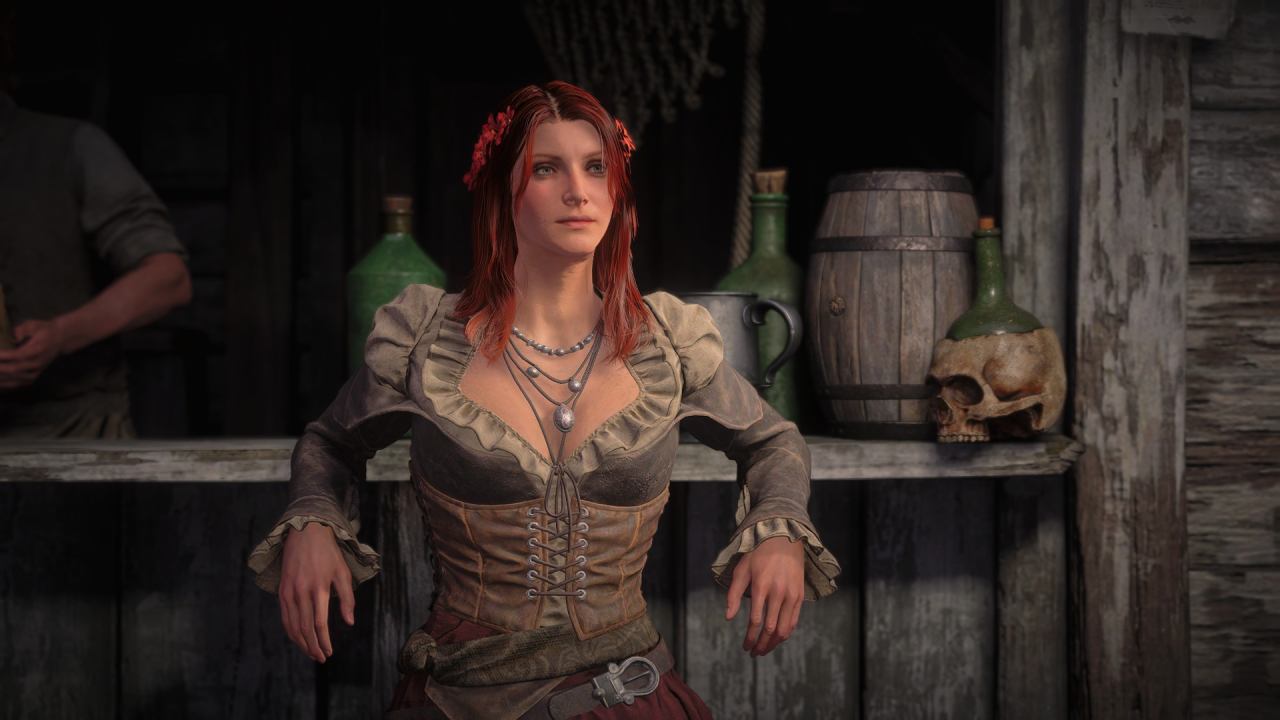
Ubisoft Barcelona has received plenty of praise for the underwater sections in Black Flag Resynced, which have become one of the game's standout highlights. Reports that members of the studio could still face layoffs have created an uncomfortable contrast.
From that perspective, players aren't only criticizing the monetization itself. They're asking why developers keep losing their jobs when games are making more money through premium content.
The financial motivation for these systems is pretty simple.
AAA games these days are crazy expensive to make, and publishers have to fund development for years before they see any return on their investment. Once the game finally launches, cosmetic DLC and microtransactions require comparatively little additional investment while creating entirely new revenue streams.
Analytics estimates reportedly suggest that Black Flag Resynced's DLC has already generated around $1 million on Steam alone. That's before factoring in ongoing purchases through the in-game store, making it clear why publishers continue to embrace these systems.
In many ways, Ubisoft appears to be borrowing ideas that have already proven successful in live-service games. Free-to-play titles often rely on optional purchases that allow some players to spend significantly more than others.
Black Flag Resynced isn't free, with the base game costing $60, but the underlying strategy follows a similar pattern.
The goal is simple. Every player buys the base game, but a smaller group spends far beyond that initial purchase. A lot of people stop once they've paid the regular retail price, but others will happily purchase Deluxe Editions, cosmetic packs, gear bundles, and whatever else is available. These players, known as "whales," can easily spend more than $100 on a single game.
So the whole idea of blaming the entire community for supporting microtransactions doesn't really reflect how these systems work. Publishers don't need every player to buy cosmetic packs. Even if only a very small percentage of the audience spends heavily, the additional revenue can still be substantial because the extra content costs relatively little to produce compared to the game itself.
Many players purchase premium editions automatically without closely looking at what's actually included.
Others browse the in-game store after buying the game and gradually spend more over time. That small group of high spenders often generates enough revenue to justify the entire monetization model.
Ubisoft's defense that the cosmetics are optional is technically accurate. None of these purchases fundamentally changes the game's core mechanics. However, critics argue that optional doesn't necessarily mean harmless.
Years ago, cosmetic outfits, bonus costumes, legacy skins, and nostalgic callbacks were often rewards you unlocked simply by playing. Completing challenges, collecting hidden items, or finishing difficult objectives usually earned those extras. Today, many of those same rewards have become premium purchases instead.
The storefront itself also changes the experience.
Modern games frequently remind players about newly available items through menus and advertisements that appear every time they log in. Even if you never spend money, you're constantly being reminded that the store exists.
That issue extends well beyond Assassin's Creed. Sports games have become especially notorious for promoting Ultimate Team modes and other premium content almost immediately after launch. While publishers describe those purchases as optional, the repeated advertisements can still make them feel like a permanent part of the overall experience.
Ubisoft's current strategy mostly focuses on cosmetics, but previous Assassin's Creed games also included time-saving items such as XP boosts and progression shortcuts. Those purchases raise even greater concerns because they could influence how a game is designed in the first place.
If progression can be accelerated through paid boosts, developers may feel pressure to slow down normal progression so those purchases become more attractive. That's where many players believe microtransactions stop being harmless cosmetics and start affecting the philosophy of gameplay itself.
It's also part of a larger trend happening across the industry.
Publishers continue to search for new ways to generate additional revenue from players after the initial purchase. Cosmetic stores, premium editions, early-access incentives, convenience items, and other monetization strategies have gradually become standard features in major releases.
Each new system makes the next one easier to introduce, which is why concerns surrounding microtransactions rarely disappear. Even if today's purchases remain cosmetic, many players worry about where the model eventually leads.
For Black Flag Resynced, the combination of a sizeable day-one DLC lineup, a fully stocked in-game store, and reports of potential layoffs has created a conversation that's difficult to ignore. Ubisoft has said that the base game is the full experience and that you don't need to buy anything else, and technically speaking, that is correct. But so long as publishers keep broadening monetization, and developers are left with an uncertain future, the talk about microtransactions isn't going away anytime soon.
Senior Editor, NoobFeed
Related News
No Data.