
AAA Game Budgets are Spiraling Out of Control
As costs cross $300 million, the industry faces a tough reality check.
News by Nusrat Choity on Mar 28, 2026
Even people in the video game industry are starting to worry about how much it costs to make big-budget games. People have been arguing for years about how expensive AAA games have become, with figures like $100 million or $200 million cited as examples. But those numbers may no longer be valid.
The new average that everyone in the business is talking about is around $300 million per game, and in some cases, it's even more. That number might be shocking on its own, but what it includes makes it even more shocking. The huge budgets are mostly made up of the costs of developing the games, such as salaries, studio fees, and the time required to make current games.

Lots of people can work on one job at the same time, sometimes for five or six years. This doesn't even include marketing, which can easily add tens of millions more to the cost.
The drive to make money doesn't go away once a game is ready to go. It's not as easy as just taking the full price of a game when you sell it. Most of the time, digital stores and sites take a cut, usually around 30%. This means that a $70 game might only make the company $49 each time it is sold. It's easy to see how high the bar is once you do the math.
For a $300 million game to break even, it would have to sell about six million copies. That's not profit; it's just paying costs.
And this is where things get tricky. Every game doesn't reach that number. In fact, most people don't. Some releases, like blockbuster movies from big series, can reach those goals, but most don't. In a business where projects can take years and cost hundreds of millions of dollars, a single game that doesn't perform well can have a big impact on others.
Studios have closed for much less, and news stories about layoffs are all too regular. So, the natural question is: what can businesses do to make sure things last? A clear answer is to charge more. Some people have already tried to make $80 games, and the idea has been put forward. But players haven't been responding well.
People are willing to pay more for better quality, but only up to a point. The market doesn't seem ready to go above $70 yet.
Of course, there are some cases. Big brands with devoted fans can charge more. But those aren't typical situations; they only happen sometimes. For most games, raising the price might not work out as planned, resulting in fewer sales instead of more money. Many companies don't seem ready to fully commit to it right now because it's a risky move.
The live-service model is another path that has been looked at. These games don't just depend on initial sales; they also try to make money through patches, expansions, and in-game purchases. It sounds like a good idea on paper. In fact, there's no promise of that. There are a lot of titles on the market, and only a few manage to stay popular over time.
For every hit, there are a few games that are hard to keep people interested in.
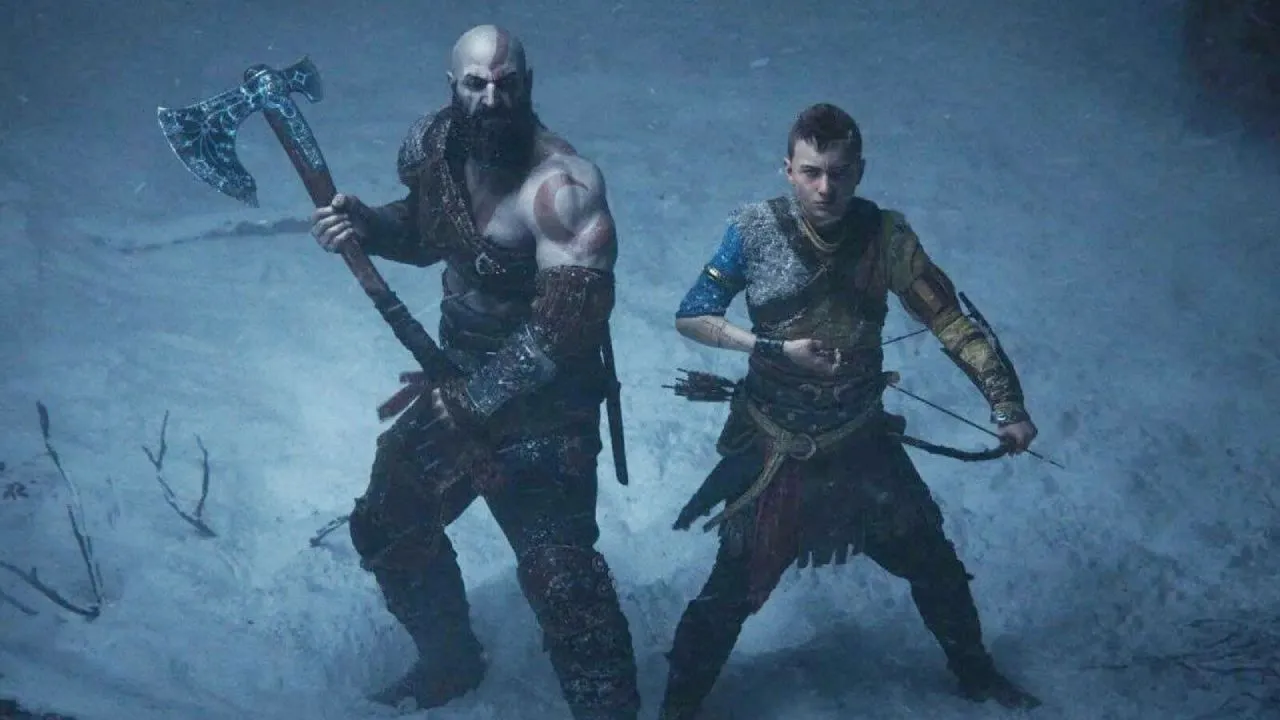
That means we're back to talking about the games. Over time, AAA games have gotten bigger in every way: the worlds are bigger, the game times are longer, and there are more systems built on top of each other. That kind of size can be amazing, but it costs a lot. More material means more time for development, more staff, and more money in the end.
And not all of that information is necessary. Some of it is there just to make the experience last longer.
More and more people are saying that things might not have to be this way. Some makers are having more success by focusing on tighter, more polished experiences instead of trying to make things bigger and longer. The point of these games isn't to be huge, but to be remembered. They also tend to have smaller budgets and lower prices, which makes them less risky to make.
Players have been open to this method over the past few years. A lot of people really like mid-sized and independent games, which shows that a game doesn't need a huge budget to be successful. These games have sometimes been better than their bigger siblings, with new ideas and more focused gameplay.
That doesn't mean that AAA games are going away. Big-budget movies are still very important to the business. They make news, sell a lot of consoles, and create cultural moments that smaller games don't usually do. But the way things are going now makes me wonder how many of these projects can really be kept going.
Some people think that the answer is to cut back, maybe not on desire but on scope.
It might be possible to keep costs down by cutting down on development processes, teams, and design that is more focused. It's not easy to make this change, especially in a field that has been pushing for years for bigger and better experiences. There may be risks that keep going up, though, if nothing is done.
You should also think about the people involved. When expectations grow and budgets get bigger, the pressure on developers also gets bigger. Teams, not executives, are usually the ones who suffer the most when projects fail. This is because long development cycles can make people tired. That fact makes an already complicated problem even more difficult to solve.
The business world seems to be in a balance right now. Companies are trying to give players the big experiences they want while also figuring out how to keep costs from going up even more. It's a tough spot, and there isn't a clear answer yet.

But one thing is for sure: the talk about AAA spending is no longer just background noise. It's right in the middle of things, affecting choices and making businesses rethink how they make games.
As development costs keep going up and players keep wanting high-quality experiences even if they don't want to pay more, the gap between what people expect and what they get is harder to ignore. The question is not just how to make games, but also how long this model can last.
It costs hundreds of millions of dollars to make a single game these days, and success is never a given. How many teams can afford to keep playing this high-stakes game before something gives?
Contributor, NoobFeed
Related News
No Data.