
Intel's Nova Lake-S Could Finally Challenge AMD's X3D Cache Advantage
Intel prepares mid-range Nova Lake-S chips with massive cache to rival AMD X3D processors.
Hardware by Nahe Yan on Jul 08, 2026
Cache size has become one of the biggest battlegrounds in gaming CPU performance, and AMD has held a commanding lead in that fight for years. A new leak suggests Intel may be preparing its most direct response yet, and the surprising part is not the technology itself but where Intel plans to put it. Rather than reserving a large cache for a flagship halo chip, the rumored design lands squarely in the mid-range segment where most PC gamers actually shop.
According to reports, Intel is preparing two new Nova Lake-S desktop CPUs with 22 cores and a substantial 108 MB of L3 cache (last-level cache). This approach mirrors what AMD has done with 3D V-Cache, the technology that has driven AMD's dominance in gaming performance over the past several generations.
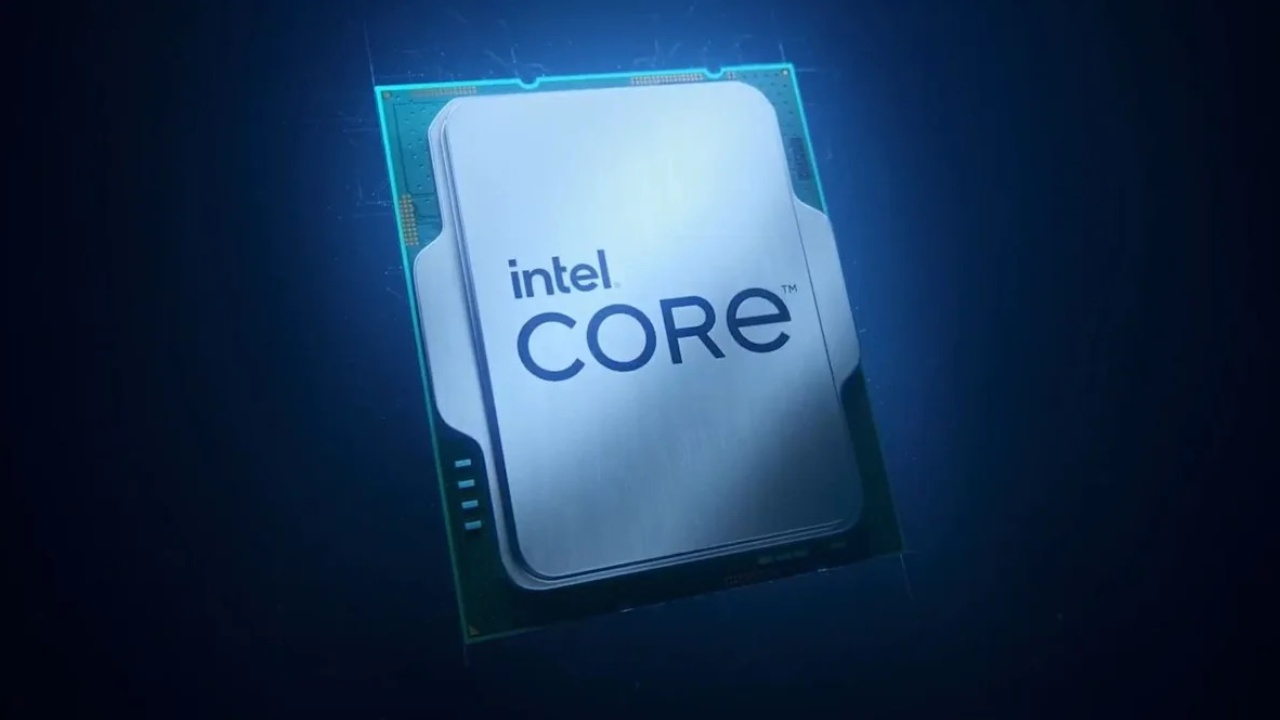
Intel Goes After AMD's Biggest Strength
What separates this leak from earlier rumors is the tier in which these chips are expected to fall. Rather than showing up as Core Ultra 9 or Ultra 7 parts, the leak suggests these are Core Ultra 5-class CPUs, a segment traditionally aimed at mainstream buyers rather than enthusiasts chasing top-end performance.
The core configuration includes six performance cores, 12 efficiency cores, and four low-power E-cores, for a total of 22 cores. Two versions are reportedly planned: one unlocked model rated at 125W as part of Intel's overclockable K family, and one locked model rated at 65W aimed at standard desktop builds.
Bringing large cache down to this tier marks a real shift in strategy for Intel, since large cache pools have typically been reserved for higher-priced flagship chips rather than for value-focused buyers.
Why The Cache Placement Matters More Than The Core Count
A 22-core Core Ultra 5 sounds unusual against the old desktop naming conventions many builders grew up with, but Intel's hybrid architecture has made core counts harder to read at a glance. The six performance cores still define the chip's identity in terms of clock speed and per-thread strength, while the 12 efficiency cores and four low-power cores handle background tasks and general system responsiveness.
For anyone running Windows, that mixture raises a familiar concern around thread scheduling, since the operating system and firmware need to place workloads on the right core type. Hybrid designs have improved considerably since the early days of this architecture, and Windows has matured alongside them.
Still, every new generation reopens the question of whether games, launchers, anti-cheat systems, and background services behave properly across a mix of core types. The reason cache placement matters as much as it does is how gaming workloads access memory. Larger cache pools reduce the frequency with which a CPU needs to access system memory. That reduction in latency is a major reason 3D V-Cache chips have dominated gaming benchmarks.
Pushing that same cache technology down into a 22-core configuration signals Intel wants to compete specifically where buyers actually compare frames per dollar, cooling requirements, motherboard costs, and long-term upgrade paths. Historically, Intel's five-tier naming has often been where gaming value lived for many buyers, going back to chips like the Core i5-2500K.
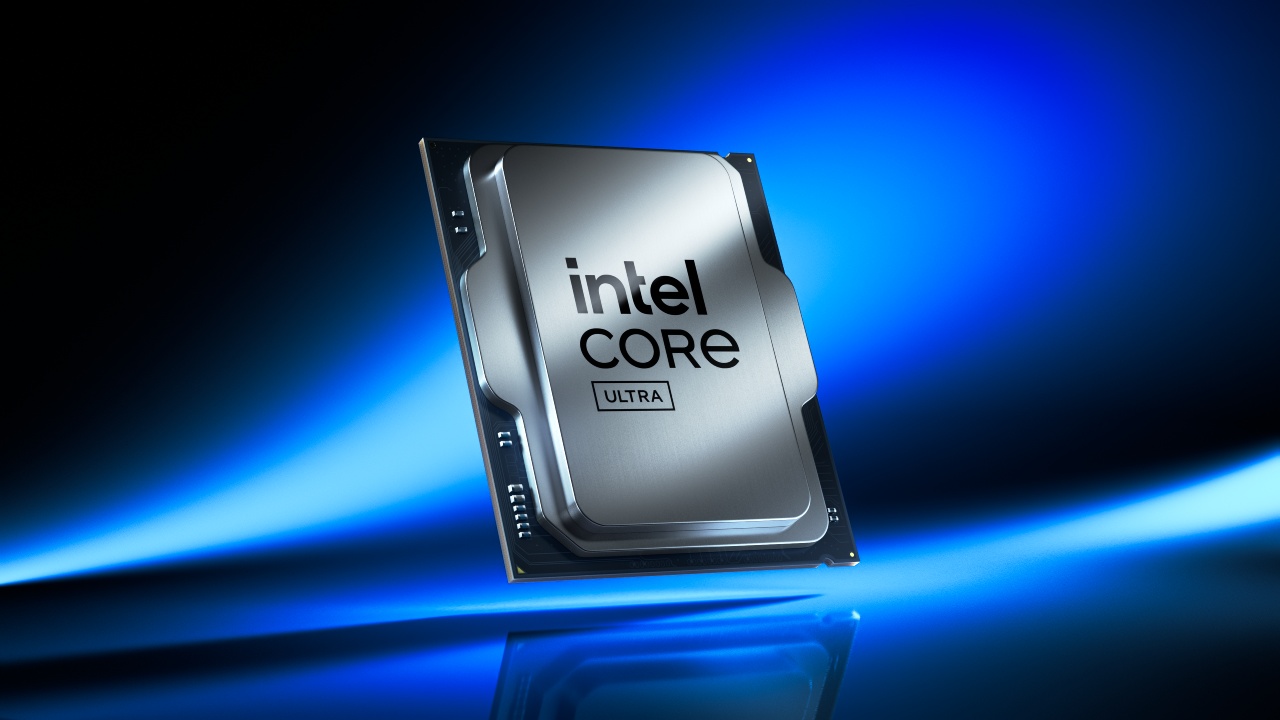
The leak suggests Intel may be trying to recreate that positioning with a cache-driven strategy this time around.
This configuration positions Intel to compete directly with chips like the Ryzen 7 7800X3D, the 9800X3D, and whatever AMD releases next under Zen 6 X3D. AMD has essentially owned the gaming CPU market for years through its 3D V-Cache chips, and a 22-core part priced near the 7800X3D with comparable gaming performance would represent a real threat to that position.
Only six of the 22 cores handle performance tasks. Still, depending on how well the next-generation Arctic Wolf E-cores perform, this configuration could extend beyond gaming and carry weight in professional workloads, giving it broader appeal than a pure gaming chip.
Even with that caveat, the direction itself is telling. If accurate, this leak points toward one of the more competitive generational matchups the CPU market has seen in some time, with the fight playing out not at the high end, but in the segment where most buyers are actually making purchasing decisions.
For years, Intel's desktop pitch leaned heavily on clock speeds, core counts, and the platform familiarity built up through generations of Core i5 and Core i7 dominance. A cache-focused mid-range chip would represent Intel's clearest acknowledgment yet that AMD's 3D V-Cache strategy changed what enthusiast and mainstream buyers alike expect from a gaming CPU.
Editor, NoobFeed
Gaming Hardware Updates
No Data.