
XBOX's Big Restructuring Saves Several Studios, but Thousands of Jobs Are Still Gone
XBOX avoided its worst-case scenario by keeping several studios alive through sales and spin-offs but faced sweeping layoffs, shifting priorities, and ambitious long-term goals.
News by Tahmid Mahi on Jul 07, 2026
The latest round of XBOX news turned out to be a lot more complicated than many expected. You saw not a complete disaster but a mix of encouraging progress and worrying choices that offer a much larger glimpse into Microsoft's future strategy. Thousands of XBOX employees are losing their jobs, but several studios believed to be in dire trouble lived to fight another day.
One of the biggest positives is that four studios managed to avoid outright closure. Undead Labs, Compulsion Games, Ninja Theory, and Double Fine all appear to have landed in safer positions than originally feared. Rather than shutting their doors completely, XBOX has allowed these developers to take different paths, with some selling to new owners while others continue independently.

Undead Labs and Ninja Theory are reportedly being sold, but development on their current projects will continue.
XBOX said all the games they announced before this point are still in development, which is definitely comforting on the surface. However, the wording is open to interpretation because it refers only to projects that have already been publicly announced. Unannounced games that were quietly in development may have been canceled.
Reports suggest Bethesda will focus almost exclusively on its biggest franchises moving forward, leaving less room for projects that fall outside those established names. If games like a hypothetical Avowed sequel or other new concepts were being explored internally, they may no longer fit within the company's revised priorities.
State of Decay 3 remains in development, even after Undead Labs changed ownership. The game is reportedly still receiving XBOX funding, although there are questions about whether it will remain a Game Pass launch title once the sale is finalized. Microsoft has not disclosed the identity of the buyer, so it is unknown how much influence the new owner will have on future publishing decisions.
Compulsion Games and Double Fine appear to be taking a different approach. The studios are expected to be spun off from XBOX and continue to operate independently, rather than being sold to another company. Their public statements have been somewhat optimistic, implying they can go on developing games without direct oversight of Microsoft.
That seems a particularly apt fate for Double Fine. The studio has a reputation for doing unique and creative projects that tend to be outside the mainstream blockbuster market. Becoming independent could allow it to continue making those kinds of experiences without needing to fit into XBOX's evolving business strategy.
Taken together, those four studios represent the brightest part of an otherwise difficult week. Considering how serious the early reports sounded, simply seeing them survive in one form or another is a significant victory. However, the positive news only tells part of the story.
The much darker reality is the scale of the layoffs.
Around 1,600 employees have already been let go, with another 1,600 expected to lose their jobs over the coming months. That brings the total to nearly 3,200 people, one of the largest workforce reductions XBOX has seen.
The gaming industry has already been through years of layoffs, so it’s even harder to find new opportunities. Sure, some developers will find new jobs, but there aren’t enough to absorb the thousands of experienced workers. Many talented folks are going to leave game development altogether because they have to find stable employment elsewhere.
That, perhaps, is the most discouraging part of the situation. When veteran artists, programmers, designers, and producers exit the business for the last time, game development loses years of knowledge and creativity. Even if companies eventually recover, replacing that experience is never straightforward.
As more details emerge, reports also point toward long-standing management issues within XBOX itself. According to claims circulating after the layoffs, some projects reportedly required approval from as many as 15 or 16 different managers before moving forward. Regardless of the accuracy of every detail, that kind of structure would naturally slow development and create unnecessary bottlenecks.
Reducing those layers of management is one area where Microsoft's decisions make sense. Faster communication and fewer approval stages could help studios build games more efficiently, reducing delays within the studio. Streamlining development is a sensible business goal, especially after years of criticism about XBOX's production timelines.
Even so, the layoffs extend well beyond management positions. Reports indicate that many cuts are happening throughout Bethesda and ZeniMax rather than only among the studios that were rumored to be at risk. Teams connected to franchises such as Doom are reportedly being affected despite active projects remaining in development.
 ;
;
Bethesda's future also appears increasingly focused on a handful of core franchises.
The company’s main pillars going forward are apparently Fallout, The Elder Scrolls, Doom, Wolfenstein, and Quake. From a business perspective, it makes sense to allocate resources to what has already proven successful, but this approach leaves less room for perspective, projects, or brand new IP.
That change may also explain why Starfield's long-term outlook looks uncertain. While projects or cancellations have been announced for anything related to the franchise, the current strategy suggests that Microsoft's attention is now centered on brands with longer track records and stronger commercial performance.
Minecraft also entered the discussion. Reports suggest Microsoft believes the franchise has not received enough investment compared to Roblox, which has expanded aggressively over recent years. Instead of continuously growing Minecraft itself, XBOX is said to have relied on the game's success to support other parts of the business, allowing competitors to pull ahead.
All of these decisions reflect a larger trend inside XBOX. Rather than spreading resources across a wide range of projects, the company is increasingly focusing on its biggest franchises and safest investments. From one perspective, this focus is logical: blockbuster releases generate the revenue needed to support the entire platform.
Smaller titles from studios like Double Fine or Ninja Theory might never sell as much as Halo or Fallout, but they help provide Game Pass a broader identity. Those projects filled important gaps between the company's most significant releases and added more reasons for subscribers to remain engaged.
That issue becomes even more important when you look at Game Pass itself. A subscription service cannot rely solely on massive releases every several years because players naturally finish those games and move on. Smaller, high-quality experiences provide steady content between major launches, and removing too many of them risks weakening the overall value of the service.
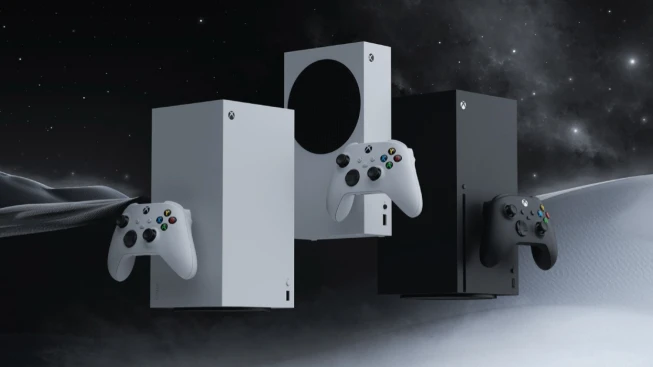
Reports also claim Game Pass currently sits at roughly 30 million subscribers.
That’s still a lot, but it’s also a sign that growth has slowed down considerably after years of optimistic projections. Earlier expectations envisioned well over 100 million subscribers, making today's figures look far less impressive than originally hoped.
The company's broader ambitions remain equally aggressive. XBOX leadership reportedly wants to reach one billion daily players across its ecosystem, an objective that many observers view as unrealistic even when accounting for major properties like Minecraft and mobile games such as Candy Crush.
XBOX hardware is another open question. Microsoft is also reportedly considering if future consoles should even support physical discs, a topic tied closely to game preservation and consumer expectations. While that debate alone will not determine XBOX's future, it reflects the larger uncertainty surrounding the brand's long-term direction.
The one remaining question mark involves Arkane Lyon and Marvel's Blade. Unlike the other studios, French labor laws have delayed immediate decisions, meaning the studio is still evaluating whether it can be sold or ultimately faces closure. Recent reports have also claimed Blade has suffered internal delays and budget concerns, although earlier information suggested development was progressing smoothly.
For now, the situation remains unresolved. XBOX has successfully found solutions for several studios already, which offers some reason for optimism that Arkane could also avoid closure. But until a deal is reached, Blade remains one of Microsoft’s biggest uncertainties in its latest restructuring.
In the end, XBOX delivered both good and bad news simultaneously. There are still some beloved studios, there are still big projects, and Microsoft’s attempt to make development easier could eventually raise efficiency. But thousands of layoffs, reliance on established franchises, uncertain Game Pass plans, and ambitious long-term expectations make the future a lot less certain than the company’s recent victories would suggest.
Editor, NoobFeed
Related News
No Data.