
Steam Deck OLED Faces Growing Competition From Newer Handhelds
Steam Deck faces growing pressure as newer handhelds deliver more performance, broader compatibility, and stronger value for demanding games.
Hardware by Nahe Yan on Aug 19, 2026
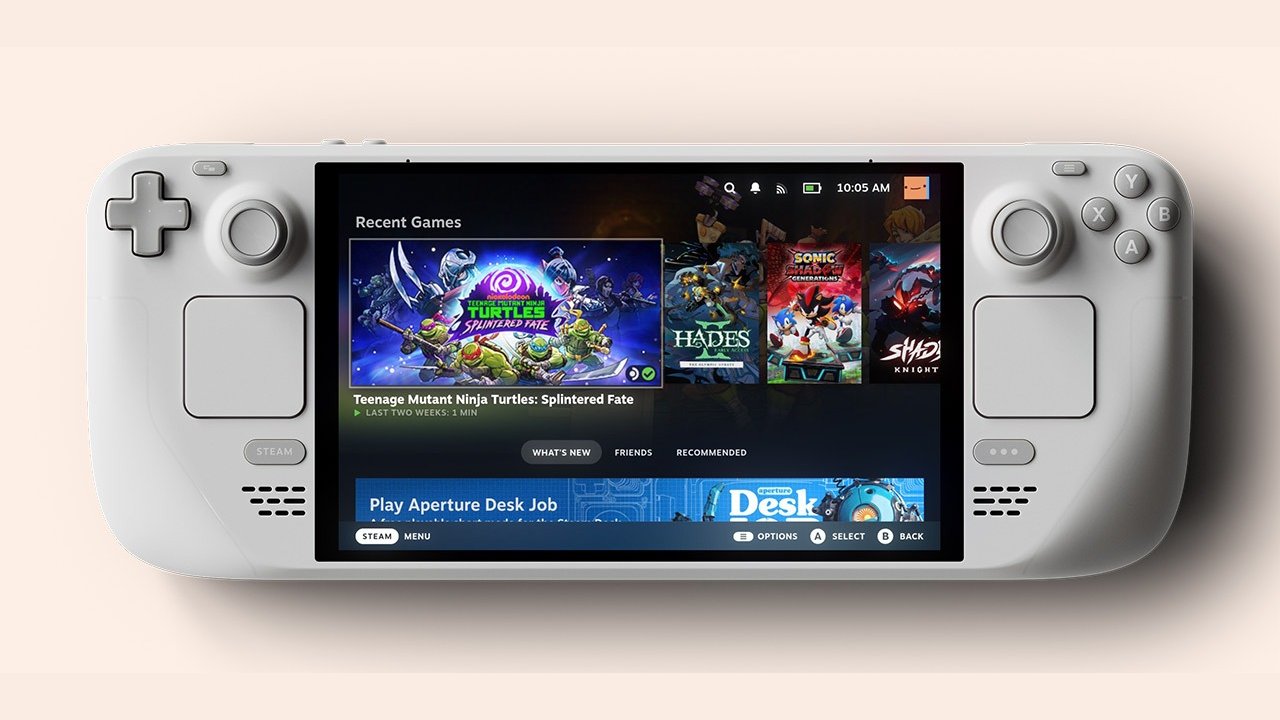
Steam Deck has been one of the handheld PCs that changed how portable gaming feels. Its console-like interface, SteamOS, sleep-and-resume features, and access to a large game library made handheld gaming easier to use. However, newer hardware is changing the landscape as more demanding games arrive and other handhelds offer more performance.
One of the biggest things we have always loved about the Steam Deck is Valve's commitment to the device. Valve did not just release the Steam Deck and move on. The company has consistently worked on the software, improved SteamOS, fixed issues, and supported the community.
.jpg)
Why the Steam Deck Became Special
Steam Deck community is also a major part of the experience. Developers keep updating things, Proton keeps getting better, and people keep finding ways to run games on the device that shouldn't necessarily run on it. Not everything works perfectly, but the effort is there.
Steam Deck also showed what a handheld PC could feel like. Before it, handheld PCs often felt like smaller computers with controllers. Steam Deck felt more like a gaming console. The user interface, sleep and resume function, and ability to jump into the Steam library and start playing made a difference.
Having saves carry over to other devices running Steam also changed how people played games. A game could be started on a computer, the house could be left, and the Steam Deck could continue from the same point; for many players, that made it easier to work through a backlog.
The third-party accessory community also became a major part of the Steam Deck ecosystem. Cases, skins, docks, screen protectors, and other accessories cover almost every part of the device. The biggest problem now is that the Steam Deck is starting to show its age. More games are being released that are harder for the hardware to run.
Games such as Crimson Desert, Forza, and other newer AAA releases are putting more pressure on the device. We know the Steam Deck community is active, Proton continues to receive updates, and someone will probably find a way to squeeze another 3fps out of a game.
But sometimes we just want to download a game, press play, and have it work without spending time figuring out compatibility or settings. That becomes more important as more powerful handhelds enter the market. Newer hardware, including systems using Panther Lake chips, is also changing the performance and pricing comparison.
Anti-Cheat and Linux Compatibility
Anti-cheat is another major problem. Some multiplayer games remain important because they let you keep playing with friends. Games such as Call of Duty, Apex, and Battlefield can still be part of that routine. When a handheld cannot run those games due to anti-cheat or Linux compatibility issues, it limits what the device can do.
Nobody wants to pick up a handheld and first think about whether a game will work. The expectation is to start the game and play. The problem is not limited to those multiplayer titles. Other games can also struggle or remain incompatible due to Linux compatibility issues. The pricing change also makes the Steam Deck harder to recommend.
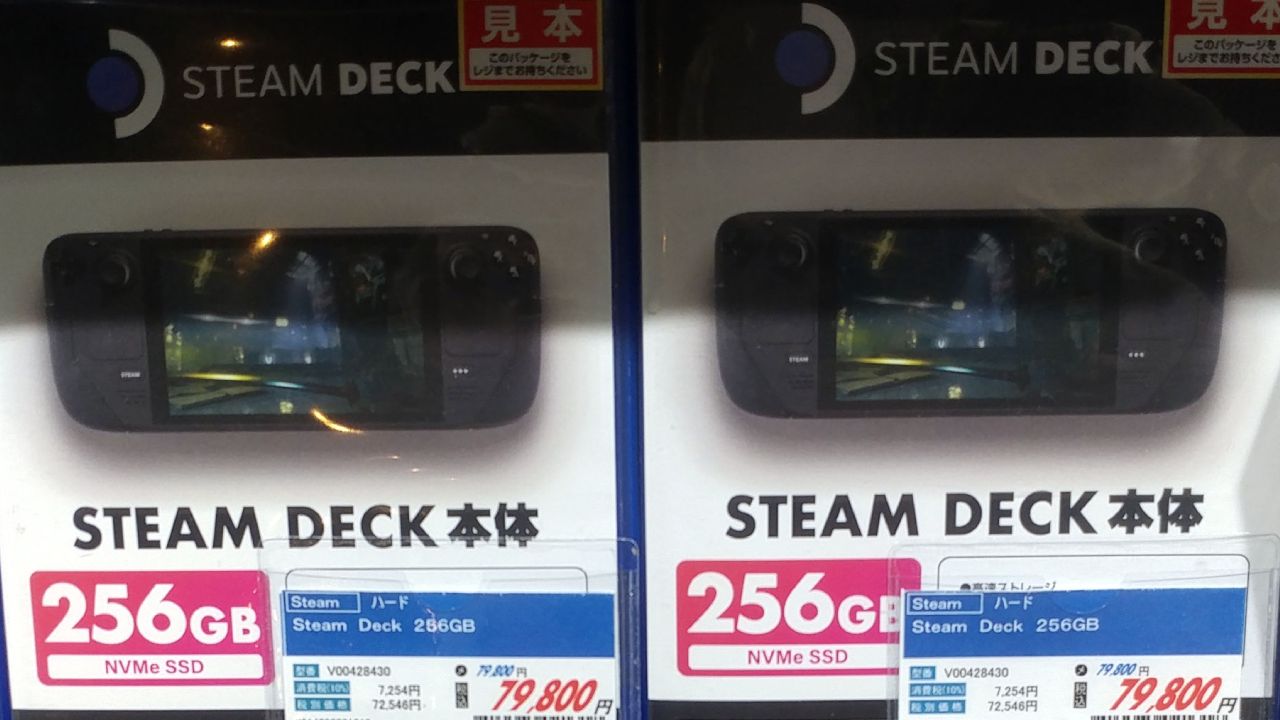
A 1TB Steam Deck OLED at around $950 changes the calculation for someone entering handheld gaming. Steam Deck used to be an easy recommendation for someone who wanted a console-like handheld experience. If someone had never owned a handheld before, the Steam Deck would have been a simple choice.
Now, newer handhelds can make more sense depending on the budget and required performance. Systems using newer Panther Lake hardware and the Xbox Ally X have become more competitive, especially given the Steam Deck's current pricing.
Even with all of those problems, none of them is the biggest reason for considering selling the Steam Deck. The real reason is simpler: you're not using it as much anymore. With multiple handhelds available, it becomes harder to give every device enough time.
Even when you keep certain games for specific handhelds, you can still skip the Steam Deck. That is difficult because the Steam Deck was once one of the favorite handhelds. It introduced a different idea of what a handheld PC could be.
Steam Deck still has a special place, but keeping a device that is rarely used also has costs.
Selling the Steam Deck now could also provide money toward a newer G3 handheld or another system to review, test, and compare with other handhelds. New hardware could then be compared with systems such as the Lenovo Legion Go 2 and Xbox Ally X.
Without selling the Steam Deck, saving for another handheld would take longer, and waiting too long could mean missing out on new hardware. Selling the Steam Deck would not necessarily mean leaving the platform forever. If Valve eventually releases a Steam Deck 2, there would still be a reason to return to the Steam Deck family.
The hard part is deciding whether the current Steam Deck should sit unused or whether its value could go toward newer hardware. The device helped define what handheld PC gaming could feel like, but newer hardware is changing what makes sense in terms of performance, compatibility, and daily use.
Steam Deck remains important, but when a handheld keeps getting skipped, selling it can become a practical decision rather than simply giving up on a device that was once a favorite.
Editor, NoobFeed
Gaming Hardware Updates
No Data.