
Grand Theft Auto VI Review
PlayStation 5 Pro
Welcome to Leonida, where crime has no limits, and every corner has a story.
Reviewed by Mahi Araf on Nov 19, 2026
After more than thirteen years of waiting, eight years of development, countless discussions, and expectations that grew with every new reveal, Grand Theft Auto VI has finally arrived. Following the success of GTA 5 and the incredible world Rockstar created with Red Dead Redemption 2, the pressure on the studio was always going to be enormous.
People expected a bigger map, better graphics, more activities, and a story worth remembering. However, delivering all of that while making the experience feel genuinely different was always going to be the real challenge. Rockstar's answer is a crime sandbox that takes many ideas from its previous games and pushes them further.
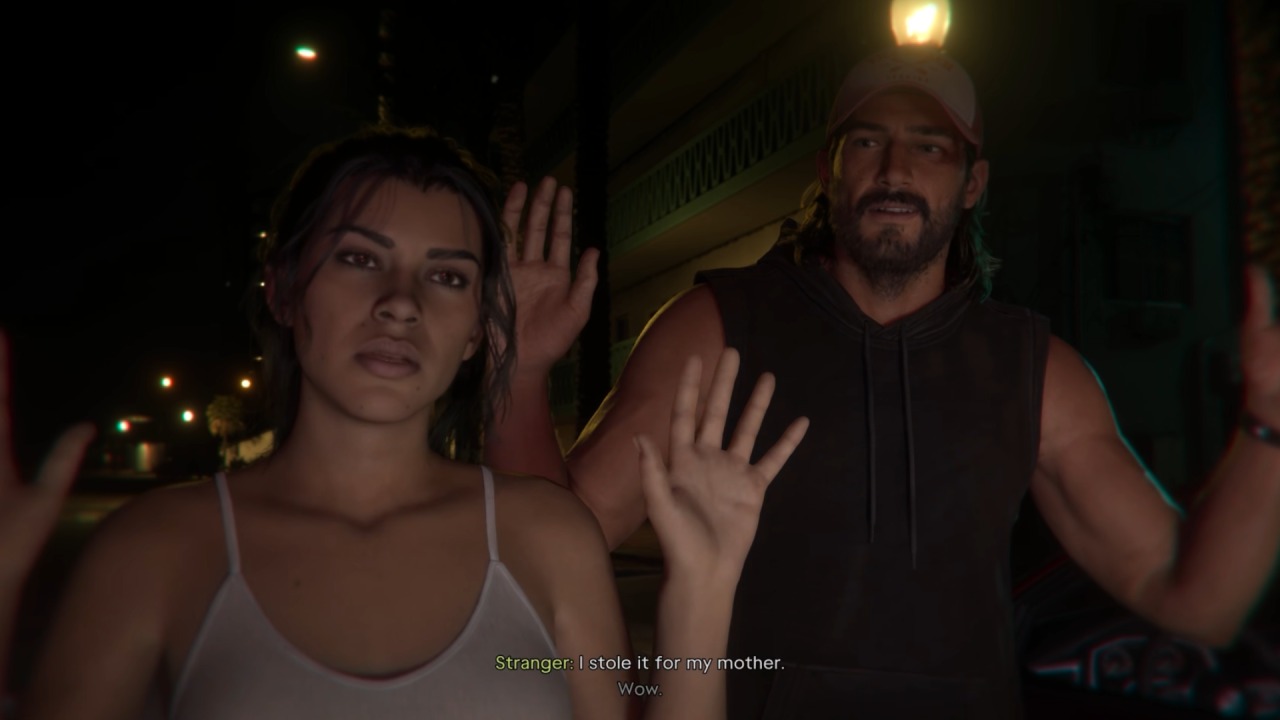
GTA 6 introduces the fictional state of Leonida, a huge and detailed environment inspired by Florida, alongside two protagonists whose relationship sits at the center of the experience. You still get the familiar mix of robberies, police chases, vehicle theft, and ridiculous situations, but with a stronger focus on how you approach those activities and how the world responds to your actions.
The result is a game that feels like a natural evolution of the GTA series.
It is not simply about making everything larger or adding more things to do. Instead, Rockstar has spent considerable effort making its systems work together, giving you more freedom during missions, making the police more responsive to your behavior, and filling the world with characters and activities that make Leonida feel like somewhere people actually live.
The story follows Jason and Lucia, two criminals trying to build a better life while becoming increasingly involved in Leonida's criminal underworld. Their backgrounds are different, but their circumstances bring them together. Jason has a military background, and Lucia's past in Liberty City has already landed her in deep trouble. Once she gets out of prison, Jason plays a big role in her life, and eventually they work together as they try to make money and establish themselves.
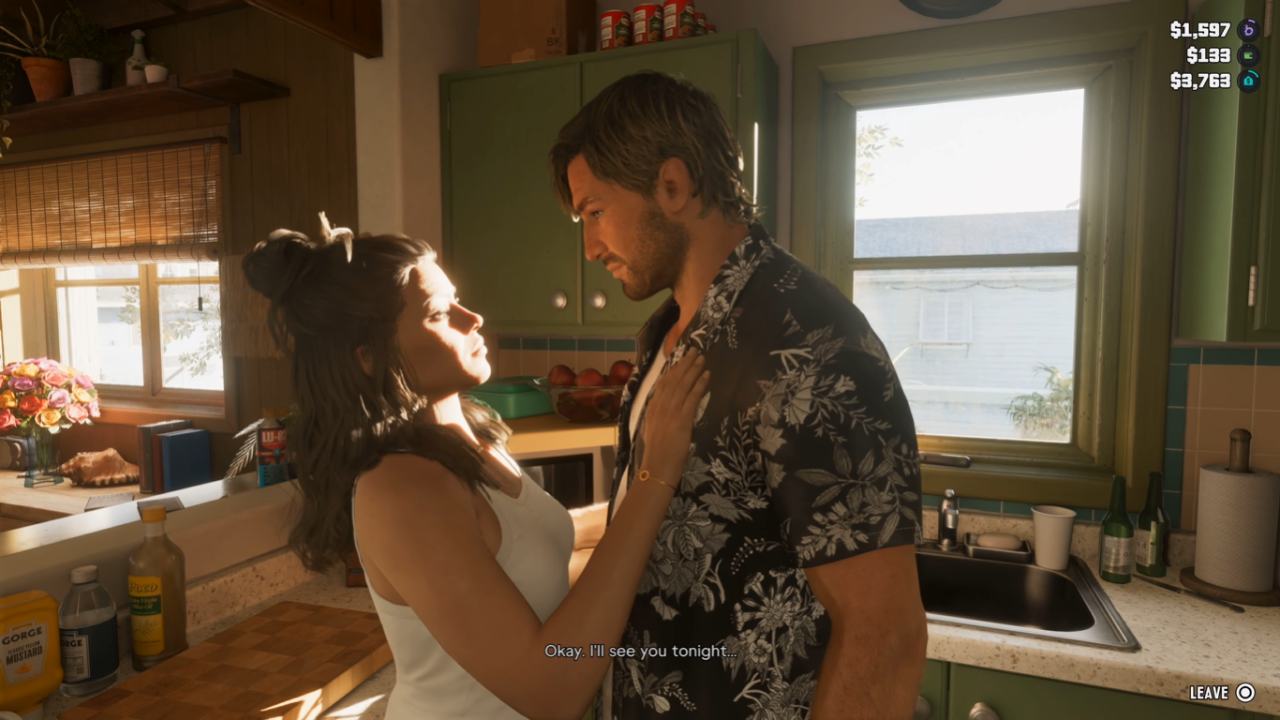
Their relationship is one of the most important elements of GTA 6. Rather than playing two separate characters who just happen to be in the same missions, Rockstar builds the story around their connection. You see them hanging out, talking about their situation, making plans, and dealing with the fallout of their crimes. Their relationship also develops through smaller interactions—phone calls, holding hands, going out together, and sharing everyday moments.
They even have a joint bank account, adding another layer to how intertwined their lives are. These details may seem minor compared to the robberies and action sequences, but they help establish the couple as more than two characters moving between missions. You're not watching them pursue their criminal endeavors; you're watching their relationship evolve as they deal with the issues around them.
That relationship also ties into the game's choices. You can affect how close Jason and Lucia become, and some interactions will affect their bond. For example, an optional objective lets you decorate Jason's beach house before Lucia arrives. Completing it brings the couple closer, while ignoring it gives Lucia a chance to say Jason didn't go the extra mile. Others are more subtle, like a kiss or cuddle shared on the balcony of their Vice City penthouse.
The game also has multiple endings, which makes your choices feel more important. Not every choice will necessarily change the story's trajectory dramatically, and some choices can feel less weighty than they initially seem. But having your actions affect the relationship adds another layer that previous entries didn't explore in quite the same way.
Lucia is important to the story, in particular because she brings a different energy to the franchise. She's more grounded than many of the over-the-top characters you associate with the earlier GTA games, and the women in her orbit are also presented more realistically. In contrast, Jason is sometimes a relatively blank character.
His personality is not always as developed as Lucia's, but the contrast between them gives their interactions room to work. Their criminal ambitions take them through a collection of characters connected to Leonida's underground world.
Brian, Boobie, Raul Bautista, Cal, and Officer Mendez help establish the world around the protagonists. Jason and Lucia take jobs and risks that don't always align with their long-term ambitions as they get involved with different people. They often go from one bad decision to another, and the story sometimes acknowledges how little control they have over their own lives.
This flexibility means the campaign can explore familiar crime-story territory.
At times, you can sense Jason and Lucia are following someone else's lead instead of pursuing their own goals. The main storyline can also lose some steam in its later sections. But the character interactions and the way the story develops around their relationship keep it interesting.
Rockstar has also made a clear effort to add variety to the missions. You don't constantly repeat the same robbery or shoot your way through another group of enemies. Missions introduce specific mechanics, unusual objectives, and situations that make use of the world around you. In one early sequence, Jason even spends time washing down a boat, giving you a break from the usual criminal activities while other characters discuss important story details.
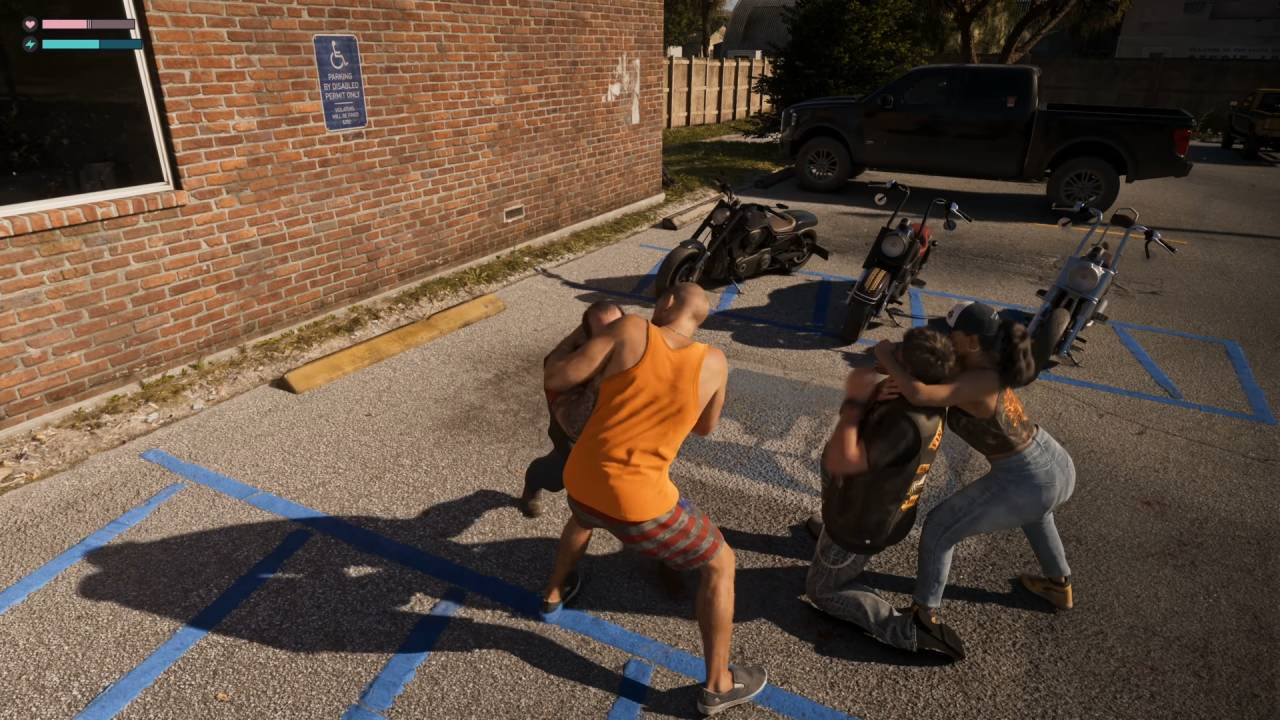
Some missions also feel like carefully constructed action sequences from a major action-adventure game. Set pieces recall the larger moments of Uncharted 3, for example, with Rockstar pushing its engine through explosions, chases, and tightly directed encounters. These sequences work particularly well because they take place within the same open world you explore outside the campaign.
You aren't constantly separated from the sandbox to experience something completely different. The mission design is also more flexible than before. You can take different roads and strategies to some of the situations rather than one particular road. Nowhere is this felt more keenly than during robberies and police encounters.
Scouting a location, preparing your equipment, and choosing how to escape can make a meaningful difference to how a job unfolds.
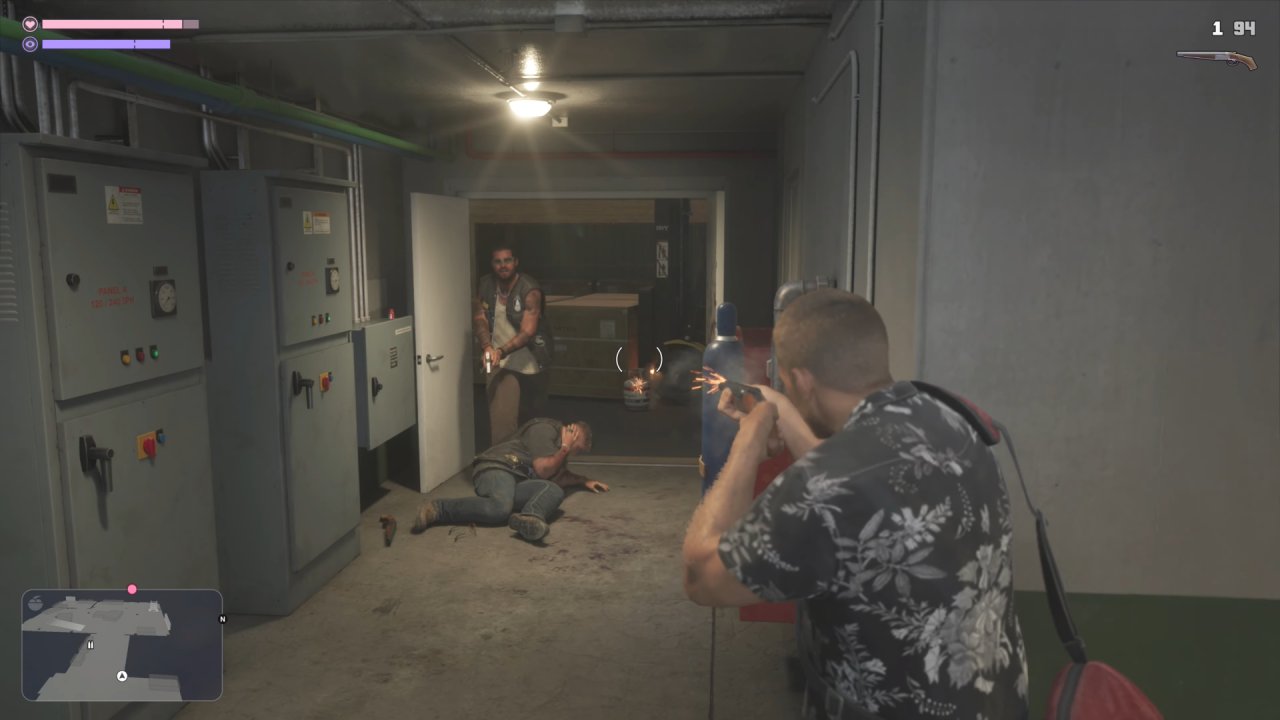
You can also use the environment to your advantage, be it finding another way into a building or escaping through a back door. The game even allows you more control over how you deal with enemies. You can target non-vital parts of their bodies to disable them rather than kill them, and stealth provides another way to complete certain encounters.
If you want to avoid a confrontation, you can get through some locations undetected. These options make combat feel less confined, giving you more room to experiment. When a fight does break out, the shooting mechanics feel a lot better than in Rockstar's previous games.
The cover system feels more natural, the aiming feels more responsive, and bullet-time adds yet another useful option in gunfights. Controller response is also improved, making movement and combat feel less cumbersome. However, the game occasionally relies on heavily armored enemies that absorb far too much damage. This becomes more noticeable towards the end of the campaign, where some encounters struggle to remain interesting.
The wanted system is another major improvement. Instead of treating every crime as an automatic invitation for a long police chase, GTA 6 considers several details when determining how law enforcement responds. Your clothing, vehicle, weapons, and behavior all affect whether you get noticed and how easily the police can identify you.
It changes how you approach a robbery. You can take your time observing your targets, getting a getaway vehicle ready, and changing your clothes before doing a job. If you plan things right, you can avoid the classic police chase the series is known for. When you're driving past a bunch of police cars coming toward you with stolen goods in your trunk, it's very satisfying to know your preparation helped you avoid detection.
The wanted system also revolves around your criminal profile and the evidence you leave behind.
Police can investigate your actions without just turning up at your place. So it binds the individual offenses more closely to the world of men. You have to think about what you leave behind, how you escape, and whether your choices might make it easier for law enforcement to track you later.
The return of a more advanced six-star wanted system also gives the police encounters room to escalate. Your heat can change depending on what happens during a crime, and the authorities have more information to work with when attempting to identify you. It makes the police feel less like an endless group of enemies that appears whenever you commit an offense and more like a system that reacts to the way you play.
The game also focuses more on car theft because of how it finds and tracks cars. Vehicle-related activities are further complicated by scanning and tracking mechanics, such as WAiNK scanning. Some cars have tracking devices or immobilizers to make them harder to steal. That means that thieves can't just hop in and drive off. You have to consider whether someone could track the car or stop you from using it.
Cars themselves remain one of the biggest attractions of the experience. Leonida offers a wide choice of vehicles: from daily scooters and motorcycles to luxury cars, classic models, supercars, and vehicles adapted to rural roads. You'll see police cars, emergency vehicles, utility vehicles, and off-roaders, so the world has a diverse set of transportation options.
There is also more to be explored off the roads.
Boats and aircraft add to the ways you can travel around Leonida, while airboats and other specialized vehicles make it easier to move through different environments. Public transportation and ride-sharing services also help set the scene, giving the state a sense of everyday movement beyond the cars you own or steal.
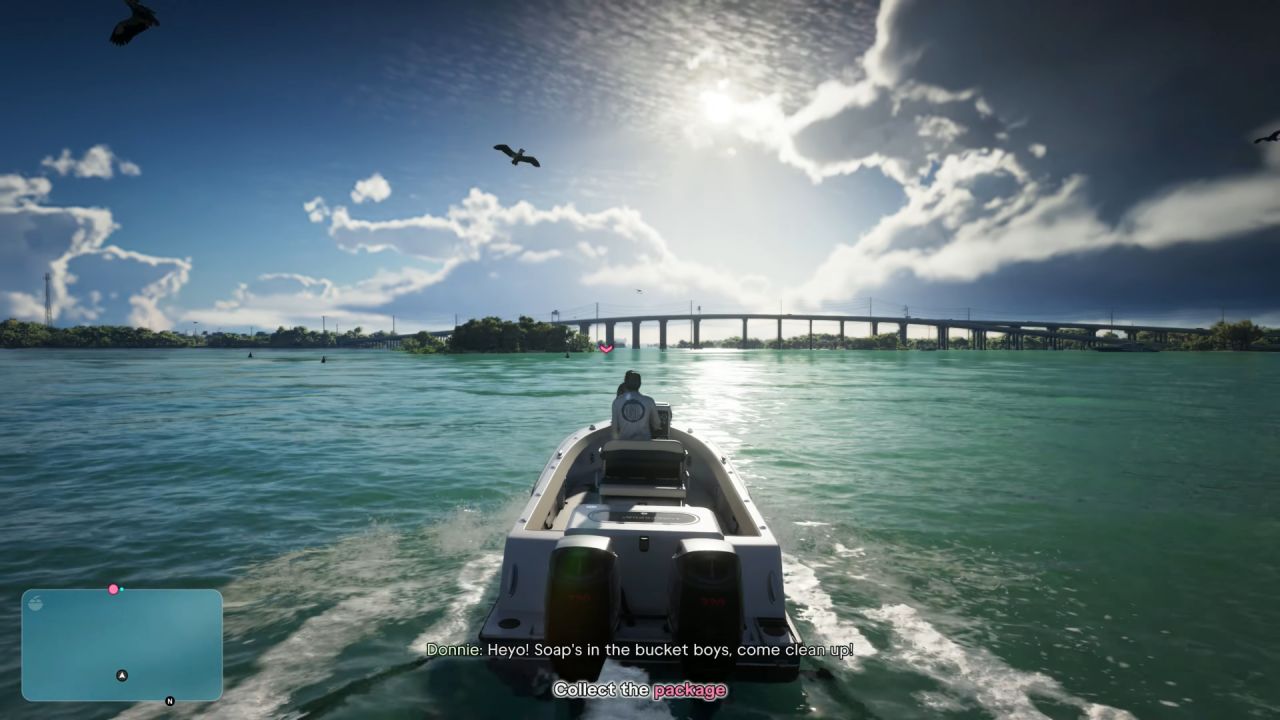
Customization still plays a major role, letting you modify your vehicles and change their appearance and sound.
Different engine sounds and other details reflect your changes, while the car selection gives you plenty of reasons to spend time collecting and trying out different models. The game also includes vehicle delivery options, so you do not always have to travel across the map to retrieve a favorite car.
A quick request through Scooter Bros can have your vehicle brought directly to your current location. Leonida brings these systems to life. The fictional state is the largest and most detailed open world Rockstar has created, with a map described as roughly twice the size of GTA 5's. It is divided into several distinct regions, each offering a different environment and atmosphere.
Vice City is the obvious centerpiece, but the surrounding areas give you plenty of reasons to leave the city and explore. The map includes Vice City, the Leonida Keys, Grassrivers, Port Gellhorn, Ambrosia, and Mount Kalaga National Park. These places offer a mix of busy city centers, seaside towns, countryside, wetlands, and nature.
You can walk from the busy streets to the quieter stretches of land without feeling like you have entered a whole different game. Vice City still draws crowds thanks to its bustling streets, entertainment districts, shopping, and ocean-side atmosphere. But the other regions matter just as much to the overall experience.
Leonida Keys provides a more relaxed coastal setting, while Grassrivers is a different kind of terrain. Port Gellhorn and Ambrosia add their own character to the state, and Mount Kalaga National Park provides another reason to look beyond the main urban centers. The most impressive thing about Rockstar's environmental design is that the world isn't dependent on its major landmarks.
You can spend time examining ordinary buildings, shops, streets, and roadside locations and still find details worth noticing. A single convenience store can contain more unique assets than entire districts in other open-world games. Even littered food wrappers attract insects, showing how much thought went into the environment's finer points.
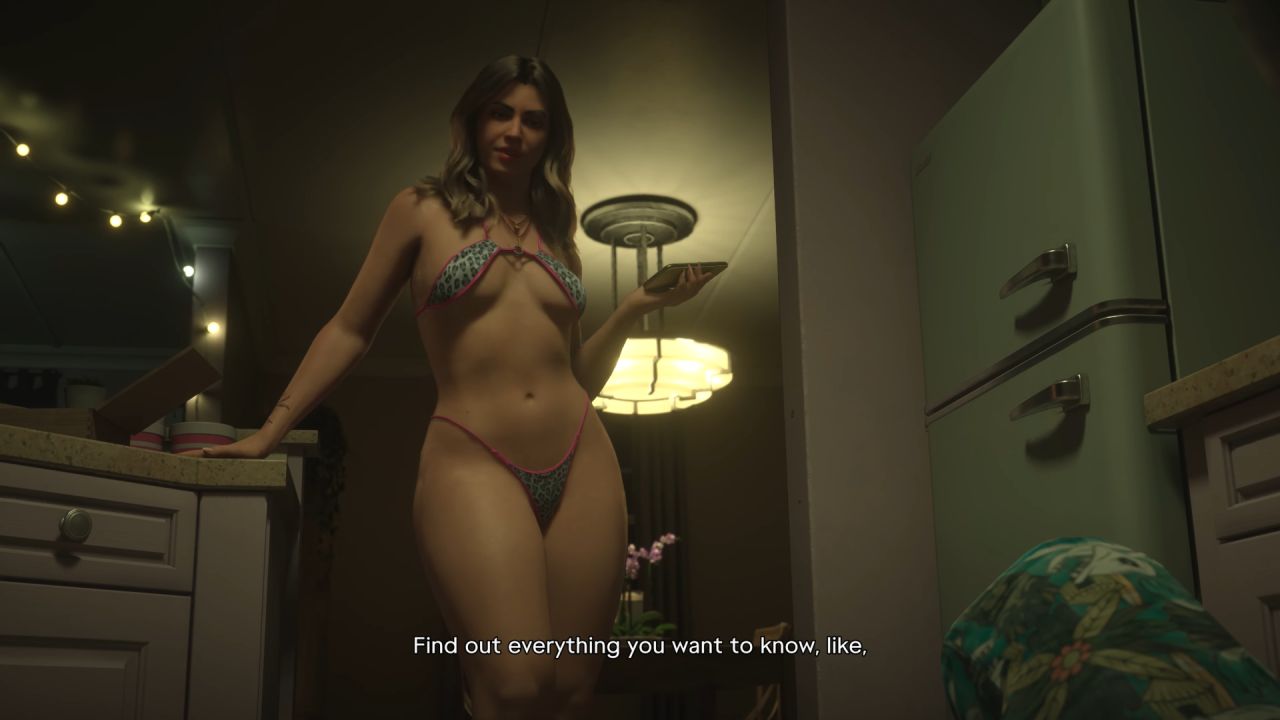
The weather also makes the world less fixed. Different conditions shape the atmosphere of the places you visit. Wildlife makes natural areas feel more alive. The game features more than 170 animal species, adding variety to the environments and making exploration feel more rewarding. As you travel through the countryside, visit the wetlands, or travel between regions of the map, you may come across wildlife.
Leonida also feels so alive because of random events. You might see a plane falling into the grasslands. You might hear screams of people before you find a man tortured by masked people in a building. These situations are not always connected to the main campaign, and that is what makes them interesting. You can be traveling towards another objective and suddenly find yourself dealing with something completely unexpected.
Even after spending more than 100 hours in the game, you find random encounters and small details to discover. That unpredictability matters because it gives you a reason to keep exploring after the main story ends. It keeps operating around you, with events and activities that can make an ordinary trip across the map feel different each time.
The NPCs play a major role in creating that impression.
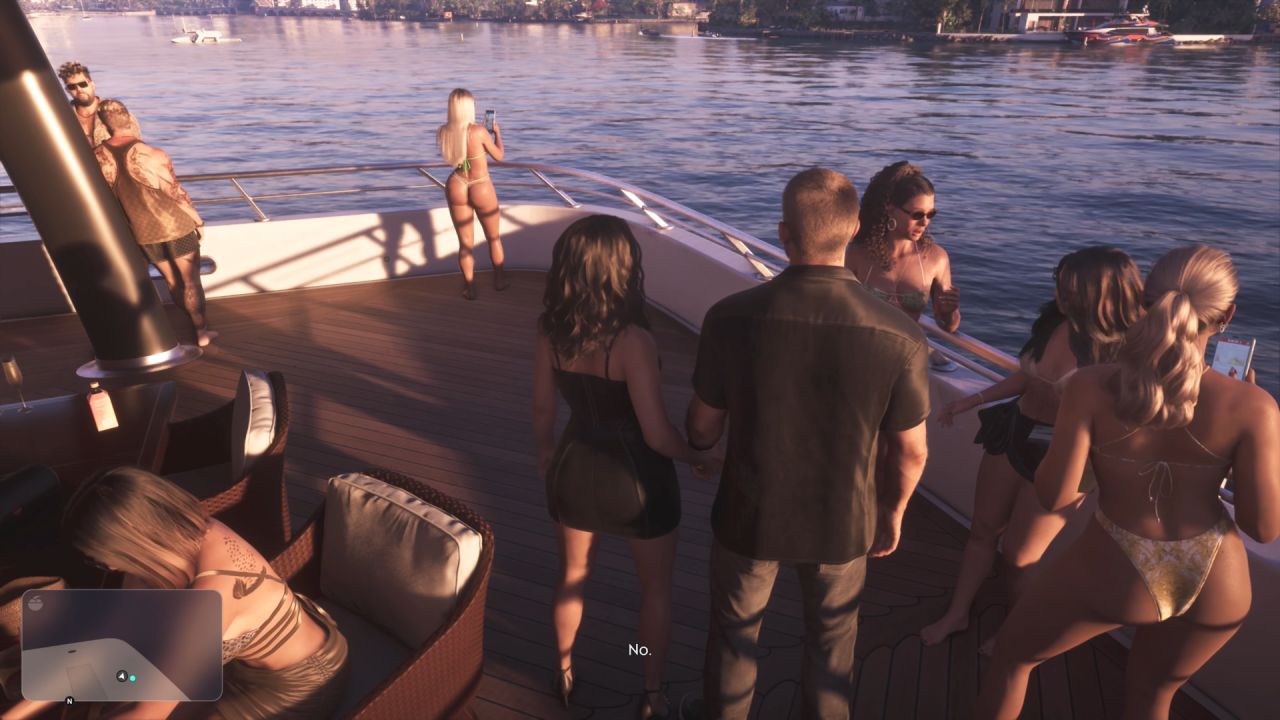
Rockstar has put considerable effort into giving pedestrians different appearances, body types, and personalities. They don't all feel like copies of the same character in different clothes. Talking to pedestrians can add to the world's character. Their reactions and interactions add to the streets' vibrant feel.
In addition, individuals may be encountered through social interactions and activities outside the primary missions. These smaller moments create a deeper sense of connection between the city and its inhabitants. The difference is easy to see when crossing from neighborhood to neighborhood, or region to region. Each has its own character and environment, which helps create its own identity.
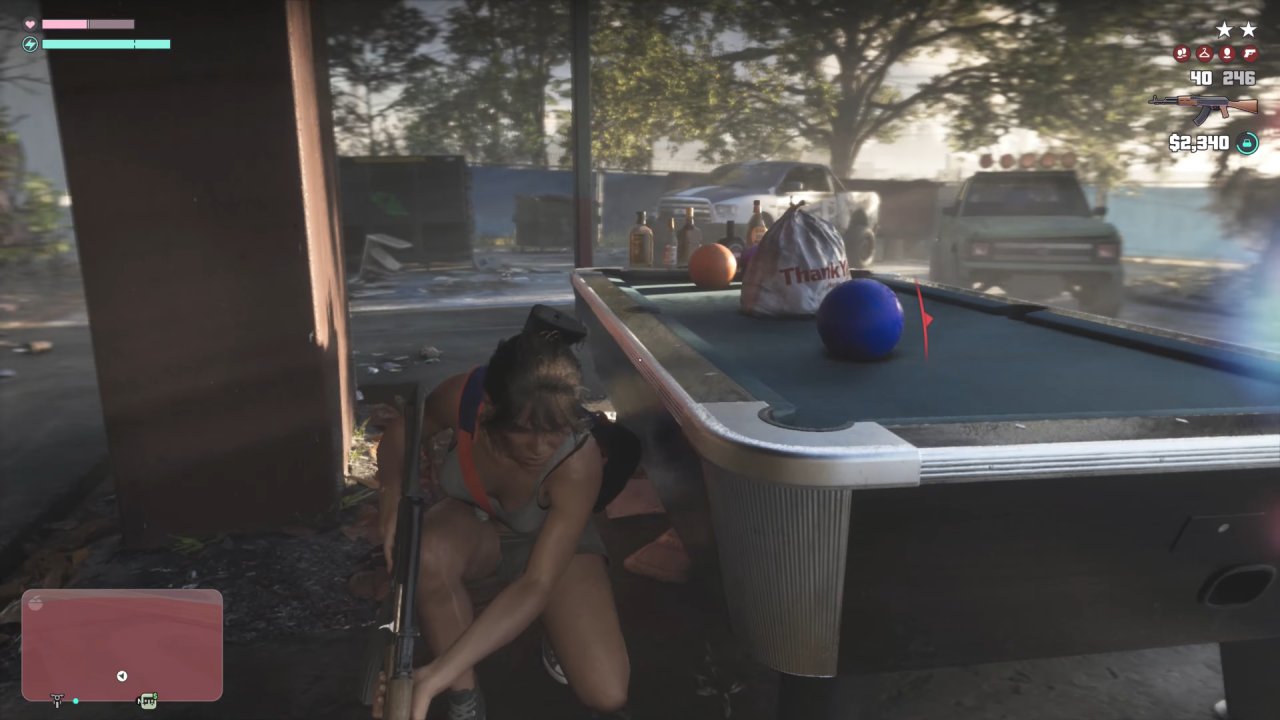
GTA 6 also offers plenty of optional activities. You can go hunting, play golf, take part in races, shoot some basketball, play billiards, go scuba diving, try skydiving, or spend time wrestling and dancing. You can also explore different facets of Leonida's entertainment scene by dropping into a club. It's a chance to take a break from the campaign or just explore.
Jason's home entertainment system is another welcome addition. A PlayStation 5-like console in his residence can be turned on to access a variety of playable games. It's a minor detail, but it helps to create the impression that the characters have lives outside the main story. You don't need to be on a mission or committing a crime all the time. Sometimes, you can just relax at home and engage in the available activities.
The life-simulation elements also make it more enjoyable. You can watch your characters' habits and get inspired by everyday tasks: regular physical activity, eating, and keeping your vehicle fueled. For some players, especially those who prefer the faster pace of earlier GTA titles, these mechanics may be superfluous. However, they help you stay grounded in reality without spending too much time on every little thing.
Rockstar also understands that realism should not get in the way of convenience. Vehicle delivery services, for example, let you get your preferred car without traveling across the map to pick it up. This balance between accessibility and simulation is something that GTA 6 needs to maintain.
The game wants to create a sense of connection to the world, without making every task a chore.
Your development is shaped by the activities you engage in, the decisions you make, and the systems you acquire. Your experience is shaped by the relationship between Jason and Lucia, heist planning, building a criminal profile, and the emergence of new activities. The more time you spend exploring Leonida and learning how its systems work, the more choices you will have to deal with different situations.
The campaign is expected to take around 60 hours, though optional content can push average playtime closer to 80 hours. If you want to complete everything, a 100% save could take 300 hours or more, especially if you aren't using guides. That gives you a considerable amount of content to work through, and it means the experience does not end when the credits roll.
Visually, GTA 6 is one of Rockstar's biggest achievements.
The studio has built on the foundation of Red Dead Redemption 2 to craft a considerably larger world brimming with unique assets. The environment details, vehicles, buildings, character models, and lighting all contribute to the sense that the world has been painstakingly built. Not only is Leonida impressive in size, but Rockstar has also added incredible detail.
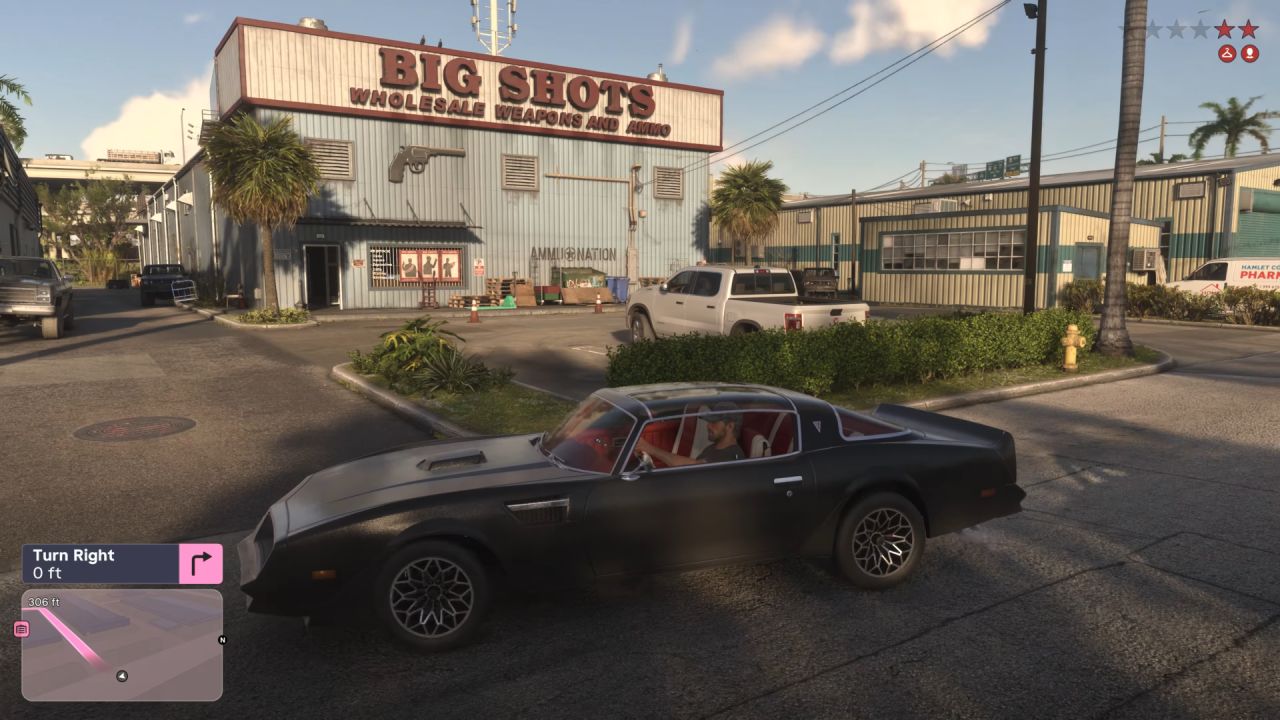
Character animations and environmental interactions also bring the world to life.
Whether you are walking down a busy street, driving down a highway, or taking a detour in a quieter part of the map, something is usually happening nearby. It is easy to get distracted by your surroundings, even when the presentation is meant to help you achieve a certain goal.
But the biggest technical disappointment remains the 30 frames-per-second cap. The game runs at 30fps on the PS5 Pro, and you can't change the presentation mode or raise the frame rate. Given how much time you spend driving, shooting, and moving around the world, the lack of a performance option is disappointing, especially when other modern games commonly offer different graphical settings.
That said, the frame pacing is solid, and the game remains smooth and responsive. When you're chasing rival gangs on a highway or flying over the map in a jet, you see very few noticeable slowdowns during extended play. The 30fps cap is still a compromise, but it's consistent, which makes it easier to swallow.
Given Leonida's size and detail, it's understandable that Rockstar made this choice, even if you would have preferred the ability to choose your own settings. The audio presentation is just as important to the overall experience. Vehicle sounds change depending on how you modify your cars, giving each model a little more character.
The racing missions also stand out, with presentation and sound design that evoke dedicated racing franchises such as Need for Speed. If you enjoy the vehicle side of GTA, there is plenty to appreciate here. The licensed soundtrack is another major part of the experience.
The music is used effectively during action sequences and other key moments, giving missions a stronger sense of energy. Composer Justice also brings a distinctive disco-inspired electronic sound to the game's score, with several tracks adding atmosphere to some of the campaign's best sequences.
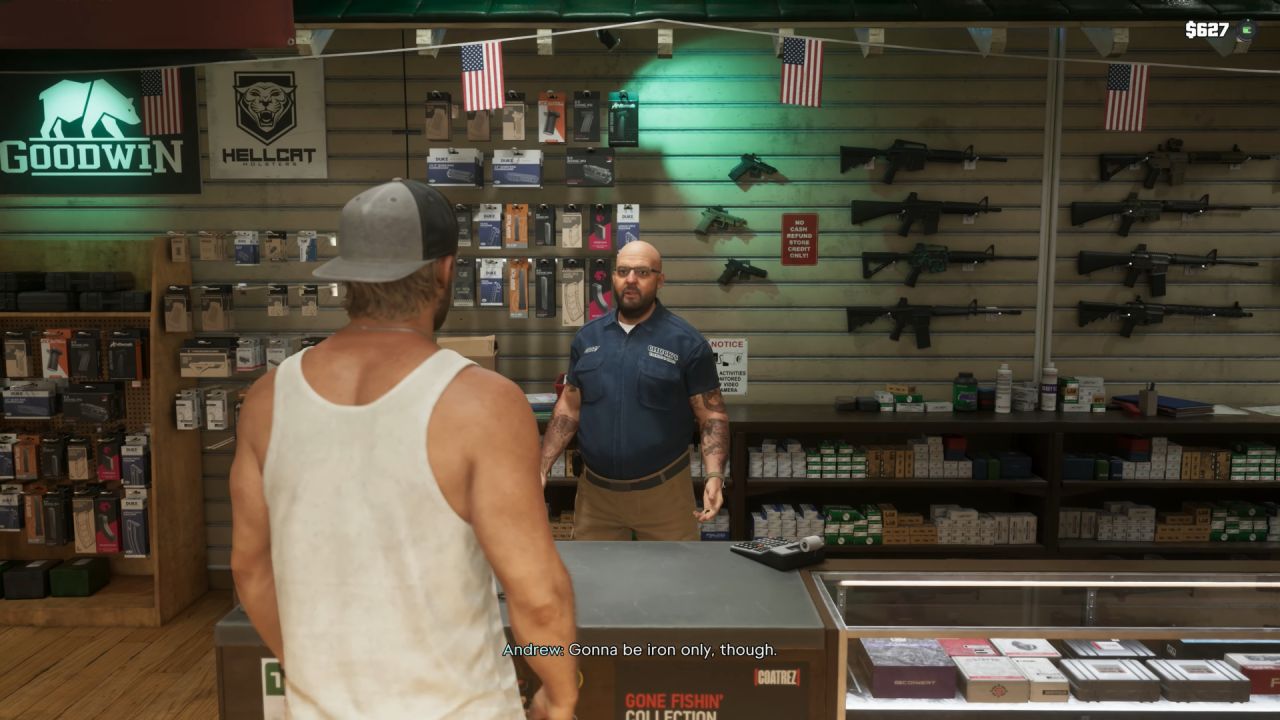
The DualSense controller makes the experience even more engaging.
Its haptic feedback adds texture to different actions, and one particularly enjoyable detail is the sensation you get when passing other cars at high speed on the highway. It is a small feature, but it makes driving feel more connected to what is happening on screen. The adaptive triggers, however, are less impressive. They feel too stiff and lack the subtlety found in some first-party PlayStation games.
After everything GTA 6 offers, it's hard not to leave impressed by the scale of Rockstar's work. Leonida rewards curiosity, and its regions, wildlife, random events, NPCs, vehicles, and optional activities give you plenty of reasons to keep playing. The map is not simply a larger version of GTA 5's environment.
It feels more carefully connected, with different systems working together to make the world feel active. Jason and Lucia also give the game a more personal center. Their relationship is not just an excuse to introduce two playable characters. It influences the story, provides smaller interactions between missions, and gives you some control over how their connection develops.
The narrative has a few weaker stretches, and Jason could have been given more personality, but the central pairing helps the campaign stand out. The gameplay improvements are equally important. More flexible missions, better shooting, stealth options, a deeper wanted system, and additional preparation for robberies give you greater control over how you play.
You are encouraged to think about your actions instead of simply rushing into every situation. Even the smaller life-simulation mechanics contribute to the overall experience, making Leonida feel like a place you can spend time in rather than a collection of objectives.
A few issues remain worth mentioning. The 30fps cap is disappointing; some late-game combat encounters rely too heavily on armored enemies, and the story could have been tighter in its final sections. Certain choices also have less impact than you might expect. But these problems do little to undermine what Rockstar has achieved overall.
Grand Theft Auto VI is the deepest and most accomplished open-world game Rockstar has ever produced.
It takes the familiar foundations of the series. It builds on them with a more detailed environment, stronger systems, and a story that places its characters at the center of the experience. Leonida feels alive, the activities are varied, and the freedom you have during missions makes the experience more rewarding.
Most importantly, the game understands what makes GTA enjoyable in the first place. You could spend an afternoon planning a robbery only to be distracted by some random occurrence. Take a car for a spin, hit a club, or explore a new area. There is always something new to learn, and the world doesn't seem to wait for you to tell it what to do.
Despite the massive hype, GTA 6 meets its goals. Rockstar has once again raised the bar for open-world games, and Jason and Lucia's story makes you want to explore every nook and cranny.
Senior Editor, NoobFeed
Verdict
GTA 6 lives up to the hype by delivering a world that feels alive, a gripping story built around Jason and Lucia, and more freedom than ever. Rockstar doesn't just raise the bar for open-world games; it makes Leonida a place you won't want to leave.
100
Related News
No Data.