
Steam Machine vs. Xbox Series X: Which Living Room Console Wins in 2026?
Memory and storage shortages push both console prices upward within the same year.
Hardware by Nahe Yan on Jul 08, 2026
The game gear you use in your living room just got trickier. The Steam Machine from Valve has entered a market long dominated by dedicated consoles. Its price puts it uncomfortably close to the competition that Valve said it wouldn't compete with. It depends on the numbers and how you think about it: whether it really is a console option or just an expensive way to play games from your Steam library.
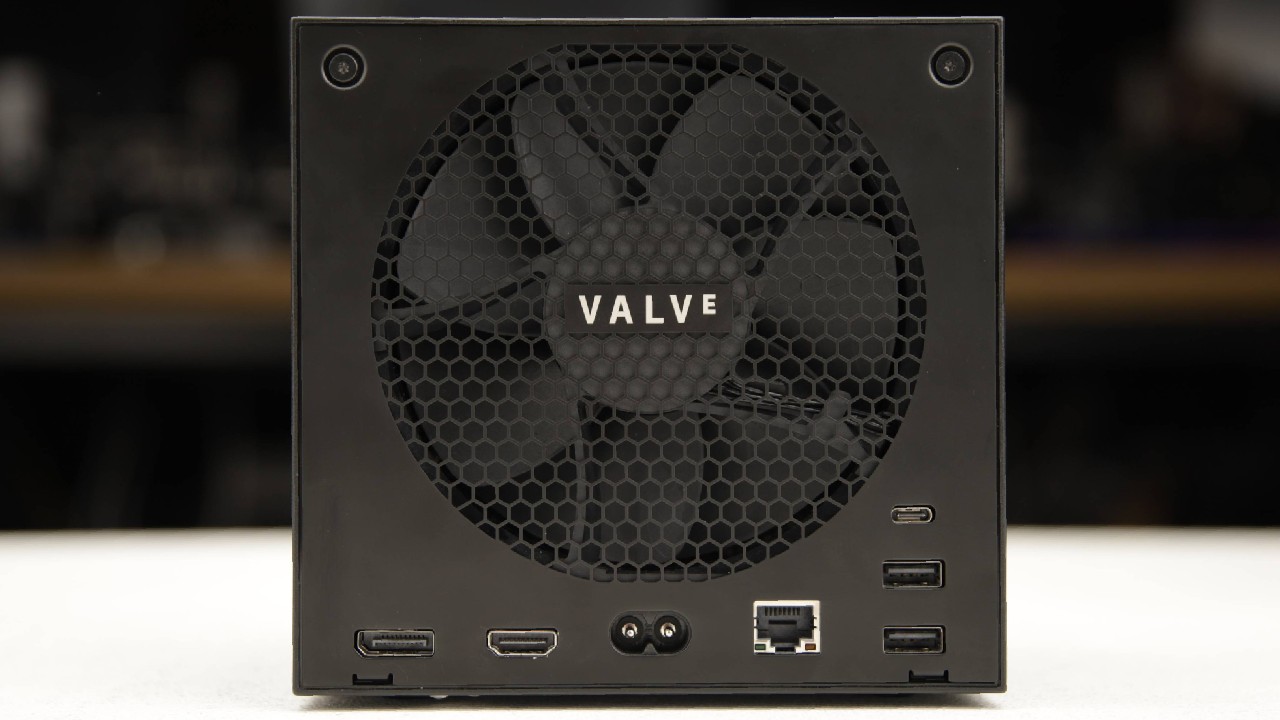
Steam Machine takes the shape of a compact black cube measuring 156mm by 152mm by 162mm and weighing 2.6kg, small enough to fit under most TVs. It ships with a magnetic, swappable front panel and a status light bar, and Valve plans to release CAD files so people can 3D-print custom panels.
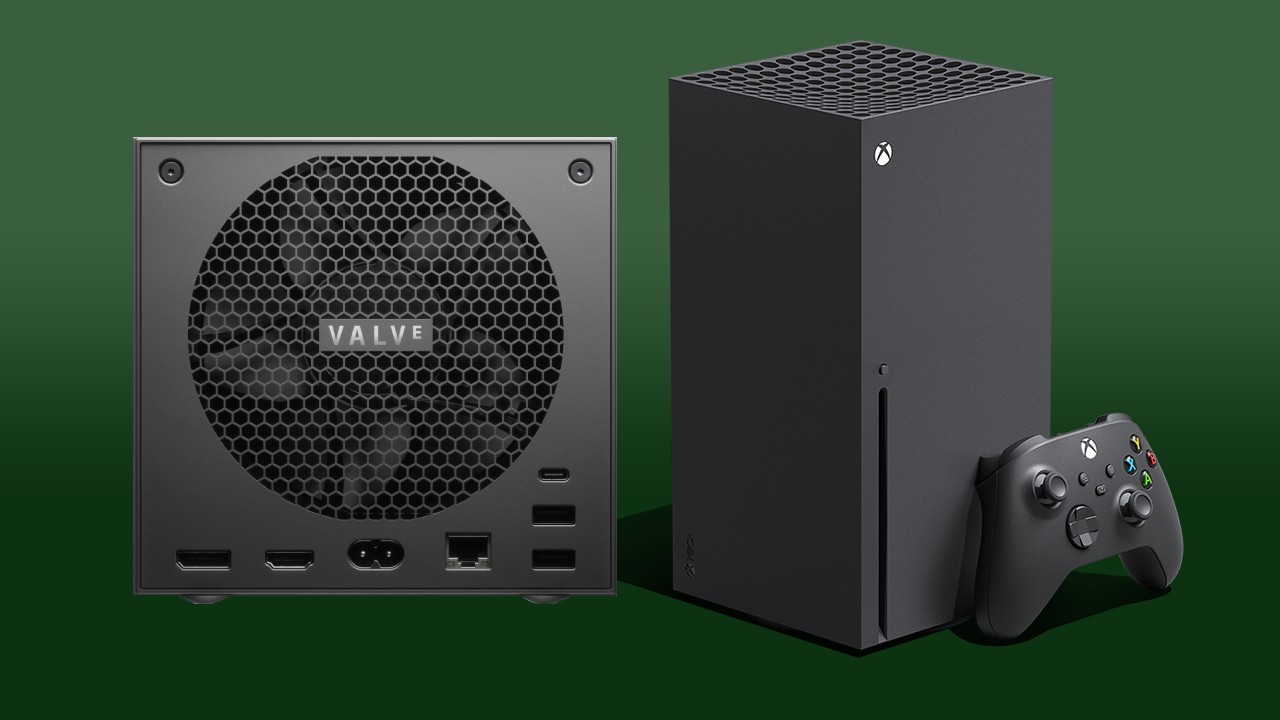
Third-party designs, including dbrand's companion cube shell, have already started appearing. Xbox Series X sticks with the taller, more traditional tower design that has been familiar since 2020. It remains functional, but nowhere near as customizable straight out of the box.
Pricing Has Shifted For Both Machines
Both devices have gotten more expensive recently, and not by coincidence. Steam Machine launches at $1,049 for the base 512GB model, climbing to $1,349 for the 2TB version, with Steam controller bundles pushing those figures to $1,128 and $1,428. Valve has attributed the pricing directly to exploding RAM and storage costs, driven largely by AI data center demand pulling from the global memory supply.
According to Valve, the device is being sold at cost rather than at a loss, a different approach than what console makers have traditionally taken. Xbox Series X currently costs $649.99, though that price has an expiration date. Microsoft has confirmed a price increase effective August 1, 2026, after which the Series X will rise to $799.99, and the 2TB Galaxy Black model will be discontinued entirely.
Microsoft has cited the same memory and storage crisis affecting Valve as the reason for the change. Once that increase takes effect, the gap between a base Steam Machine and a Series X narrows to roughly $250. That comparison would have looked out of place before this year, but it is now a genuine conversation.
Hardware Specifications Compared
As before, the Xbox Series X has a custom AMD Zen2 chip with eight cores and sixteen threads running at 3.8GHz. It also has a custom RDNA2 GPU with 52 compute units running at 1.825 GHz and delivering 12 teraflops of performance. The GPU is backed by 16GB of unified GDDR6 memory. It supports native 4K at up to 60 fps, and 120 fps in some games.
It also has much better ray tracing support than the Steam Machine. To put it simply, the Xbox Series X has more raw silicon, an architecture made for 4K gaming, and years of optimization for consoles. As a small gaming PC dressed up as a console, Steam Machine is in a completely different weight class. It relies on software techniques like FSR to close the speed gap instead of matching it with raw power.
Steam Machine ships with either 512GB or 2TB of NVMe SSD storage, and since it's fundamentally an open PC, drives can be added or swapped the way you would on any desktop. Xbox Series X comes standard with a 1TB custom NVMe SSD, expandable only through Microsoft's proprietary storage expansion cards or external USB drives.
That approach is more restrictive than the Steam Machine's open setup, though it remains plug-and-play with no PC tinkering required. If open storage upgrades without paying a markup for Microsoft-branded cards matter to you, the Steam Machine wins this comparison outright.
Software Ecosystems Diverge
This is where the real fork in the road appears, and it has less to do with specs and more to do with how you want to play. Steam Machine runs SteamOS, a Linux-based operating system that runs on a PC underneath. That means access to your entire existing Steam library, community mods, and even alternative storefronts like Epic Games or GOG through desktop mode.
The trade-off is that certain Windows-dependent multiplayer games that use kernel-level anti-cheat will not run unless developers add specific support. Valve has also confirmed that any game verified for Steam Deck automatically carries that verification over to Steam Machine, with a minimum performance bar of 1080p at 30FPS.
Xbox Series X has a closed ecosystem that is focused on the console. It is made up of Xbox Game Pass, first-party exclusives, and backward compatibility that spans multiple console generations. Putting up a competing shop is not the same thing here. You can only get what Microsoft lets you have, but that closed system makes things more consistent, since every game on the shelf is sure to work.
There is no guesswork involved in compatibility. There's no doubt that the Steam Machine is the best way to get your Steam library on your TV. If guaranteed performance from day one and Game Pass's library are more important to you, Xbox is still the better choice.
Six months ago, this comparison wouldn't have made much sense.
Steam Machine was expected to launch at around $600 and compete on value, while the Xbox Series X held its position as the established affordable option. The global memory crisis rewrote that script for both companies simultaneously. What's left is a genuinely interesting trade-off. Xbox Series X still has the best performance, the most consistent ecosystem, and the ability to be bought right away.
If you're willing to gamble on a reservation lottery and pay a premium that Valve itself says is higher than intended, Steam Machine is the best because it is open, lets you use your existing Steam library, and lets you customize the hardware. Neither option delivers the deal it would have a year ago, but if you're already bought into Steam, the Machine finally offers a legitimate living room alternative.
Editor, NoobFeed
Gaming Hardware Updates
No Data.