
Former PlayStation CEO Shawn Layden on Sony's Disc Exit
A former Sony insider breaks down the real reason behind the death of physical media, and it's exactly what you suspected all along.
News by Adeela Tas on Jul 07, 2026
You've probably already heard that PlayStation discs are on their way out, and honestly, the timing lines up with everything the industry has been signaling for years. You've watched Sony tighten its grip on the market while barely facing any real pushback, and this latest move feels like the clearest sign yet of where things are headed.
Former PlayStation Worldwide Studios boss Shawn Layden, a 32-year veteran of Sony, recently weighed in on the company's surprise call to stop producing PlayStation discs, and his comments give you a much clearer picture of what's actually going on behind the scenes.
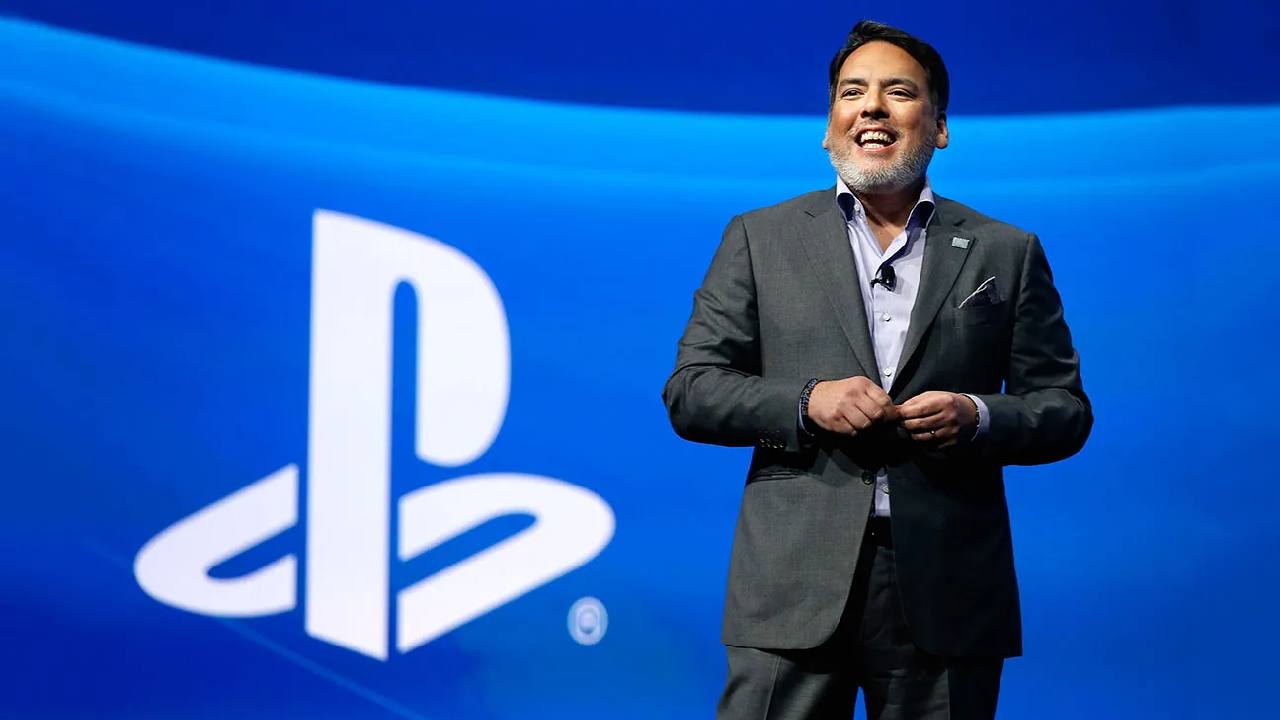
You might remember Layden from his time during the PS4 generation, an era a lot of you still look back on fondly.
Back then, Sony was leaning hard into the idea that owning a disc meant something. You could buy a copy, trade it in, hand it off to a friend, or hold onto it forever. That approach helped Sony win over a huge chunk of the gaming audience, and Layden was right there in the room when those decisions were being made.
So when he speaks on where PlayStation discs are headed now, it carries some weight, even if he's been out of the company since 2019. To be fair, Layden was upfront about not having any inside knowledge of this particular decision.
He admitted he doesn't necessarily agree with dropping PlayStation discs, and he even guessed it might simply come down to how expensive it's become to manufacture them. According to him, his opinion holds no more authority than yours does at this point, since he no longer works there.
Still, this is someone who spent decades inside Sony's walls and helped steer one of its most successful console generations, so his read on the situation is worth paying attention to. Layden explained that decisions like this usually boil down to something pretty unglamorous, a straightforward numbers game.
Executives look at how digital sales stack up against physical ones, and once that gap gets wide enough, the writing is on the wall.
He pointed out that he's old enough to remember when digital made up almost nothing of total sales, and watched that number climb steadily for years. You've lived through that shift too, especially once COVID pushed everyone further into digital habits, and rising costs across the industry have only sped things along since then.
What's interesting is that Layden says this conversation about phasing out PlayStation discs isn't new at all. He claims he fielded questions about ditching the disc drive nearly every single year for two decades while at Sony. His answer was always tied to global broadband access, waiting until download speeds were reliable enough for most of the world.
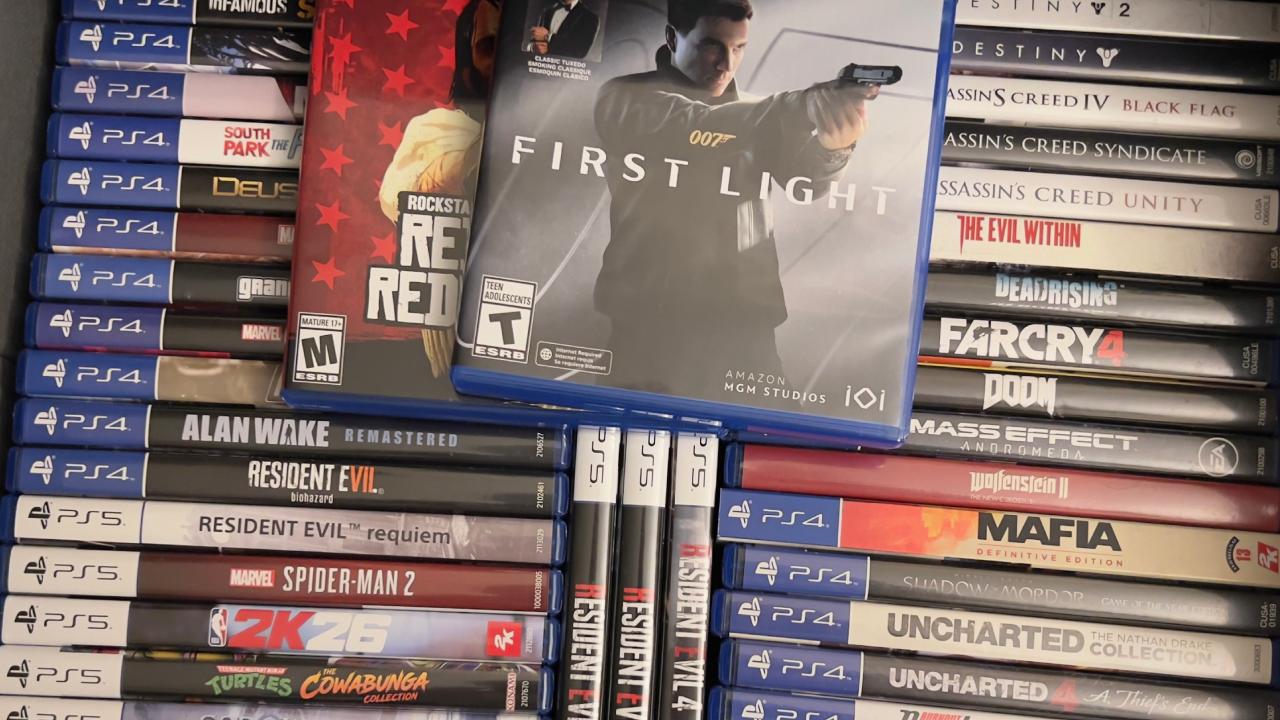
But he made an important distinction: most doesn't mean everyone. Once a company reaches a point where the majority of its revenue comes from a small percentage of its total audience, the incentive to keep supporting the rest starts to shrink fast, at least from a corporate standpoint.
That logic connects directly to something Layden brought up about players in remote or restricted locations, like military bases with no reliable internet access. During his time at PlayStation, there was real concern about leaving those players behind, since being able to pop in a disc without needing a connection actually mattered to people.
It's a strange echo of an old XBOX controversy.
Back when Don Mattrick suggested people without internet access should just stick with an older console instead of upgrading. Geoff Keighley pushed back on that idea publicly at the time, and Mattrick had to walk his comments back almost immediately. Years later, you're watching a similar situation play out, except this time nobody seems all that concerned about who gets left behind.
Layden also addressed something that a lot of fans have been arguing about since this whole situation started: whether killing PlayStation discs is really about shutting down the secondhand market. According to him, that market stopped being a major concern for Sony a long time ago.
He recalled a period, roughly two decades back, when the company put serious effort into fighting physical piracy, even publicizing footage of pirated discs being destroyed overseas. But by the time he left in 2019, that concern had mostly faded. He connected it to the decline of GameStop's business model, which relied heavily on used game sales, noting that digital's rise had already weakened that side of the industry long before this recent decision.
This part matters because it challenges one popular theory floating around. A lot of people assumed Sony wanted to kill PlayStation discs specifically to choke out resale and trade-in value. But if Layden is right, and that market had already lost its teeth years ago, then eliminating physical media isn't really about stopping secondhand sales at all. It's about something simpler: money.

Every dollar saved on manufacturing, printing, and shipping discs adds up fast at scale, and cutting that cost entirely puts more profit directly into Sony's pocket.
Combine that with the layoffs happening across the industry and the aggressive push toward AI tools meant to replace multiple employees with one, and a clear pattern starts to form. Sony isn't struggling. Sony is choosing to squeeze more out of a business that already works fine for them.
Part of why this is happening now comes down to competition, or the lack of it. Nintendo is doing its own thing entirely, largely staying out of this fight. Xbox, meanwhile, has spent years undermining its own position with weak releases and confusing strategy shifts.
Without a real competitor pushing back, PlayStation has far less pressure to keep offering consumer-friendly options like physical media. The rivalry that once forced these companies to compete for the same audience just isn't there anymore, and that lack of pressure is part of why decisions like this can happen so quietly.
None of this comes with any meaningful benefit for you as a player. You're not getting expanded backward compatibility. You're not getting your old PS3 library unlocked. You're definitely not getting cheaper games out of this. And despite saving all this money, there's no indication that Sony plans to protect jobs or stop canceling projects either.
The savings just disappear into the company's bottom line.
In response to the backlash, Sony has started doing some damage control. A new report confirms that PlayStation has told publishing partners they'll still be able to reorder existing PlayStation discs for games that were released before January 2028.
So if a title already exists physically, publishers can keep printing copies of it going forward. However, the actual ordering process for those reorders hasn't been detailed yet. As for anything releasing after that cutoff, Sony says publishers will have the option to sell physical copies that include a digital download code instead of an actual game disc, meaning the box you buy might not even contain the real thing anymore.
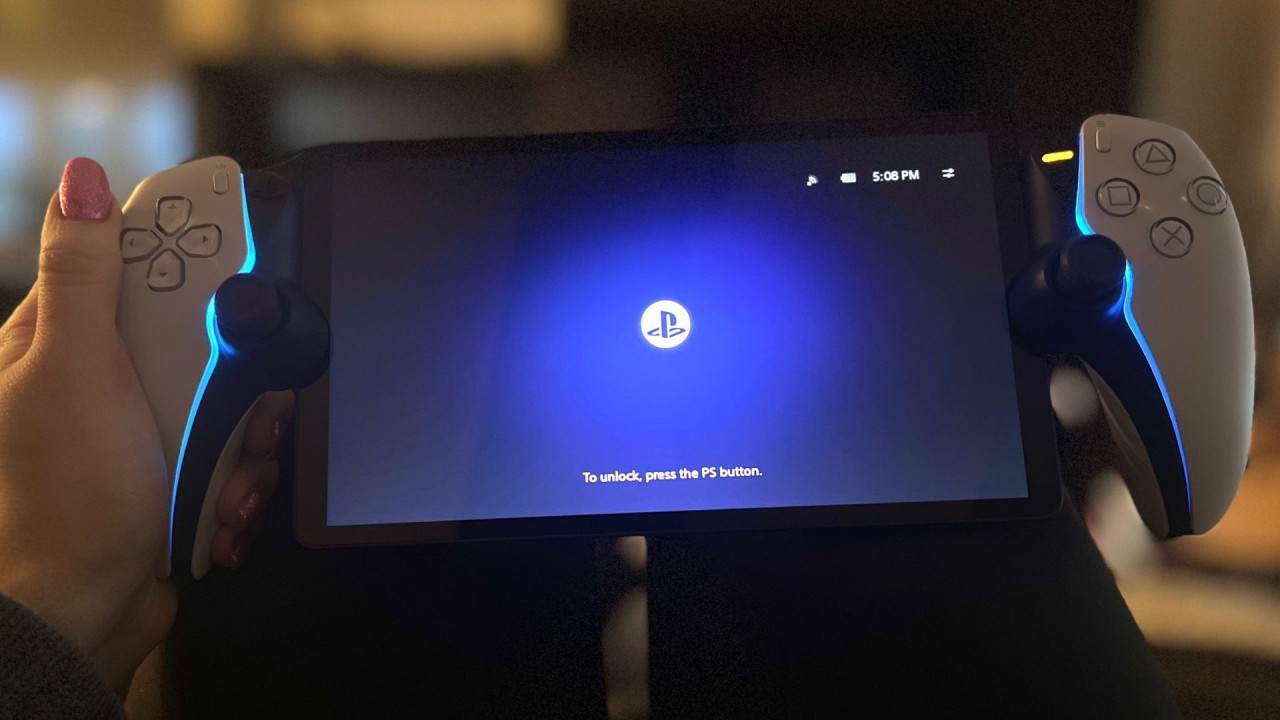
That leaves plenty of unanswered questions about what a post-2028 physical release even looks like. Whether that means a code printed on a card inside an empty case, or something else entirely, nobody outside Sony seems to know yet. What is clear is that this concession is happening because people are pushing back, and that pressure appears to be working, at least a little.
Given everything Layden has said, the picture becomes pretty easy to piece together. This shift away from PlayStation discs has been years in the making, driven largely by internal cost-cutting conversations that started long before anyone outside the company noticed.
The secondhand market, despite what many assumed, wasn't the real target here. The simplest explanation, the one that fits every piece of evidence Layden laid out, comes down to plain corporate greed. Sony sees an opportunity to save money with almost no real resistance in the marketplace, and they're taking it.
Editor, NoobFeed
Related News
No Data.