
PlayStation is Going All Digital in 2028 as Physical Game Discs Come to an End
Sony says the move reflects changing player habits, but concerns over ownership, used games, and the future of PlayStation are already dominating the conversation.
News by Tahmid Mahi on Jul 02, 2026
If you’ve been following gaming news lately, you may have noticed PlayStation and Xbox making headline after headline. Sony’s latest announcement could be the biggest yet, as it means the end of physical game discs for new PlayStation releases. All new PlayStation games released after January 2028 will be sold digitally, not on discs, Sony says
The announcement has quickly become one of the most talked-about gaming stories because many players never expected Sony to make the move this soon. For years, physical and digital purchases have existed side by side, allowing you to choose whichever format best fits your preferences.
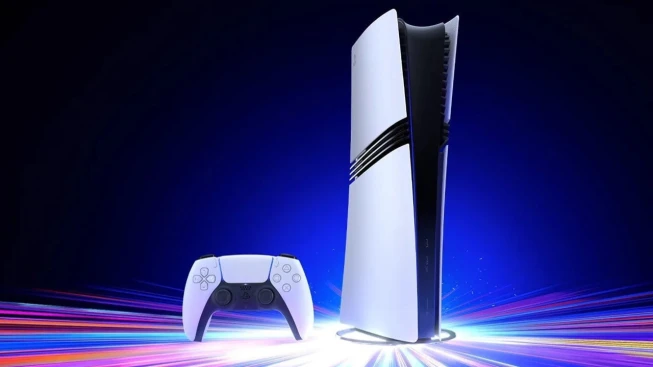
Sony explained that the decision comes as digital purchases continue to outpace physical sales across the entertainment industry.
The company said ending physical production will allow it to better align with how most players access games today while continuing to offer purchases through both the PlayStation Store and digital retailers. Sony also stated that the change will not affect games already available on disc or titles launching before January 2028.
Even if you already buy most of your games digitally, the announcement raises bigger questions than simple convenience. Many players have gradually shifted toward digital purchases because downloads are often available immediately and can sometimes arrive before physical copies. Physical copies still have advantages that digital storefronts can't always match, meanwhile.
One of the biggest concerns centers on the used game market. Physical copies can often be purchased at lower prices, traded with other players, or resold after you've finished playing them. Digital purchases don't offer those same benefits because they're permanently tied to your account.
The announcement also has implications for collectors. Some players enjoy owning physical copies simply because they want games on a shelf, while others purchase special editions alongside digital versions. Even people who mainly buy digital games often appreciate having the option to pick up a physical release for titles they thoroughly enjoy.
Sony's announcement has also fueled speculation about the next generation of PlayStation hardware.
If new physical discs stop being produced in January 2028, many observers believe that the PlayStation 6 will almost certainly be designed around a fully digital ecosystem. While Sony has not officially detailed its next console, the timing naturally leads to that conclusion. The move would represent one of the most significant changes in PlayStation's history.
The discussion extends beyond new hardware because digital ownership has become an increasingly debated topic throughout the industry. Unlike a physical disc that remains in your collection, digital purchases depend on storefronts, licensing agreements, and platform support. Those concerns have become even more noticeable whenever games or other digital content disappear from online stores.
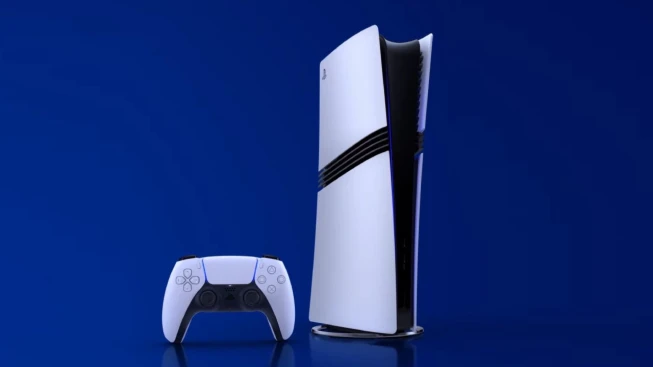
Sony's latest announcement also arrived alongside plans to gradually shut down the PlayStation Store on legacy platforms such as the PS3 and PS Vita. While previously purchased content will remain downloadable for the foreseeable future, players will eventually lose the ability to make new purchases through those older storefronts.
Supporters of digital gaming often point to convenience as the biggest advantage. You can purchase a game instantly, download it without leaving home, and switch between titles without swapping discs. Digital storefronts also let publishers release games that might not have gotten physical editions at all.
But critics say digital sales figures don’t always reflect the full picture.
Thousands of indie games and smaller releases launch exclusively through digital storefronts, leaving players with no physical alternative from the beginning. Those releases naturally increase digital sales because there simply isn't another purchasing option. That makes direct comparisons between physical and digital purchases more complicated than they first appear.
Many players also worry about what happens when choice disappears altogether. Having the option to buy either format allows you to compare prices, wait for retail discounts, or purchase used copies when they become available. Once companies stop producing physical releases, pricing flexibility becomes much more limited.
The financial side of the decision has also become part of the conversation. Digital purchases generally generate higher profit margins because companies don't have to manufacture discs, print packaging, or ship physical inventory to retailers. Removing those production costs allows publishers to keep a larger share of every sale.
Some players have compared the situation to PC gaming, where digital storefronts have largely replaced boxed releases. Others say consoles are fundamentally different, because the main purpose of a console is gaming, while a PC does much more than just gaming. That distinction continues to shape the debate over whether an all-digital future makes sense for dedicated gaming hardware.
Backward compatibility has also entered the conversation.
Players who own physical PlayStation 5 collections are beginning to wonder how future hardware will handle those libraries if discs are no longer part of the ecosystem. Sony has not announced any changes regarding compatibility beyond its disc production plans. Even so, the uncertainty has become another key issue following the announcement.
The timing has also surprised many players, as January 2028 is approaching quickly. The PlayStation 5 will likely still be an active platform when physical production ends, meaning owners of disc-based systems could eventually stop seeing new games arrive in physical form while the console remains on the market.
Whether the decision ultimately benefits players remains a matter of opinion, but it clearly marks the end of an era for PlayStation. The change reflects how most people buy games today, Sony says, but many fans feel that removing physical media eliminates an important consumer choice. The discussion around ownership, preservation, pricing, and long-term access will continue for the foreseeable future.
Editor, NoobFeed
Related News
No Data.