
Sony's Physical Games Decision Faces Fresh Scrutiny After Insider Stock Sales
Sony’s push toward an all-digital future continues to draw criticism as executive stock sales and social media backlash raise new questions about the company’s long-term strategy.
PlayStation by Tahmid Mahi on Jul 09, 2026
Sony's announcement to stop distributing physical game discs from January 2028 onwards continues to generate discussion, but recently the debate has moved on from the original announcement. While many gamers continue to argue over what an all-digital future means for owning games, another development is starting to get noticed.
Sony was largely silent in the days after the announcement concerning criticism over physical media. Instead of directly addressing the concerns of gamers, the company returned to its usual social media routine, promoting upcoming games, PlayStation Plus offerings, and new events.
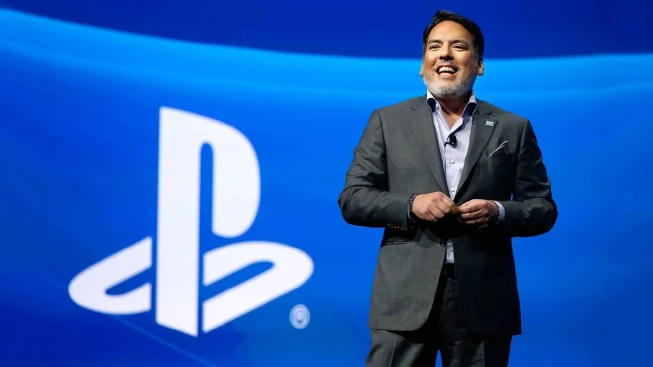
If you checked PlayStation's official accounts, you would have seen the same routine despite the growing debate in the replies.
One of Sony's more recent posts highlighted the July PlayStation Plus lineup, which includes Call of Duty: Modern Warfare III, For the King II, and Crosscode. The announcement received considerable attention online, but many of the comments had little to do with the games themselves.
That issue has become one of the biggest concerns surrounding Sony's long-term plans. As more games move toward digital distribution, many players worry that they will have less control over the products they purchase. It’s not about new releases or added subscriptions; the discussion is about ownership rights and the future of physical media.
Sony has also been pushing other titles such as The Blood of Dawnwalker, Mortal Shell, and the upcoming Apex Legends x Cyberpunk collaboration. But every new post has been met with the same complaints that followed the physical media announcement. Instead of discussing the games, many users are still criticizing Sony's overall direction and accusing the company of ignoring community concerns.
Studios behind games like Mortal Shell have become part of conversations that have nothing to do with their projects. While those developers had no role in Sony's business decisions, their games have still become targets for frustrated players simply because PlayStation continues using them in its marketing.
The same applies to PlayStation employees and presenters who appear in promotional material.
There are plenty of people who have no say in the decisions of a large corporation but are still blamed by angry users when Sony releases new content. As the backlash continues, the company seems intent on sticking to its normal marketing schedule, rather than directly responding to the controversy.
While the social media reaction has remained intense, another story has started drawing even more attention. Soon after the announcement of the end of physical game distribution, there are reports of two of Sony’s top executives offloading a significant chunk of their stock in the company.
According to reports highlighted by Insider Gaming, Sony CEO Hiroki Totoki sold approximately 225,000 shares, representing around 56 percent of his personal holdings in the company. The transaction reportedly generated roughly $4.7 million and took place only days after Sony announced its plans regarding physical game discs.
The reports also noted that Sony Chief Strategy Officer Toshimoto Mitomo sold around 25,000 shares worth approximately $525,000. Together, the two transactions have fueled speculation across gaming communities, with many people wondering why senior executives would reduce their holdings so soon after announcing a strategy that investors initially appeared to welcome.
The timing of those stock sales has become the biggest talking point.
On paper, Sony's decision to move away from physical media looked like a win for investors because digital distribution generally offers higher profit margins. Without manufacturing discs, shipping products, or sharing revenue with retailers, Sony would keep far more control over every game sold through its own digital storefront.
Every digital purchase goes through Sony's ecosystem, so no used game sales and no third-party retailers taking a cut. That sort of model tends to be viewed as more efficient by investors, which explains why Sony’s stock got an initial boost after the announcement.
However, not everyone is convinced the strategy will pay off in the long run, even with those short-term gains. Much of the concern centers on what happens after the excitement surrounding the announcement fades. If more players begin walking away from the platform or become less willing to buy games digitally, the long-term financial picture could look very different from the one investors see today.
Some of those concerns extend to PlayStation Plus as well. While there have been claims that subscription numbers remain stable, others argue the market has already reached a point where major growth is becoming increasingly difficult. Once a subscription service reaches that stage, maintaining existing users becomes just as important as attracting new ones.

Even a small drop would be noticeable. If players start canceling subscriptions or purchasing fewer games due to disagreeing with Sony’s direction, those losses may ultimately outweigh the savings created by eliminating physical distribution. Whether that happens is uncertain, but it is one of the biggest concerns surrounding the company's long-term strategy.
The criticism also goes beyond physical media. Many players argue that Sony has spent much of the current console generation making decisions that have gradually damaged consumer trust. The move toward digital-only gaming is simply the latest addition to a list of complaints that some fans say has been growing for years.
Another point frequently raised is Sony's investment in multiplayer and live-service projects.
Critics believe the company has devoted too many resources to games that many players never asked for, while some of its more traditional single-player strengths have received less attention. As those projects have struggled to generate excitement, frustration among parts of the PlayStation community has continued to build.
With the debate about game content and online discussions increasing, many players still believe that success boils down to one simple factor: quality. Most consumers ultimately care less about internet arguments and more about if a game is fun to play. Strong gameplay, engaging stories, and a polished experience remain the biggest reasons people choose to spend their money.
That perspective has become increasingly important as Sony continues promoting new releases while avoiding direct discussion of the physical media controversy. Every new social media post quickly fills with comments about ownership, digital licensing, and the future of physical games instead of the games being advertised.
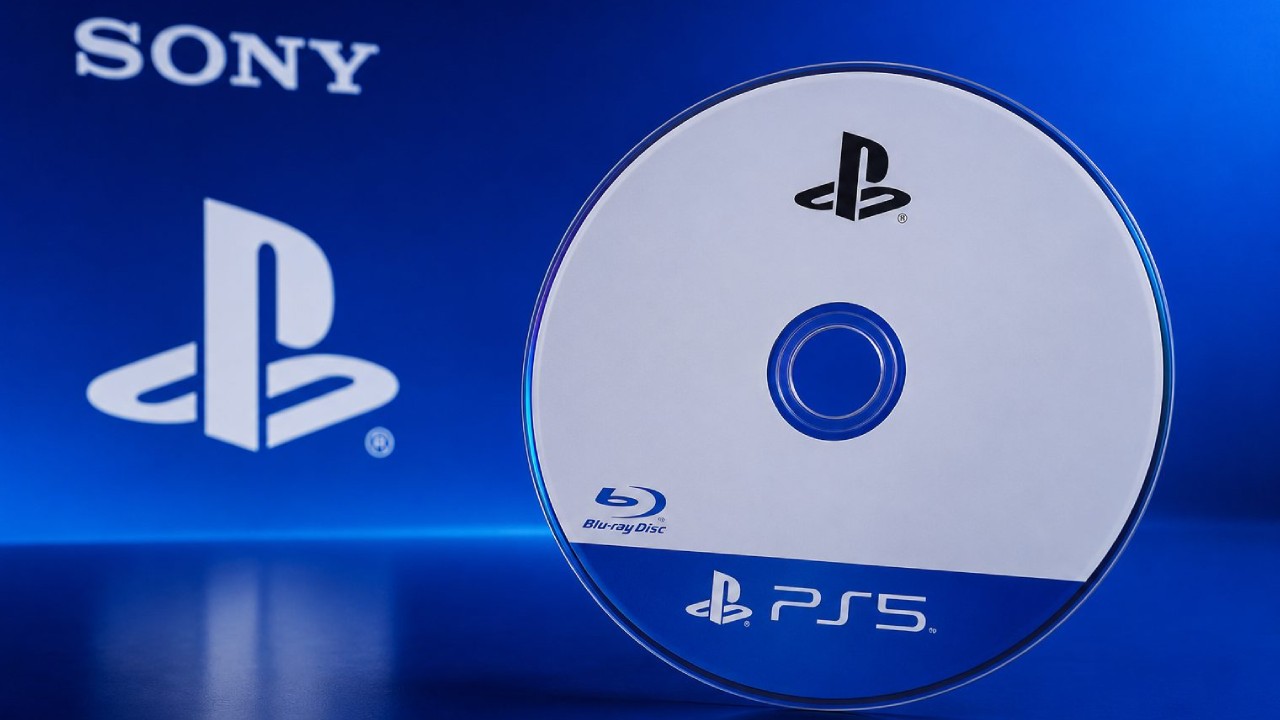
The executive stock sales have only added another layer to that discussion. While insider transactions are not unusual and can happen for many personal or financial reasons, many observers believe the timing has created an unfortunate perception. When senior executives sell their stakes soon after announcing a major strategic change, even if they’ve done nothing wrong, it’s only natural that it’s a red flag.
Sony has not publicly linked the stock sales to its decision to stop physical game distribution, and there is no evidence that the trades violated any rules. The backlash on social media, concerns about digital ownership, and the sales by executives have still given critics more to question the company’s direction.
It remains to be seen if these concerns will ultimately have an effect on PlayStation’s long-term performance, but the conversation surrounding Sony’s all-digital future isn’t looking to slow down anytime soon. Whether Sony chooses to address the criticism directly or simply stay the course, every new move the company makes is likely to face even closer scrutiny from players.
Editor, NoobFeed
Latest Articles
No Data.