
Sony is Ending Physical Discs After January 2028: How Will Gamers React?
Opinion by Arisu Taiaya on Jul 06, 2026
Sony announced this week that physical disc production for all new games releasing on PlayStation consoles will be discontinued starting January 2028.
It's a business decision that makes sense on paper. Digital sales have already crushed physical. The infrastructure is there. Younger players buy everything digitally anyway. Why manufacture discs for a market that's dying?
That's the industry perspective, and it's not wrong. But it also misses something fundamental about why people are actually angry about this.
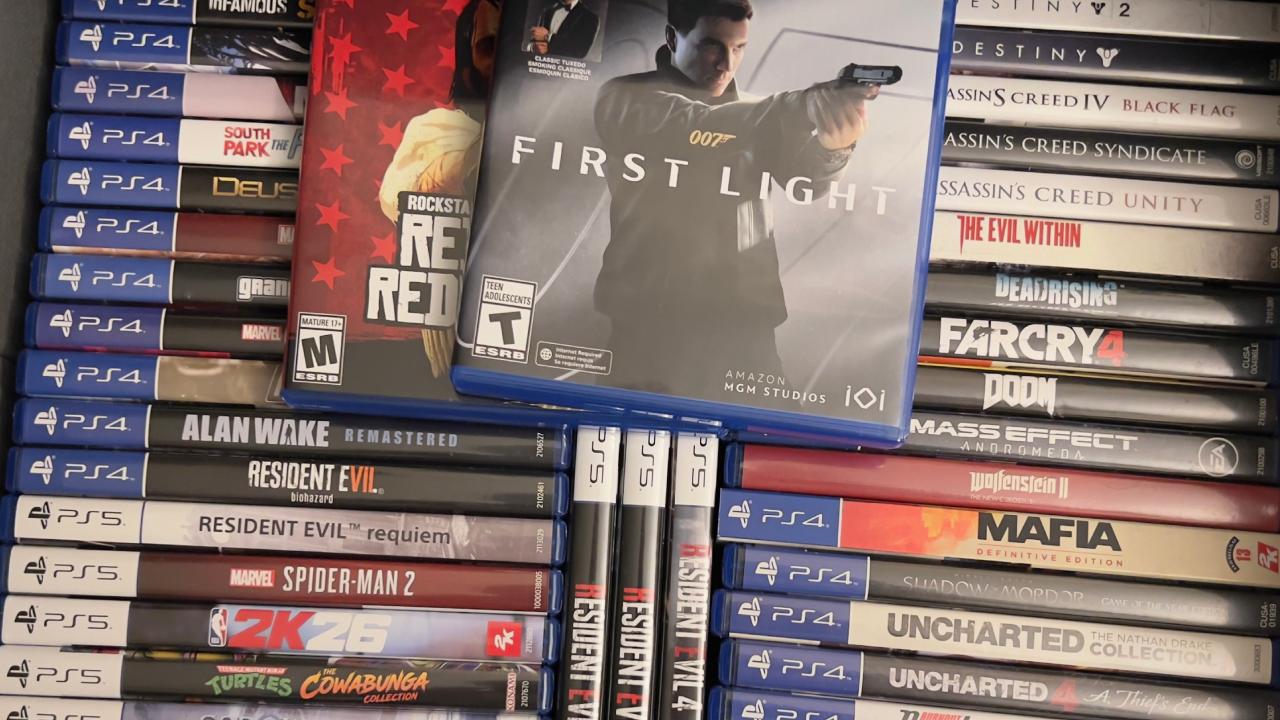
Gaming culture has shifted. Players used to buy games to disappear into them. You'd load up Final Fantasy VII or Ratchet and Clank and lose entire weekends to someone else's story.
Ownership mattered because the game was yours in a way that mattered. You could keep it, trade it, lend it to friends, revisit it years later. The physical disc was proof of that ownership.
Now? Players buy games to compete. They want to be the best in Valorant. They want to climb the ladder in Overwatch. They want to participate in esports, stream their gameplay, build an audience, and even bet on tournament winners with some of the best online casinos in the US putting live odds on matches.
The game isn't an experience you own. It's a platform you access. It gets patched constantly. It changes based on what pro players are doing. The story matters way less than the meta.
Digital distribution is perfect for that world. Instant updates, frictionless multiplayer, constant balance changes. But it also means you never actually own anything. You're renting access. And Sony just announced that's going to be the only way to access games going forward.
The anger isn't really about discs. It's about control, pricing, and what happens when a company owns every part of the transaction. Here’s why we think players will be so disappointed with the decision.
The Nostalgia Element
Forget convenience. The death of physical discs marks the end of a cultural ritual that defined gaming for nearly three decades.
The snap of a disc case opening. The hum of a disc drive spinning up before a game launches. Midnight releases where players gathered outside retailers for the simultaneous moment of purchase. Walking out of a shop with a brand new release in hand, knowing it was entirely yours.
Digital ownership removes friction. Games download instantly. Your library is accessible from any console you own. You'll never lose a disc to scratches or damage. Everything lives in the cloud, permanent and retrievable.
But it also removes ceremony. Digital games appear in a menu. They download silently. The moment of ownership is a notification on a screen. For millions of players, especially those who grew up during the PlayStation 2 and even early Xbox eras, that loss is genuine and worth acknowledging, even if the industry has decided it's expendable.
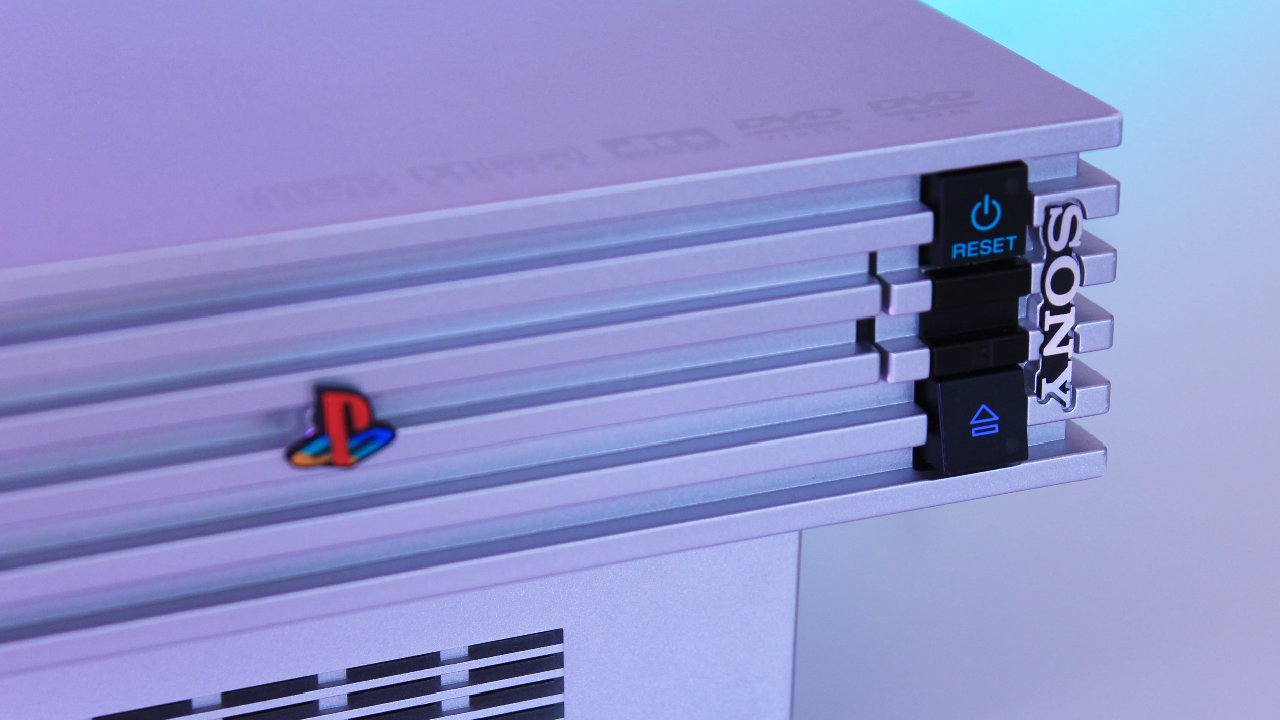
Sony Holds All the Cards
Once physical media disappears, Sony's control over the PlayStation ecosystem becomes nearly absolute. They set the prices. They determine availability. They decide when to discount. There is no competition from physical retailers undercutting digital storefronts.
This matters more than it sounds. Dynamic pricing is already common in digital storefronts, where games cost different amounts in different regions. Seasonal sales exist, but they're controlled entirely by publishers and platforms.
Pre-owned games, which provided genuine affordability for budget-conscious players, will effectively vanish. Once that happens, the only way to play is whatever price Sony and publishers decide to charge. History suggests that price will not decrease.
Your Library Isn't Safe
This announcement is almost certainly the first domino in a broader shift away from physical media entirely. Blu-ray disc production will face the same argument Sony is making now, that digital is the future, distribution costs matter, and physical media is obsolete.
Millions of people use their PlayStation as their primary Blu-ray player. Once Sony stops supporting disc playback, the entire physical movie ecosystem faces the same fate.
The question that follows isn't whether publishers will force players to rebuy games digitally. History provides the answer: yes, absolutely.
Game preservation becomes a real concern. We've already seen publishers delist games from digital storefronts due to licensing expiration, music rights infringements, or simply because they're old and not profitable. Once physical copies disappear, there's no backup. No way to preserve the original version of a game.
Pricing Should Drop, But Probably Won't
Digital distribution eliminates entire categories of cost. No printing. No packaging. No shipping. No distribution to retailers. No retail markup. Manufacturing and logistics costs that exist for physical media simply vanish in the digital-only model.
By every rational measure, digital games should cost less than their physical counterparts. The cost structure is fundamentally different.
Yet digital games remain priced at 70 dollars while physical copies cost the same. The savings went to publishers and platforms, not players.
This will push price-conscious players toward PC, where platform competition between Steam, Epic, GOG, and others creates genuine price wars and frequent sales. The PlayStation Store has shown no interest in competing on price. Once physical media disappears entirely, there's even less reason to. Without a competitor undercutting them, digital storefronts control the market completely.
The Reaction Will Be Predictable and Loud
Gamers will respond in waves. First comes nostalgic frustration from players who treasured the ritual of physical ownership. Then fear about losing access to libraries. Then anger at pricing control and the absence of competition. Then concern about preservation and what happens to games when publishers decide they're no longer profitable.
Some players, especially younger ones who've grown up entirely digital, will barely notice. They already buy digitally. This changes nothing for them. But for millions of others, this represents the end of something that mattered. Not just the convenience of owning physical games, but the entire cultural infrastructure built around them.
Make no mistake: this is the first true, irreversible death of physical gaming. The industry will feel the shockwaves for years. Not because physical sales are huge anymore. They aren't. But because eliminating them removes the last check on platform power and pricing control.
Once this precedent is set, the industry won't look back. And unlike previous shifts in gaming, there's no alternative format waiting to replace it.
Moderator, NoobFeed
Latest Articles
No Data.