
Gallipoli— BlackMill Games’ Best WW1 Shooter Yet With Brutal Combat Mechanics
BlackMill Games takes its historical shooter series to the Ottoman fronts with larger battles, new movement and weapon mechanics, and a greater focus on making you feel like one soldier in a brutal war.
News by Tahmid Mahi on Aug 20, 2026
BlackMill Games has spent years developing its own style of World War I shooters, and Gallipoli feels like the next major evolution of that formula. After getting early hands-on time with the game during a special event, the experience suggests that the title could be the strongest game the studio has made so far.
You still get the historical identity that has defined the developer's previous games, but the overall experience feels more responsive, detailed, and brutal. The battlefields are larger and more varied, while several new mechanics change how you move, fight, and survive.
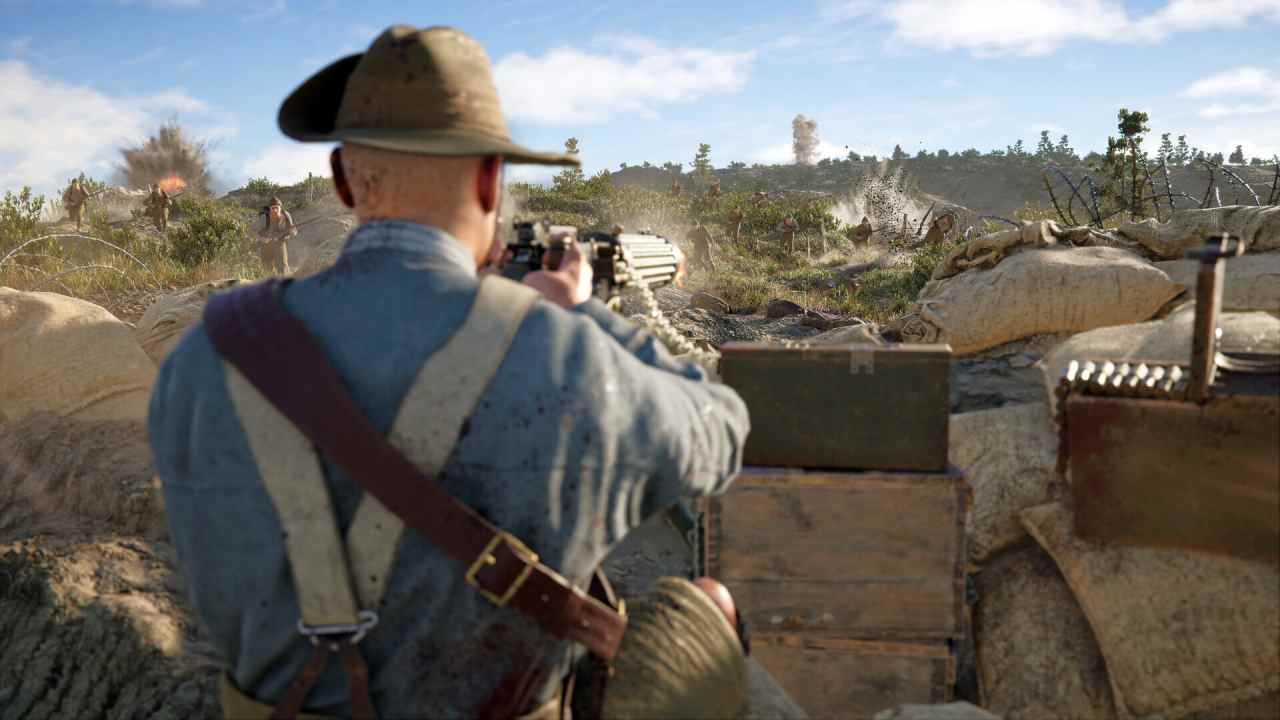
That does not mean BlackMill has abandoned what it established with its earlier games.
In fact, Gallipoli builds directly on the ideas that made Verdun, Tannenberg, and Isonzo stand out from other military shooters. Rather than chasing whatever shooter happens to be popular, the studio has continued developing its own specific style of World War I combat.
Verdun was built around the Western Front, while Tannenberg moved the series into the Eastern Front. Isonzo then took you into the Alpine warfare of the Italian Front, giving the series another distinct setting with its own terrain and challenges. Now, Gallipoli moves into the Ottoman front, allowing BlackMill to explore another part of the First World War.
That historical focus has always been one of the most noticeable parts of BlackMill's games. However, the studio also understands that historical accuracy does not mean much if the game itself is not enjoyable. Gallipoli therefore tries to balance its interest in history with multiplayer gameplay that remains accessible.
The game takes you across the Gallipoli Peninsula and Mesopotamia as soldiers from the British and Ottoman Empires. You can find yourself landing at Anzac Cove at dawn, attacking Cape Helles, fighting around Kut Al-Amara, and moving between trenches, fortified positions, and exposed terrain.
Crossing what looks like a short distance can become extremely dangerous when enemy soldiers have clear lines of sight. You might be safe behind a fortified position one moment and suddenly have to expose yourself to reach the next objective. That makes positioning critical, especially because the game's lethality is so high.
Gallipoli sits somewhere between an accessible multiplayer shooter and a more hardcore military experience.
You do not have to spend half an hour learning complicated keybinds before you can participate in a battle, but you also cannot run around absorbing half a magazine like you might in Call of Duty. Most accurate shots can put a soldier down immediately. Bolt-action rifles are common, automatic weapons are more limited, and getting caught in the wrong position usually means that you are going to die.
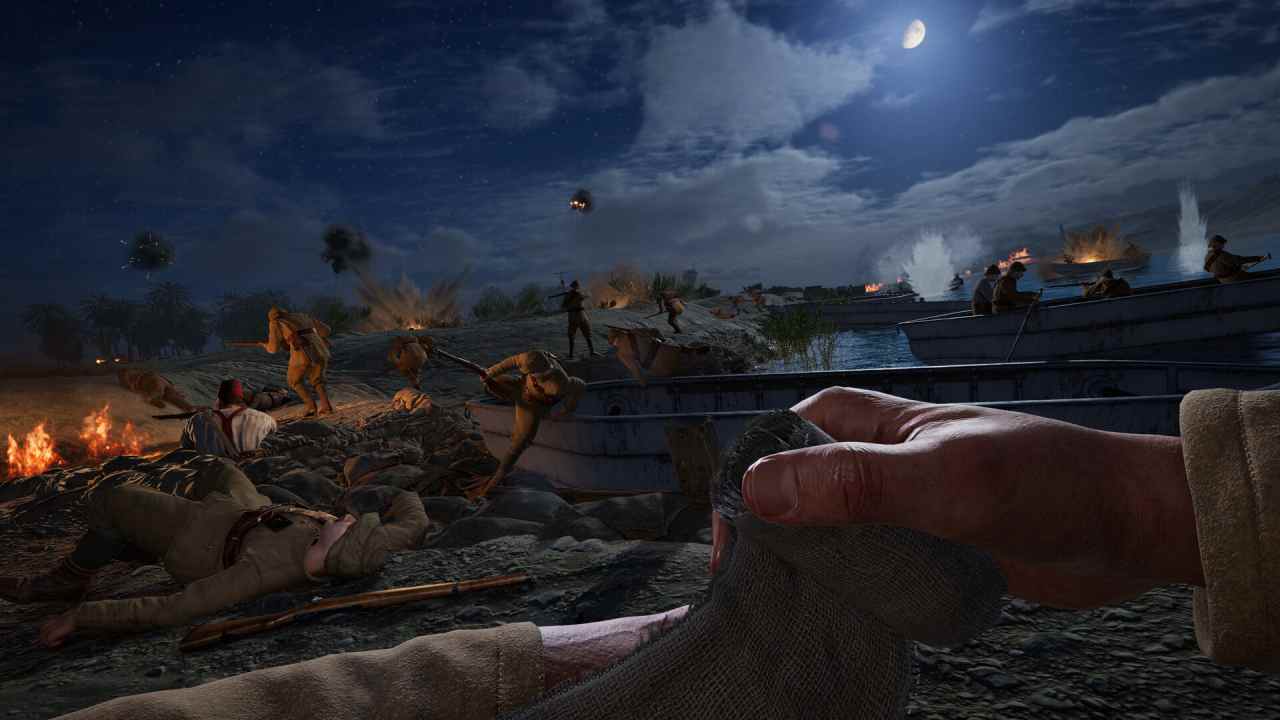
That balance makes the battles particularly unpredictable. You can spend several minutes carefully moving with your teammates and trying to reach the next position before everything suddenly turns into chaos. Machine-gun fire can begin cutting across an opening while artillery starts landing around you.
Eventually, someone makes a push, and several players follow. Within seconds, you can go from sitting behind cover to fighting inside an enemy position at extremely close range. These moments are spontaneous and feel more natural and memorable.
Gallipoli is based around 50 player battles, with 25 players fighting on one side against another team of 25. The game also includes 10 historical classes, each designed to perform a different role. Officers can lead, snipers can engage important targets, heavy machine gunners can control areas, and stretcher bearers can help keep wounded soldiers alive.
The redesigned squad structure reinforces that idea. You are placed into five-player squads, with different classes available depending on the squad's composition. This means the players around you can have a direct impact on how effectively you approach a situation. You are not supposed to feel like one superhero running through the battlefield alone.
The primary expedition mode brings many of these systems together. Attackers attempt to push through different sectors while defenders try to use their limited reinforcements to stop them. If you are familiar with Battlefield's Breakthrough mode, the basic idea should be easy to understand.
Attackers have a main headquarters objective they must take, but secondary objectives can provide useful advantages.
These may give attackers forward spawning opportunities or allow them to remove something valuable from the defending team. Attackers can also recover reinforcement tickets by completing certain actions during a battle. Because of this, matches do not necessarily follow exactly the same rhythm every time, and teams have more opportunities to change the direction of a fight.
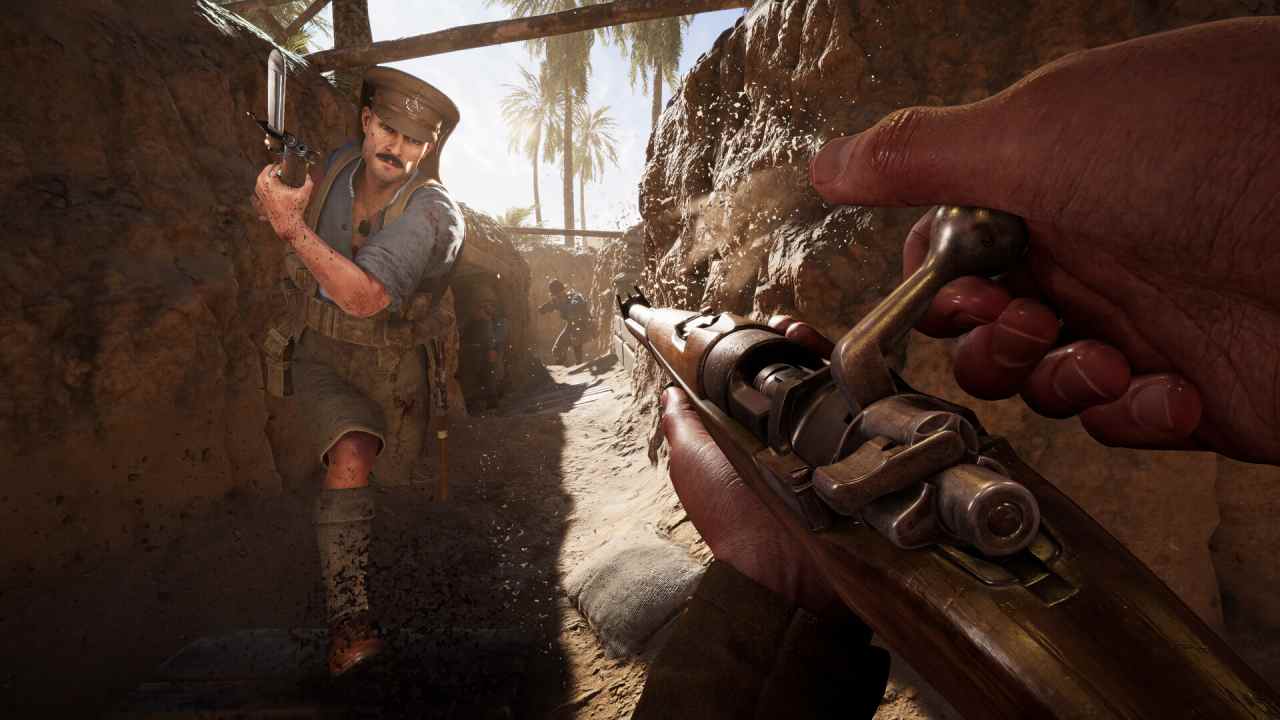
Movement has also been redesigned to make Gallipoli feel more flexible and responsive. Full stamina can now give you a short burst of faster movement, while running out of stamina does not suddenly make it impossible to move quickly. You can continue moving at a reduced pace even after exhausting your stamina.
The changes become especially useful during trench warfare. You can also sprint while crouched and even faster while prone, so you can reposition yourself without having to keep standing up and exposing yourself to enemy fire. When you read about them, these might seem like small changes, but in the actual battles, they become much more important.
Weapon handling has also received significant attention. Gallipoli introduces the idea that your soldier is not a perfectly functioning weapon platform that performs every action without being affected by what is happening around them.
Suppression can now directly influence how you handle your weapon. If bullets are flying past your head while you are trying to reload, the pressure can slow the reload and may even contribute to your weapon jamming.
Weapons also have individual reload behaviors and animations, adding a bit of a more unpredictable human element to combat. You might find yourself struggling to reload while rounds are flying around you instead of smoothly completing the animation every time. That creates a sense of discomfort that fits the game's overall approach.
That philosophy affects nearly every part of combat.
Many shooters make your character feel powerful at all times, allowing you to survive huge amounts of damage and quickly eliminate enemies. Gallipoli instead makes you feel vulnerable and forces you to respect the battlefield. If an explosion goes off beside you, it can shock your view and throw off your aim.
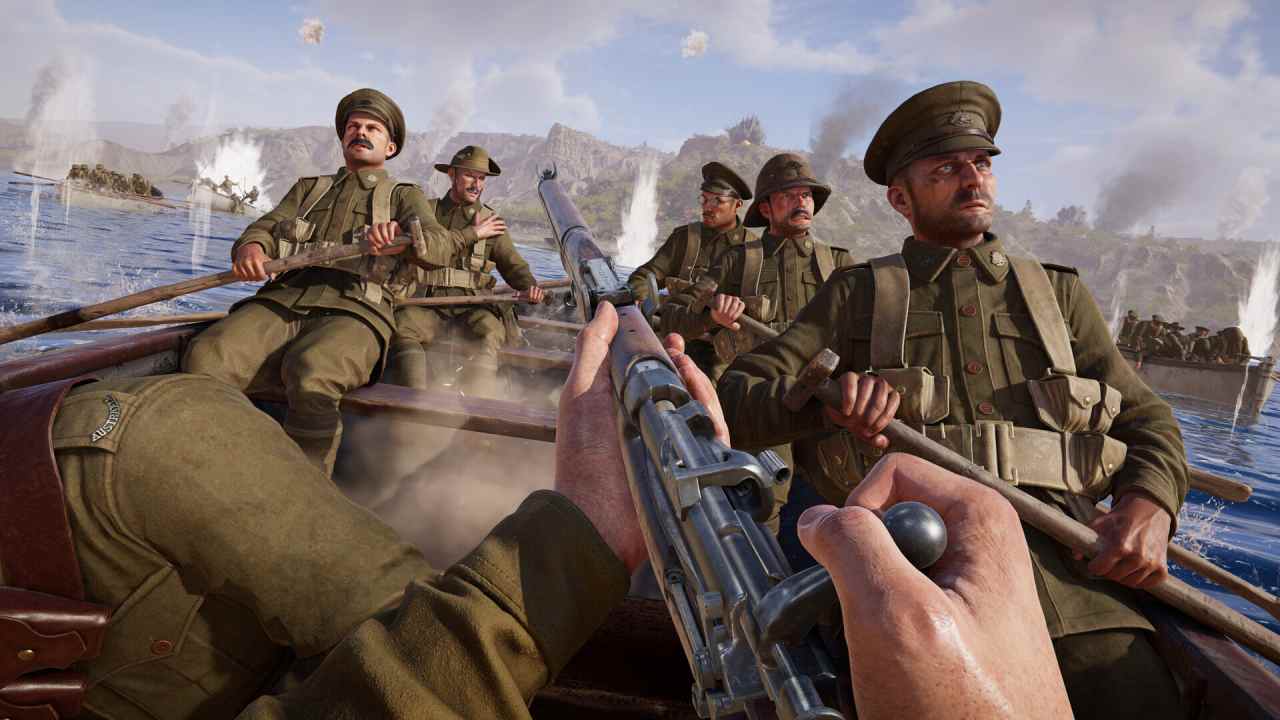
Heavy machine guns can become especially frightening once a player establishes a strong position. Running across the line of fire can seem almost impossible because you know that trying to run through it might be suicide. The audio adds even more weight to these situations.
That combination of sound and fast lethality means you have to constantly pay attention to your surroundings. Gunfire is not simply background noise, because it can help you understand where the danger is coming from. Artillery can force you to change position, while machine-gun fire can make an entire route too dangerous to use.
The gore is also fairly brutal, particularly when artillery is involved.
Explosions can severely injure or kill soldiers, reinforcing just how vulnerable everyone is on these battlefields. The violence is not simply there to make the game look more extreme. It helps communicate the consequences of standing in the wrong place at the wrong time and makes the battlefield feel less forgiving.
After years of building games around different fronts of World War I, BlackMill Games appears to be using Gallipoli to refine almost every part of its formula. You still have the historical focus and high-lethality combat that define the series, but they are now supported by more flexible movement, redesigned squads, expanded objectives, and more detailed weapon mechanics.
Gallipoli does not need to completely reinvent BlackMill Games' formula to stand out. Instead, it takes what worked in Verdun, Tannenberg, and Isonzo and pushes those ideas into another part of the First World War. With its larger battles, dangerous open terrain, brutal weapons, and emphasis on teamwork, the game appears to offer another strong entry in the studio's historical shooter series.
Editor, NoobFeed
Related News
No Data.