
Modern Warfare 4 Details You Might Have Missed: Weapons, DMZ Plans, and Big Mode Changes
New developer responses reveal weapon tuning, DMZ progression systems, PvE clarification, and how Ground War is being reshaped around the new map structure.
News by Mahi Araf on Jun 12, 2026
You have probably noticed there has been a steady flow of information about Modern Warfare 4 lately, and if you have not been keeping up every single day, it is easy to miss some of the smaller but important details. Over the past few days, a bunch of developer responses and community posts have filled in more of the picture, covering everything from weapon feel to long-term mode plans to how progression systems in DMZ will work.
One of the first things you have seen is some early gameplay footage from Infinity Ward's "From the Ward" showcase. Even though the clip is short, it gives you a quick look at first-person sniping in Modern Warfare 4. The reaction from the community was immediate, especially regarding how slow the aiming-down-sights speed felt on the sniper rifle.
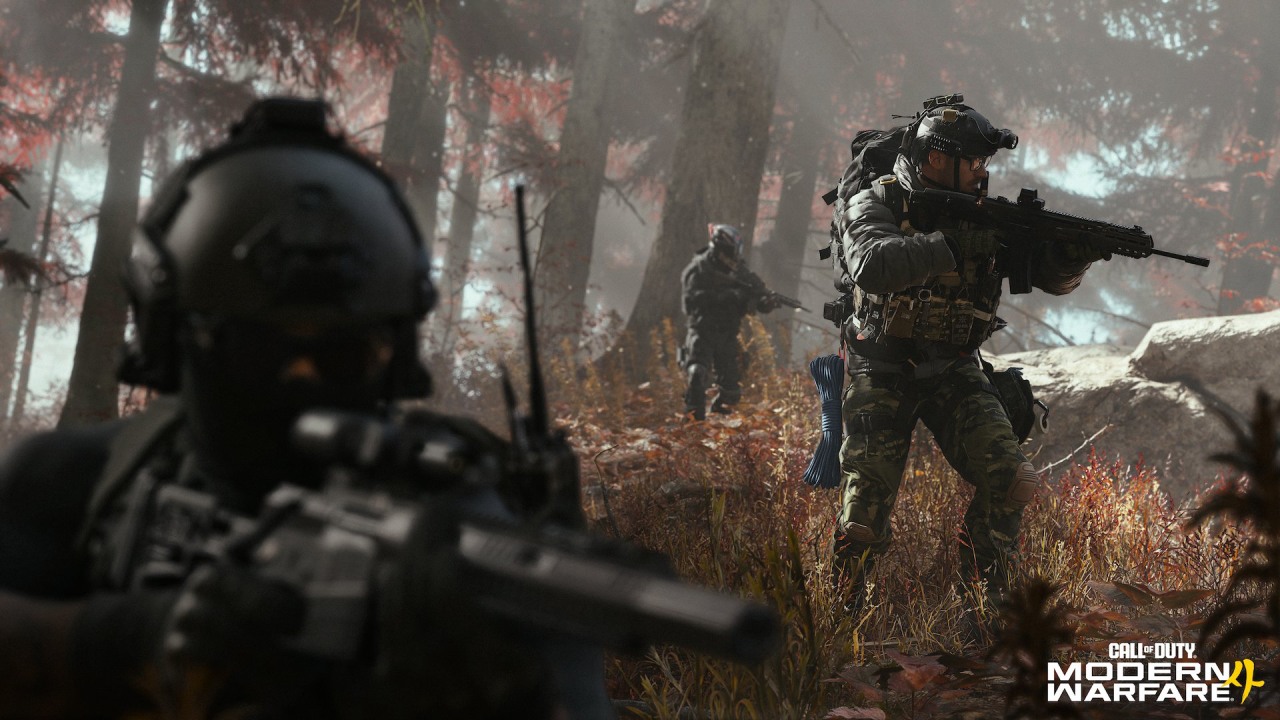
One response noted that the ADS speed felt sluggish, raising concerns about how the weapon might feel in actual gameplay.
That was quickly addressed by the Call of Duty community account, which explained that the weapon shown is a heavy sniper built for deep bullet penetration. You are essentially looking at a high-impact, high-penetration weapon class rather than a quick-scope style rifle.
At the same time, developers have made it clear that nothing shown so far is final. Weapon speeds, handling, and mechanics are still being tuned, meaning what you are seeing in early footage is not necessarily what you will get on day one of Modern Warfare 4.
From there, attention shifts to the DMZ and one of the more discussed systems: the Forward Operating Base (FOB).
This has been a point of confusion because some players assumed it would function like a full social hub similar to older Call of Duty headquarters-style spaces. Developers have now clarified that the FOB is essentially a physical representation of your progression. As you earn XP, you upgrade the FOB and unlock more functions tied to your account and squad.
You will be able to manage your stash, customize loadouts, craft gear, track missions, upgrade weapons, and recover operators through this system. This is not just a menu screen; this is a living space that grows with the time you put into it. It begins quite simply, almost bare-bones in the early versions. As you progress and gather materials, you unlock new stations, upgrades, and crafting options bit by bit.
It has also been compared to a workshop-style system where your base slowly grows over time. Instead of being a fully populated social hub, it's more of a personal progression space for you and your squad. While there is interaction within your team, it is not a shared open area filled with other players.
Another major topic tied to DMZ is long-term support.
Odds are you've heard the debate over whether DMZ will live on after its initial release cycle, or if it'll go the same way as before and eventually see support wane after the main game year. This time, there are louder signs that the approach could be different.
Infinity Ward leadership has responded carefully to questions about multi-year support, stating that more information will be shared later. While that is not a full confirmation, the wording and timing have led to speculation that DMZ is being positioned as a longer-term pillar rather than a short-lived mode.
Based on developer sentiment and early internal comments, there is clear interest in keeping DMZ active over multiple years, potentially making it more closely aligned with Warzone in terms of ongoing updates. Alongside that, there are also early hints about progression systems inside DMZ, particularly around grindable content.
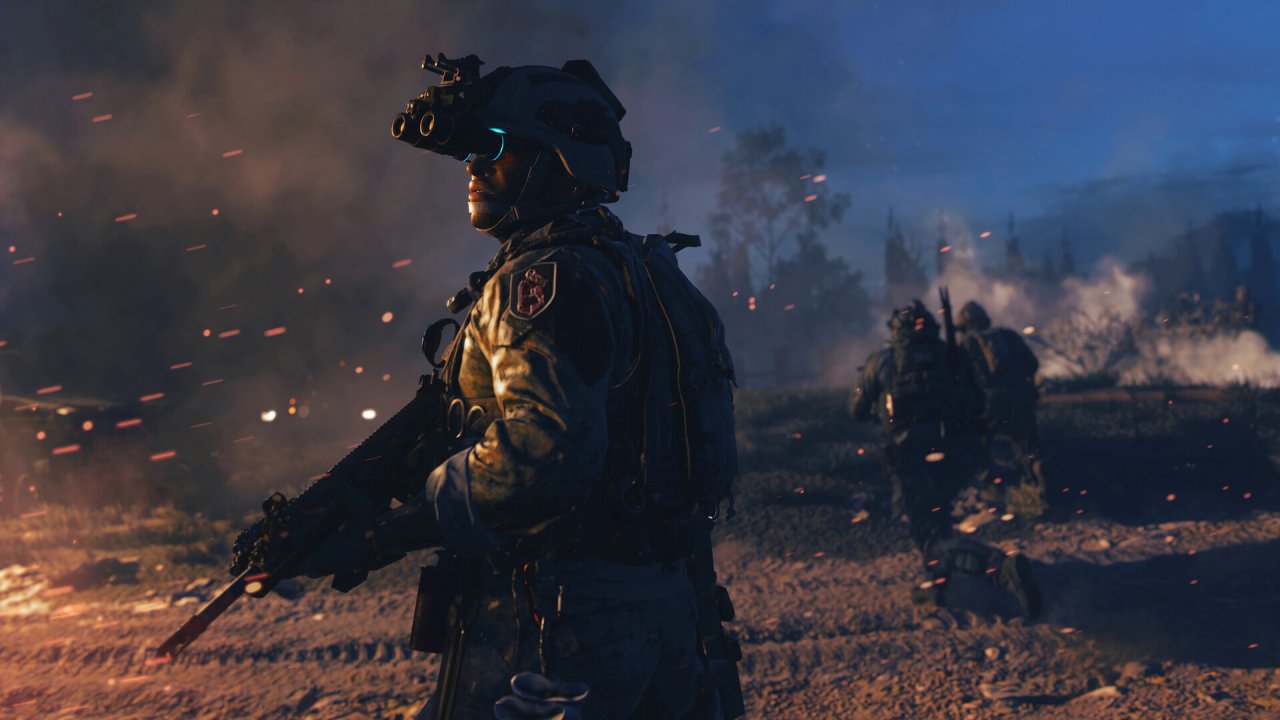
You have seen comments from developers suggesting RPG-style progression will be part of the experience, including rank systems, skill traits, and deeper customization paths. One of the more interesting teases came when a developer responded to a question about camo challenges in DMZ with an "eyes" emoji, which is widely interpreted as a quiet confirmation.
That suggests you could be looking at separate camo grinds specifically designed for DMZ.
Instead of sharing progression entirely with multiplayer, DMZ may offer its own set of long-term unlocks, potentially similar to previous experimental systems like Serpentine-style rewards. You'd have another layer of progression that goes beyond normal gameplay loops and keeps you engaged for longer periods of time.
At the same time, a big debate has raged over how DMZ deals with player encounters, namely PvP versus PvE. A lot of players have been concerned about whether they will be forced into PvP situations or if a PvE-only experience will exist. Developers have now addressed this directly.
DMZ is designed around PvPvE, meaning both players and AI exist in the same world.
However, it is not built to force you into constant PvP combat. You are not required to eliminate other players to complete missions, and many objectives focus entirely on PvE gameplay, such as story missions and dynamic operations. These systems are designed to give you different ways to play depending on your approach.
You also have the freedom to choose how you interact with other players. Depending on the situation, you can communicate, avoid conflict, or engage with real operators if you run into them. There are even mechanics for reviving downed enemy operators, if both parties are willing to cooperate.
However, there is no guarantee that every encounter will stay peaceful, since other players always have their own intentions.
This means you will not be locked into a pure PvE version of DMZ, but you also will not be forced into PvP every time you deploy. Instead, the experience is built around player choice and situational decisions, which preserve the extraction-style tension.
On the multiplayer side, there is also a major reveal about the large-scale mode, which you have probably known as Ground War in previous Call of Duty titles. In Modern Warfare 4, this mode appears to be referred to internally as "big war," although it functions very similarly to Ground War.
The important detail here is how the maps are being designed. These large-scale multiplayer maps are being built around points of interest from the DMZ map known as Hajin. That means you will see familiar locations from DMZ reworked into multiplayer battlegrounds.
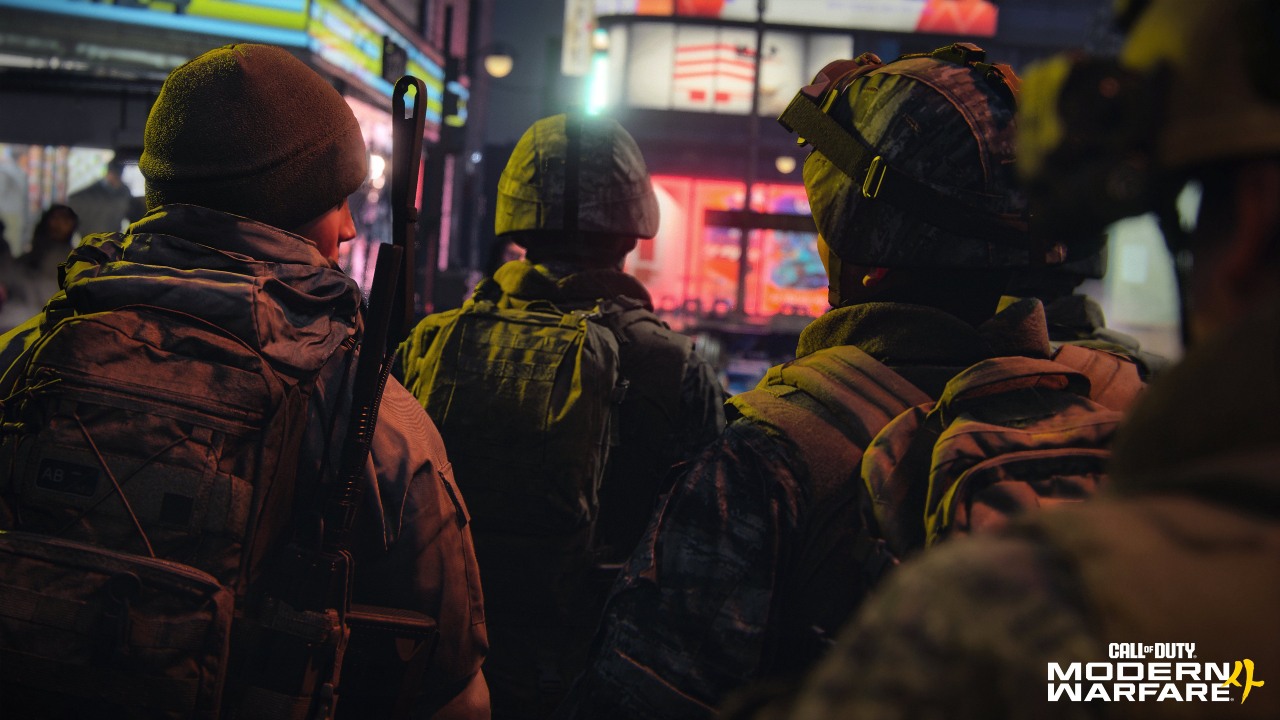
This follows a similar approach to what you saw in Modern Warfare 2019, where Ground War maps were based on areas from Verdansk. You had locations like Downtown and other recognizable zones adapted into large multiplayer spaces. The same idea is being applied again, but this time with Hajin acting as the central map for multiple modes.
For you, this means the environments you learn in one mode will carry over into others.
Knowing certain buildings or sightlines in Ground War translates directly to DMZ and potentially other large-scale modes if you spend time exploring them. There is a sense of familiarity throughout the game, with the same places appearing in different situations depending on how you are playing.
At the same time, there is still an expectation that each mode will have its own identity, so while maps may overlap, gameplay objectives and structure will still differ between multiplayer, DMZ and other experiences.
Taken together, it paints a clearer picture of how Modern Warfare 4 is coming together. You're looking at a game where weapon tuning is still being worked out, progression systems are getting more layered, and DMZ is being set up as a major long-term experience, not a short experimental mode. At the same time, large-scale multiplayer is being closely tied to the same world map structure, creating more connections between different parts of the game.
As more details emerge, it is clear that many of these systems are still being refined, but the direction is becoming clearer: more persistence, more progression, and more shared world design across modes in Modern Warfare 4.
Senior Editor, NoobFeed
Related News
No Data.