
Why the New XBOX Ad Plan Has So Many Gamers Concerned?
Microsoft's new ad-supported cloud streaming test aims to improve accessibility, but critics fear it could become the first step toward advertisements becoming a regular part of gaming.
News by Wasbir Sadat on Jul 27, 2026
Microsoft is testing an ad-supported version of XBOX Cloud Gaming that lets a restricted group of XBOX Insiders stream games they own for free in exchange for seeing ads. The move is being billed as a way to expand access to gaming, but the announcement has already raised fears about the industry's future.
The service, which is now available only to XBOX Insiders, provides one-hour streaming sessions. Before each session begins, gamers are shown a commercial, after which they can play uninterrupted for the hour. Microsoft stressed that the advertising won't stop gaming and participation in the initiative is totally voluntary during the trial phase.
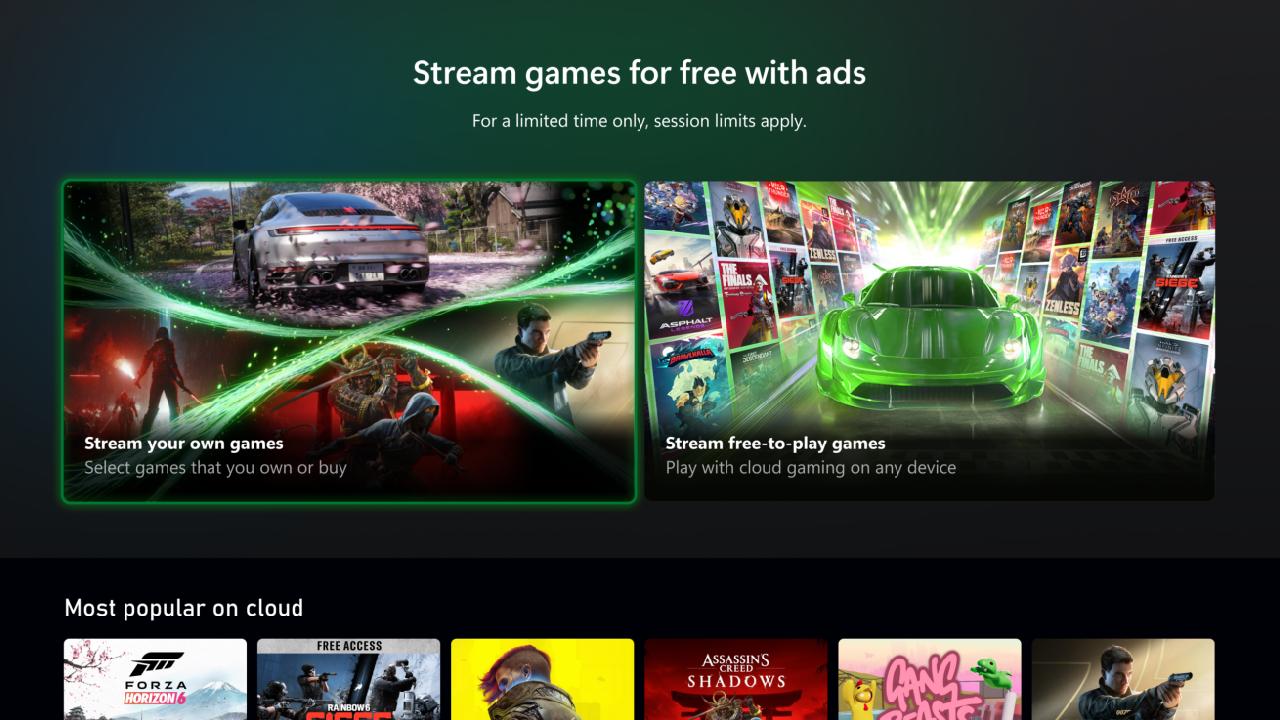
On the surface, the premise is similar to ad-supported streaming services that have become increasingly ubiquitous in entertainment.
It also follows a strategy previously established by GeForce Now, meaning XBOX is not the first studio to experiment with adverts as a trade-off for lower-cost cloud gaming access.
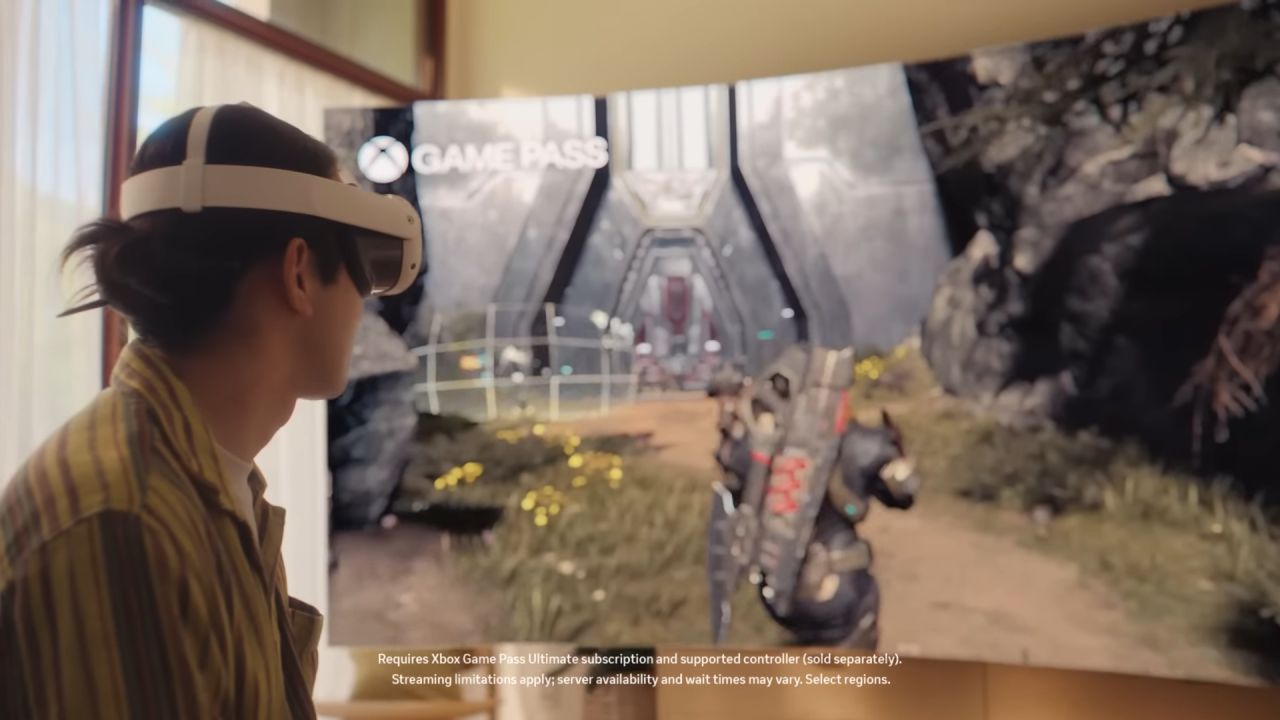
The approach could give a realistic means for many, especially those without newer gear, to sample contemporary XBOX games. Owners of the XBOX One can already play games made for the XBOX Series X|S through cloud gaming, and Microsoft says an ad-supported tier will extend that opportunity to even more gamers, particularly in places where consoles are costly or hard to come by.
But for all its short-term advantages, the program has prompted doubts about where the model may ultimately go. Microsoft says ads would only be shown before gameplay, but many players fear this could be the basis for more aggressive advertising methods in the future. It’s not necessarily that the implementation of today would be a problem, but what might happen years from now.
If players get used to watching a short ad before they start a game, companies might try their luck with more frequent interruptions over time. Many criticize the idea, saying that having ads pop up in the middle of long boss battles or intense multiplayer matches would totally kill immersion, and fans are already making jokes about it.
Gaming has historically been seen differently from television or video streaming. Once a player purchases a game, the expectation is that the experience belongs entirely to them. Bringing ads into that environment, even when not actively playing, is worrying to some that ownership and uninterrupted play may gradually take a backseat as cloud services grow.
Many players also point to existing examples of in-game advertising, such as sponsored billboards in sports titles or open-world games, arguing that while these advertisements have existed for years, they remain part of the game's environment rather than interrupting the player's experience directly.
Microsoft has detailed many guidelines for the test, including that adverts should generate value for gamers, never disrupt gameplay, properly identify promotional content, and meet the same quality requirements as XBOX content.
The company says the effort is intended to reduce the barrier to entry while giving more people access to games without requiring a cloud streaming subscription upfront. The company also argues that advertising has been part of gaming for a long time, from product placements to free-to-play business models, and that when done carefully, it can help reduce costs and expand the audience for games.
However, many remain wary about those claims. As services transform the way corporate communications are delivered, many stakeholders feel that promises made during early testing phases are not guaranteed to reflect how a platform will function several years down the road. What begins as a consumer-friendly feature can gradually become a standard business practice.
Microsoft’s claim that ad-supported streaming helps to reduce the cost of access is another topic of disagreement. This is technically true for users who opt for the free version, but some players are wondering whether these kinds of initiatives eventually lead to lower prices across the industry.
Skeptics point out that the gaming industry has made repeated promises to customers that new business models would eventually lead to cheaper gaming, yet costs have mostly continued to grow. The shift toward digital purchasing, for example, was often advertised as a way to lower costs by removing production and retail overhead. Yet, game prices have continued to increase despite those reductions.
And big publishers have continued to plow hundreds of millions of dollars into blockbuster productions, decisions chosen ultimately by the firms themselves, not customers. Some gamers are not sure that adding more monetization options, including ads, will actually save them money.
The bigger worry is that new revenue sources seldom replace old ones. Instead, they often exist alongside rising prices. Membership services have followed a similar path, beginning with low-cost or free ad-supported choices, then steadily increasing membership rates while continuing to incorporate ads in cheaper levels.
That history has prompted some players to assume ad-supported cloud gaming could go the same way.
Today's one-hour advertisement requirement could eventually become more frequent if the model proves successful and consumers accept it without significant resistance. Microsoft's test is limited in scope for now. Ads are only shown before streaming sessions begin, gaming is uninterrupted, and participation is absolutely optional. For those just looking for cheap access to XBOX games in the cloud, this functionality could be a useful alternative.
Even still, the announcement has revived a far bigger discussion about the future of gaming ownership, commercialization, and user expectations. Many players care less about the current implementation than the precedent it sets for years to come.
If ad-supported cloud gaming becomes widely accepted, other publishers and platform holders could eventually adopt similar systems or even push them further. Whether EA, PlayStation, Nintendo, Square Enix or others ever extend advertisements beyond watching them before a session is anyone’s guess, but it’s now something to discuss.
For now, Xbox's experiment represents an optional accessibility feature. Whether it stays that way — or becomes the first step toward a future where ads are all over gaming — will largely rely on user input and how the industry chooses to progress in the coming years.
Contributor, NoobFeed
Related News
No Data.