
Stranger Than Heaven Director Details 50-Year Combat Evolution
From a fighting style built around your own hands to 50 years of weapon mastery, here's what the team was aiming for.
News by Adeela Tas on Oct 25, 2026
If you've been curious about what went on behind the scenes of Stranger Than Heaven, the game's director has now explained a lot of the thinking that shaped it. He talked through the fighting, the story, the time periods, the mini-games, and the weapons, and almost all of it comes back to one idea: you're living a single man's entire life from start to finish.
Start with how you'll actually fight. Stranger Than Heaven's combat system is unlike anything the studio has built before, and that goes back to its early leads. In the Yakuza series, Ichiban Kasuga fights alongside his friends, so the team gave him an RPG-style setup. Kiryu is the toughest guy in town, so you can flatten people right away.
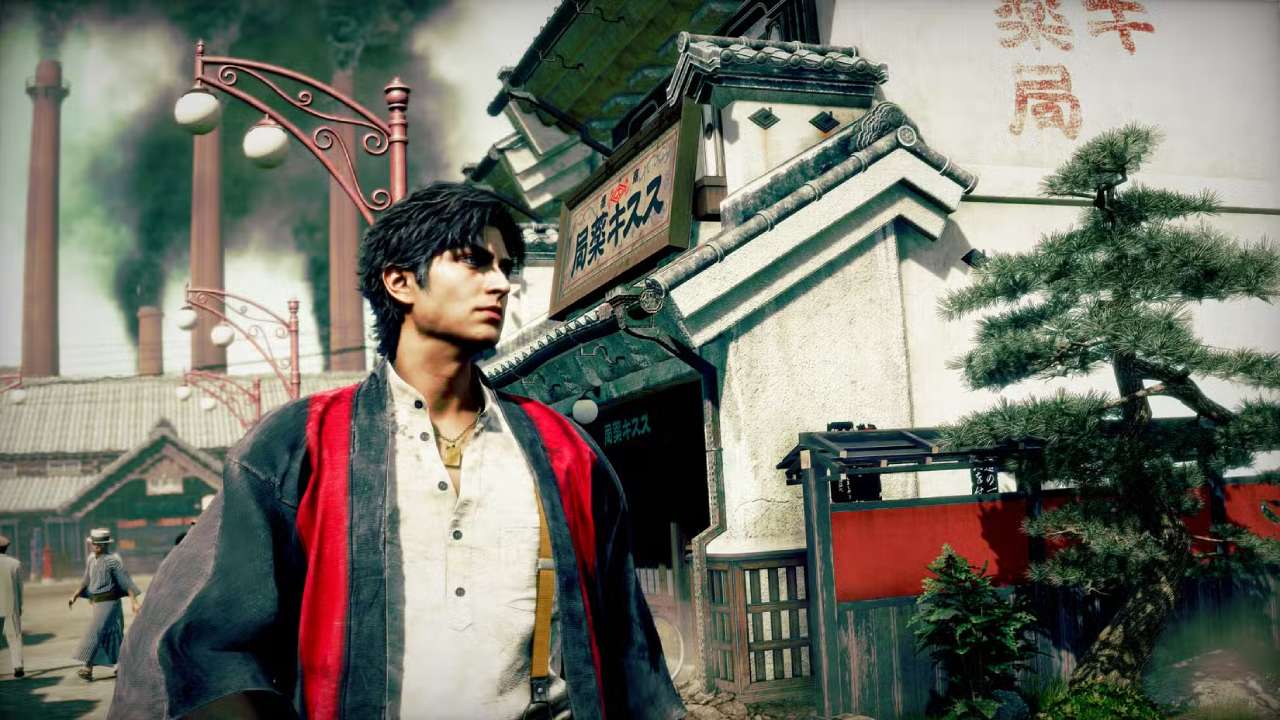
This time, the lead doesn't start out strong.
Makoto Daito doesn't even know how to fight at the start, and the team wanted to show how someone gets better at something over a lifetime. They figured fighting is no different from anything else you learn. That meant building something new instead of reusing an old formula.
A big part of that was making you feel connected to him. The developers wanted a kind of sync between you and Makoto, which mattered because the whole game is built around his 50-year journey, and they hoped you'd sink into that one life. To get there, they needed a combat system that felt intuitive, and mapping punches to the X and Y buttons didn't feel that intuitive.
Instead, they landed on the left and right bumpers to represent his left and right hands. They reasoned that matching your controller to his body would make everything click faster. The decision to tell a whole lifetime comes from something the team kept coming back to while working on their earlier games. They always wondered who would start a crime organization like that, and why.
To explore it, they created a mixed-heritage character who arrives in Japan with nowhere to call home. They felt that wanting somewhere to belong is a strong enough motive to carry a story. A short timeframe, like a single week, was too limiting to show it properly, so they settled on a man's entire life to explain what drives someone to build a place of their own. That's the foundation of Stranger Than Heaven, and it shapes everything else.
This is where the Tojo Clan comes in.
Trailers have already shown that Makoto Daito ends up creating it, and it becomes the franchise's biggest Yakuza organization. The director describes the Tojo Clan as the home he builds for himself, and that's the theme the team wanted to dig into. Anything deeper than that, he says, drifts into spoiler territory, so he left it there. For anyone following the Tojo Clan's rise, that's the starting point to keep in mind.
The director also drew on his own life. He didn't write the script, but he directed the motion-capture and voice-recording sessions, drawing on personal experience. He lived in America and Australia before returning to Japan, so he knows what it's like not to be sure where home is.
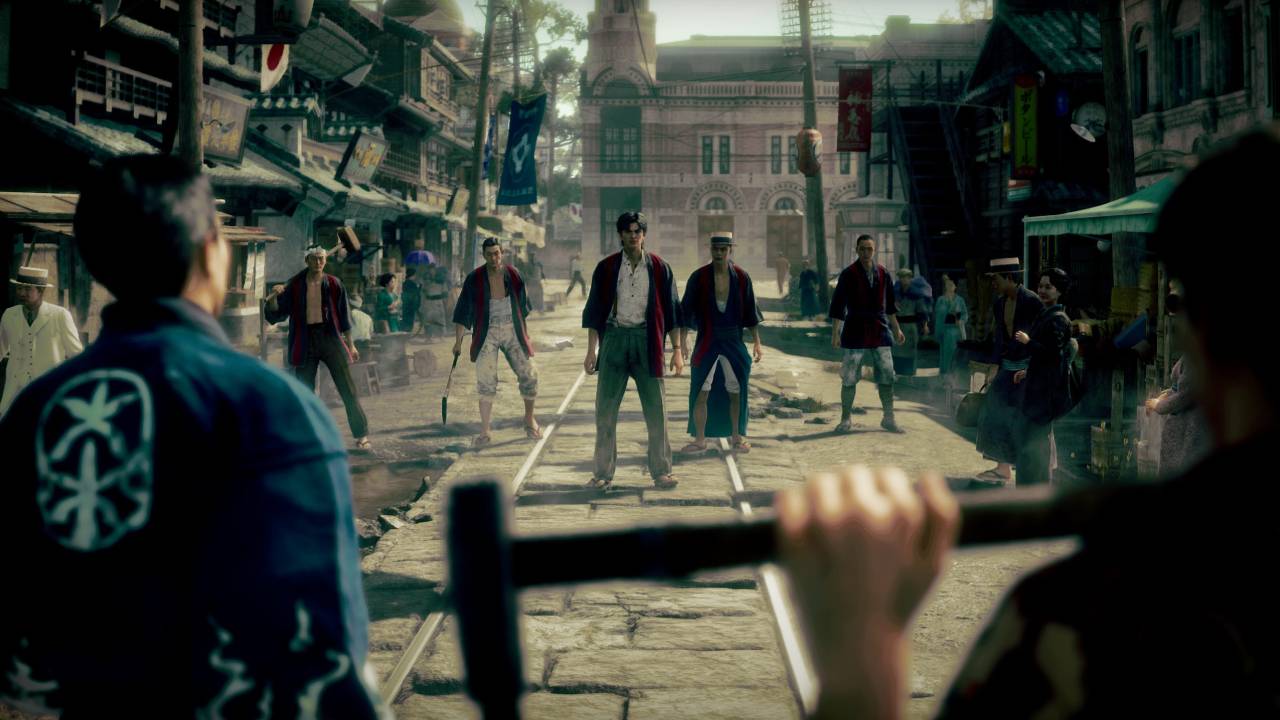
He quickly points out that violence isn't part of his story. Even so, that feeling helped him understand every thought Makoto would have in each situation Stranger Than Heaven throws at him. He also credits Yu Shirota, the actor who plays Makoto, who lived in Spain before returning to Japan and knows that feeling too. For the team, that shared understanding was a powerful tool for telling the story.
It doesn't have to be dramatic to hit home, either. Starting at a new school or a new job means starting from zero, and most people go through something like that at some point. It might not involve language or race, but the core of it is familiar to almost everyone, and he believes that's why Makoto's struggle connects with players. The setting follows the same logic.
The story opens in 1915 Kokura, one of Japan's largest industrial cities at the time, so it made sense for Makoto to step off a ship there.
The team also knew from the start that Stranger Than Heaven would end in 1965 Shinjuku, which left the job of connecting the dots between those two points. One stop along the way is 1929 Kure, a city in Hiroshima best known from the film Battles Without Honor and Humanity.
The team built on that, gave Kure the game's largest Yakuza organization, and explored what happens when Makoto gets pulled into it. The full route runs through 1915 Kokura, 1929 Kure, 1943 Osaka, 1951 Atami and 1965 Shinjuku, and every city and era was chosen purely for story reasons.
The mini-games are tied to the setting too. The director knows the studio's games have a reputation for packing in side activities, but he says they're there to show you what a particular city and era felt like. In a modern setting around 2012, karaoke and pachinko fill that role. Going back to 1915 Kokura meant starting with research, since nobody really knows what everyday life looked like back then.
The team picked a handful of well-known pastimes that could represent each period, so the mini-games shift from city to city, with some added and others dropped along the way. They also tweaked them a little, because old games on their own wouldn't hold up against what people play today. One example is the knife hand game, which was apparently all the rage in 1915.
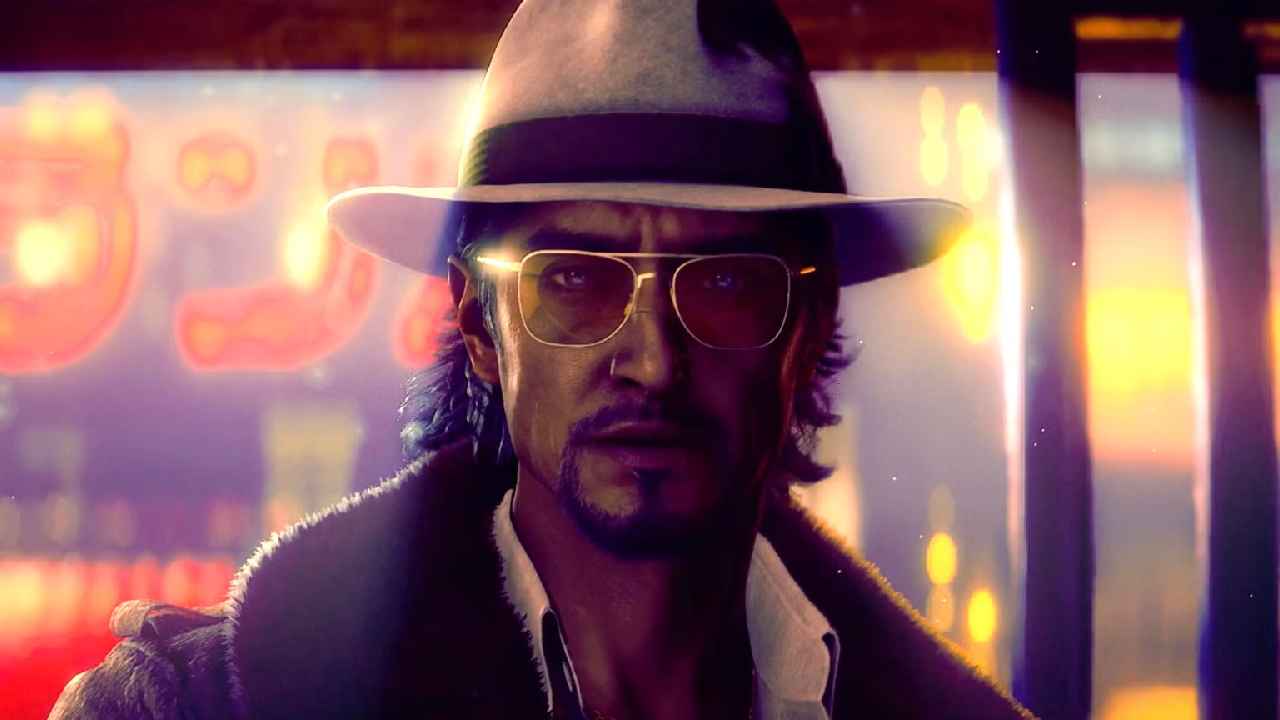
He admits he can't say everyone was playing it, but there's a record of someone doing it, and that was enough for the team to include it. Weapons follow a similar approach. They picked weapons to fit the era, but another influence was the team's desire to return to ninkyo, a Japanese term for gangster-themed movies and books that peaked in cinema during the '70s and '80s.
After watching plenty of ninkyo films, they noticed how raw the fighting looks, with characters grabbing everyday items and swinging them without any real skill.
That's the feel they wanted for Stranger Than Heaven's combat system, which is why you'll swing crowbars and kitchen knives instead of purpose-built weapons. There's a sword too, though he points out that Japanese households back then often kept one as decoration, and the whole idea sits inside the ninkyo spirit.
He's upfront that it isn't strictly historically accurate and leans a bit video-gamey. In 1915, the groups that later became Yakuza organizations weren't called that yet. They handled things like port patrols and helped out at the ironworks, so the team asked what an ironworker would grab in a fight, and the easy answer was a crowbar.
What excites the director most about Stranger Than Heaven is showing one life over many years. Makoto speaks both English and Japanese, so the team wanted you to hear his Japanese improve as the story moves along, and to notice his sense of personal space and the way he talks to people change.
They focused on that during motion capture for cutscenes and in-game characters. He also ages, and the team made sure you can tell, choosing how energetic or tired he comes across at different points. It was hard to pull off, but it gave the director room to experiment, including with fighting.
With 50 years to work with, anyone could master something, so the team lets you decide what Makoto gets good at.
Stick with one weapon for a long time, and you'll unlock skills and new moves for it. Say you choose a kitchen knife. You don't even have to buy a new one, and by the end, Makoto Daito is basically a knife master. How the combat system grows will differ from player to player.
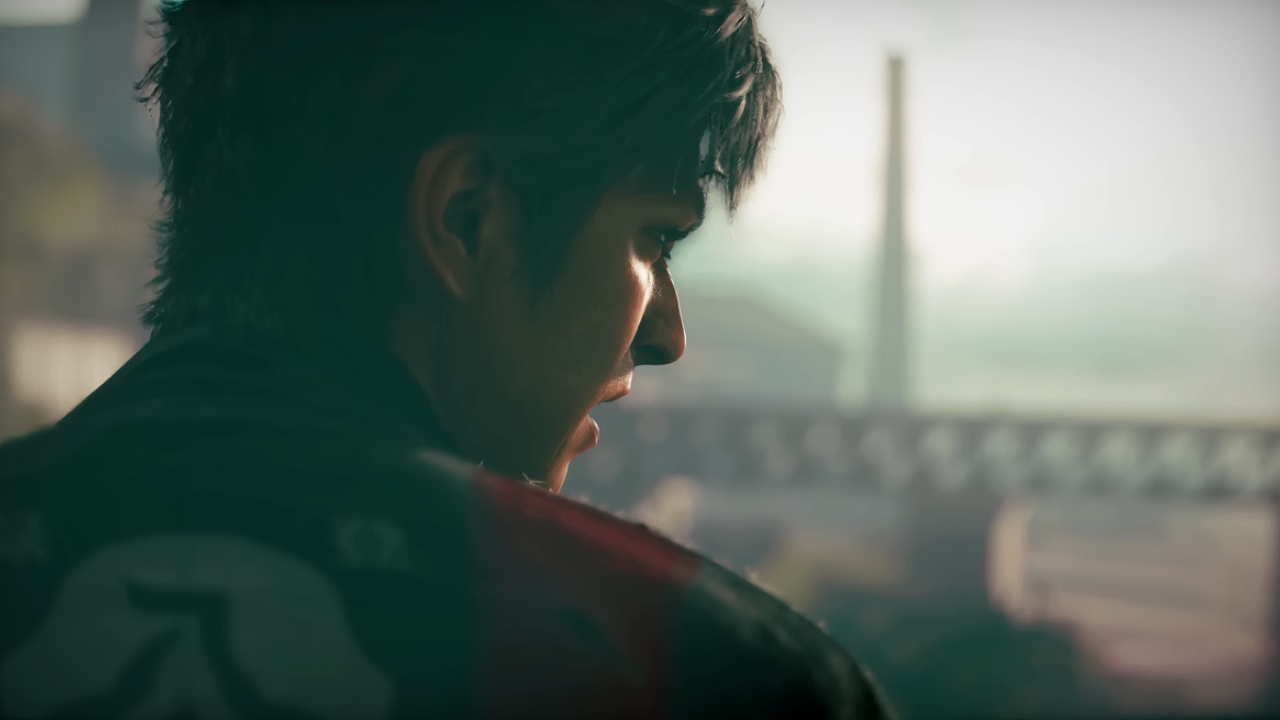
You can build him into a master of anything, or play barehanded the whole way, which will be tough but possible. The director says he's looking forward to seeing the different lives people create once Stranger Than Heaven is out. One last point he wanted to stress: even though Stranger Than Heaven visits 1915 Kokura, 1929 Kure, and 1943 Osaka, the aim was never total accuracy.
The team gamified each place to suit the story, so expect plenty of liberties, like a denser town than the real one. It's still fiction, but it should feel real, and he hopes Makoto Daito's journey in Stranger Than Heaven lands that way.
Editor, NoobFeed
Related News
No Data.