
Stranger Than Heaven Revives Faith in RGG Studio with Ambitious 50-Year Yakuza Saga
Ryu Ga Gotoku Studio unveil a prequel set across five eras of Japan, blending brutal combat, emotional storytelling, and music-driven gameplay in one of the studio’s most ambitious projects yet.
News by Wasbir Sadat on May 10, 2026
During a new showcase event, Sega and Ryu Ga Gotoku Studio finally showed off their next big game, Stranger Than Heaven, an action-adventure game set in the Yakuza world as a whole. The game is set to come out this winter, but its cinematic trailer, emotionally charged music, and ambitious plot spanning multiple decades made a lot of noise online right away.
Many people initially thought the project was a whole new IP, but the information shown at the showcase proved that Stranger Than Heaven is closely connected to the Yakuza universe. At the same time, the game is marketed as an easy way for new players to get into the series, largely because it is a prequel with its own story.
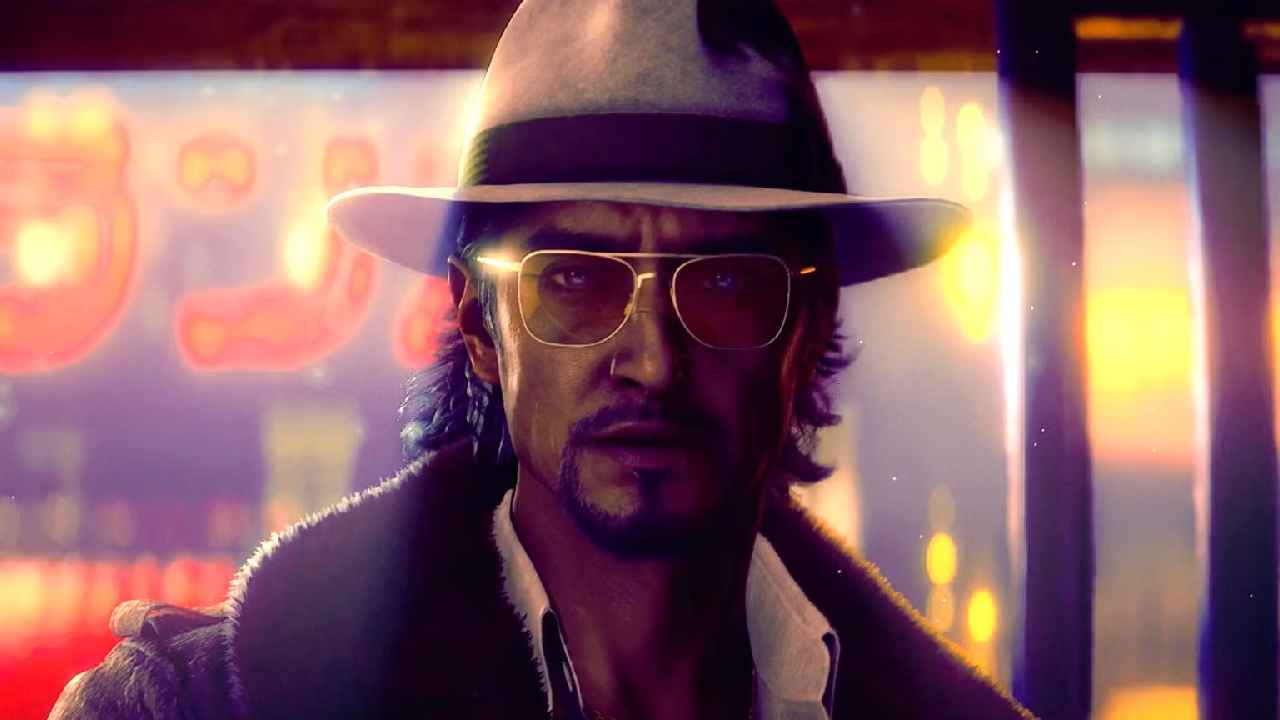
Now is an interesting time for Ryu Ga Gotoku Studio to announce the game.
Some people in the community have been wondering for a year now if the creator had lost steam after the mixed reviews of Yakuza Kiwami 3 and the negative reviews of Yakuza 0 Director's Cut. But how people felt about Stranger Than Heaven quickly changed the subject back to the studio's advantage.
Many fans said RGG is still one of the most reliable AAA companies in the business. Like a Dragon: Infinite Wealth, which came out a few years ago, is generally thought to be one of the best games in the series. Even spin-offs like Like a Dragon: Pirate Yakuza kept a steady release schedule that is hard for modern companies to match.
The showcase trailer had a big impact on me. The game looked much more cinematic and polished than most people expected. The soundtrack was also one of the first things people talked about online. It looks like music is a big part of not only the game's mood but also how it's played and how the story unfolds.
Stranger Than Heaven is an "action-adventure saga of men with nowhere to go and their desperate struggle to find a home" across 50 years, according to the official description. In San Francisco in the 1950s, the story begins with a young man named Makoto who is mistreated because he is part Japanese and part American.
After losing both parents, Makoto sneaks aboard a ship bound for Japan in the hopes of being accepted there, his mother's homeland. His trip across the Pacific quickly turns into something much bigger and more dangerous, though, and it sets the stage for a story that lasts for decades and covers many aspects of modern Japan.
The players will live Makoto's life from childhood to old age, watching him change over time.
Just the way the story is told has led to comparisons to epic crime dramas and generational stories that aren't often seen in current games. The game will feature five major cities based on real Japanese locations from different eras. One was Kokura in 1950, the other was Kure in 1929, Osaka during the war in 1943, Atami in 1951, and finally Shinjuku in 1965.
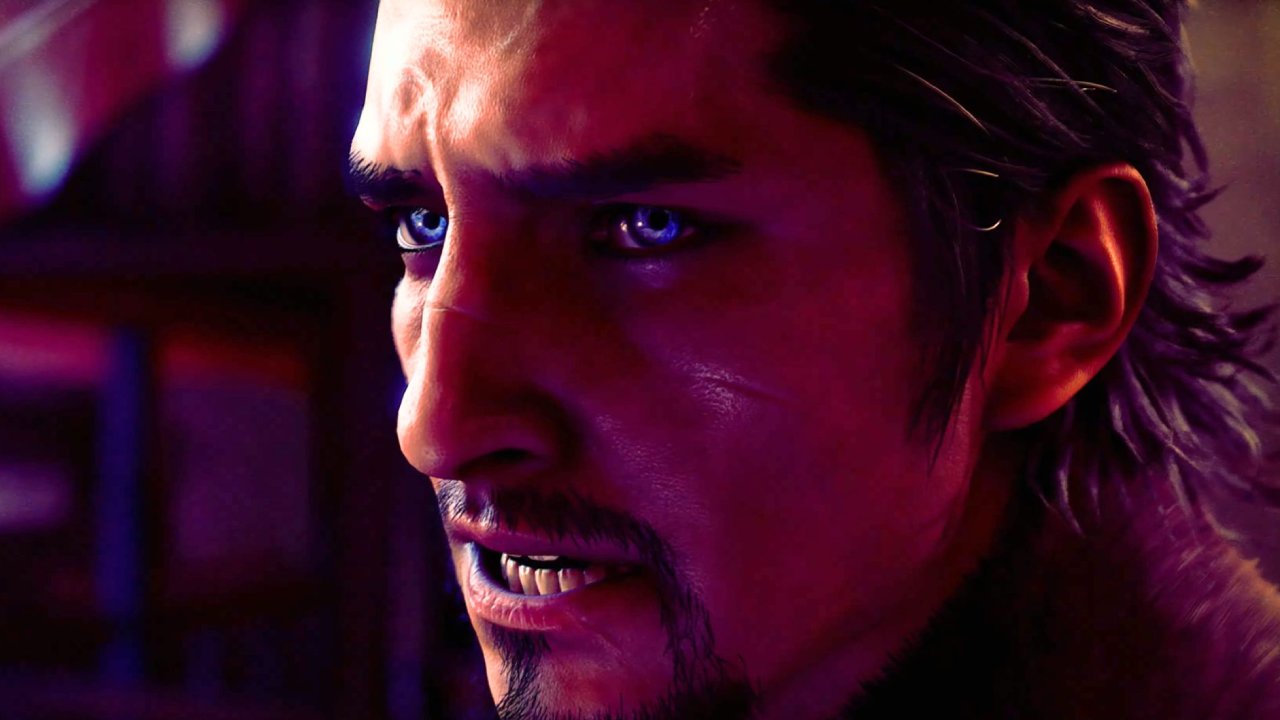
Each place is meant to show the political unrest, cultural atmosphere, and criminal underworld of a different time period. RGG also stated that references to Yakuza groups, such as the Tojo Clan, will be found throughout the story. That means that longtime fans will probably find deeper connections to the series as a whole, while newcomers can still enjoy the story on their own.
Gameplay footage showed a fighting style unlike that of other Yakuza games. Instead of big fights like in arcade games, Stranger Than Heaven seems to focus on close-quarters violence, featuring more clever, realistic fights.
Players control Makoto with their left and right hands separately. This allows hits, blocks, counterattacks, and grapples to occur simultaneously in a more fluid way. In fights that look a lot more intense than in earlier RGG games, enemies can be pinned to the ground, knocked into walls, or smashed with fast punches.
Weapons will also be very important during the whole adventure. Throughout the game's history, players can improve and learn how to use knives, hammers, katanas, and other makeshift weapons of war.
People are being told that the combat system "feels alive" and emphasizes instinctive responses and improvisation over just combos.
From the trailer, it looks like the studio is going for a more cinematic, engaging fighting system while still keeping the chaotic feel fans expect from Yakuza games. The game's strong focus on music and performance may have been the most surprising thing about the reveal. At the beginning of the story, Makoto learns that he has a hidden gift for music while being taught by a showman. He later becomes a performer himself.
Players will supposedly go all over Japan, putting on shows, hiring musicians, asking people in towns what's going on, and recording sounds from their surroundings to make their own songs. It seems that everyday sounds, like trains going by, brooms being swept, and even enemy growls, can be turned into musical compositions.
Players will not only write songs but will also be in charge of stage production, securing bands, selecting performers, and adjusting lighting and presentation during live shows. The feature sounds a lot more ambitious than a standard rhythm mini-game. Along with combat and story, it could be one of the most important parts of the game.
Stranger Than Heaven differs from other shows set in the Yakuza world by combining organized crime drama with music production. RGG has played around with karaoke systems and rhythm features before, but this seems to take those ideas a lot further. The release of Stranger Than Heaven has also raised questions about how quickly Ryu Ga Gotoku Studio is developing new games.
In a business where big AAA movies can wait five to seven years between sequels, RGG keeps putting out big projects at a surprisingly steady rate.
Critics of the studio often point to controversial games like Yakuza Kiwami 3 or smaller spin-offs. Fans, on the other hand, say that RGG's total output is still very impressive. Since Judgment launched in 2018, the company has regularly released new games, sequels, remasters, and experimental projects, with little to no time between releases.
When Stranger Than Heaven comes out, it will have been about three years since Like a Dragon: Infinite Wealth. This is a much shorter development cycle than many other AAA companies use these days.
The fact that the new trailer received so many positive responses suggests people may already have full faith in RGG again. Fans liked how the game looked, how it made them feel, how bold the story was, and especially how good the music was—many said it was one of the best things about the show.
Stranger Than Heaven looks like it will be one of the riskiest projects that Ryu Ga Gotoku Studio has worked on in years. It blends brutal fighting, emotional storytelling, and music-focused gameplay. If the final game lives up to the hype surrounding its reveal, it could be another big step forward for the company and one of the most memorable games in the Yakuza series.
Contributor, NoobFeed
Related News
No Data.