
Sony is Preparing a Bigger Monetization Push for PlayStation Through Ads and Digital Sales
Recent job listings and changes surrounding physical games suggest Sony may be preparing for a more aggressive approach to monetization, while the future of PlayStation’s disc-based ecosystem remains uncertain.
News by Tahmid Mahi on Aug 08, 2026
Sony appears to be exploring further ways to monetize its huge PlayStation audience, and recent job postings have raised questions about whether advertising could become a bigger part of the platform in the future. Sony Interactive Entertainment has reportedly posted several advertising-related roles recently, which could be a sign that the company is looking to grow its advertising business.
There have been reports that an advertising organization has been set up within PlayStation recently, with at least four advertising-related roles appearing over the past several months. That could eventually lead to several different forms of advertising across the platform.
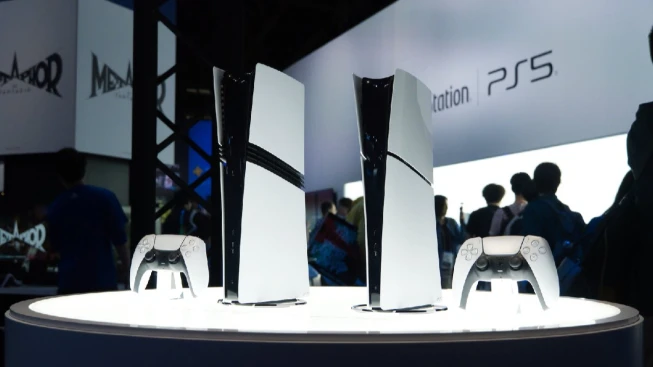
For now, PlayStation does not have the same reputation for aggressive dashboard advertising that some other gaming platforms have developed.
The relatively simple design of the PlayStation interface is one of the things that makes it easy to navigate, so introducing more advertising could change how the platform feels. The bigger concern is not simply that Sony wants to generate additional revenue, because that is what virtually every major company tries to do.
Advertising inside games is already common across parts of the industry, particularly in sports titles and live-service games. You can boot up certain games and immediately see promotions for new modes, seasonal content, Ultimate Team-style features, or other purchases.
While these systems can be useful for developers trying to keep players informed about new content, they can also make the experience feel like you are constantly being encouraged to spend more money.
That is where the concerns surrounding PlayStation's broader monetization strategy become more complicated. Sony has already increased the price of PlayStation Plus in recent years, although the basic subscription remains necessary for online multiplayer in many games.
If you're paying more for the service, you naturally expect the additional cost to come with improvements to the overall experience. The same applies to the Extra and Premium tiers, where higher prices ideally come with a stronger selection of content and better value.
The potential introduction of advertising adds another layer to that discussion. If ads become part of the PlayStation experience, Sony could use them to generate more revenue from its existing audience. Even if you're not directly paying for those ads, they might still affect the way you use the platform.
Sony has also been more into live-service games, and that approach is very much about recurring revenue.
A normal single-player game usually makes most of its money when people buy it; a successful live-service game, however, can continue to make money through expansions, cosmetic items, battle passes, and other forms of spending. This makes games designed for long-term player engagement particularly appealing from a business perspective.
The problem is you can’t just turn every major franchise into the next Fortnite, Call of Duty, or other massively successful live service game. There are only so many games that can achieve that level of long-term commercial success, and the market has already demonstrated how difficult it is to maintain a large live-service audience.
That also raises questions about the company's traditional first-party lineup. PlayStation has built much of its reputation around major single-player franchises, but those games are not necessarily as effective at producing continuous revenue after launch.
A successful single-player game can sell millions of copies, but once you've purchased it, the publisher generally has fewer opportunities to monetize you compared with a game that constantly introduces new content and optional purchases.
This is why advertising could potentially fit into a larger monetization strategy. Instead of relying solely on game sales or subscriptions, Sony could theoretically generate revenue through several different channels at once.
You could have game purchases, PlayStation Plus subscriptions, live-service spending, ads, digital storefront purchases, and other services all pumping money into the company’s coffers. From Sony’s perspective, it makes sense to have multiple ways to monetize an established audience, but from your perspective, it raises the question of how much additional monetization the platform can introduce before the experience begins to suffer.
This is also where the shift away from physical games becomes relevant.
The reports also indicate that new PlayStation 5 consoles with disk drives are starting to arrive with notices regarding the end of physical game production, stoking fears that Sony is gearing up for a time when digital distribution is the prevailing model.
The transition is not complete yet, and physical games have not disappeared from the PlayStation ecosystem, but these notices are making the long-term direction feel more concrete. The shift could also give Sony greater control over how games are distributed and purchased, making the remaining physical market increasingly important to players who want alternatives.
For players who prefer digital games, the change may not immediately seem important. If you already purchase everything from the PlayStation Store, removing physical media might not change your day-to-day gaming. But the ability to buy physical games is beneficial for the entire user base even if you never buy a disk yourself.
The concern becomes even greater when you consider how much control a platform holder has over a digital ecosystem. With physical games, retailers and the secondhand market can offer alternatives to buying directly from Sony. With an increasingly digital-only platform, more of your purchases naturally flow through the PlayStation Store.
The timing of this transition is also interesting because PlayStation's hardware install base is already enormous. With tens of millions of PS5 consoles in homes, Sony has a huge established audience to monetize.
As console prices rise and hardware growth becomes more difficult, the company has fewer opportunities to rely purely on expanding the number of consoles sold. That makes existing players increasingly valuable because the company can look for additional revenue without necessarily needing millions of new customers.
This scenario is where the combination of advertising, subscriptions, live-service games, digital purchases, and other monetization methods becomes important.
The concern is that each individual change can seem relatively small until they combine into one larger shift. A higher subscription price here, more live-service spending there, fewer physical options elsewhere, and potentially more advertising could eventually create a very different PlayStation experience.
There is also the question of competition. If players were leaving PlayStation in large numbers and moving their spending elsewhere, Sony would have a much stronger reason to reconsider unpopular decisions. That kind of shift would put real pressure on Sony to respond to what its audience wants.
However, the PlayStation ecosystem remains huge, and there is no obvious alternative that would allow every player to simply move their entire library, purchases, friends list, and existing habits somewhere else. That makes it easier for Sony to continue experimenting with different approaches.
The future of physical media could become even more interesting when the next generation arrives. One major question is whether a future PlayStation console will include a disc drive as standard, offer one separately, or move entirely toward digital distribution. Another question is whether a stand-alone drive would allow you to continue to use your existing PS5 disk library.
There are ways to work around this that could make things easier for players.
Microsoft, for example, has been investigating how to tie physical ownership to digital access, and a similar PlayStation strategy could help keep current collections valuable. Digital authentication of physical games for players could offer a compromise between the convenience of digital distribution and the ownership advantages of physical media.
Sony has not confirmed that ads are coming to the PlayStation 5 for now, nor has it fully explained what its reported advertising expansion will mean for players. The job listings are still worth looking at because they hint that advertising is at least one area the company is putting money into.
Add to that the increasing focus on live-service games, subscription income, digital sales, and the gradual move away from physical media, and you get a better picture of where PlayStation could be heading. Together, these changes could reshape the platform in the coming years.
None of these developments necessarily means that PlayStation is about to become an advertisement-filled platform overnight. However, the signs suggest that Sony is looking at more ways to monetize the audience it has already built.
For players, the important issue will be whether those additional revenue streams are eventually matched by better games, stronger services, and meaningful improvements to the platform. If the monetization keeps increasing while the experience remains the same or gets worse, that is where the frustration is likely to grow.
Editor, NoobFeed
Related News
No Data.