
Former Call of Duty Developer Reveals New FPS Game Built to Outlast Live Service Games
The former Call of Duty creative strategist says his next shooter is being built to last even if the studio disappears, while putting players and developers ahead of industry trends.
News by Tahmid Mahi on Jul 05, 2026
The first-person shooter genre could soon have another major contender, and this time it comes from someone who helped shape some of the most memorable entries in Call of Duty history. Former Infinity Ward creative strategist Robert Bowling has officially revealed a new studio called 18 Bravo, and its debut project is already attracting attention for reasons beyond its gameplay.
Rather than following many of today's industry trends, the team is aiming to build a shooter with a very different philosophy. If everything goes according to plan, you could end up with a game designed to remain playable for years without depending on the studio's continued existence.
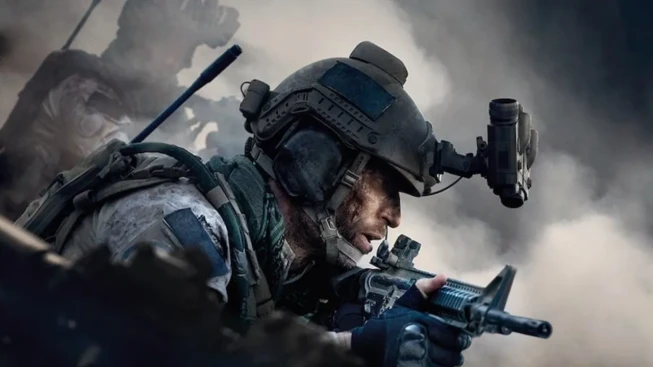
Bowling's name is familiar to longtime Call of Duty fans because he played a major role during the original Modern Warfare trilogy.
Games that many players still consider some of the strongest in the franchise. That history naturally puts expectations on anything he creates next, especially when his new project also falls into the first-person shooter genre.
While it is still too early to compare the games directly, you can already see why many people believe the title could eventually become a serious competitor. The combination of Bowling's experience and the direction of the new studio has immediately put the project on many players' radar.
The announcement came through Bowling's LinkedIn page, where he introduced 18 Bravo and outlined what he believes needs to change in modern game development. According to him, the studio focuses on rethinking how it builds games instead of simply following existing business models. He stressed that the team's first project will include both a single-player campaign and competitive multiplayer.
That decision stands out because live service has become one of the gaming industry's most common approaches over the past several years. Many publishers now release games that are designed to receive years of ongoing updates, seasonal content, balance changes, and quality-of-life improvements.
This model works well when done correctly for games like Fortnite and Call of Duty: Warzone, where new content keeps large communities engaged for a long time. In those cases, regular updates help to extend the life of games that were in a good place at launch.
The problem, however, is that not every game launches in that condition. You have probably seen plenty of titles arrive with technical difficulties, missing features, or a lack of polish, only for months of updates to finish what many players expected to receive on day one. Instead of adding new experiences, developers often spend months repairing launch problems before they can move forward.
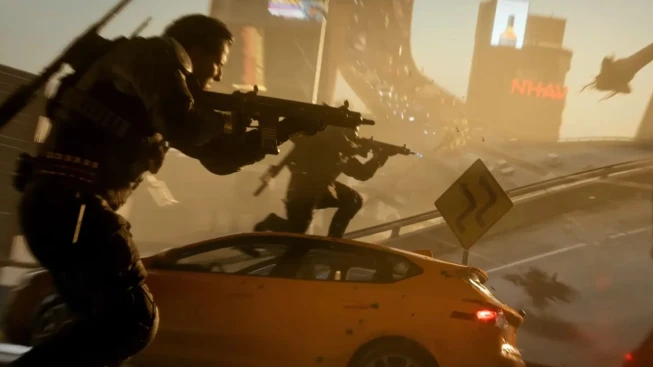
His solution is to move away from that model entirely. While 18 Bravo will support dedicated servers during its launch period, the studio says it is building the game's core technology around player-to-player networking. The goal is to make sure the community can continue playing together even if the company eventually moves on to other projects.
That idea is especially relevant as more online games lose official support over time.
Once dedicated servers are shut down, many older multiplayer titles become difficult or even impossible to play. Entire communities disappear simply because the infrastructure behind those games no longer exists. Bowling wants to avoid that outcome by creating a foundation that lets players continue enjoying the game regardless of what happens to the studio in the future.
Details about the shooter itself remain fairly limited for now. The team has confirmed that it will be a first-person shooter featuring both a narrative-driven single-player experience and player-versus-player multiplayer. There are still many unanswered questions about how it will play.
Even without any gameplay footage, the project naturally invites comparisons to Call of Duty. It shares the same genre, comes from one of the franchise's best-known former developers, and targets many of the same players. That does not necessarily mean the goal is to replace Call of Duty, but comparisons will be difficult to avoid.
Bowling has also been outspoken about the current direction of the gaming industry itself. He believes games have become too commercialized, with companies focusing more on profit projections than players and development teams. He argues that the demand for ever-increasing content in live service games has put too much strain on studios and worn down players through systems that force them to constantly engage.
He also argues that the traditional AAA studio model has reached a point where meaningful change is necessary. Rather than continuing to chase the same formulas, Bowling says his team is prepared to take what he describes as a radically different approach. The mission is ambitious, and he has acknowledged that succeeding will not be straightforward.
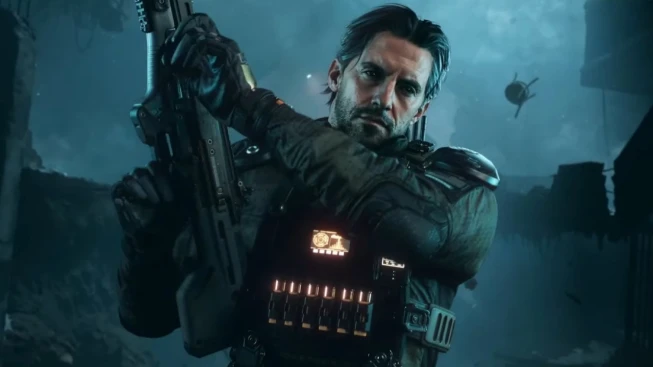
The philosophy extends beyond the games themselves and into how the company plans to treat its employees.
Leadership compensation will be directly tied to employee success, creating greater motivation for management to support the whole team. Staff members will also have access to a royalty program that gives them opportunities to benefit from the success of the projects they help create. Profit-sharing will not stop with full-time employees either; contractors, motion capture performers, and voice actors will also receive similar opportunities.
Perhaps the studio's most unusual commitment involves what happens if the company ever shuts down. According to Bowling, the studio's bylaws automatically make its assets, source code, and everything needed to continue supporting the game open source if the company ever shuts down.
The only exceptions are licensed music and third-party integrations that the studio cannot legally transfer. More importantly, the legal documents explaining how this system works will also be released publicly so that other developers can adopt a similar model without facing major costs.
That level of transparency is rare within the gaming industry.
Instead of allowing a project to disappear once a company closes, Bowling wants future communities to have the tools necessary to preserve and continue supporting the game. You would not be relying entirely on the original developer to keep the experience alive forever. It is a long-term preservation strategy that challenges how many modern online games currently operate.
The timing of this announcement also reflects the wider challenges facing the gaming industry. Studio closures, layoffs, cancelled projects, and restructuring efforts have become increasingly common over the last few years. Bungie recently laid off a large portion of its workforce after scaling back support for Destiny 2, and Microsoft is said to have considered cancelling projects like Marvel’s Blade as well as further studio closures.
Against that backdrop, 18 Bravo clearly takes a different path with its vision. Instead of making another game that relies on a never-ending cycle of monetization and constant updates, the studio is trying to build something that still has value even if the company ceases to exist. Whether that approach ultimately works remains to be seen, but it certainly makes the project stand out from many of its competitors.
Editor, NoobFeed
Related News
No Data.