
XBOX Project Helix Could Bring RDNA 5 and 48GB GDDR7 Targeting 4K 120 fps Gaming
Xbox Project Helix could combine RDNA 5 graphics, 48GB GDDR7 memory, PC games, and expanded backward compatibility.
XBOX by Shinji Okazaki on Aug 08, 2026
The next generation of XBOX is expected to focus on both hardware and software, with Project Helix reportedly bringing a new AMD-powered chip, RDNA 5 graphics, a large shared memory pool, and expanded backward compatibility. The hardware team is also working on changes that could bring PC games and older XBOX titles to the next-generation platform.
XBOX hardware team is working on a reveal for XBOX Project Helix, likely by the end of this year during its 25th anniversary. The team has been working to create new features, quality-of-life changes, and hardware upgrades internally to make the next-generation XBOX bigger than before.
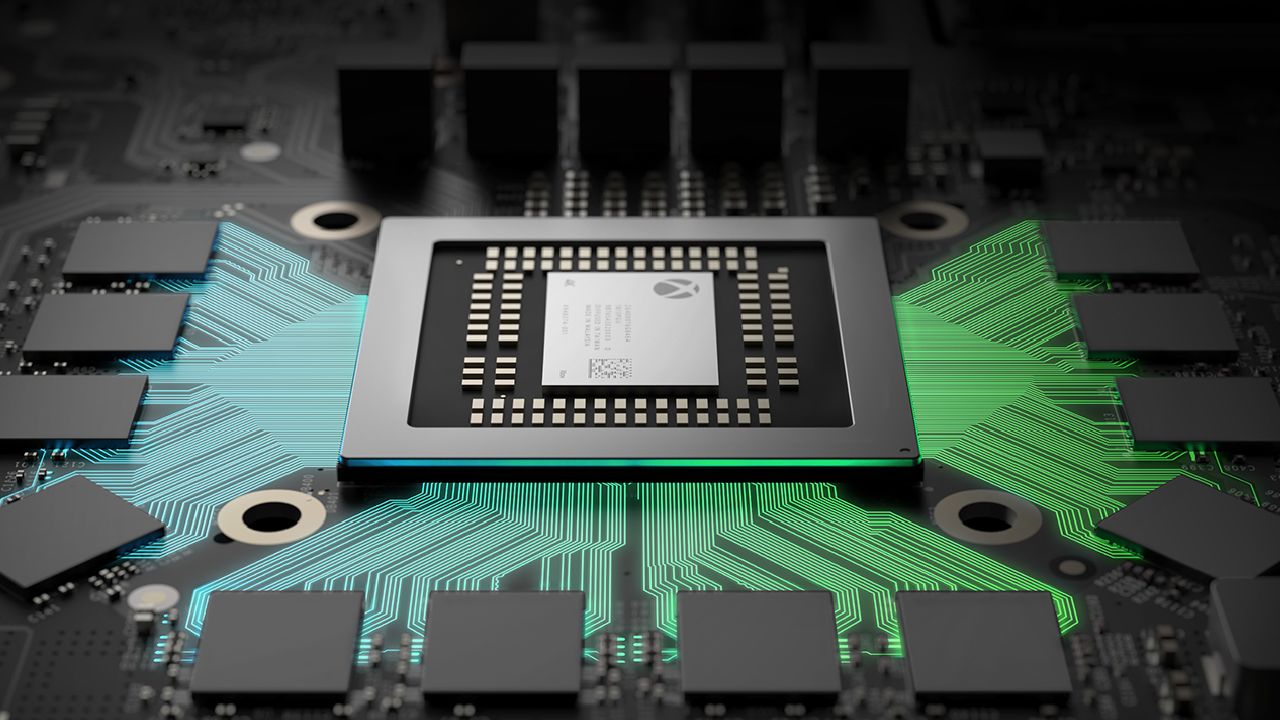
XBOX Project Helix Hardware
AMD's Lisa Su has shared the roadmap and competitive power behind the new Zen chip that will be powering the Xbox Magnus inside Project Helix. As the chip gets ready to move into manufacturing for the next generation, the final design is being revealed through insiders, and the chip has features that could affect how next-generation games run.
AMD has revealed that it is upgrading its core hardware for enterprise and, most importantly, its next generation of gaming hardware. Instead of going with Infinity Cache, AMD has moved to a combination of efficient L2 Cache. L2 Cache is a CPU's middle layer of high-speed memory.
It is essentially the system memory for a chip like the Xbox Magnus, which will run the operating system but, most importantly, be tied to gaming. This gives more power for game emulation, which will be a feature on XBOX Helix. The large L2 Cache comes from an older generation, but it is efficient, allowing for reduced hardware costs while offering performance in line with high-end gaming configurations.
RDNA 5 and the Xbox Magnus Chip
All of this is tied to the generational leap of RDNA 5 from RDNA 2 in the Xbox Series X. RDNA 5 is the next-gen AMD GPU architecture, which is designed specifically for AI acceleration. Xbox Magnus chip is a dual APU with 1/3 of the chip housing a neural processing unit. This will boost ray tracing performance and efficiency gains.
RDNA 5 is expected to compete with Nvidia's latest graphics cards, and it will be part of Project Helix. It does this through AI frame generation, reconstruction, higher efficiency, and pipelines that can provide path tracing, ray tracing lighting, and 4K presentation at 120fps as a standard. Insiders have also leaked that RDNA 5 is technically the new UNDA 5, a unified architecture that leverages developer-side optimization and raw performance on the hardware.
The latest leaked images detailing what XBOX Project Magnus' chip inside Helix will look like show a configuration with an RDNA 5 GPU on top and a system-on-chip paired with a Zen 6 neural processing unit underneath it. Everything is housed by a shared memory pool of GDDR7 RAM.
There are six VRAM modules, making a total of 48GB of GDDR7 graphics RAM. That would be a major increase from the Xbox Series X. The configuration is close to the setup of AMD's AI infrastructure chipsets being sold for corporate enterprise. All of this is built on a 408mm² chip, with XBOX reportedly attempting to keep the system under $1,000.
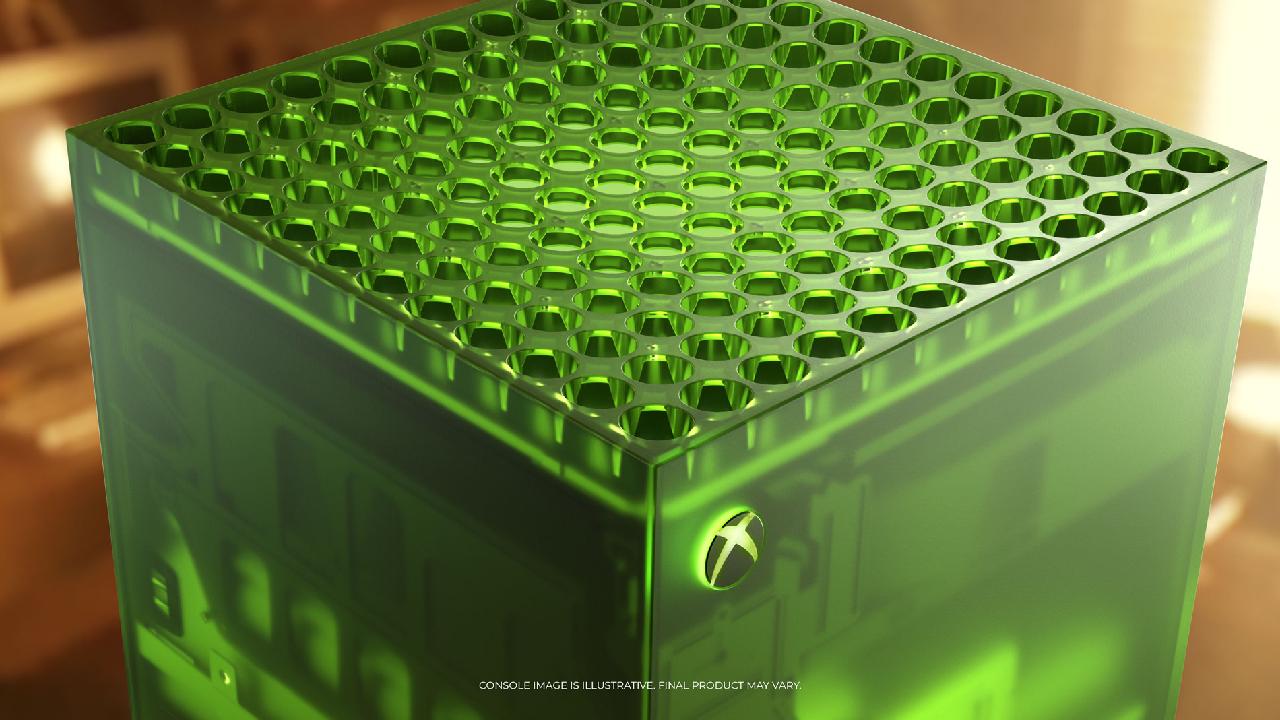
XBOX Helix is About More Than Hardware
XBOX Project Helix is doing more than a hardware uplift. The hardware team is also working on software development to bring millions of games and possibly an entire library into the next generation. For the first time, XBOX Project Helix could play millions of PC games across multiple platforms and possibly every generation of XBOX since 2001.
Leaked internal memos show XBOX wants Helix to support every Xbox generation, including the original Xbox, Xbox 360, Xbox One, and Xbox Series consoles. Alongside those games, Helix native titles are expected to be more PC-like than before. The Verge's Tom Warren has detailed a program where XBOX has been partnering with publishers to get possibly thousands of original Xbox and Xbox 360 titles fully playable on Project Helix and desktop PC.
Publishers can opt into preservation programs that let old games run with zero porting work while Microsoft handles engineering and certification. This is possible through the Xbox Magnus chip, which facilitates emulation that can be approved through the hardware team.
Backward Compatibility Could Get a Major Upgrade
The emulation layer for XBOX's new backward compatibility movement could also unlock widescreen support for previous 4:3 aspect ratio original XBOX games. For Xbox 360 titles that were stuck at sub-720p resolutions, the games could be pushed to an upscale 4K presentation. Games could also move beyond their 30fps constraints and run at 60fps or 120fps.
This rollout is expected to begin with desktop Windows PCs in October 2026. Project Helix is projected for a year later in 2027, meaning backward-compatibility titles could already be available by the time the next generation begins.
The original Xbox and Xbox 360 games are where the permission problem comes in. Many of the old licensing agreements from previous generations were written in the early 2000s and can create problems for bringing those games to new platforms.
XBOX has been working with publishers to circumvent standard licensing agreements and push for Project Helix to be considered an XBOX. That would allow those games to be played on the platform where they were purchased.
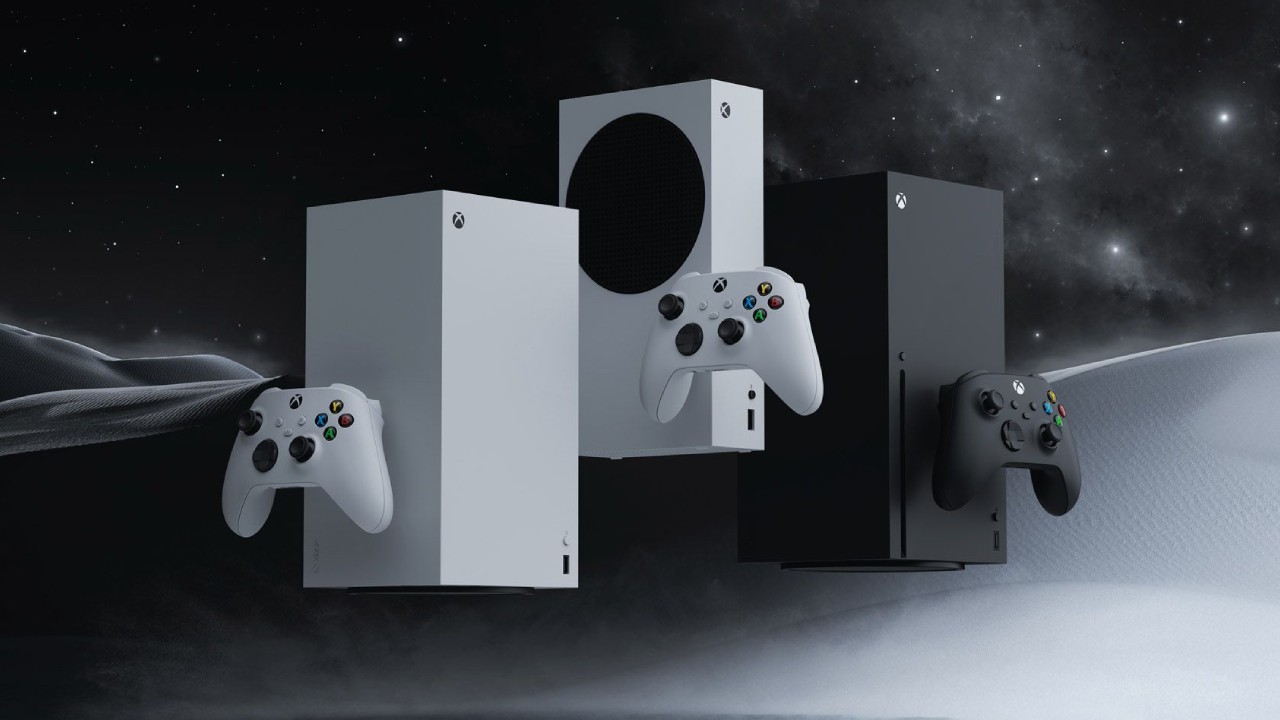
Publishers could also have a reason to approve the backward compatibility emulation because it could boost sales of those games for people on PC and the next-generation XBOX. A gradual Xbox 360 rollout is expected to begin in 2027, reflecting how slowly these approvals can move.
The XBOX dashboard has also seen improvements that have been held up for years.
Asad Qizilbash and the team have already begun rolling out a new platinum achievement equivalent for players who 100% their games. This will likely be accompanied by a new achievement animation pop-up. There is also a rumored achievement system overhaul, but Asad Qizilbash confirmed that there is more to reveal at the end of this year.
XBOX is expected to have more reveals and features for its 25th anniversary celebration in mid-November 2026. This could be where XBOX reveals Project Helix, the console form factor, its name, and possibly the release window. In the meantime, access to millions of PC games and a near-complete backward compatibility library on XBOX, along with a focus on the XBOX hardware platform, has been a long time coming.
The next-generation XBOX could combine a new AMD architecture, 48GB of GDDR7 memory, AI-focused hardware, higher-resolution backward compatibility, and support for PC games. If the reported plans move forward, Project Helix could represent a shift in how XBOX handles both new games and older titles.
Editor, NoobFeed
Latest Articles
No Data.