
Planet Zoo 2 Guide | Best Animals for Max Profit
Here’s a guide on how to choose the best animals for max profit in Planet Zoo 2.
Game Guide by Jubair Baky on Oct 24, 2026
The best animals for max profit in Planet Zoo 2 are not necessarily the biggest or most expensive. A profitable collection combines animals that breed reliably, famous species that attract guests, and specialist attractions that justify their upkeep. These choices work best once your existing habitats cover their running costs.
Choose a Money-Making Role
Start by checking Management and Finances before adopting anything. Compare your income from tickets, shops, and donations with food, staff, and facility expenses. A large cash balance is no substitute for regular profit.
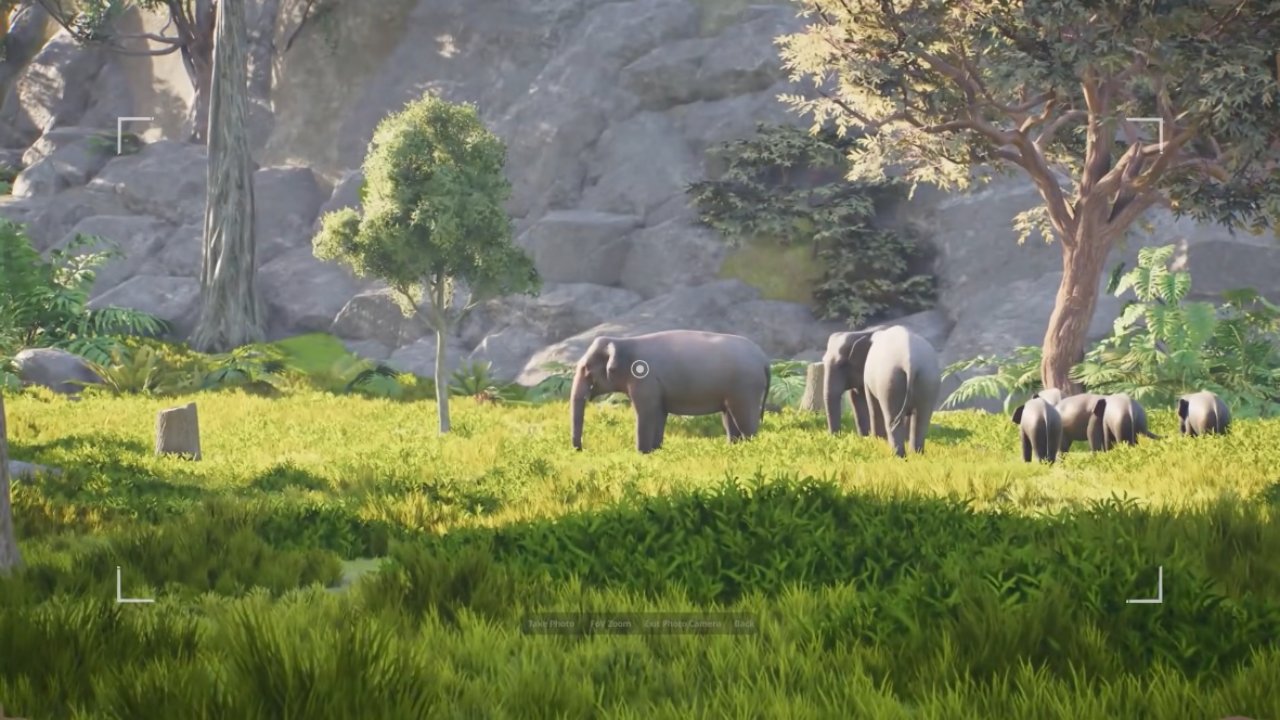
Think about what your zoo actually needs. The animals used for breeding can also be a source of cash when their offspring are mature enough to be sold. Popular animals can generate interest from guests and help sell tickets and generate donations. Variety is provided by aquariums and aviaries, although they require special construction. Wildlife Reserves are for the advancement of conservation, not a substitute for your main sources of cash.
There is no verified universal ranking. Costs and returns depend on welfare, staffing, and guest access, so measure results before expanding.
Breed Animals for Repeatable Cash
Breeding is a practical first option if the zoo has the space available and the populations are growing. Look for species that breed regularly, grow up at a reasonable pace, and can be kept in reasonably sized social groups.
A decent option to take into consideration is the Common Warthog. These aren't too expensive and can help keep a breeding environment in good shape. Additional species that could be compared include the wild boar and the red deer, despite the fact that they mature at different periods and have different social requirements.
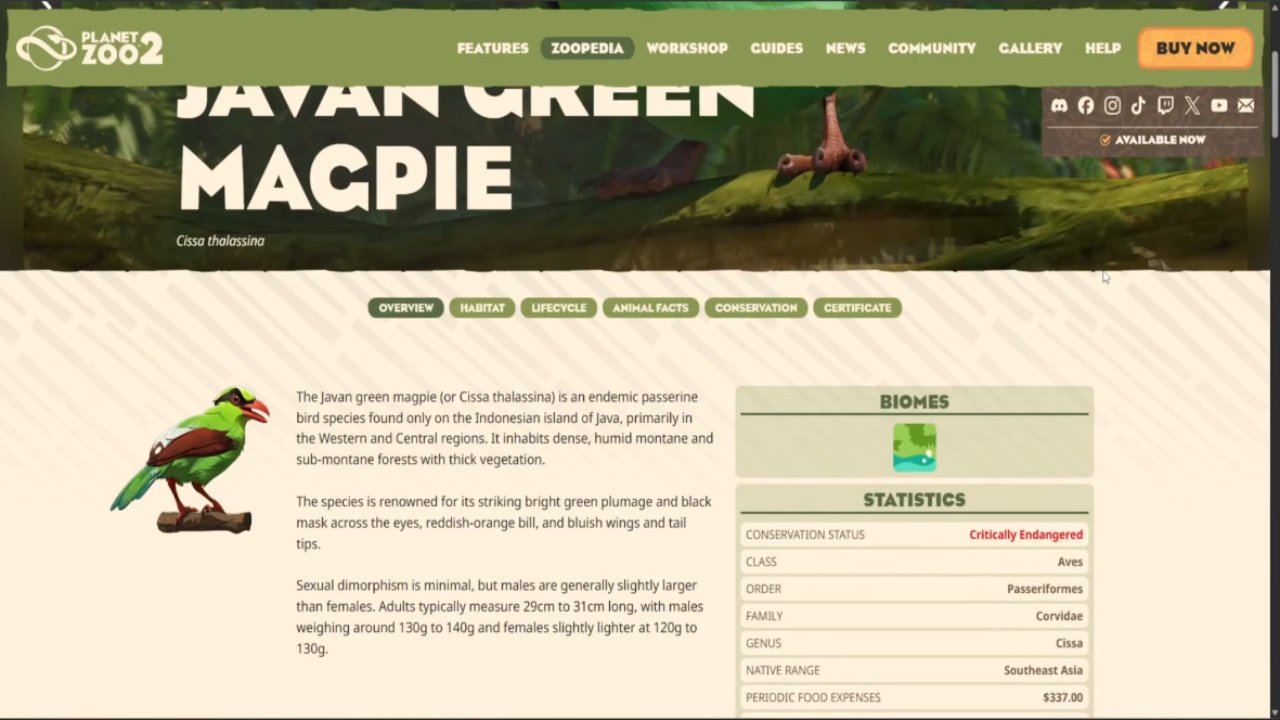
Read the Zoopedia entry before buying breeding stock. Check the required group size, land area, food expenses, and breeding information. Build enough room for adults and their offspring rather than meeting only the minimum needs of the first pair. Provide suitable terrain, food, water, shelter, and enrichment, and keep an eye on welfare as the group grows.
When the young become healthy adults, move surplus animals into Animal Storage through the Trade Centre. Use Quick Trade when you want Cash. Quick Release gives Conservation Credits instead, so it is not the same money-making method. Keep suitable breeding animals, but avoid leaving closely related offspring together indefinitely. Aim for healthy, sustainable breeding rather than overcrowding.
Zoo-born animals can achieve higher maximum appeal than adopted animals. Keep promising offspring when they could become stronger attractions.
Test Big Crowd-Pullers One at a Time
Once breeding and basic facilities provide dependable income, consider a recognizable attraction. The Sumatran Tiger, African Savannah Elephant, Common Hippopotamus, Eurasian Brown Bear, and African Leopard are good candidates to assess. They can draw attention, but none should be treated as a guaranteed profit winner. Look at each animal’s appeal and requirements, then compare that potential benefit against its ongoing expenses.
Large animals often need more space, stronger barriers, and additional keeper attention. The Sumatran Tiger and African Leopard are particularly important to budget carefully because their meat-based diets can be expensive. The Common Hippopotamus also needs an appropriately designed environment, while the African Savannah Elephant requires room for its social group.
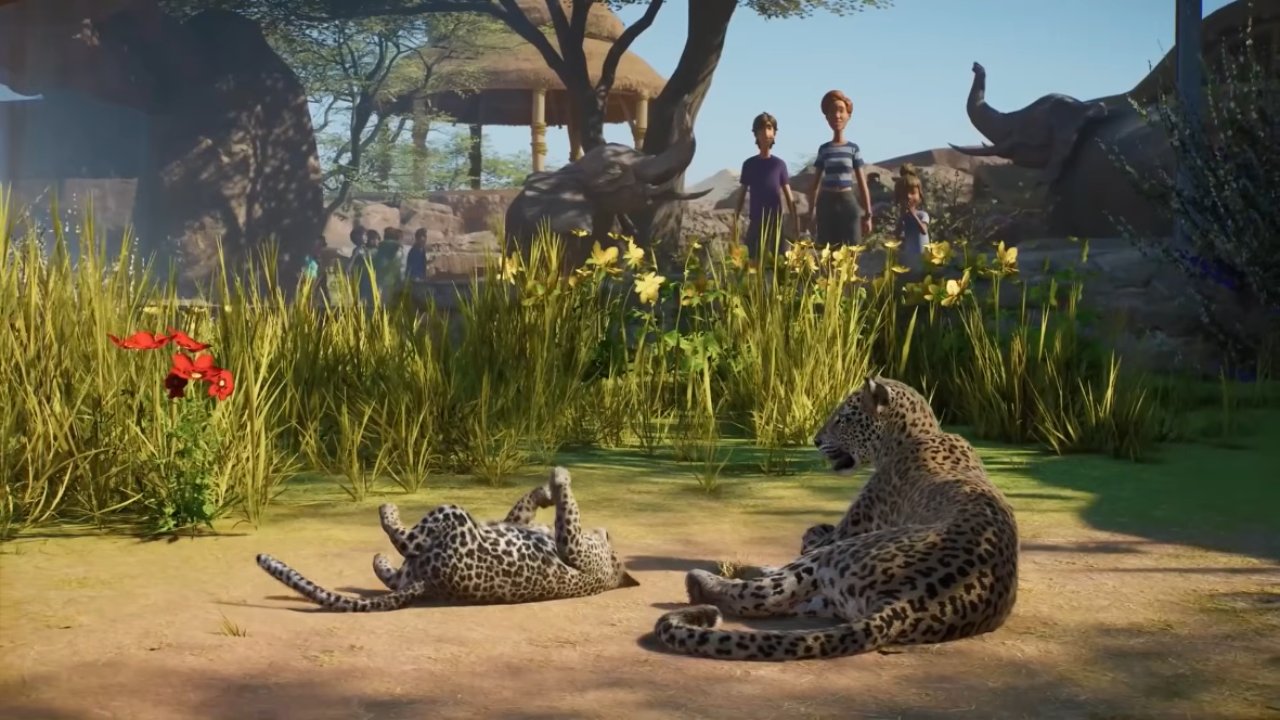
Add one major species, arrange clear guest viewing areas, and place Donation Bins nearby. Then review the next few seasons in Finances. Compare extra income with feed, wages, and upkeep. If profit drops, investigate welfare and costs before expanding again.
Build One Aquarium Before Expanding Your Collection
Aquariums are a different kind of attraction in Planet Zoo 2. The Blacktip Reef Shark and Hawksbill Turtle offer chances for a standout aquatic show, and the Deluxe Edition has the Great Hammerhead.
Rather than purchasing an animal and figuring it out later, plan the tank based on the species you have selected. Check for required swimming area and water conditions. Provide for appropriate barriers, viewing windows, filtration, and mechanical access. If you are not familiar with tank construction, first try out the layout in Sandbox.
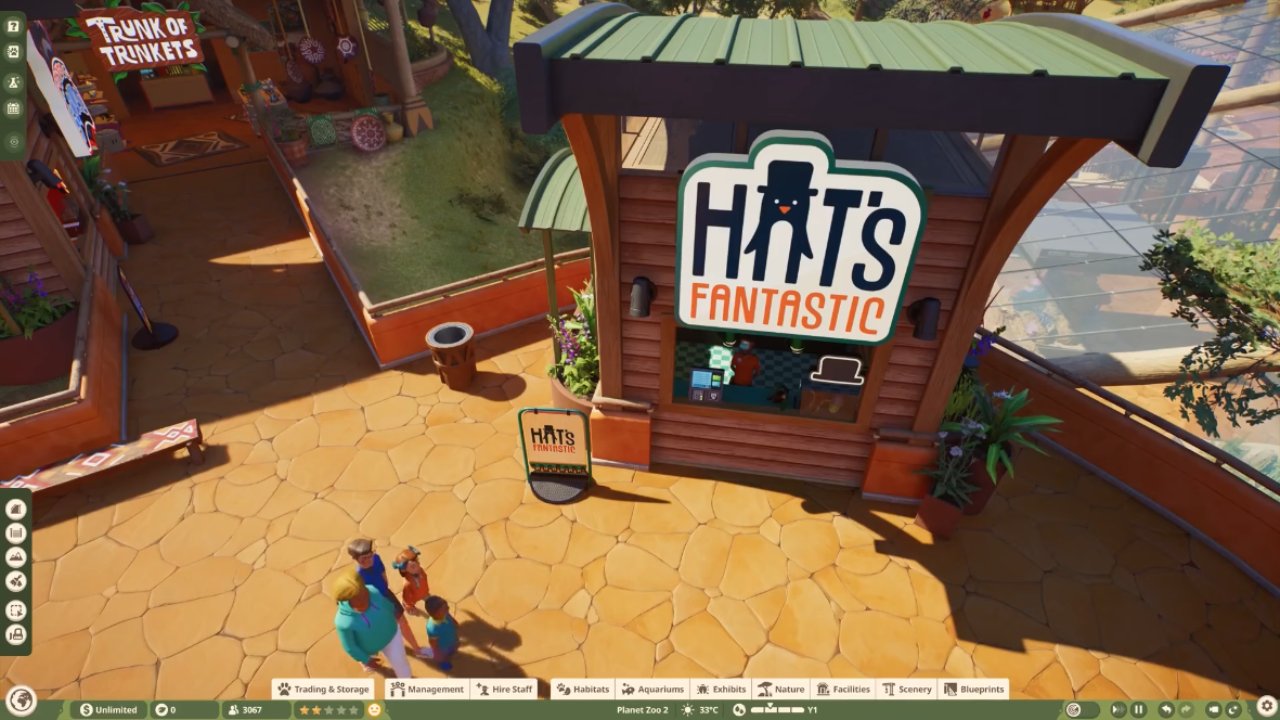
Begin with one aquarium and assess the financial effect before duplicating it. If expenses outgrow guest income, improve the aquarium instead of building another.
Use Aviaries as Carefully Planned Attractions
Flying birds can also give an established zoo something distinctive. The Toco Toucan, Great Hornbill, and White-Tailed Sea-Eagle offer different displays, while the Deluxe Edition adds the Golden Eagle.
An aviary needs a suitable roof and enough vertical space for flight, along with perches and enrichment appropriate to its occupants. Manage busy viewing areas so noise and exposure do not stress the birds. Guests need a good view, but the animals also need somewhere comfortable to retreat. Test the roof shape, usable space, and access routes before investing in a large signature dome.
Build one strong aviary and review its income before expanding.
Turn Animal Appeal Into More Guest Spending
A high-appeal animal earns more for the zoo when guests can enjoy seeing it. Put Donation Bins at the main viewing points, close to relevant Education Boards. Place enough bins where crowds gather instead of scattering them along empty paths.
It is easier to convert interest into donations when one has a good education and clear beliefs. Watch the areas where people gather. It's possible that an animal that's hidden behind a difficult passage will get less attention than one that's near a clear viewing location. First, make improvements to sightlines and education, and then, while monitoring the reactions of guests, consider making minor adjustments to ticket prices.
Use a Marketing campaign for an animal that already attracts attention. Promoting your strongest attraction makes more sense than paying to advertise a poorly maintained habitat. First make sure your paths, food and drink facilities, toilets, and seating can cope with extra visitors.
Add ATMs near busy shops so visitors who are running low on money can withdraw more. Review shop performance, since an expensive retail facility on a quiet path can lose money even when the animals nearby are popular.
Keep Conservation Goals Separate From Cash Profit
Wildlife Reserves give successful breeding programs a longer-term purpose. The Scottish Highland Wildlife Reserve features species such as Red Deer, Eurasian Beaver, and White-Tailed Sea-Eagle. Research the relevant species and check the requirements of the reserve before planning a release.
Releasing animals supports conservation objectives and Conservation Credits, but those rewards should not be confused with Cash needed to pay wages and build habitats. Keep enough suitable adults for a sustainable breeding population and do not sacrifice your zoo's finances just to expand a reserve faster.
Before any major purchase, check whether the zoo could pay several seasons of expenses if visitor income dropped. Check on the well-being and financial effect of each new animal after it has been adopted. The most reliable way to make the most money is to breed animals that are easy to care for for Cash, slowly add high-interest draws, and turn guests' interest into money without letting costs rise faster than income.
FAQ
Q. Which animals make the most money in Planet Zoo 2?
A. There is no verified species that always earns the most. Fast-breeding animals may provide regular trade income, while high-appeal species can increase admissions and donations. Compare the results in your own Finances screen.
Q. Can you sell baby animals for Cash?
A. No. Wait until offspring become healthy, eligible adults, then send them to Animal Storage and select Quick Trade. Juveniles cannot be sold through that option.
Q. Do Wildlife Reserves pay Cash for released animals?
A. No. Reserve releases contribute to conservation progress and Conservation Credits. Use Quick Trade when you specifically need Cash for your zoo.
Q. Are sharks and flying birds worth buying early?
A. Usually not if your zoo is still struggling financially. Aquariums and aviaries need specialized construction and continued care, so test them after your main habitats consistently earn a surplus.
Editor, NoobFeed
Latest Articles
No Data.