
Planet Zoo 2 Guide | Best Animals for Beginners
Here’s a guide on how to choose the best animals for beginners in Planet Zoo 2.
Game Guide by Jubair Baky on Oct 24, 2026
The best animals for beginners in Planet Zoo 2 are affordable, easy to house, and manageable with a small staff. Choosing them first lets you learn habitat construction and animal welfare without spending your starting budget on a difficult species. The Common Warthog, Meerkat, and Aardvark are strong options for your first few habitats. Here is how to choose them and avoid costly early mistakes.
Start With Simple Habitats
Your first zoo needs more than interesting animals. You also need money for food, staff, paths, guest facilities, and habitat maintenance. Even a cheap animal can become expensive if it needs costly food or a huge enclosure.
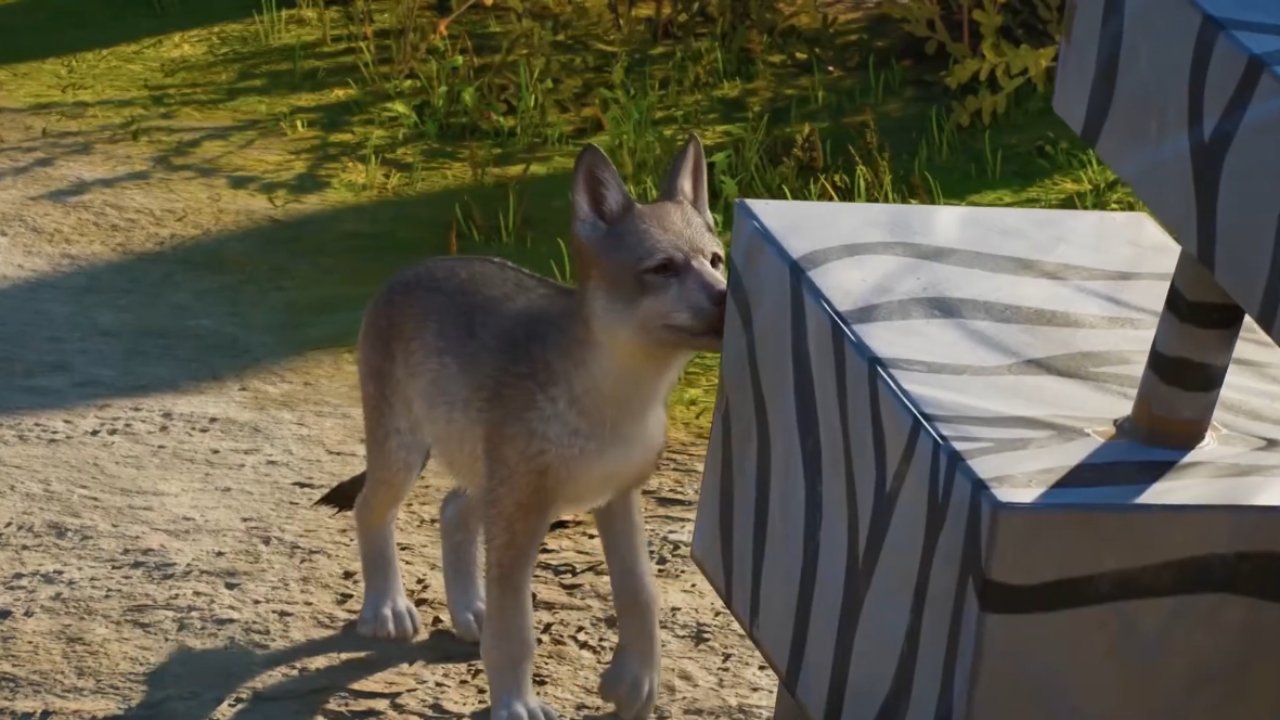
Before choosing a species, open its Zoopedia entry. Look at the minimum land area, suitable terrain, barrier requirements, social group size, temperature range, and Periodic Food Expenses. Use these details to judge costs before building.
Start with two or three manageable species, but introduce them gradually. Finish one habitat, check the animals' welfare, and make sure visitors can reach a viewing area before starting the next.
Common Warthog: A Good First Habitat
The Common Warthog is one of the most practical beginner choices. It is a familiar savanna animal with comparatively manageable habitat requirements. Use it to learn about barriers, terrain, shelter, and feeding.
Check the Zoopedia before placing a barrier, then create a habitat that meets the species' needs. Include enough space for its social group, a keeper-accessible entrance, water, and suitable shelter. Place feeding facilities where your staff can reach them. After adoption, use the information panel to identify any unmet needs.
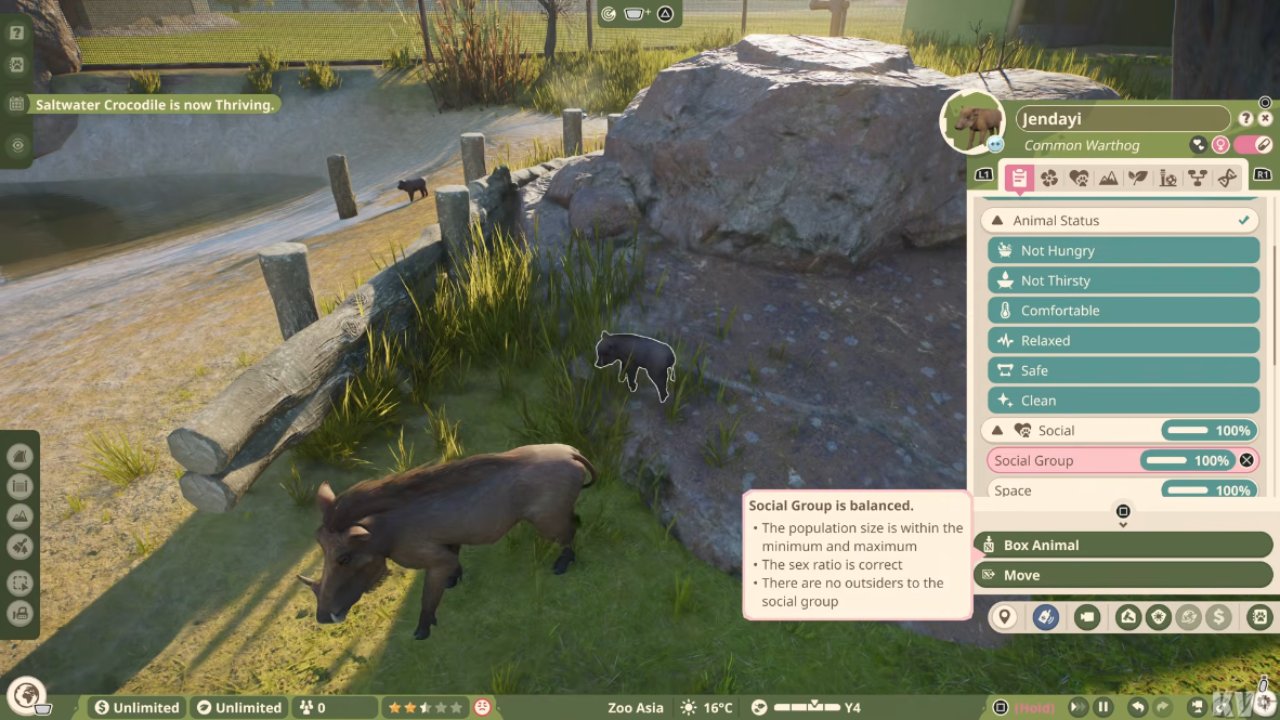
A warthog habitat can also give you room to practice guest viewing. Set a path next to a useful viewing section, then place a Donation Bin and Education Board nearby. This simple design works for later habitats too.
Meerkat: Learn How Social Groups Work
The Meerkat is another beginner-friendly animal, but it teaches a different lesson. Meerkats live in social groups, so buying only one without checking its social needs can create problems. Their activity also makes for an interesting viewing area.
Read Zoopedia's group-size requirement before adopting. Build for the number of meerkats you intend to keep, not only the smallest possible group. Make sure there is enough space for their movement and any offspring that may arrive later.
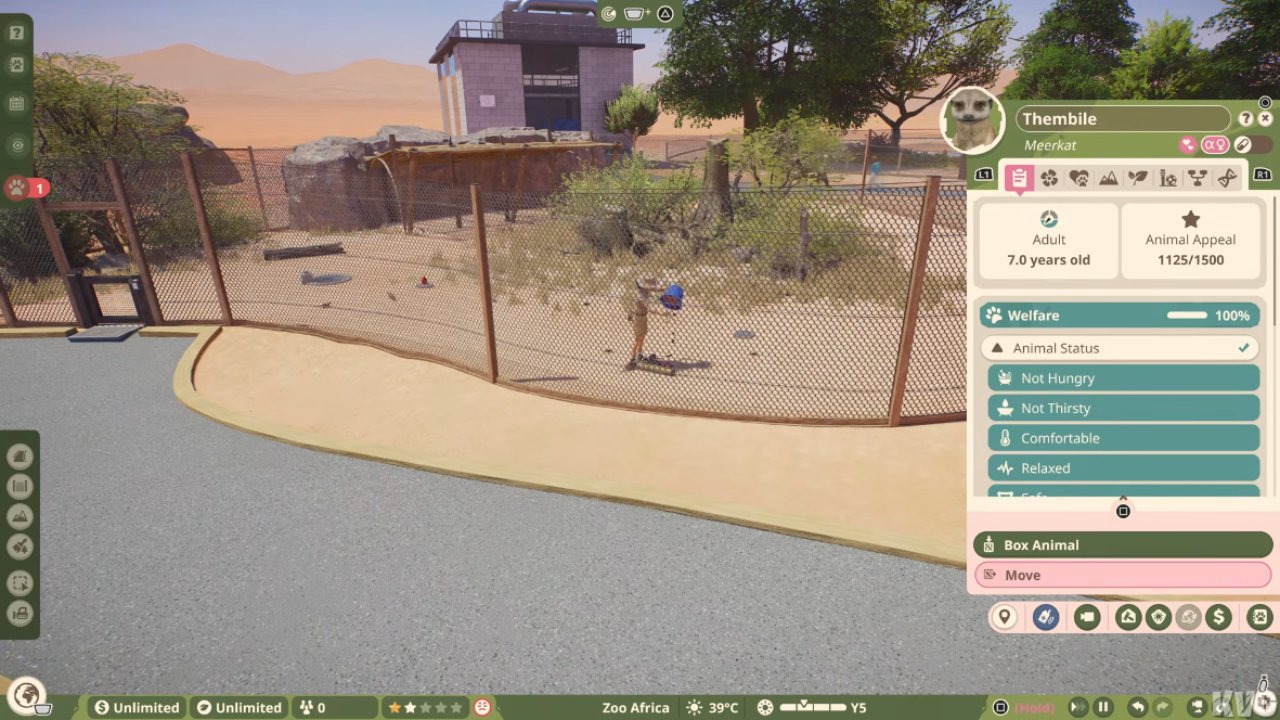
After moving the group into its enclosure, watch the Social and Environment needs in the animal welfare panel. If an alert appears, check the actual cause before buying another animal. More companions cannot fix overcrowding, and more space cannot fix every social issue.
Aardvark: Add Variety Without a Huge Expansion
The Aardvark is a sensible third choice when you want another kind of mammal without immediately moving into large or expensive species. Its modest land-area requirement makes it a useful next challenge.
Don't assume a smaller habitat means lower running costs. Check periodic food expenses and the animal's social requirements in the Zoopedia. Build appropriate shelter and enrichment, and ensure the keeper can provide its food without difficulty.
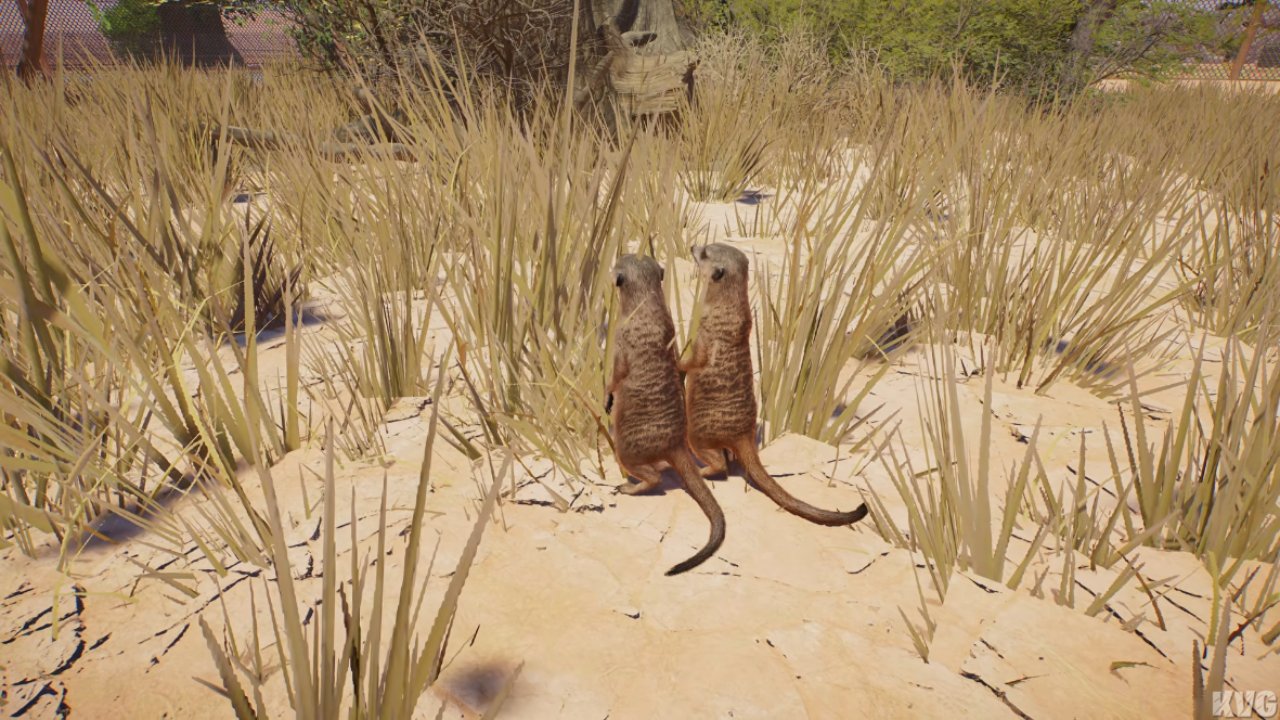
Adopting an animal is not the end of the setup. Let the zoo run and revisit its welfare, particularly if a group grows or an animal stops using its shelter. Catching small problems early is usually cheaper than allowing them to affect the whole habitat.
The Aardvark works well as a measured third adoption. Wait until the earlier habitats are functioning properly, then use this new enclosure to check whether your staffing and available cash can comfortably support one more species.
Check Each Animal Before You Spend Cash
Regardless of which species you prefer, the purchase price is only the first expense. Review its habitat size and terrain, group requirements, diet, barrier strength, and temperature needs. Keep funds aside for wages, food, and repairs.
When you are building, you can make use of the Zoopedia as well as the animal requirements of the habitat. It is important that a habitat is prepared before its inhabitants arrive, which includes having a complete barrier, access for workers, water, and the essential equipment and supplies. Instead of presuming that the animal is content just because it has food, it is important to check on its welfare after adoption.
The social conditions, environment, enrichment, and general status of the place should be investigated. As soon as alerts surface, you should respond to them. Keep paths straightforward and staff facilities within reach. Even an inexpensive animal becomes difficult if keepers cannot reach it efficiently.
Which Animals Should Beginners Avoid?
The Sumatran Tiger and Grey Wolf are attractive animals, but meat-based feeding costs and stronger habitat requirements make them riskier early purchases. Save major carnivores until your income is steady and your keepers can handle more demanding species.
Aquatic animals are another step up. The Hawksbill Turtle and Blackspotted Puffer require appropriate water environments, with specialized enclosure construction and maintenance.
In a similar manner, flying birds present issues. Aviaries with roofs, adequate height, and proper perches or enrichment are required for certain species, including the White-Tailed Sea-Eagle, the Great Hornbill, and the Toco Toucan of the United States. This should be planned in Sandbox if you want to practice without having an impact on a functioning zoo. It is important to exercise caution when dealing with larger creatures like the Masai Giraffe since the costs of space and food can quickly escalate.
Animals associated with Wildlife Reserves, including Red Deer and Eurasian Beaver, are worth exploring when you understand the game's conservation systems. Reserve projects can wait until you understand basic welfare and cash flow.
Build a Small Zoo That Can Support Growth
Once you have a comfortable habitat for the Common Warthog, Meerkat, or Aardvark, add an Education Board and Donation Bin at the main viewing point. Donation income can help maintain the zoo, especially when guests have a clear view of healthy animals. Add a modest food and drink area, seating, and toilets where visitors can reach them easily.

Keep your opening staff roster manageable, but make sure every habitat receives proper care. Check Management and Finances regularly to see whether donations, tickets, and shop spending cover the ongoing costs. If the balance falls after an adoption, deal with that problem before adding a fourth species. Avoid overcrowding just because breeding has increased your animal count.
The addition of one new species and the continuation of the same checks should be done when welfare is high, and income is still positive. Starting with habitats that are manageable for Common Warthogs, Meerkats, and Aardvarks is the ideal method for beginners. At the same time, you should safeguard the well-being of the animals and wait to expand until your existing zoo is ready to pay for the next addition.
FAQ
Q. What is the best first animal in Planet Zoo 2?
A. The Common Warthog is a dependable starting choice thanks to its manageable habitat requirements. Meerkats and Aardvarks are also suitable, provided you check their specific social and food needs.
Q. Where can you check an animal's habitat requirements?
A. Open the Zoopedia and read the species entry before adoption. It shows important information about group size, space, barriers, temperature, and food expenses.
Q. Why are your meerkats unhappy even in a large habitat?
A. Check their Social needs. Space is only one part of welfare; the group may also have an unsuitable number of animals or another unmet requirement.
Q. Should you start with an aquarium or aviary?
A. It is usually easier to build standard land habitats first. Aquariums need specialized water systems, while aviaries require proper roofs and flying space. Practice complex designs in Sandbox.
Editor, NoobFeed
Latest Articles
No Data.