
Xbox Series X FSR 4.1 vs. PS5 QSSR: Which AI Upscaler Wins?
Sony QSSR and AMD FSR 4.1 bring AI upscaling to PS5 and Xbox consoles with different hardware advantages.
XBOX by Nahe Yan on Oct 24, 2026
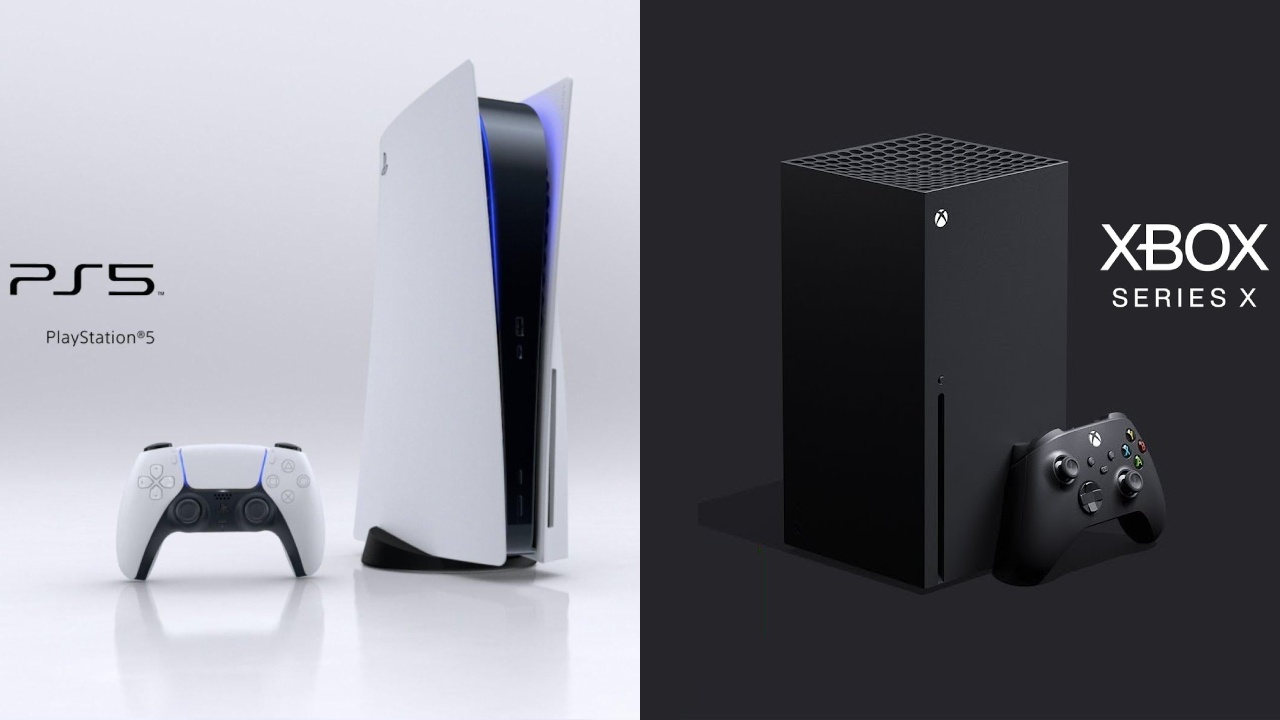
AI upscaling is becoming part of console gaming, with Sony bringing QSSR to the standard PS5 and AMD's FSR 4.1 coming to the Xbox Series X and Series S. Still, PlayStation has already introduced its solution. At the same time, Xbox could gain an advantage once developers start using FSR 4.1.
With GTA 6 approaching, these technologies have become a hot topic. An AI upscaler renders a game at a lower resolution and then uses a neural network, motion data, and previous frames to rebuild the image at a higher resolution. It fills in details that the console never actually rendered. The result is a sharper image and higher frame rates.
How AI Upscaling Works on Gaming Consoles
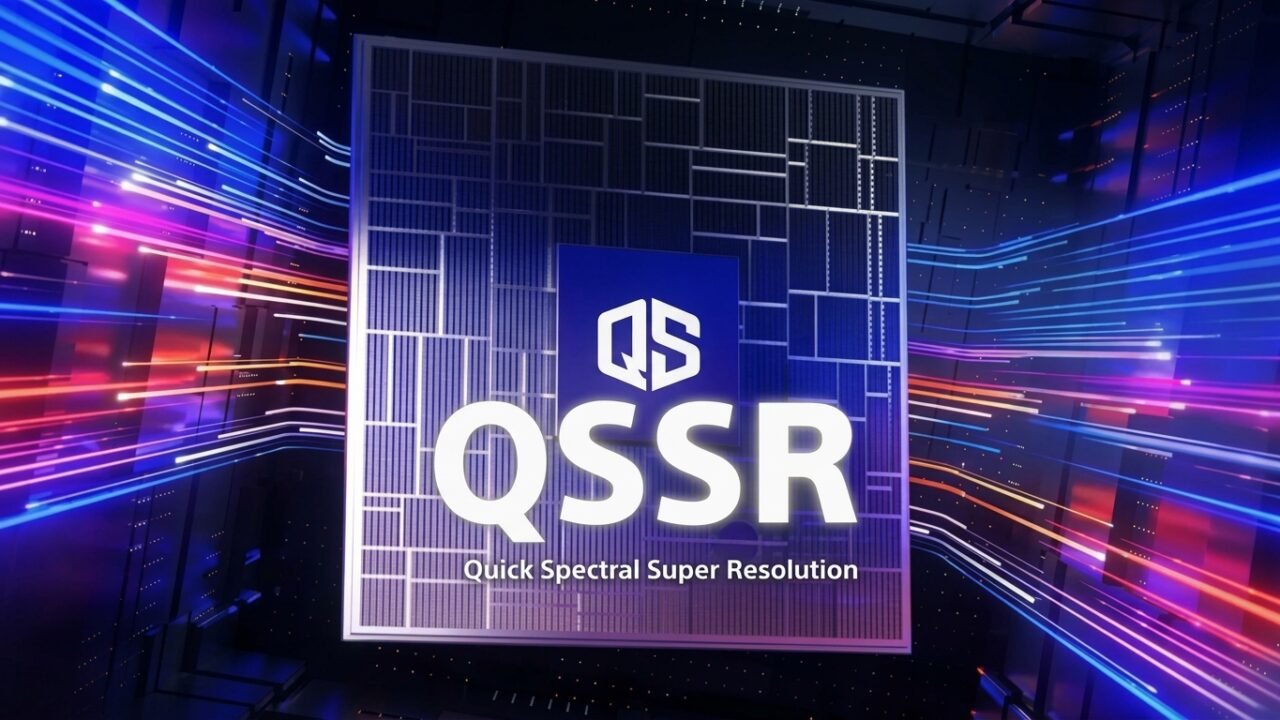
On PlayStation, Sony calls its AI upscaler PSSR, but it was previously available only on the PS5 Pro. Then, on October 1, Sony announced QSSR, or Quick Spectral Super Resolution. Sony describes QSSR as a performance tier of AI upscaling for the regular PS5. It uses a streamlined neural network that is hand-tuned for the console.
The technology is already available in two games, Marvel's Wolverine and Ghost of Tsushima, and Sony says it will be offered to all PlayStation developers. On Xbox, the technology is AMD's FSR 4.1. AMD rebuilt its AI upscaler to run on the RDNA 2 graphics hardware inside the Series X and Series S. Xbox engineers have also worked with AMD to tune it for Xbox hardware.
Neither the regular PS5 nor the Xbox Series X has dedicated AI cores like the PS5 Pro. So, on both consoles, the neural network runs on the same graphics cores that render the game. Every millisecond the upscaler takes is time the game cannot use for other tasks. At 60fps, a console has about 16.5ms to build each frame.
This means AI upscaling's processing cost matters because it can hurt performance if the console can't finish within the available time. Digital Foundry tested QSSR in Marvel's Wolverine to measure its impact on the regular PS5. In performance mode, the game renders at 864p, and QSSR rebuilds the image to 1440p.
The upscaling process adds about 1.5ms to almost 2ms per frame. At the same internal resolution, that translates to an 8–10 fps loss. As a result, the game reduces its resolution slightly to maintain 60fps. When QSSR is pushed to 4K, its processing cost rises to about 4.5ms, which is more than a quarter of the time available for a 60fps frame. This is why Digital Foundry suggests that 1440p is the sweet spot for QSSR on the regular PS5.
AMD FSR 4.1 Could Give Xbox Series X an Advantage
AMD says the FSR 4.1 version designed for older graphics cards uses an optimized INT8 model. INT8 means the technology performs its calculations using small 8-bit numbers, which is much faster than full-precision calculations on hardware without dedicated AI cores. This is where the Xbox Series X could have an advantage.
When Microsoft revealed the console in 2020, it included support for this type of 8-bit calculation and rated its performance at around 49 TOPS. Sony never advertised similar capabilities for the regular PS5. Series X GPU is also larger, offering around 12 teraflops compared with the PS5's 10.3 teraflops.
More compute power means the same upscaler can run faster, or a more demanding model can deliver better image quality in the same amount of time. Early evidence also suggests what FSR 4 can deliver on older hardware. Early evidence suggests FSR 4 was tested on a PC with an RDNA 2 graphics card and delivered about 23% more performance than native resolution, while looking better than the older FSR 3.
The software side could also affect how quickly developers adopt these technologies.
Developers who spoke to the YouTuber Moore's Law Is Dead said the Xbox development kit already includes plugins for FSR 3 and later versions. At the same time, Sony stopped updating its FSR plugins at around version 2.2. However, we still don't have a full answer on which technology performs better.
We know how much processing time QSSR takes on the PS5, but AMD hasn't published the processing cost of FSR 4.1 on the Xbox Series X. No game supports both technologies, so we can't compare them directly under the same conditions. PlayStation currently has the advantage of being available first.
QSSR is already running in games, and Sony says developers can add it to games that already use PSSR in just a few days. On Xbox, developers are expected to receive FSR 4.1 in the next couple of weeks, with a handful of games expected to support it during the holiday season. On paper, however, the Series X has the hardware resources to run this technology.
Editor, NoobFeed
Latest Articles
No Data.