
QSSR Could Improve PS5 Graphics Without New Hardware
Sony's QSSR technology could improve PS5 image quality while developers continue supporting existing console hardware.
PlayStation by Nahe Yan on Oct 10, 2026
Sony's QSSR raised questions about the future of the PlayStation 5 generation, next-gen console development, and how games will scale across different hardware. With rising development costs and changes in image reconstruction technology, developers may continue supporting existing consoles while using newer hardware for higher frame rates, improved image quality, and more advanced ray tracing.
The QSSR announcement raises the question of whether the PS5 could remain a major target platform much longer than previous console generations. This could lead to a situation where the PS5 remains the baseline, the PS5 Pro offers better image reconstruction and ray tracing, and the PS6 adds a much faster CPU, stronger ray tracing, and further machine learning improvements.
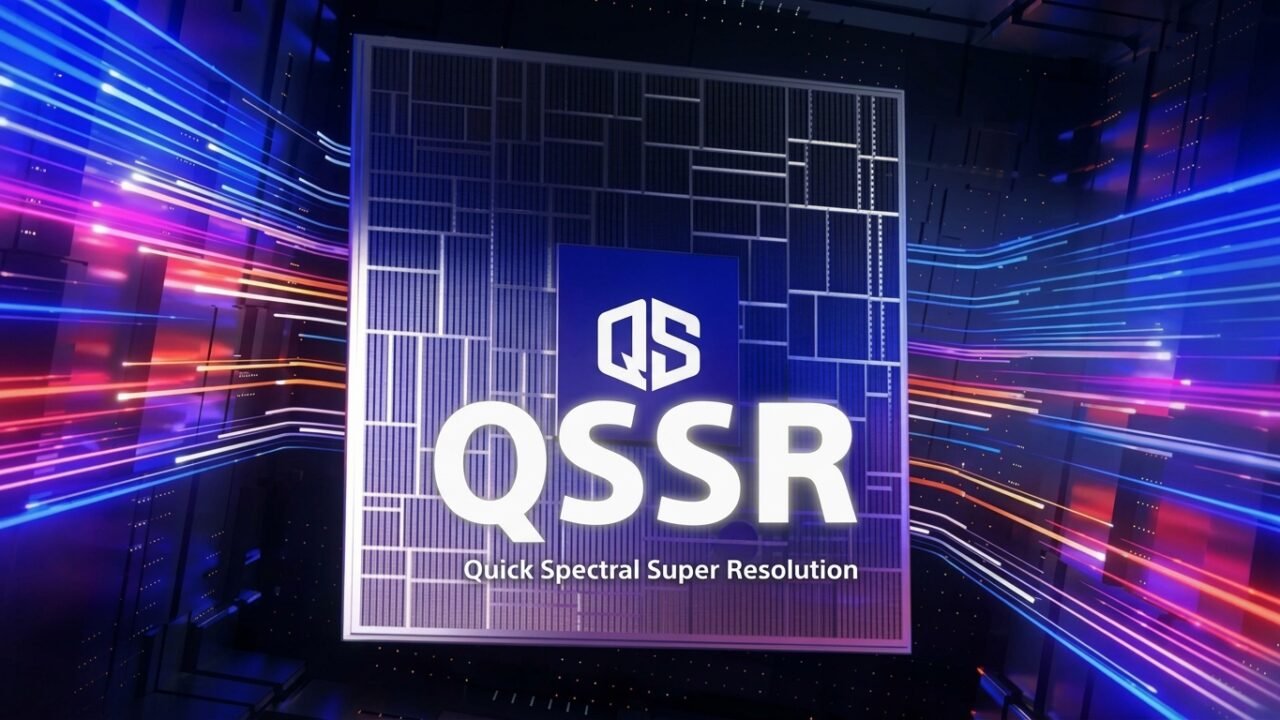
QSSR and the Future of the PlayStation 5 Generation
There could eventually be a point where there is no traditional next-generation game in the usual sense. Instead of cutting off the old generation, developers could continue scaling the same games across increasingly wide hardware ranges. Newer machines could use their additional performance for higher frame rates, better image reconstruction, heavier ray tracing, and even path tracing.
Something similar is already happening on PC, where older GPUs remain in minimum system requirements. GTX 10-series cards, particularly the GTX 1070 class, still appear surprisingly often in game specifications. This suggests long-lived baseline hardware with scalability above it, letting newer machines stand out through lighting, image quality, and performance while keeping the underlying game identical.
However, scaling games upward rather than downward could reduce the appeal of launching a new console. If developers mainly add features to existing games, they may not fully use the new hardware's capabilities. This could explain why the current console generation hasn't felt like a major improvement over the previous one, even though the underlying hardware is significantly better.
QSSR Could Be a Side Effect of Research and Development
QSSR may be more of a side effect of ongoing research and development than a specific plan to extend the PS5 generation. Like PSSR, it may not apply broadly across every game, but it could still be useful in titles that implement the technology. It is also worth seeing Sony continue investing in keeping the aging PS5 current through improvements to image reconstruction and presentation.
One example is the introduction of MLAA during the PlayStation 3 generation. The PS3 struggled with anti-aliasing. Although MSAA was available, games often used the Quincunx variant or no anti-aliasing at all. Developers eventually discovered that the Cell SPUs could perform anti-aliasing, leading to an effective post-processing AA technique for its time.
That technology became more widely used during the latter half of the PS3 generation, especially in first-party software. QSSR brings to mind a similar situation, where new research developments let Sony improve the gaming experience by applying techniques that weren't previously available.
The next console generation faces a different situation than previous generations. The main bottleneck is no longer necessarily the hardware itself. In the past, a new console generation offered developers new ways to achieve visual effects and performance levels that were previously impossible.
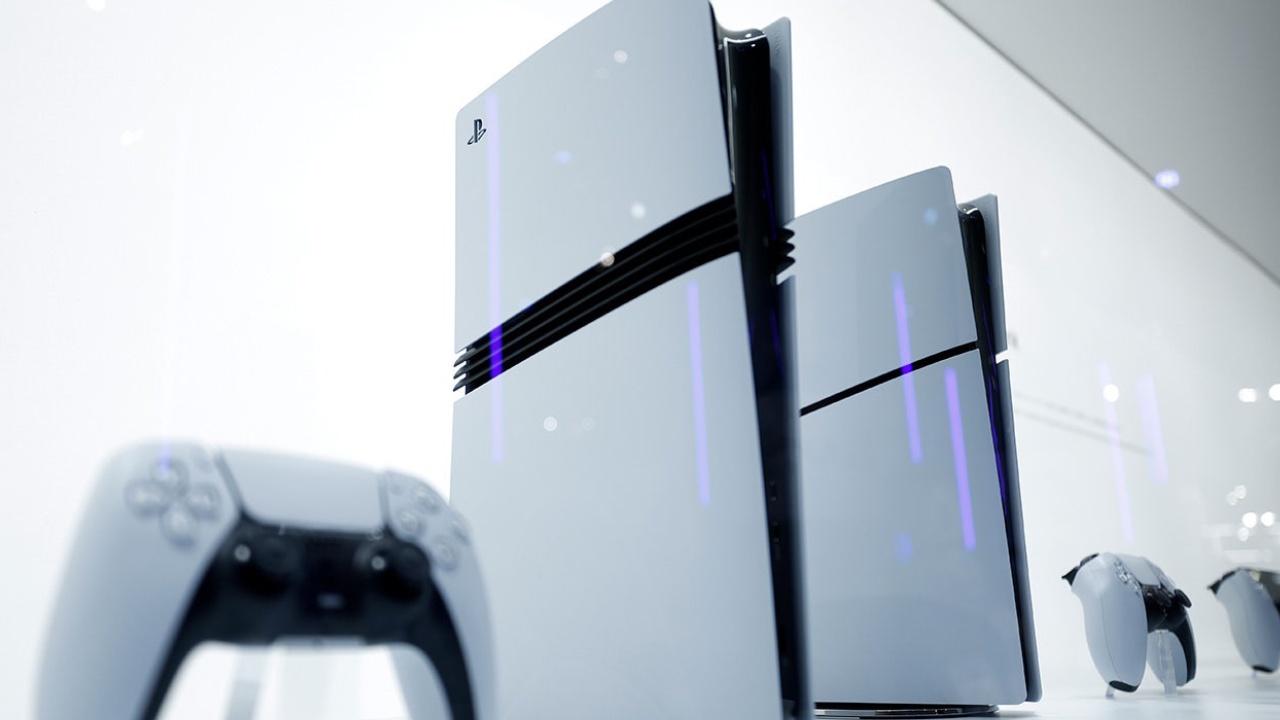
The differences between console generations are also less obvious than they used to be.
Earlier generational transitions often delivered clear visual improvements. Ray tracing, for example, is a major technological leap, but many users may not notice or appreciate its full benefits unless they look closely. This means technological advances may not be perceived the same way as previous generational improvements.
Even with the PS6, it may be hard to deliver something that makes people feel they are seeing a massive leap over the PS5, especially if developers cannot produce enough content to show those capabilities. Modern PC games demonstrate how additional hardware capabilities can improve an experience without changing the underlying game.
From a financial perspective, this approach makes sense. Games can cost hundreds of millions of dollars to develop, so ensuring that they work across as many hardware platforms as possible helps developers reach a wider audience. This is a difficult situation for the next generation of consoles.
Editor, NoobFeed
Latest Articles
No Data.