
PS5 QSSR Upgrade Improves Image Quality and Stability
Sony brings a lighter PSSR-style AI upscaling solution to base PS5 consoles through new QSSR technology and game patches.
PlayStation by Nahe Yan on Oct 04, 2026
The standard PS5 is getting a new AI-based upscaling feature previously associated with the PS5 Pro. Sony has introduced Quick Spectral Super Resolution (QSSR) for the standard PS5, with Marvel's Wolverine and Ghost of Tsushima receiving support via patches. The technology is designed to improve image detail and temporal stability while working within the hardware limits of the standard console.
This is a massive win for base PS5 owners because Sony did something unexpected this late in the generation. It brought a lighter version of PSSR-style AI upscaling to the regular PS5. Sony is calling it Quick Spectral Super Resolution, or QSSR, and Marvel's Wolverine and Ghost of Tsushima are the first two games getting it.
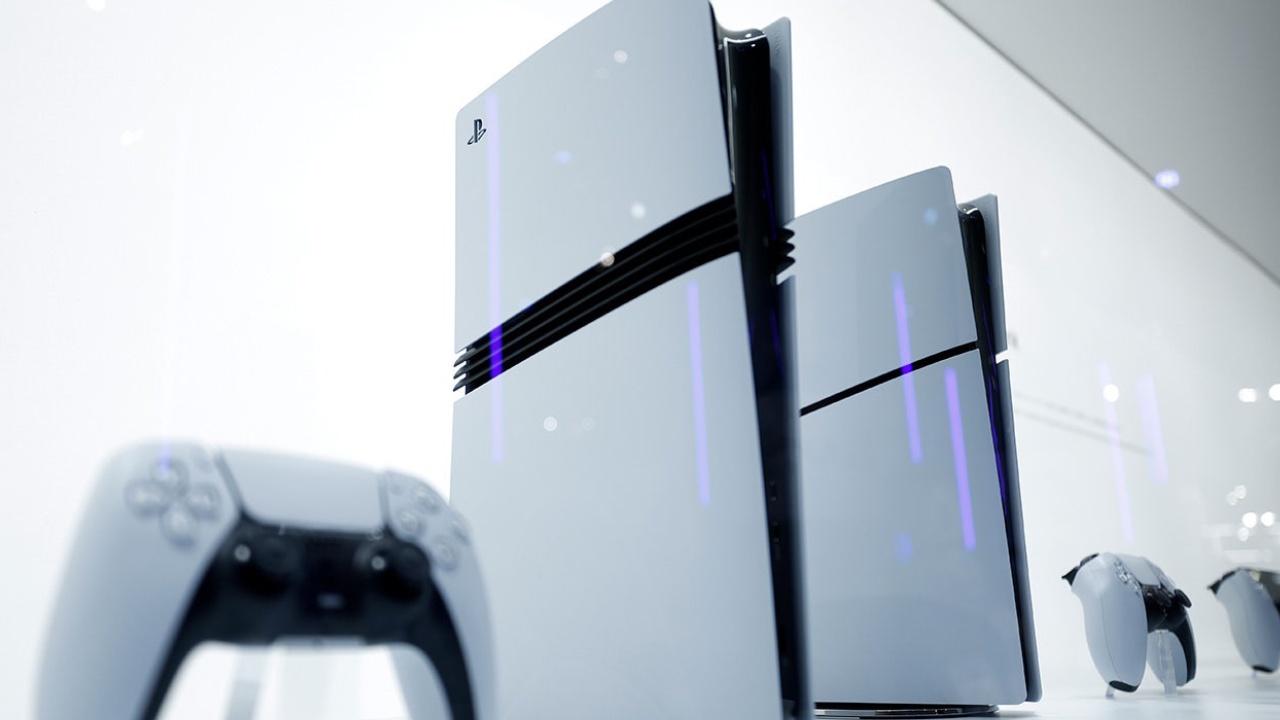
QSSR Brings PSSR-Style Upscaling to Base PS5
Both games are getting a QSSR patch as an additional graphics option on the base PS5. If this works as well as the early tests suggest, this could be one of the late-generation upgrades the standard console gets. The basic idea is pretty simple. PSSR on PS5 Pro uses AI to analyze the image and reconstruct a cleaner, sharper final picture with better detail and stability than traditional upscaling.
The problem is that PSSR was built around the extra hardware in the Pro. So until now, Sony basically said bringing that same kind of experience to the base PS5 was too computationally expensive. QSSR is Sony's answer. It comes out of Project Amethyst, Sony's AI graphics collaboration with AMD.
So no, this is not full PSSR. Sony still says PSSR is the gold standard on PS5 Pro, but QSSR is supposed to give base PS5 users some of the same benefits, especially cleaner fine detail and better temporal stability. That second part matters a lot because image quality is not just about how sharp something looks in a screenshot.
QSSR Focuses on Image Stability
It is about what happens when the camera moves. Grass, fences, power lines, distant buildings, hair, and thin geometry can shimmer, crawl, break apart, or turn into noisy mush when normal upscalers are pushed too hard. Insomniac says QSSR adds more pixel-level clarity and stability to Wolverine, especially in places like Madrappor and Shinjuku, where the screen is packed with fine detail.
Mike Fitzgerald described it as bringing a great taste of the PS5 Pro experience to the base machine. And honestly, that is the best way to frame it. You are not suddenly turning a base PS5 into a Pro, but you are getting some of that technology trickled down without paying $900 for a new console. Sucker Punch is saying something very similar with Ghost of Tsushima.
Their rendering team says QSSR does a much better job of resolving fine details in characters and environments and gives the base PS5 a level of image stability that wasn't really possible before. The early comparison clips are promising. In Wolverine, distant buildings hold together better. They are still softer than what you would get on Pro because, again, this is a lighter model, but the fine detail does not fall apart as badly.
In Ghost of Tsushima, the grass and foliage are an even better example. With the old solution, some of it starts looking like broken green lines floating around. With QSSR, the actual shape holds together much better. Digital Foundry dug into this, and that is where the story gets more interesting: AI upscaling isn't free. None of these techniques are magic.
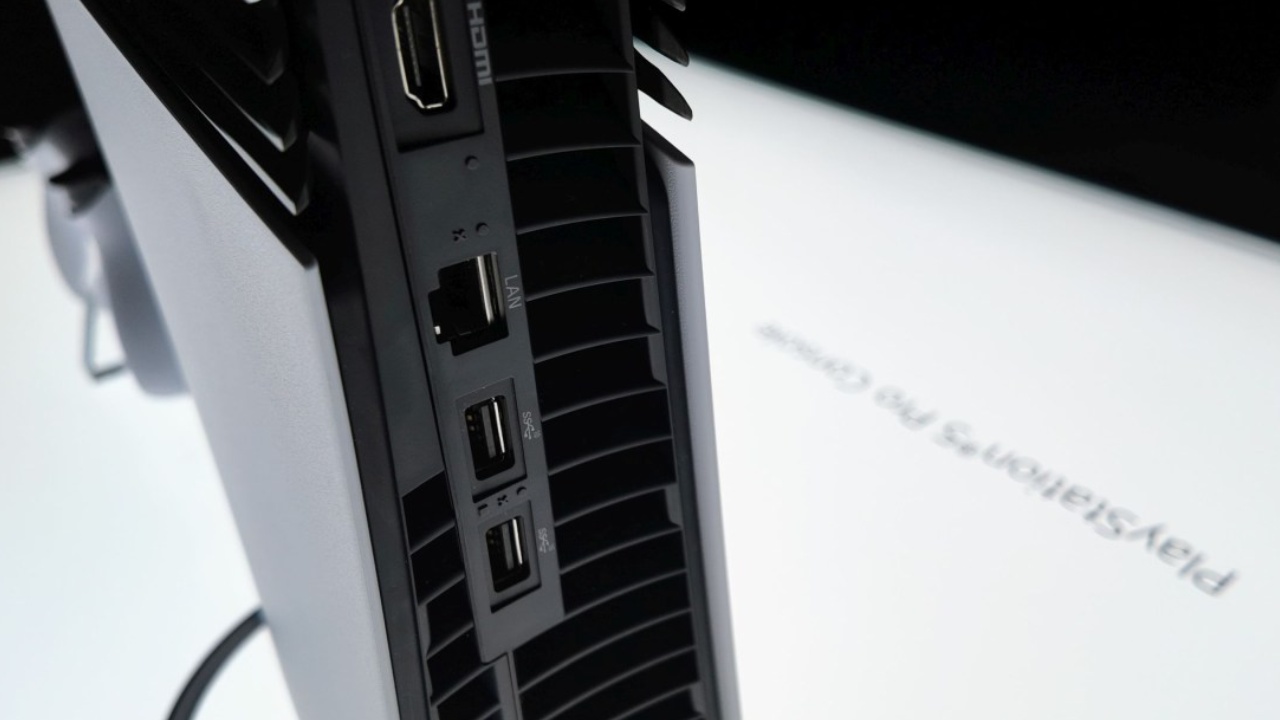
The whole game is figuring out whether the gain in image quality is worth the cost.
On the PS5 Pro, PSSR adds around 2ms to frame time when upscaling to 4K. Digital Foundry tested QSSR in Marvel's Wolverine and found that, in performance mode, running uncapped with VRR, QSSR was about 1.5-1.8ms slower than Insomniac's own upscaler when reconstructing from roughly 864p to 1440p.
In raw frame-rate terms, that worked out to about an 8 to 10fps difference. At first, that sounds rough. Then you look at how the game actually works in the normal 60Hz performance mode. Instead of letting the frame rate collapse, dynamic resolution drops a little to make room for QSSR. So, the game still targets around 60fps while giving you a cleaner final image.
That is the trade-off. You sacrifice some internal resolution so the AI reconstruction can rebuild a better picture. And for a lot of modern console games, that actually makes sense. We have already seen plenty of games this generation render internally at surprisingly low resolutions just to hit performance targets, then rely on upscaling to make the final image presentable.
Editor, NoobFeed
Latest Articles
No Data.