
AMD Ryzen 9 5900X3D Leak Reveals Hidden AM4 Processor
AMD’s unreleased Ryzen 9 5900X3D surfaces alongside new details about EVGA’s NVIDIA dispute, 256-core Zen 6 EPYC processors, and next-generation Radeon GPUs.
Hardware by Nahe Yan on Oct 09, 2026
AMD has been developing processors and graphics cards across multiple generations, with some products reaching the market while others remain in development. Recent discoveries have revealed a Ryzen 9 5900X3D engineering sample that never reached retail, adding context to EVGA's departure from the graphics card market.
Meanwhile, new information about AMD's next high-end Radeon GPU suggests a different approach to its compute die layout. AMD built a Ryzen 9 5900X3D that never reached stores, and one of those chips has now appeared in the wild. The engineering sample is a 12-core, 24-thread Zen 3 processor for AM4 with 128MB of L3 cache, double that of a normal Ryzen 9 5900X.
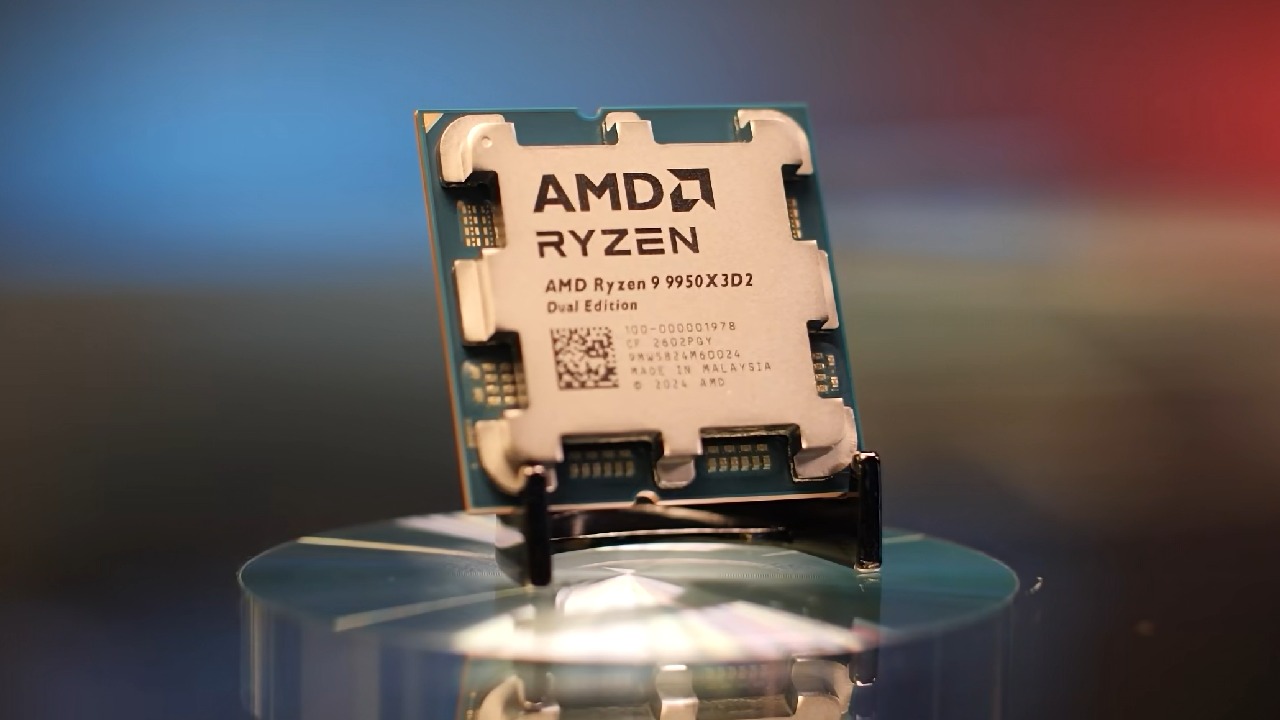
AMD's Unreleased Ryzen 9 5900X3D Engineering Sample
The interesting part is the layout. Only one of the two CCDs appears to have an extra 64MB of 3D V-Cache, giving one chiplet 96MB while the other keeps 32MB. That should sound familiar, as AMD later used a similar asymmetric approach on Ryzen 9 X3D processors, where one CCD gets extra cache for gaming. At the same time, the other can prioritize higher clock speeds.
AMD had already demonstrated a 12-core 3D V-Cache prototype years ago, but this sample shows the company was experimenting with something much closer to its modern X3D strategy. That does not prove the 5900X3D would have been an AM4 gaming king. It is an engineering sample, not a retail CPU, and there are no proper independent gaming benchmarks yet.
However, it gives us a rare look at a processor AMD could have released but chose not to. It may also clarify why EVGA left the graphics card market. Former EVGA employee Brandon Ray Hedrick, who worked there from 2016 to 2019, has published a detailed account of the growing problems he says existed in EVGA's relationship with NVIDIA.
EVGA's Departure From the GPU Market
According to Hedrick, NVIDIA’s Founders Edition cards changed the relationship because NVIDIA was no longer just supplying GPUs. It was also competing directly with board partners. He also claims EVGA believed it needed to offer at least one model at NVIDIA’s advertised starting price or risk hurting its GPU allocation, even when that card lost money. That created a difficult business model.
EVGA had to recover profit from more expensive custom cards just as NVIDIA’s own designs were becoming more competitive. Hedrick left in December 2019 and says he expected the relationship to turn into a major confrontation within four or five years. EVGA exited the GPU business in 2022.
His account covers only his experience through 2019, so it doesn't fully explain a decision made years later. However, it adds new context to one of PC hardware’s biggest breakups. AMD has officially detailed its first Zen 6 EPYC processors, and the flagship numbers are substantial.
It also features 1GB of L3 cache and supports up to 600W of CPU power. Its listed price for 1,000 units is $14,904. The platform supports 16 channels of DDR5 MRDIMMs at speeds up to 12,800 MT/s, along with PCIe 6.0. AMD also says Zen 6 uses TSMC's 2nm process technology.
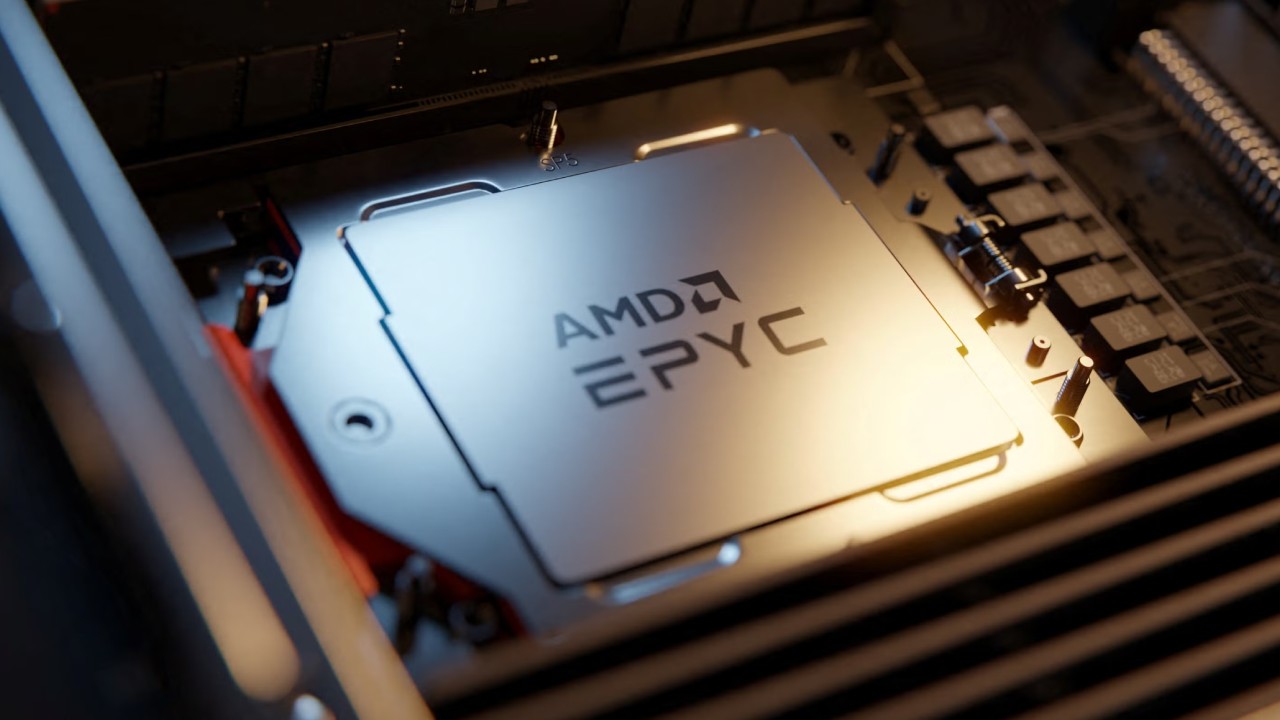
AMD’s next flagship Radeon GPU could use one large compute die.
AMD’s next high-end Radeon GPU may be physically large, but one important rumor has changed. Earlier speculation suggested the flagship AT0 design could split shader hardware across several compute dies. In simple terms, AT0 could still be a chiplet GPU, but the shaders may sit on one large compute die instead of being divided across multiple compute chiplets.
Rumors also point to around 154 compute units, but AMD has not confirmed that number, the product name, memory configuration, or gaming performance. Names such as RX 10950 XTX should not be treated as official yet. We do know AMD is preparing GFX 13-era graphics support, and the high-end Radeon story is getting more interesting.
AMD’s hardware developments span several areas, from an unreleased Ryzen X3D processor to its next-generation server CPUs and Radeon graphics cards. An engineering sample of the Ryzen 9 5900X3D reveals an earlier approach to 3D V-Cache. At the same time, Hedrick’s account provides more context on EVGA’s relationship with NVIDIA before it departs from the GPU market.
Editor, NoobFeed
Gaming Hardware Updates
No Data.