
AM4 is Back: Ryzen 7 5800X3D Becomes the Answer to High DDR5 Memory Prices
AMD’s Ryzen 7 5800X3D is finding renewed relevance as the DRAM crisis makes AM5 upgrades increasingly expensive.
Hardware by Tanvir Kabbo on Aug 26, 2026
AMD's AM4 platform was supposed to be yesterday's hardware. Yet in late 2026, it is experiencing an unexpected resurgence as gamers increasingly look toward older motherboards and the legendary Ryzen 7 5800X3D to escape the brutal economics of modern PC building. The reason is not nostalgia. It is money.
The ongoing global DRAM shortage has kept DDR5 memory prices stubbornly high, making an AM5 upgrade considerably more expensive than many budget and mid-range builders anticipated. Instead of paying a premium for a new motherboard, processor, and DDR5 kit, some gamers are turning back to AM4, where affordable DDR4 memory and mature motherboards offer a surprisingly compelling alternative.
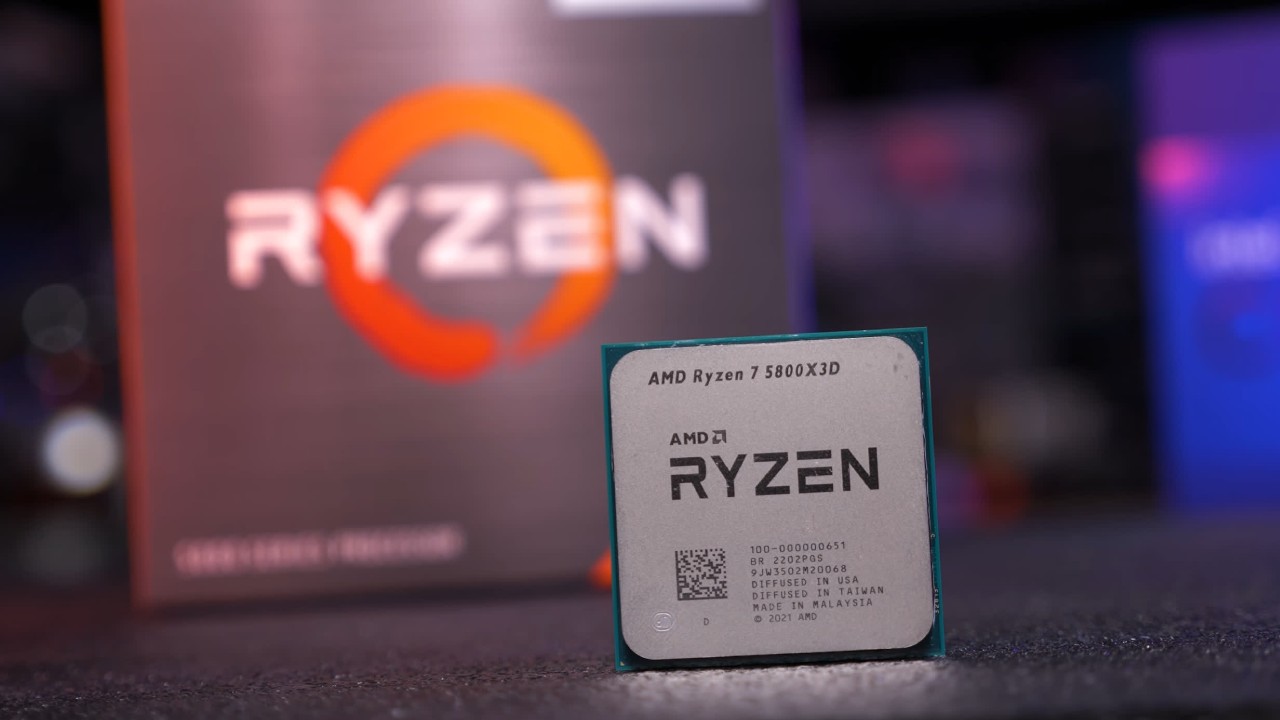
That makes the 5800X3D particularly interesting. A processor once considered the final upgrade for AM4 is suddenly becoming relevant again because its architecture was designed to extract extraordinary gaming performance from an otherwise aging platform.
The 5800X3D Magic
The secret behind the Ryzen 7 5800X3D is AMD's 3D V-Cache technology. The Zen 3 processor features a massive 96MB L3 cache, allowing it to keep substantially more game data closer to the CPU rather than repeatedly accessing comparatively slower system memory.
This matters because DDR4 is fundamentally behind DDR5 in bandwidth and platform-level efficiency. Typically, migrating to newer memory would clearly benefit memory-intensive workloads. The 5800X3D, however, reduces how often gaming workloads need to rely on system RAM.
That does not make DDR4 faster than DDR5. Instead, the additional cache helps conceal some of DDR4's limitations in gaming. This is why the 5800X3D has aged unusually well. Its raw architecture is no longer cutting-edge, but its enormous cache gives it a gaming-focused advantage that remains highly relevant.
For gamers who already own an AM4 motherboard, upgrading from an older Ryzen processor to a 5800X3D can deliver a significant performance uplift without rebuilding the entire system. The processor therefore represents something increasingly valuable in 2026: performance without an expensive memory-platform transition.
The DDR5 Paywall
The biggest threat to AM5 adoption right now is not AMD's processor lineup. It is the price of entry. Moving from AM4 to AM5 requires a new motherboard, DDR5 memory, and a new CPU. Under normal market conditions, that additional expense is justified by the newer platform and its considerably longer upgrade path. But the current DRAM shortage has changed that calculation.
AI infrastructure continues to consume enormous quantities of advanced memory and related semiconductor capacity, pressuring the broader memory market. As DDR5 pricing remains elevated, budget builders face a difficult choice: spend heavily on a complete AM5 platform or stick with DDR4 hardware that can still deliver strong gaming performance.
For many consumers, the second option is becoming increasingly attractive. That explains the renewed interest in AM4 motherboards. The platform may lack the future upgrade flexibility of AM5, but it allows builders to avoid the immediate DDR5 premium. For someone trying to maximize frames per dollar during a period of extreme hardware inflation, that difference can be substantial.
.jpg)
AM4 is Not Dead Yet
The most important distinction is between upgrading an existing AM4 system and building an entirely new one. For existing AM4 owners, the argument is exceptionally strong. A gamer with a Ryzen 3000 or older Ryzen 5000 processor can potentially upgrade to the Ryzen 7 5800X3D while retaining the motherboard and DDR4 memory. That turns what could have been an expensive platform overhaul into a much more targeted CPU upgrade.
A fresh AM4 build requires more consideration. Buying a new AM4 motherboard and 5800X3D today means investing in a platform with essentially no meaningful future CPU generation beyond Zen 3. The 5800X3D is also no longer the inexpensive used-market champion it once was, making a complete AM4 system less compelling if its price approaches that of a modern AM5 configuration.
However, that does not make AM4 irrational. It simply changes the strategy. If DDR5 prices remain inflated, an inexpensive AM4 system can function as a bridge. Instead of spending heavily today, a builder can achieve excellent gaming performance with DDR4 and postpone the inevitable AM5 transition until memory prices become more reasonable.
Senior Editor, NoobFeed
Gaming Hardware Updates
No Data.