
AM4 Refuses to Die as Ryzen 5000 Remains the Mainstream Gaming Favorite
Ryzen 5000 processors continue dominating mainstream gaming systems thanks to strong AM4 upgrade paths and affordable DDR4 memory.
Hardware by Tanvir Kabbo on May 16, 2026
The Ryzen 5 3600 has been a mainstay for the most part in the consumer PC performance testing market and it is finally being phased out in favor of the Ryzen 5 5600. That's after a massive community poll that showed how far the PC gaming landscape has come, especially among the faithful AM4 users.
The Ryzen 5 3600 was still a decent yardstick for console-style performance, but today's games reveal its aged architecture and lower single-core performance.
.jpg)
Community Poll Reveals a Clear Shift Toward Ryzen 5000
The debate started with a poll to see how future performance reviews of the mainstream PC should be done. Years of testing games on the Ryzen 5 3600 have shown that if it worked well on that processor, it would most certainly run even better on later chips.
The reasoning behind it was simple. With a 60fps title, you should generally have a great experience on CPUs that are Ryzen 5000, Ryzen 7000, or newer. The processor also provided a rough approximation of console CPU power, making it easier to compare the quality and efficiency of PC ports.
But readers have pointed out that the 3600 still seemed like a modern, mainstream gaming PC, which is why. A vote count was started in the community, which collected over 26,000 votes. Looking at the results, those still using Ryzen 3000 and earlier processors accounted for roughly 10% of the user base, suggesting an opportunity to replace them.
The processors with the most votes in the poll were the Ryzen 5000, which received 38%, while the Ryzen 7000 and Ryzen 9000 together received just over 50%. The long-running AM4 socket was so ubiquitous that, despite this, Ryzen 5000 was the biggest win.
Ryzen 5000 Remains the Sweet Spot for Mainstream Gamers
One of the fundamental aspects that makes the Ryzen 5000 series so great is its lifespan. DDR4 memory will still be much cheaper than DDR5, and the platform continues to have some good upgrade options, particularly for X3D processors.
Meanwhile, many users were reluctant to switch to newer platforms as motherboard prices rose during the Ryzen 7000 migration. This caused a great swath of the PC gaming population to feel at ease with AM4 and not look back.
Ryzen 5 5600 has stood out as the perfect replacement for Ryzen 5 3600, especially. The Ryzen 5600 offers a more streamlined design than the Zen 2 before it, with a few areas that the new architecture is better at handling than the older design, which are more apparent in modern games.
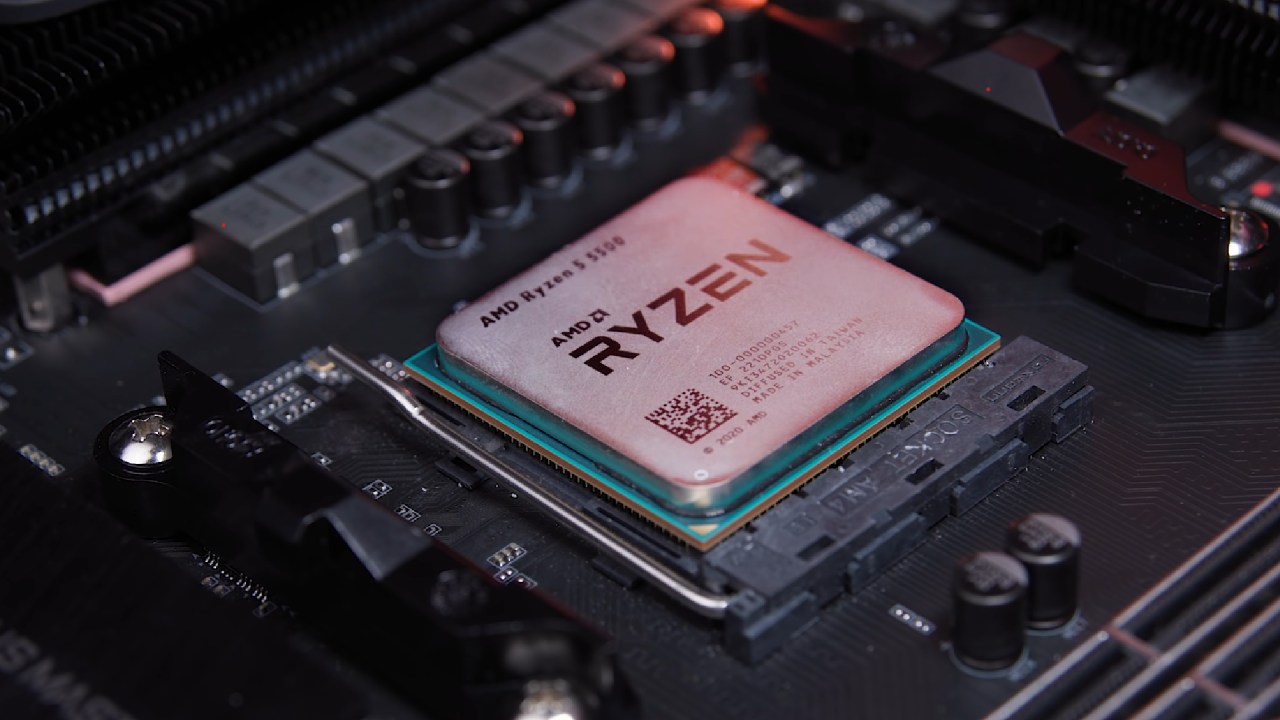
Why the Ryzen 5 3600 Started Falling Behind
The Ryzen 5 3600 still excels in a handful of the latest games, but the problems are growing harder to overlook. Single-threaded games are high-risk for uncovering serious processor weaknesses. The biggest problem is the split-core architecture, which splits cores across different complexes. The Ryzen 5000 series changed that, eliminating latency issues that could significantly affect gaming performance.
For those who have a more contemporary title, the Ryzen 5 3600 should still offer satisfactory performance. Presumably, Pragmata and Death Stranding were playing nicely on the processor. When the CPU is having trouble, though, performance can drop quite sharply.
These flaws were also brought to light by far older games. One such example was mentioned was Far Cry 3. The game relied heavily on the single-threaded CPU performance of its older DX11-era engine, and reportedly, performance dropped to around 49fps or 50fps after the second island.
Classic PC Games Still Push Modern Hardware
Eventually, the discussion turned to older PC games that still push modern PC hardware to its limits. As usual, it was the game that made the CPU talk, and the infamous "Ascension" level was once again a topic of conversation. That stage persisted for several years after release, causing particle effects related to the tornado sequences to stress systems for several years.
Subsequent developers and modders found that by stripping some of those effects, CPU performance would be substantially increased, but at the cost of the level's visual effects. Also mentioned was the remastered version of Crysis. What is interesting here is that the Ascension level was not initially included in the original remaster, but was added back later.
The remaster even had more cloud rendering capabilities missing from the opening level, which was based on console code. It's remarkable that the allure of Crysis persists, as some titles stay as unofficial hardware benchmarks long after their release. In fact, the game's reinstallation is still a drawcard for many when conversations about a hardcore PC experience resurface.
Senior Editor, NoobFeed
Gaming Hardware Updates
No Data.