
AMD Zen 6 and RDNA5 Leaks Gain Credibility With New Driver Updates
AMD’s latest Linux and Windows updates reveal new details about Zen 6 processors and next-generation Radeon GPU hardware.
Hardware by Nahe Yan on Oct 08, 2026
AMD has continued to reveal information about its upcoming CPU and GPU platforms through software updates, driver changes, and hardware references. Recent Linux and Windows updates point to Zen 6 processors, RDNA 5 or UDNA graphics, and several unreleased chips that could power future gaming hardware.
AMD just submitted another major batch of changes for Linux 7.4 specifically designed to support its upcoming Ryzen processors. The first two major additions include new maximum frequency handling and updated power tuning for Zen 6's different core types. The next-generation Ryzen processors will introduce a third low-power core type alongside the regular Zen 6 core and Zen 6c efficiency core.

AMD Adds Zen 6 Support to Linux 7.4
These new cores perform differently, so Linux needs to understand each one's actual power properly. Zen 6 apparently changes this enough that AMD is now calculating relative performance using frequency information instead of the more abstract performance scale used before. AMD is also separately tuning EPP, or energy performance preference, for LP cores and performance cores.
This changes how aggressively those cores prioritize raw performance versus saving power. There is clearly a decent amount of work going into making sure Zen 6's different cores are actually being used properly. That wasn't the only Zen 6 update. AMD also just added support for a new hardware security feature called BTI context isolation.
This lets Zen 6 isolate different branch-prediction contexts, such as applications from the kernel or virtual machines from their host, directly in hardware. As a result, Zen 6 no longer needs one of the older software mitigations used on previous processors. The CPU side is not the only area receiving updates.
AMD Updates Unreleased Graphics Hardware
AMD also sent another batch of Linux graphics updates that add support for several unreleased hardware blocks, including new versions of its I/O, memory hub, and system management hardware. It also jumps to VPE 3.0, AMD's next video processing engine. Over on Windows, AMD's latest Adrenalin driver was found to contain three completely unannounced code names: AT Light 3, Gainsborough, and AT2.
Starting with AT Light 3, leaker Kepler L2 believes this could actually be the graphics portion of Orion, Sony's next-generation PlayStation 6 chip. There is some precedent for that naming. During development, the PS5 GPU appeared under names like Navi 10 Light, so the Light designation showing up again is interesting. Gainsborough is even more obvious.
The original Steam Deck's custom AMD chip was code-named Aerith, as in Aerith Gainsborough from Final Fantasy VII. Seeing an unreleased AMD chip called Gainsborough has immediately sparked speculation that it could be intended for a future Steam Deck 2. The chip has reportedly already appeared in shipping data tied to hardware validation.
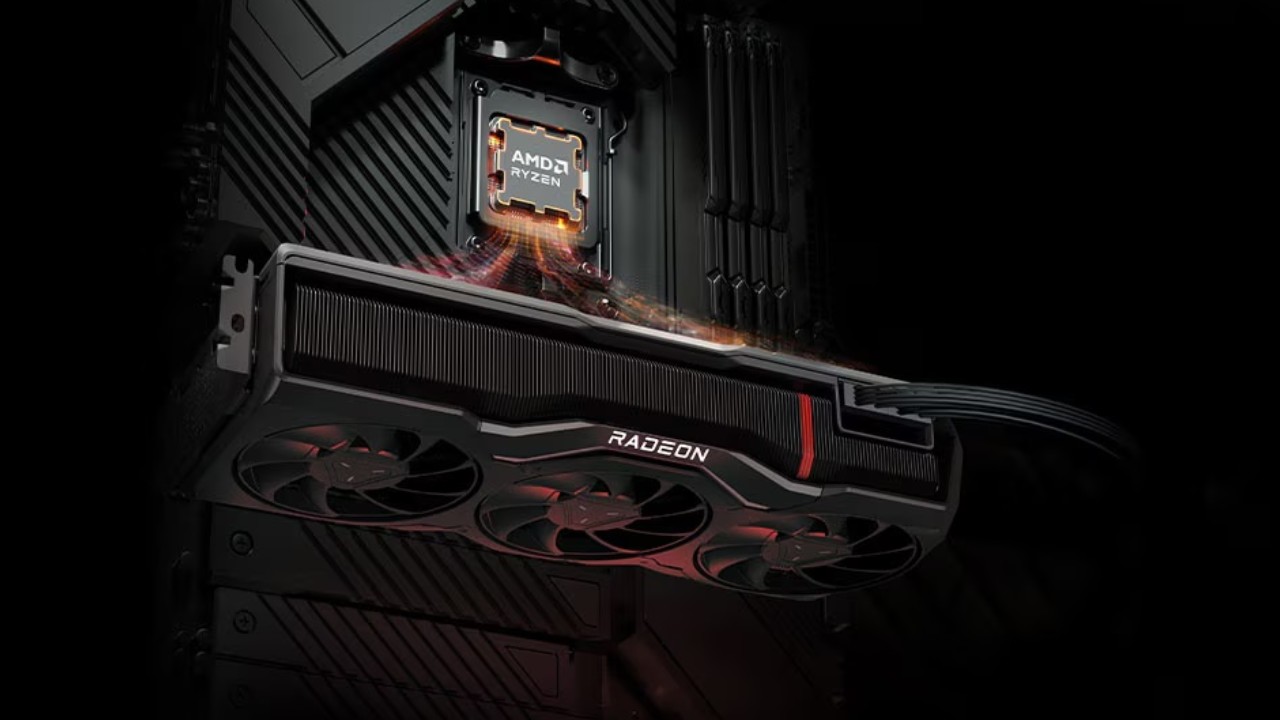
The third name, AT2, could tell us something about AMD's next-generation desktop GPUs.
For those who don't know, AT2 is a designation for an actual GPU that goes inside a next-generation card. As far as I can tell, this is the first mention of any AT anything from AMD. Even if it isn't, it still matters because leaks go back this far, which could show the leakers knew something.
Unlike the progression of code names such as RDNA2, RDNA3, and RDNA4, the GPU inside Radeon GPUs has usually been Navi something for years. For example, the GPU inside AMD's 9070 XT is codenamed Navi 48. Leakers like Moore's Law Is Dead and Kepler named AT2 long ago, and now it appears in an official AMD driver.
We've seen that AMD's top AT2 chip has only 64 CUs. The full AT2 chip has been leaked to have 70 CUs, but the gaming GPU made from it has 64 CUs. For AMD to release a next-generation card with the same number of CUs as the current generation suggests the company is changing the architecture itself.
Editor, NoobFeed
Gaming Hardware Updates
No Data.