
PS5 Physical Game Sales Could Give Sony a Reason to Rethink Its Digital-Only Future
Marvel's Wolverine reportedly sold 35% of its copies physically worldwide, with boxed sales reaching 51% in Europe, raising questions about Sony's PlayStation 6 plans as game key cards also gain traction on the Nintendo Switch 2.
News by Mahi Araf on Oct 09, 2026
Sony's transition to digital gaming may not be going as smoothly as the company would like, especially given the sales of some of its biggest PlayStation 5 releases. While digital purchases may be dominating game sales across the industry, new data suggests that physical copies still hold a significant place in the market, especially among players purchasing major first-party releases.
Though companies increasingly focus on digital sales when talking about the industry's future, the figures don't always tell the full story. For instance, Capcom has said in the past that physical sales account for less than 10% of its game sales. But how companies report different products can make those figures hard to compare directly. For example, game key cards are tangible products you can buy at retail and then sell, trade, or lend, even though you still have to download the game.
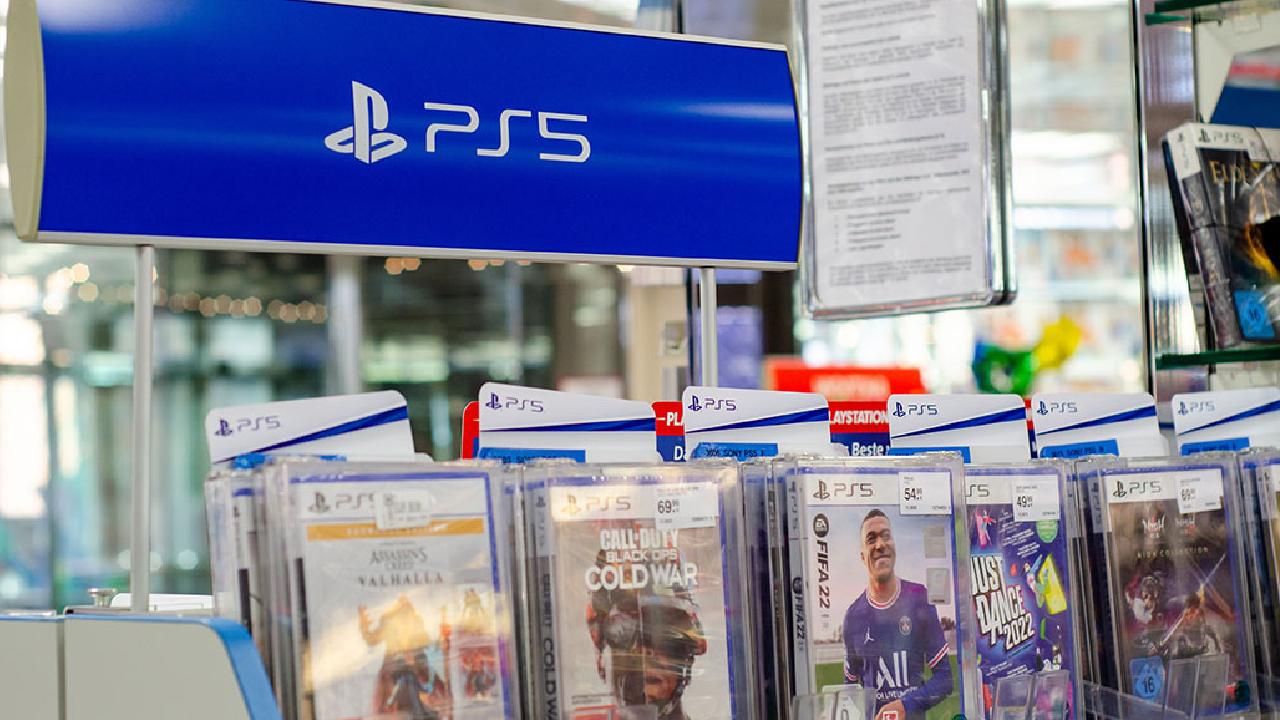
That difference matters for the future of physical gaming. A game key card isn't a traditional cartridge or disk that contains the game, but it's also not a purely digital purchase with no physical product. These differences may become increasingly important as companies continue to move toward digital distribution.
The latest sales figures for one of Sony's big PS5 exclusives, Marvel's Wolverine, give an interesting peek into the situation. According to Ampere Analytics figures shared by Game Business, 35% of the game's worldwide sales came from boxed copies. That means more than one-third of its reported sales were physical, despite the industry's continued shift toward digital purchases.
Physical copies of Wolverine also seemed plentiful at launch, so a widespread retail shortage didn't necessarily drive the figures. Thankfully, the game was easy to find in stores, and gamers who wanted a boxed version on launch day could still buy one. Stock availability can shape buying habits, especially when a game is hard to find at retail. Still, Wolverine's figures show physical demand can be just as high even when those issues aren't a major concern.
Resident Evil Requiem is a good point of comparison, as reports said physical copies were harder to find at retail around the time of release. And even if more stock becomes available later, shortages like this can push players to go digital simply because it's easier to get. Even so, Wolverine's physical sales stand out because they show that many players still prefer buying games in stores.
The figures get even more interesting in Europe. Across the region, 51% of Wolverine's sales reportedly came from boxed copies, meaning physical purchases actually accounted for the majority of its sales there. However, preferences vary considerably between European countries. In the United Kingdom, around two-thirds of sales were digital, while France saw more than two-thirds of sales come from physical copies.
These distinctions matter, as Sony reportedly plans to end physical game distribution in Europe by 2028. In the past, European markets have been more inclined toward physical games than other regions, especially in the United States where digital purchases are more prevalent.
A loss of physical sales could therefore mean for Sony giving up a meaningful part of the audience that still buys its big releases at retail. Physical distribution is more expensive because it requires manufacturing disks, printing packaging, shipping products, and sharing revenue with retailers. Digital purchases can provide better margins because many of those costs are reduced or eliminated.
Of course, Sony has to factor those financial benefits into its plans for how it wants to distribute games in the future. The company likely has an internal calculation of how many brick-and-mortar customers it can sustain losing before the added income from digital sales no longer justifies making the change. But the latest numbers suggest physical demand remains strong enough to warrant attention.
The trend isn't limited to Wolverine. Silent Hill: Townfall reportedly sold more than 45% boxed copies, and The Blood of Dawnwalker reached 36% physical sales on PS5. Another sign that players are still buying boxed copies of big releases: Onimusha had a 30% physical sales ratio.
.jpg)
These figures also confuse the argument that physical gaming is becoming irrelevant. While digital purchases dominate certain parts of the market, the picture can look different when you focus on particular genres and major console releases. For example, the numbers support games that differ considerably from first-party PlayStation titles.
Ampere's September figures show how digital purchases dominate some of the industry's biggest releases. EA Sports FC 27 reportedly sold almost five million copies during the month, with just 7% of sales coming from boxed versions. That leaves about 93% of sales digital. NBA 2K27 followed a similar pattern, with around 92% of its sales reportedly being digital.
Those figures aren't particularly surprising, given how mainstream sports games are purchased. Players often buy the latest release, and digital storefronts make it easy to buy a new game without visiting a retailer. These numbers suggest many players are comfortable buying games digitally.
Big titles like Minecraft and Grand Theft Auto 5 also draw in large digital audiences. But the key difference is that these figures don't necessarily reflect all types of PlayStation customers. Someone who buys EA Sports FC annually may have different purchasing habits from someone who specifically wants to collect physical copies of major single-player releases.
That difference could become important when Sony launches the PlayStation 6. Players who regularly buy sports games digitally might be comfortable moving to an entirely digital console. In contrast, customers who buy games like Wolverine in boxed form may be more reluctant to give up physical media.
Sony's core audience may therefore be more interested in physical games than the company expects. If the PS6 launches without a disc drive or another way to purchase physical games, some of those customers could feel that they're losing an important part of the PlayStation experience. Wolverine has scored 35% of physical sales worldwide and 51% in Europe, so Sony has a good reason to consider how these guys might react.
Things are also changing, with a major shift in how Nintendo Switch 2 players like to play games. The format has been criticized since Nintendo introduced it, as the cards don't contain the full game. Instead, players must download the necessary files and install them on their console—eating into internal storage that could otherwise be used for other games.
The simple advantage of traditional cartridges: If the whole game fits on the cartridge, you don't have to download a ton of extra data to play. This is especially true for games that are tens of gigabytes in size. Some Switch 2 titles already exceed 100GB, making it hard to fit the content on the cartridges available right now.
For smaller games, however, it's a different story. When a game is around 50GB, players might rightly ask why they need to download and install the whole game when a physical format of that size could hold it. Game key cards retain some of the advantages of physical ownership, but they're not as easy as a cartridge with the entire game on it.
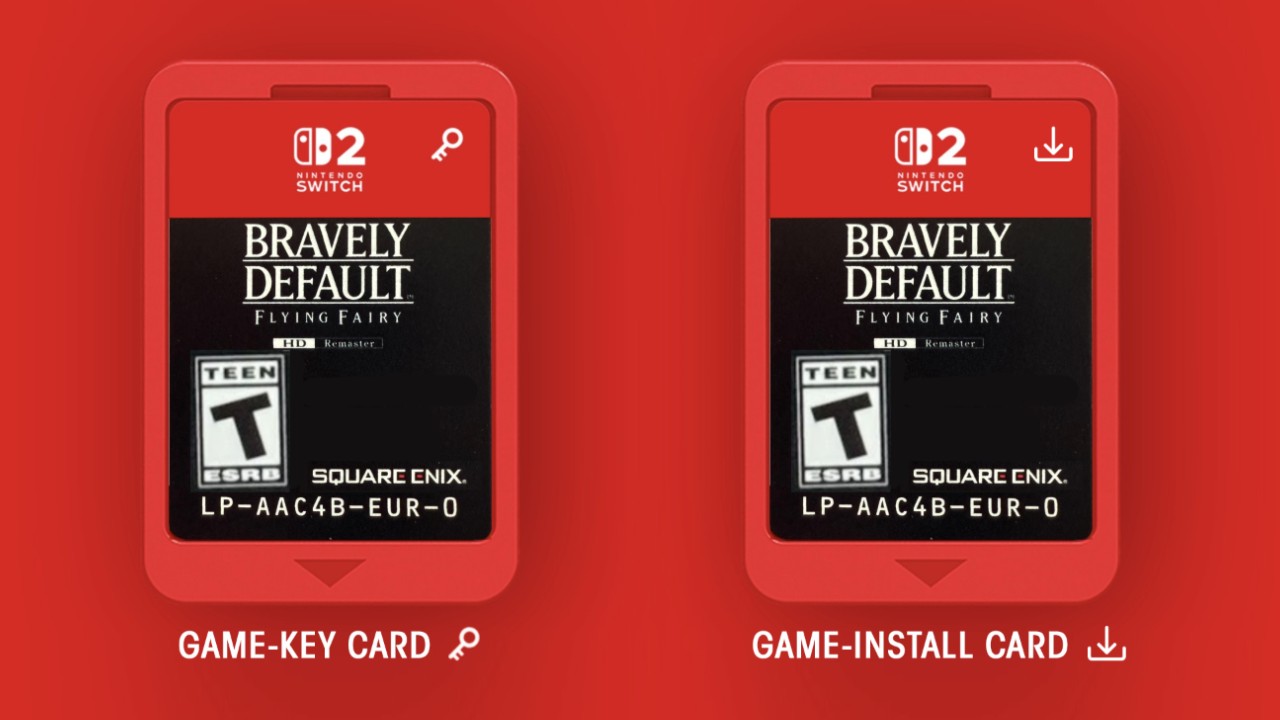
Despite the criticism, Matt Piscatella of Circana reports that US spending on game key cards increased 631% in 2026. The rise indicates players are more open to the format even if it's not their first choice.
Part of that growth could come down to individual games. Some releases attract enough interest that players will make exceptions to their usual purchasing preferences. For example, Pokemon Pokopia was only released as a game key card. Piscatella has also named Elden Ring as a major driver of game key card spend in 2026, while Resident Evil Requiem and other third-party releases have helped shine a spotlight on the format.
However, as more mainstream games jump on board with game key cards, players may slowly warm up to them. That doesn't mean the format has solved the problems of physical gaming, but it suggests some customers are willing to compromise when their favorite options aren't available.
That change would put Sony in a position to capitalize if it decided to look at a different model of physical game ownership for the PlayStation 6. The company might not want to abandon physical products altogether, but it might want an alternative that doesn't involve traditional Blu-ray discs.
You also have the option of a physical card you can buy at retail and use to add a game to your digital library. It's interesting to compare this with a patent we discussed earlier that also involves tap-to-pay technology, but instead looks at ways of using a controller to interact with compatible payment systems. You could apply a similar idea to game purchases, where you could tap a card against your controller or console to get a title.
Such a system could resemble Microsoft's disc-to-digital approach, but without requiring you to insert a disc to associate a game with your account. A card with a unique identifier could let the system recognize the purchase, potentially making it easier to transfer ownership when you sell or trade the game.
A smartphone could also play a role. If you had your PlayStation account open on your phone, a compatible system might allow you to authenticate a transaction or transfer by tapping the card against your device. This is only a potential direction rather than a confirmed PlayStation feature, and Sony would still need to address security, ownership verification, and manufacturing costs.
Still, the idea demonstrates how physical gaming could evolve without necessarily disappearing. Sony could make money on a physical product that includes cover art and a physical card players could buy, open, collect, and trade, while cutting some of the costs of producing and distributing traditional disks.
Game key cards may be the last hope for players seeking a physical product. They are a compromise at present, but for some customers that might be acceptable if the alternative is no physical releases at all. If the format permits it and the system's infrastructure survives in the long term. Then, there might be value in being able to sell or trade a game.
Sony may have to make more of these decisions as more PlayStation 5 releases come throughout 2027. Upcoming titles such as God of War Laufey, LEGO Horizon Adventures, and Intergalactic could provide further clues about how Sony's audience purchases its games. If physical sales continue to hover at 35%, 40% or more for major first-party releases, the company may have to rethink whether a fully digital future is the best route for all.
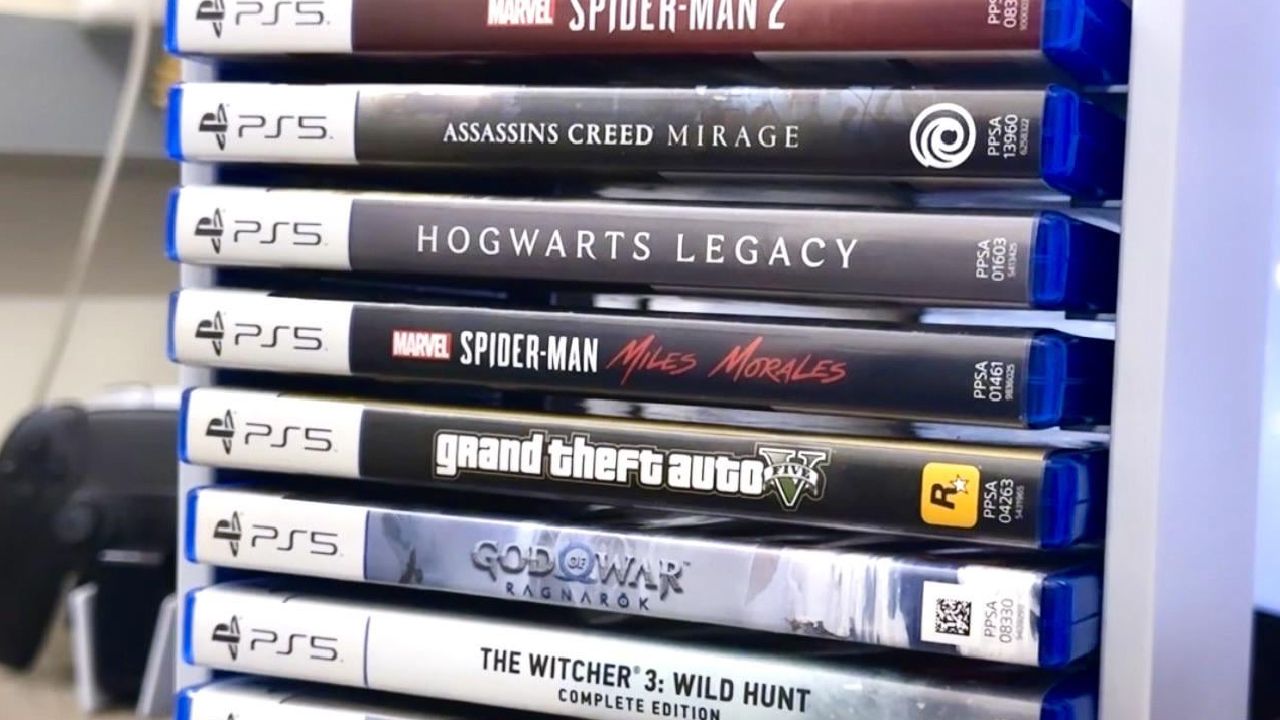
Sony needn't necessarily ditch digital distribution to keep physical gaming alive. Instead, it could seek a compromise that preserves some level of physical ownership while letting the company benefit from the convenience and profits of digital purchases. We'll have to wait and see if that means keeping disk support or creating a new physical format or a card-based system.
For now, Wolverine's reported sales figures offer a reminder that physical games still matter to a substantial part of the PlayStation audience. As Sony plans its next generation of consoles, ignoring those customers could prove more complicated than simply looking at the industry's overall digital sales numbers.
Senior Editor, NoobFeed
Related News
No Data.