
PlayStation Digital Shift Faces Growing Pushback as Sony Surveys Players and Developers
Sony’s reported player and developer surveys suggest it is listening to growing concerns over physical games, ownership, preservation, and PlayStation’s increasingly digital future.
News by Tahmid Mahi on Oct 07, 2026
Sony’s push toward an increasingly digital PlayStation future is facing more resistance, with new reports suggesting the company is gathering feedback from both players and game developers about its plans for physical games. The move has sparked renewed debate among PlayStation fans.
The reported surveys arrive after growing criticism surrounding Sony's approach to physical media, giving fans another reason to believe the company is at least paying attention to the backlash. While neither survey confirms that Sony is reversing its plans, the timing has sparked fresh discussion about whether physical PlayStation games still have a future.
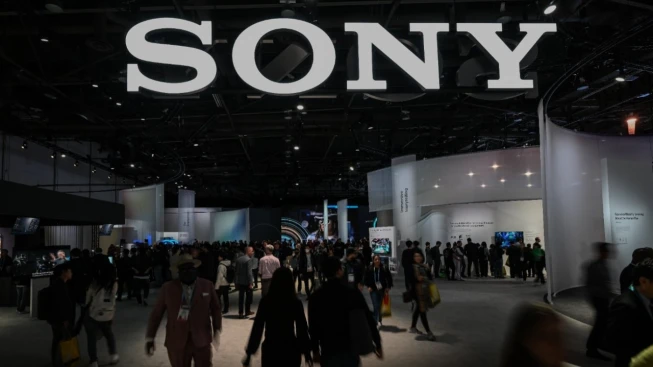
The situation has become particularly interesting because Sony has faced criticism on several fronts recently.
Players have complained about issues ranging from account security to the company’s broader approach to digital ownership, while the decision to reduce its commitment to physical discs has become another major point of frustration. Sony has continued to argue that digital purchases are increasingly popular, but many players still see physical releases as an important part of owning and preserving games.
That divide is now becoming more visible as Sony reportedly asks questions about how players feel about the PlayStation 5 and its wider ecosystem. According to a report from IGN, Sony published a public survey on September 25 that adults can complete, covering several aspects of the PlayStation experience.
Players are also asked which gaming platforms they currently own, including systems outside Sony’s ecosystem. That includes other consoles, PCs, and virtual reality hardware, giving Sony a broader picture of how its audience uses different gaming platforms. More importantly, some questions reportedly allow participants to explain their answers in greater detail, giving players an opportunity to provide direct feedback instead of simply selecting predetermined responses.
The survey reportedly doesn’t directly address physical media, but that hasn't stopped players from using the opportunity to make their opinions known. Fans have brought up Sony’s plans to move away from physical game discs in their responses, with some viewing the survey as a potential sign that Sony is trying to gauge how much resistance exists to the strategy.
The timing is also important because the public survey reportedly arrived only days after another survey aimed at developers surfaced.
Reports from September 28 claimed Sony asked developers about its plans to reduce or potentially eliminate physical disc support. The developer survey has not been presented as official confirmation of a policy reversal, but its existence has added another layer to the discussion.
The reported developer survey is particularly interesting because game creators have a different relationship with physical releases than corporate executives or publishers. It’s still a significant achievement for many developers to see a game that they spent years creating on a store shelf.
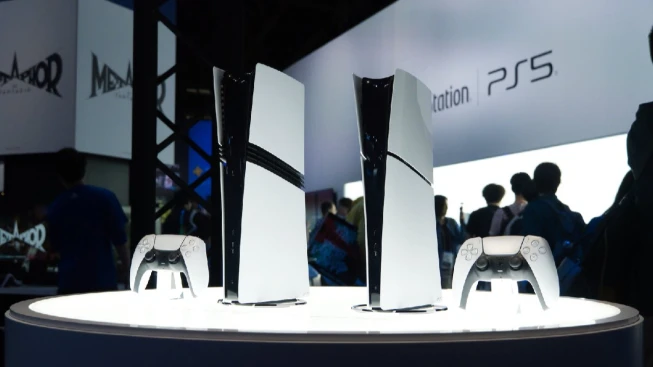
Players also care about that feeling of ownership and accomplishment. Buying a physical game means you have something to keep, display, lend, resell, or just hold on to for years. Digital purchases are convenient but rely on storefronts, accounts, servers, licenses, and other systems being up.
A large part of the argument is also game preservation. Digital storefronts can disappear, games can be removed, and licensing agreements can expire, leaving players unable to purchase certain titles through official channels. While physical releases may not guarantee access to every element of a game forever, they do provide collectors and preservationists with something physical to preserve.
Physical releases have also been an important part of that ecosystem, albeit limited.
Limited Run Games and others have proven that there is still a demand for physical games, even if they are producing relatively small quantities. Limited editions can sometimes become expensive because of their scarcity, but they also ensure that a game has a physical representation that can remain available to collectors.
For developers, that physical representation can carry emotional value, too. A developer who worked on a game for several years can keep a copy of the finished product, put it on a shelf, or even frame it alongside other projects they helped create. As development cycles lengthen and games take years to complete, a physical reminder of that work can become even more meaningful.
For players, however, the most significant argument remains much simpler: ownership. Someone who spends money on a game naturally wants to feel that they actually own what they purchased. The shift toward digital-only purchases has raised concerns about how much control consumers retain when storefronts close, licenses change, or companies stop supporting particular services.
Sony says the market is already moving in this direction. The company has reportedly described the transition as a natural response to consumer trends, arguing that digital media has become the preferred way for most players to access and play games. According to figures cited in the discussion, roughly four out of every five games purchased on PS4 and PS5 are bought digitally.
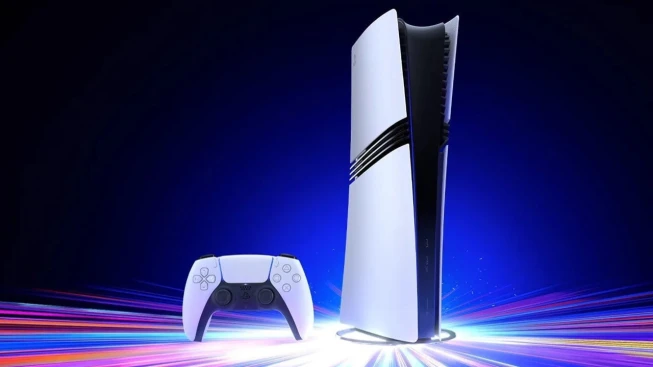
That statistic makes Sony’s strategy understandable from a business perspective, but it does not necessarily mean physical media has become irrelevant. Digital sales can reduce manufacturing, distribution, storage, and retail costs while also giving publishers greater control over pricing and sales. From Sony’s perspective, those advantages make digital distribution an increasingly attractive part of the business.
The problem is that overall digital sales numbers do not necessarily represent all types of players or all types of games.
Physical releases can still be especially important for collectors, certain markets, particular franchises, and gamers who prefer to own a physical copy. Removing the option altogether risks alienating customers who still see physical ownership as an important part of buying games.
There’s also concern that the talk about physical media is starting to bleed into the conversations about PlayStation games themselves. When players are already frustrated with Sony, other releases can get swept up in that larger frustration. “It’s not just about how good a game is but also about how people feel about the company right now.
That creates a difficult situation for upcoming PlayStation titles. Instead of letting each game stand on its own, Sony risks letting broader corporate decisions influence how players respond to individual releases. The more frustrated the audience becomes, the easier it is for criticism of business decisions to spill over into discussions of unrelated games.
The reported surveys therefore matter even though they do not confirm a reversal. At the very least, they suggest Sony is gathering more information about how its audience and development partners feel about the platform's direction. Whether that feedback actually changes the company’s plans is an entirely different question.
Sony could ultimately decide that the financial advantages of digital distribution outweigh the criticism surrounding physical games.
Alternatively, it could go for a compromise like continuing to print physical copies for big first-party releases or offering limited print runs through PlayStation Direct. This would allow Sony to stick to its digital strategy but still provide collectors and those who prefer physical media an option to buy boxed games.
A limited approach would also tackle one of the most significant concerns without Sony having to give up its digital plans altogether. The company would not need to return to producing physical copies of every game in unlimited quantities. Instead, major releases could receive controlled physical runs, giving players the option to own a disc while allowing Sony to keep most of its business focused on digital distribution.
For now, though, Sony has not confirmed that it has reversed course. The reported player and developer surveys are simply signs that the company is collecting feedback at a time when its physical-media strategy is receiving significant criticism. Whether that feedback becomes a genuine policy change will depend on what Sony decides to do next.
The broader argument also extends beyond PlayStation. XBOX, Nintendo, Valve, and other companies face similar questions as the industry becomes increasingly dependent on digital storefronts and online services. As gaming shifts further toward digital ownership, the questions surrounding preservation, consumer rights, access, and long-term ownership become increasingly important.
For PlayStation players who still want physical games, the surveys provide at least a small reason to keep voicing their views. Sony has already seen how strongly parts of its audience feel about the issue, and continued feedback gives the company more information to consider. Whether that eventually leads to a change in strategy remains uncertain, but the conversation around physical PlayStation games clearly isn’t going away.
Editor, NoobFeed
Related News
No Data.