
EA Sports FC 27 Review
PlayStation 5 Pro
EA Sports FC 27 doesn't completely reinvent the series, but its gameplay changes, revamped Career Mode, and smarter Ultimate Team features make it feel like a more complete football game.
Reviewed by Azfar Rayan on Sep 20, 2026
EA Sports FC 27 arrives in a familiar position for the series. EA has spent years building on the foundations of FIFA and the modern FC games, and by now, you already know roughly what to expect when you step onto the pitch. The question is whether the latest changes actually make a difference once you stop looking at the feature list and start playing.
After spending time with EA Sports FC 27 across different modes and gameplay settings, the answer is a little complicated. At first, it can feel surprisingly close to FC 26, especially when you're looking at the presentation and overall visual package. The graphics haven't taken a huge step forward, and some new additions, like Grounds, don't feel as meaningful as they could.
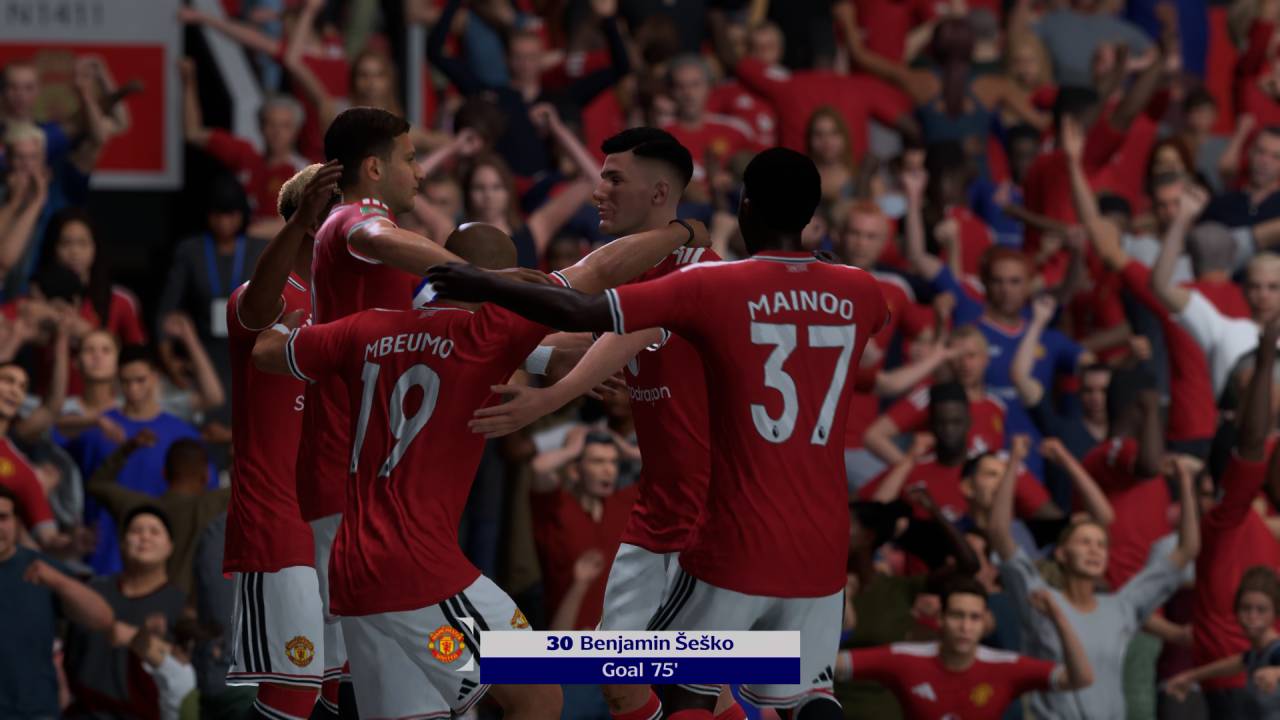
However, once you start playing, the differences become easier to notice.
EA Sports FC 27 feels smoother, less heavy, and more responsive than its predecessor. The ball moves differently, defending asks more from you, and manual decisions are rewarded more consistently. Changes to passing, through balls, kickoff situations, and AI defending can also make matches feel less dependent on the same familiar patterns.
The game also gives you more reasons to spend time away from standard matches. Career Mode receives one of the more noticeable overhauls, while Ultimate Team introduces several quality-of-life improvements that make managing your club less frustrating. Pro Clubs and Grounds still round out the package, though not every addition carries the same weight.
The biggest difference becomes clear when you choose how you want your football to play. You can also choose from several gameplay styles, from faster options like Competitive to slower, more manual ones like Authentic. Competitive is snappier and more responsive, and it feels like the more natural option if you're playing online or prefer a faster match rhythm.
Realistic gameplay slows things down and emphasizes manual decisions, positioning, and the skill gap between players.
That distinction matters, because EA Sports FC 27 can feel heavy at first when you compare it to the faster settings. Players don't just turn and pass; passes take more thought, and you can't rely on the game to make every defensive decision for you. But once you get into it, the slower, more careful approach might put more weight on individual judgment.
In situations like passing, you see this. You have to pay closer attention to passing lanes rather than simply pressing a button and expecting the ball to reach its destination perfectly. Good positioning matters, and when you read the opposition correctly, intercepting a pass feels like something you actually created rather than something the AI handed to you.
That also applies to defending. One of the biggest improvements in EA Sports FC 27 is the way it encourages you to defend manually. AI defending doesn't seem to have the same level of control over situations as before, meaning you can't simply rely on your defensive line to solve every problem.
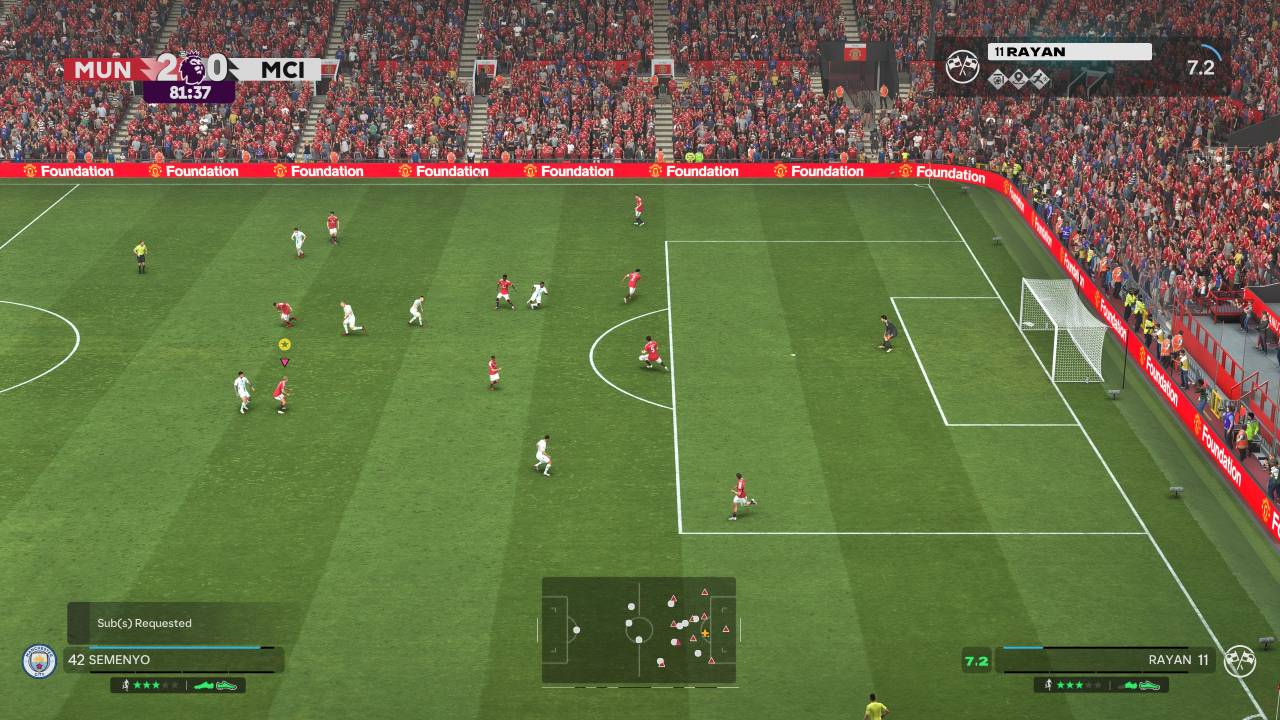
You have to move your players, cover spaces, anticipate passes, and make your own challenges.
This is a bigger difference between someone who knows how to defend and someone who just presses a button and waits. When you get into a passing lane at the right time or position a defender correctly before tackling, you feel more in control.
That doesn't mean everything is perfect. There are still moments when the game feels like FC 26 with a different coat of paint, especially if you're focusing on presentation rather than the match itself. Some underlying animations and the overall visual presentation haven't changed enough to make EA Sports FC 27 feel like a completely new generation of the series.
Still, the gameplay changes are more significant than the initial impression suggests. The game feels lighter, and movement is smoother, making it more comfortable to control your players. Early matches can make you think you're simply playing a slightly adjusted version of FC 26, but after spending more time with it, the difference in responsiveness becomes harder to ignore.
Attack has also been adjusted.
Through balls no longer feel like the automatic solution they could sometimes be, and some of the cheap runs that could create easy opportunities, particularly around kickoffs, have been reduced. You still have plenty of ways to create chances, but the game doesn't appear to reward the same repetitive attacking patterns as heavily.
That makes building an attack more dependent on what you actually see happening in front of you. You can still use pace, movement, passing combinations, and skill moves, but you need to read the defensive shape instead of expecting one particular type of pass to break everything open. This is where the slower gameplay can be particularly useful.
It gives you more time to understand what the opposition is doing, while also giving defenders more opportunity to react. The result is a stronger emphasis on the skill gap. You can make a bigger difference if you get the space and timing right. At the same time, players who enjoy the fast online football may feel more at ease with the Competitive setting. It offers faster response times and keeps the action moving. This makes sense for modes where every second counts.
.jpg)
The important thing is that EA Sports FC 27 doesn't force every player into the same rhythm.
Outside of the pitch, Career Mode is arguably the biggest winner this year. EA has changed how player overalls work and introduced a broader transfer overhaul. These changes make the mode feel more dynamic because your squad isn't simply moving through the same progression system with a few new menus added on top.
The transfer changes matter because squad building is a huge part of the Career Mode experience. You want your decisions to have consequences, and a more developed transfer system makes building and managing a team feel more involved.
The dynamic overall system also gives progression a different feel. Players can develop in ways that aren't entirely locked to a simple, predetermined path, making it easier to feel that your decisions and performances influence the squad.
That doesn't mean Career Mode suddenly becomes an entirely different game.
The foundation is still familiar, and anyone who has played previous versions will understand how to navigate it. The difference is that EA Sports FC 27 gives the mode more reasons to keep you involved rather than simply repeating the same routine season after season.
Ultimate Team receives a different kind of attention. Instead of rebuilding the mode, EA focuses on making some existing systems easier to use. The Ultimate Team gallery is useful because it gives you a cleaner way to manage and browse your collection.
The Squad Building Challenge changes are also welcome. SBCs have become an important part of Ultimate Team, and streamlining the process makes it easier to get through them without wasting time in menus. These aren't revolutionary changes, but they are the sort of quality-of-life improvements that become more valuable the longer you play.
You aren't suddenly getting an entirely new Ultimate Team experience, but the mode feels less cumbersome in places.
That matters because you don't spend much of your time in Ultimate Team actually playing matches. You're managing players, completing challenges, adjusting squads, and working through different systems, so smoother processes have a real impact.
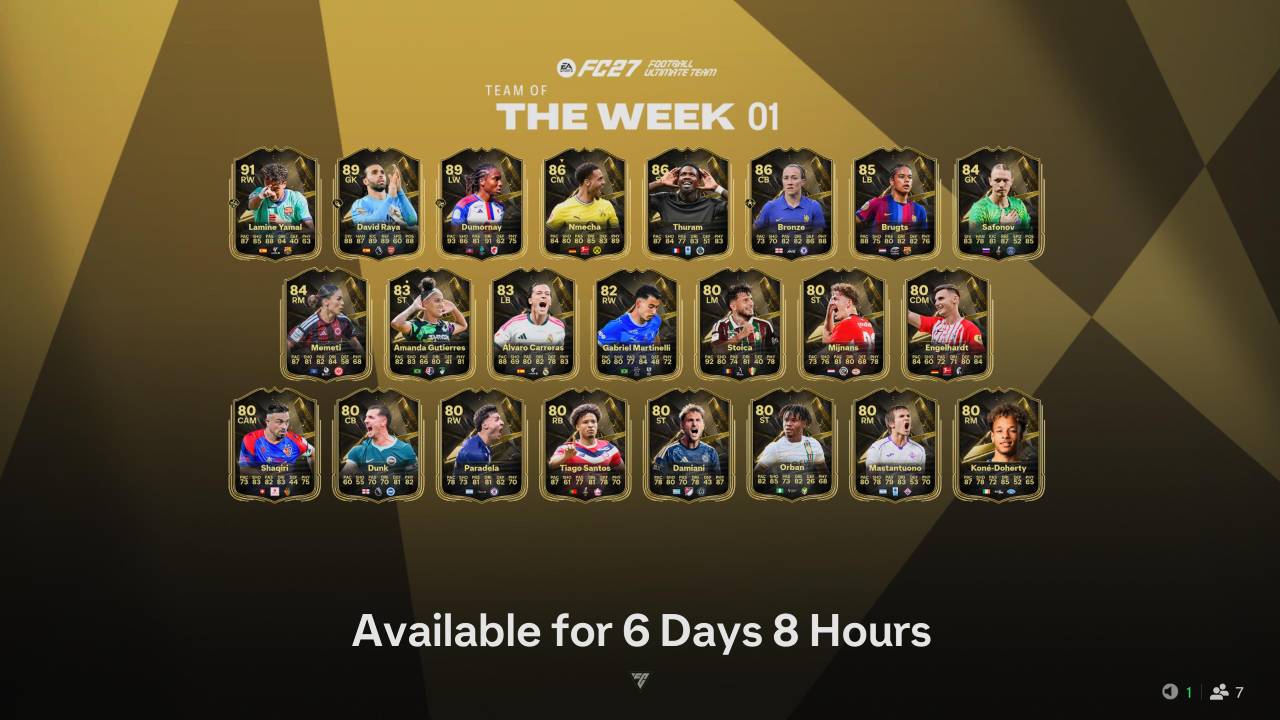
The progression side of EA Sports FC 27 also ties into how you play. XP and progression give you reasons to keep working through the available modes, but the game doesn't seem to turn the entire experience into a grind. Instead, progression sits alongside the football itself.
For players who spend a lot of time building their teams or developing their careers, that progression can influence how you approach matches. You're not only playing for the result. You're also working to improve your squad, develop players, or complete objectives.
Pro Clubs remains another part of the package, giving you a way to play with others and develop your own player. It doesn't get the same attention as Career Mode, but it still works for anyone who prefers a more social football experience.
Then there are the Grounds.
This addition feels less convincing compared with the larger changes elsewhere. The idea sounds interesting on paper, but after spending time with it, it can feel more like a side feature than something that fundamentally improves the game.
The Grounds give you another space around the football experience, but they don't have the same impact as the gameplay or Career Mode changes. They can add something different to your time with EA Sports FC 27, but they aren't the reason the game feels better to play.
Graphically, EA Sports FC 27 is in a similar position. It still looks good, and player models, stadiums, animations, and presentation retain the familiar visual quality associated with the series. But if you're expecting a dramatic graphical upgrade, you're unlikely to find one.
A lot of what you're seeing will immediately remind you of FC 26.
The improvements are more noticeable in animation and movement than in a major visual transformation. Some new animations make the game feel smoother, but the overall presentation doesn't make EA Sports FC 27 look like an entirely different football game.
That isn't necessarily a problem. Sports games have reached a point where major yearly graphical changes are difficult to justify, especially when the focus is increasingly on improving animation systems, physics, AI, and gameplay responsiveness. In EA Sports FC 27, those areas matter more than simply making the stadiums or players look different.
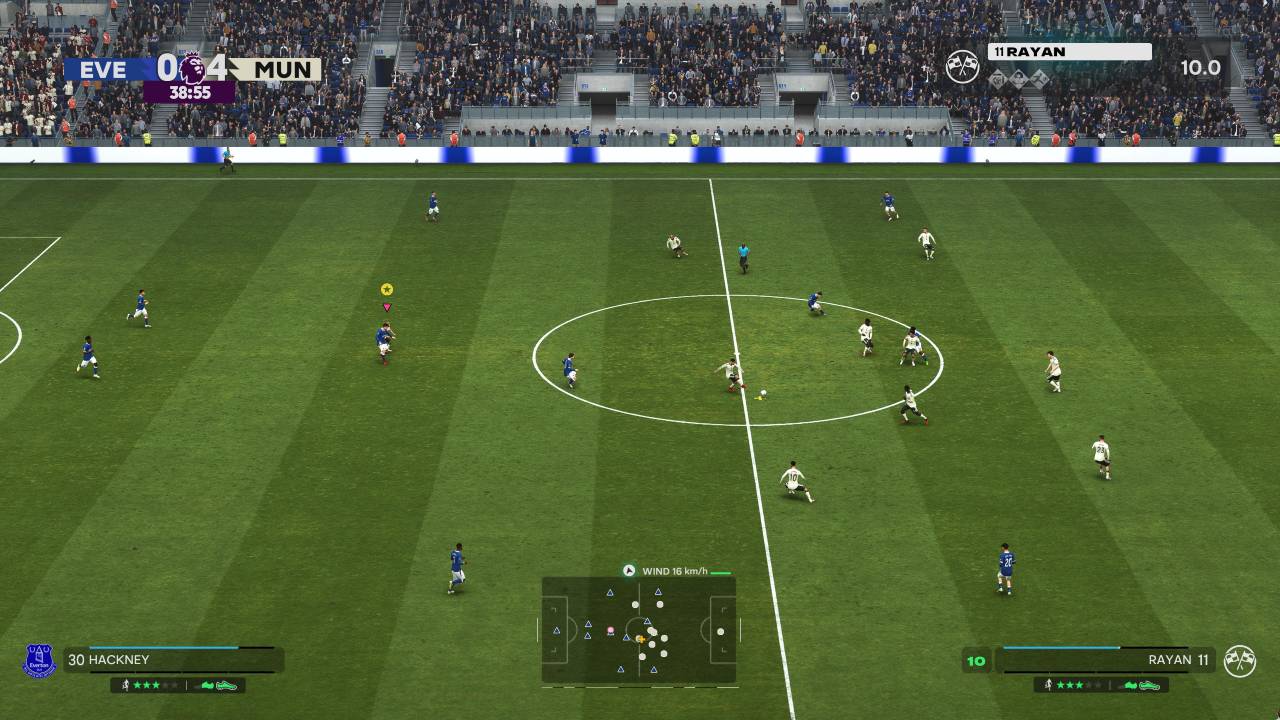
The sound design is similarly inclined. The game still delivers the expected atmosphere, crowd noise, and presentation elements, but it offers no radical overhaul that changes how the game sounds. The audio does what it needs to do but isn't one of the defining features of this year's release.
What makes EA Sports FC 27 more interesting ultimately is how different the game feels after spending enough time with it.
Your first few matches can give you the impression that very little has changed. The visuals are familiar, the menus are recognizable, and the overall structure is exactly what you'd expect from an annual FC release.
But the more you play, the more the gameplay adjustments start to stand out. Defending manually becomes more rewarding, passing lanes matter more, AI defending feels less dominant, and some of the easier attacking patterns have been toned down. The game still has its familiar problems and quirks, but it feels more like your decisions are shaping what happens.
There's also a big difference between the rapid Competitive experience and the slower Authentic approach. Competitive makes the game more responsive and better suited to quick online matches, while Authentic offers a more deliberate experience where positioning and manual control matter more.
That flexibility helps, because not everyone plays EA Sports FC the same way. Some players want quick matches and responsive controls, while others want a slower football simulation where every movement takes a little more consideration. EA Sports FC 27 leaves room for both approaches.
The biggest improvements, then, aren't necessarily the flashy additions.
Career Mode's dynamic overall system and transfer overhaul give that mode more depth, Ultimate Team's gallery and streamlined SBCs make everyday management easier, and the gameplay changes make defending and passing feel more skill-dependent.
At the same time, the game isn't a complete reinvention. Grounds feel underwhelming, the graphics remain largely familiar, and some of the new features feel like refinements rather than major changes. You can easily look at EA Sports FC 27 and think that EA hasn't changed enough, especially during your first few hours.
Once you settle into the gameplay, though, there is more here than that first impression suggests. EA Sports FC 27 feels smoother and less heavy, while its changes to defending and attacking reduce some of the repetitive patterns that could dominate previous games. It isn't perfect, but it's a meaningful step forward from FC 26, not just another yearly update that changes the menus and squads.
EA Sports FC 27 ultimately works because it understands that the core football experience is what needs to feel right. The new features matter, but when you're playing match after match, how your player moves, how your passes behave, and whether your defensive decisions actually matter far more.
Some areas still need more attention, particularly the visual leap and some of the less substantial additions. But if you're coming from FC 26, the smoother gameplay, stronger emphasis on manual defending, improved passing interactions, and more involved Career Mode give you enough changes to notice.
EA Sports FC 27 doesn't completely rebuild the series. Instead, it takes the existing formula and makes several adjustments that gradually become more noticeable the longer you play. For a yearly football game, that may not sound dramatic, but these changes can make a difference once you're controlling the players rather than reading about the features.
Senior Editor, NoobFeed
Verdict
EA Sports FC 27 is a solid step forward from FC 26, with smoother gameplay, more rewarding manual defending, and meaningful Career Mode improvements, although its graphics and some new features remain largely unchanged.
85
Related News
No Data.