
EA SPORTS NHL 27 Review
Xbox Series X|S
NHL 27 brings back Connected Franchise, introduces 32 team-specific playbooks, overhauls presentation, and finally gives every arena more personality, but its biggest gameplay changes still need to prove they matter.
Reviewed by Tahmid Mahi on Sep 03, 2026
EA Sports NHL 27 arrives as the latest entry in EA Sports' long-running hockey simulation series, and this time the focus is less on reinventing hockey and more on improving how the experience looks, feels, and plays.
NHL 27 at least offers more substantial changes to discuss, unlike the previous entry, which often felt like just a roster update. The developers have reworked the presentation, rebuilt the arenas, introduced a new broadcast team, changed several gameplay systems, and added Connected Franchise as a new way to play with other people.
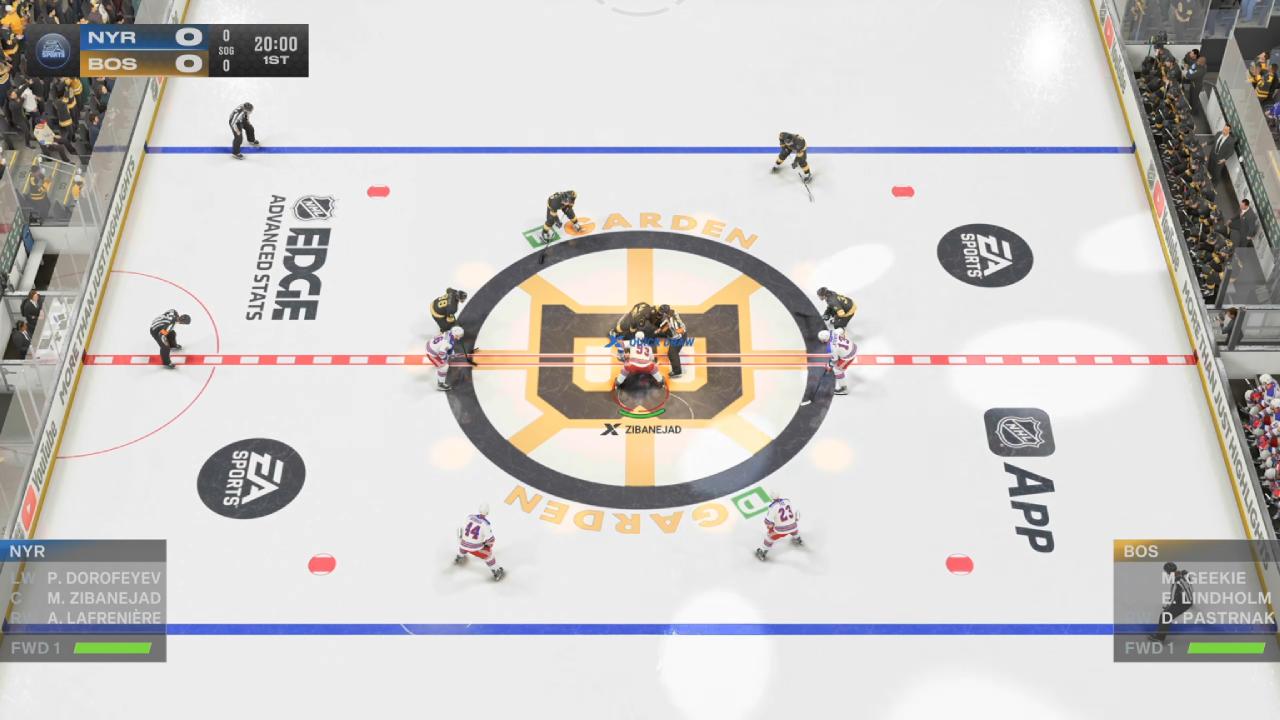
That familiarity is probably the most important thing to understand about the game.
You are not getting an entirely different hockey game. Instead, you are getting a version that takes several systems that have been around for years and tries to make them work better. Some of those changes are noticeable as soon as you start playing, while others take a few matches before you really appreciate them.
The presentation is probably where you will notice the biggest difference, while the gameplay changes focus more on balancing and making certain actions feel less exploitable. The result is a game that feels like genuine progress, even if it does not fully justify a brand-new yearly release based on gameplay changes alone.
EA Sports NHL 27 has no traditional plot or narrative campaign because, at its core, it's a sports simulation. Your story comes from the matches you play, the teams you build, the seasons you complete, and the players you develop.
You can jump into a straightforward exhibition game, play against the AI or another person, build a career through Be a Pro, manage a traditional franchise, compete in playoff and shootout modes, or take your team into online competition. The game also gives you Hockey Ultimate Team, World of Chel, Connected Franchise, IHF tournaments, Creation Zone, and practice and training options.
For many players, that variety is enough. If you just want to sit down and play a hockey game, exhibition mode remains the easiest way to get started. You can play locally with up to four players or go online with larger multiplayer options. If you prefer longer-term progression, the franchise and career systems give you more to manage.
Be a Pro still focuses on building your player and developing your career, but it adds new story elements and places greater emphasis on becoming a captain. Meanwhile, more competitive players can enjoy Hockey Ultimate Team and various online modes.
Once you get on the ice, NHL 27 still feels like the same hockey simulation.
You control your skaters, move the puck, create passing lanes, take shots, defend your zone, battle along the boards, poke the puck away, use stick lifts, change lines, manage your positioning, and try to create scoring chances before your opponent does.
The basic rhythm still centers on moving the puck quickly, finding space, getting players into useful positions, and making decisions under pressure. You can still use the regular Skill Stick controls, while the Advanced Skill Stick remains available for players who want more control.
One of the biggest gameplay adjustments involves the LT mechanic. In previous games, experienced online players could rely heavily on the LT for offensive movement. NHL 27 feels much less effective than before. You can’t just keep spamming the button and expect to get the same advantage.
The movement feels more limited, and overusing it can actually work against you. That changes how you approach attacking because you have to rely more on actual positioning and movement rather than constantly using the same evasive action.
It may take some time for players who have built their entire offensive style around LT movement to adjust, but the change makes sense because repeatedly seeing players use the same movement to enter the offensive zone can make the action look unnatural.
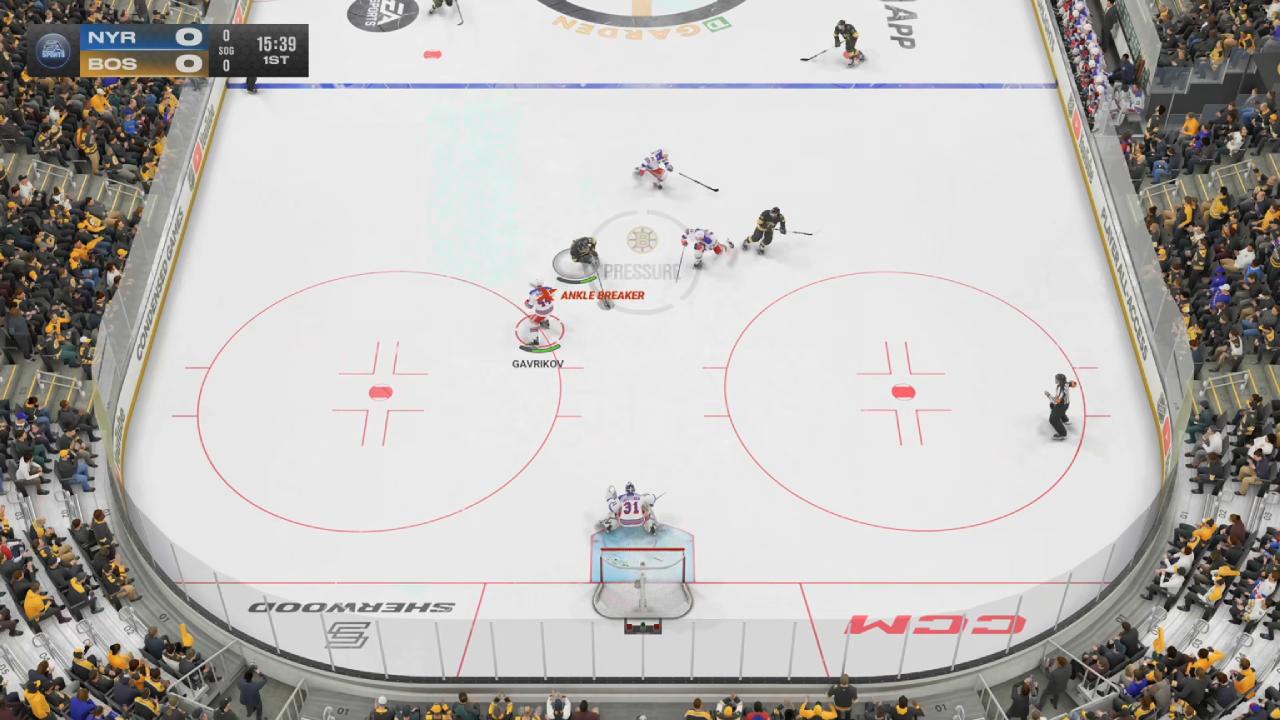
The defensive side of the game also receives some meaningful attention. Poke checks, stick lifts, and interceptions feel considerably more effective.
During gameplay, the improved poke checks are particularly noticeable because you can reach for the puck from positions that previously might not have produced the same result. Interceptions also seem much better at cutting out passes, making it harder to force certain cross-crease or traffic-heavy passes through defenders. That gives defensive positioning more value.
At the same time, the improvement does not mean the defensive system is perfect. Offensive and defensive positioning still feels awkward at times in gameplay. Players can sometimes move in unpredictable ways, and it can still be frustrating to know when to pinch. Passing also doesn't always go exactly where you intend.
That can make some plays feel less like a deliberate decision and more like the game simply interpreted your input differently. The improved interceptions and poke checks help create a stronger defensive game, but they also make attacking through the middle and getting into the crease more difficult, particularly when you are not relying on LT movement.
The energy system is another major part of the gameplay experience, and it is one of the changes that feels less convincing. Players can become exhausted rapidly. The shape of the energy bars can change quite significantly even after a fairly short duration of pressure, causing an entire line to appear worn out.
That means you have to be much more aware of line changes and avoid leaving players on the ice for too long. In theory, that creates a more strategic approach to shifts and makes fatigue matter more. In practice, the system can feel too aggressive, especially when players appear to lose energy faster than you would expect given the action.
That fatigue system also affects how you attack.
You may find yourself building a good offensive set, only for your players to run out of energy before you can finish the play. Quick passing and short shifts become more important because keeping the puck in the offensive zone for too long can leave your line completely drained.
The idea is to get you thinking more like a hockey team, rather than controlling one player forever, but the implementation can feel more restrictive than strategic at times. Goalies now have a more detailed fatigue system, and their movement is more dynamic depending on the difficulty.
Hitting has also been studied. NHL 27 doesn't just add a few new animations; it also offers more variety in how hits occur and how players react to contact. You see different kinds of collisions and body reactions, which makes physical play less repetitive.
Goal scoring has received a similar treatment, with more scoring animations and different ways for goals to develop. These additions do not fundamentally change how you score, but they help keep repeated matches from looking exactly the same.
Dump-and-chase hockey is another area that has seen improvements. When you dump it into the offensive zone, your players should pursue the puck more effectively instead of standing around or taking awkward routes. That matters because dump-and-chase is a legitimate part of hockey, and it can be frustrating when a game fails to get the supporting players to react properly.
NHL 27 attempts to improve that transition between attacking and defending so your teammates behave more naturally when possession changes. It isn't a dramatic mechanic on its own, but it supports the larger goal of making the AI respond more intelligently to what is happening on the ice.
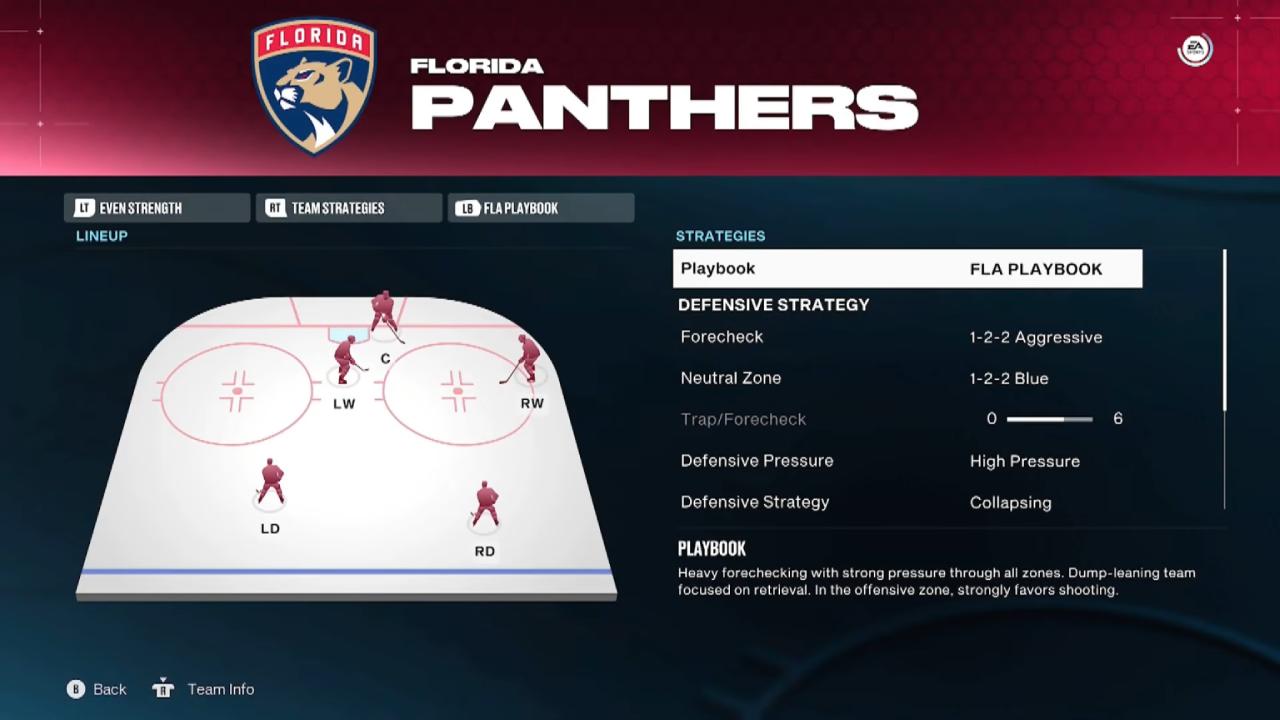
The team playbook system is another major addition.
Each team has its own playbook, and the system is designed to evolve throughout a game rather than remaining completely static. It runs on Ice Q and NHL Edge data, with strategies changing as the match develops.
You also control how your team adjusts and plays. The idea is to make the coaching and tactical side of hockey feel more responsive to the flow of a match. Instead of treating every possession the same, the system should account for how the game is developing and adjust accordingly.
This system also connects with Hockey Ultimate Team and the broader progression structure. You can customize aspects of your team's play, while the underlying strategies shape how players behave across the ice.
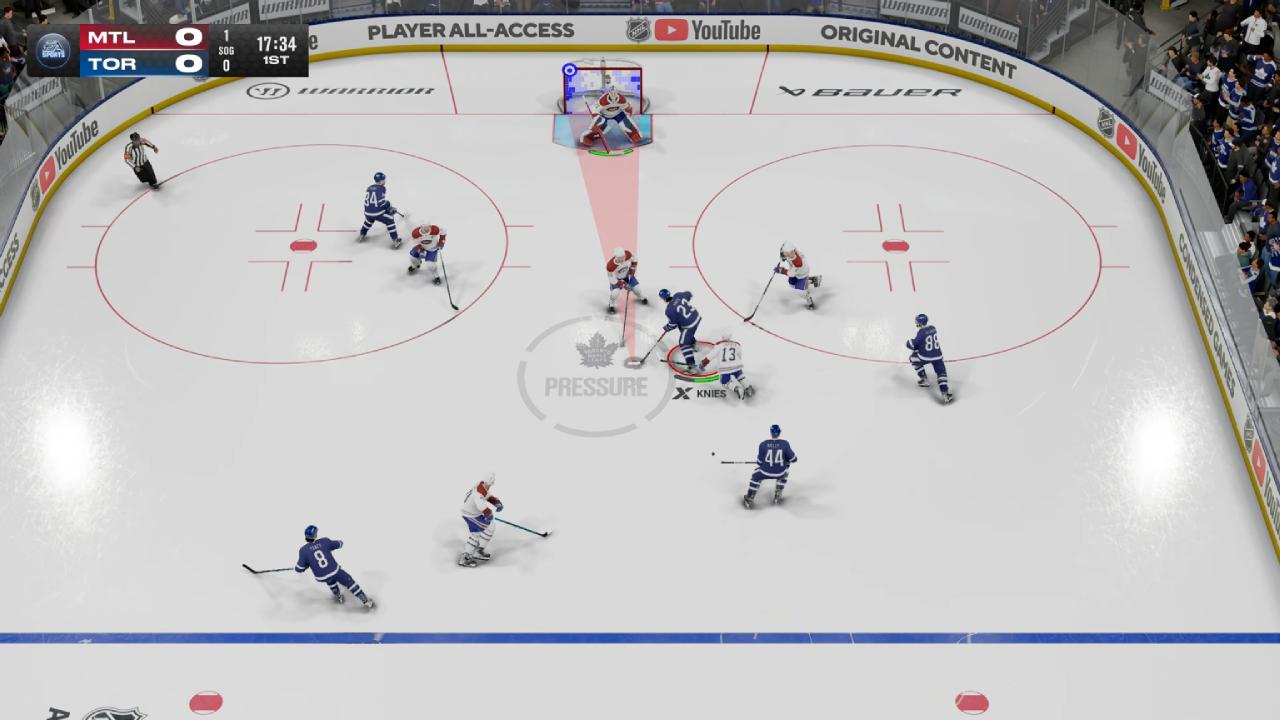
It may not completely transform your first match, but it becomes more important as you spend more time with the game and pay attention to tactical decisions. As you get deeper into a season, these tactical adjustments can make your team feel more responsive and give you more control over how you approach different situations on the ice.
The new Connected Franchise mode is arguably the biggest new mode, although it also comes with one of the game's strangest limitations. You need at least three players to start a league, and there are no AI-controlled teams to fill the remaining spots.
That means you need a group of friends large enough to make the mode functional. If you have a large group of people willing to organize schedules and commit to a long-term league, the idea has strong potential. The customization is reportedly deep, letting you personalize many aspects of your league.
The problem is that the mode feels restricted from the beginning.
If you only have one friend who wants to play with you, there is no simple way to build a long-term league together while letting AI teams fill the rest of the competition. Even with three players, the experience can feel limited.
That makes Connected Franchise feel more like a foundation for something bigger than a fully developed feature. The concept is promising, and the customization gives you a reason to want it to succeed, but the current execution isn't particularly accessible to most players. Hopefully, EA continues to develop it instead of abandoning it.
Progression in NHL 27 is not built around a traditional XP-grinding system in the way you might see in an RPG. Instead, your progression depends heavily on the mode you choose. In Be a Pro, you develop your career player and work toward becoming a more important part of your team, with the new captain-focused elements adding another layer to that career structure.
Training and practice modes let you build your skills so you can perform better in real games. Hockey Ultimate Team has its own card-based progression, while Creation Zone and customization systems give you additional ways to personalize your experience.
The key point is that EA Sports NHL 27 doesn't seem to force you into endless grinding just to make the core game playable. You can simply play matches if that is what you enjoy, or you can invest more time into a career, franchise, Ultimate Team, or other modes if you want a longer progression loop.
The game gives you plenty of systems to spend time with, although not every returning mode receives the same level of attention. World of Chel, for example, is largely unchanged and feels like it has been coasting for several years.
Visually, NHL 27 makes a stronger impression than its gameplay overhaul.
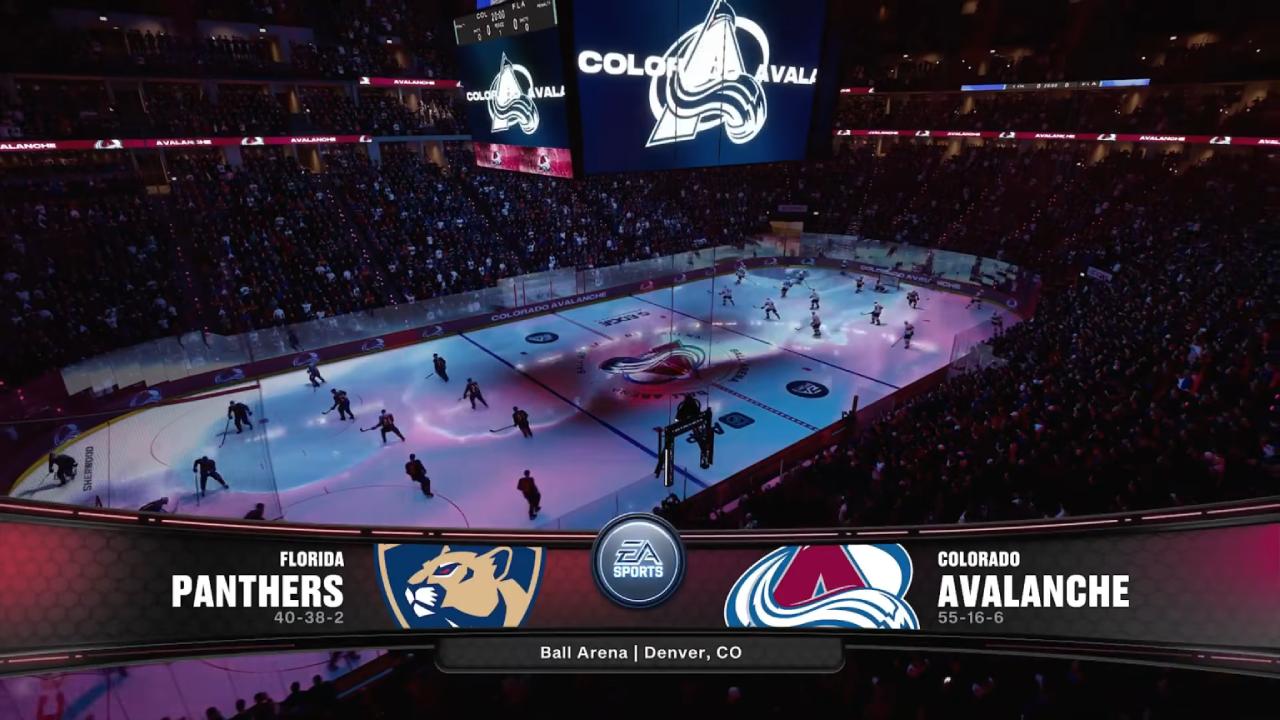
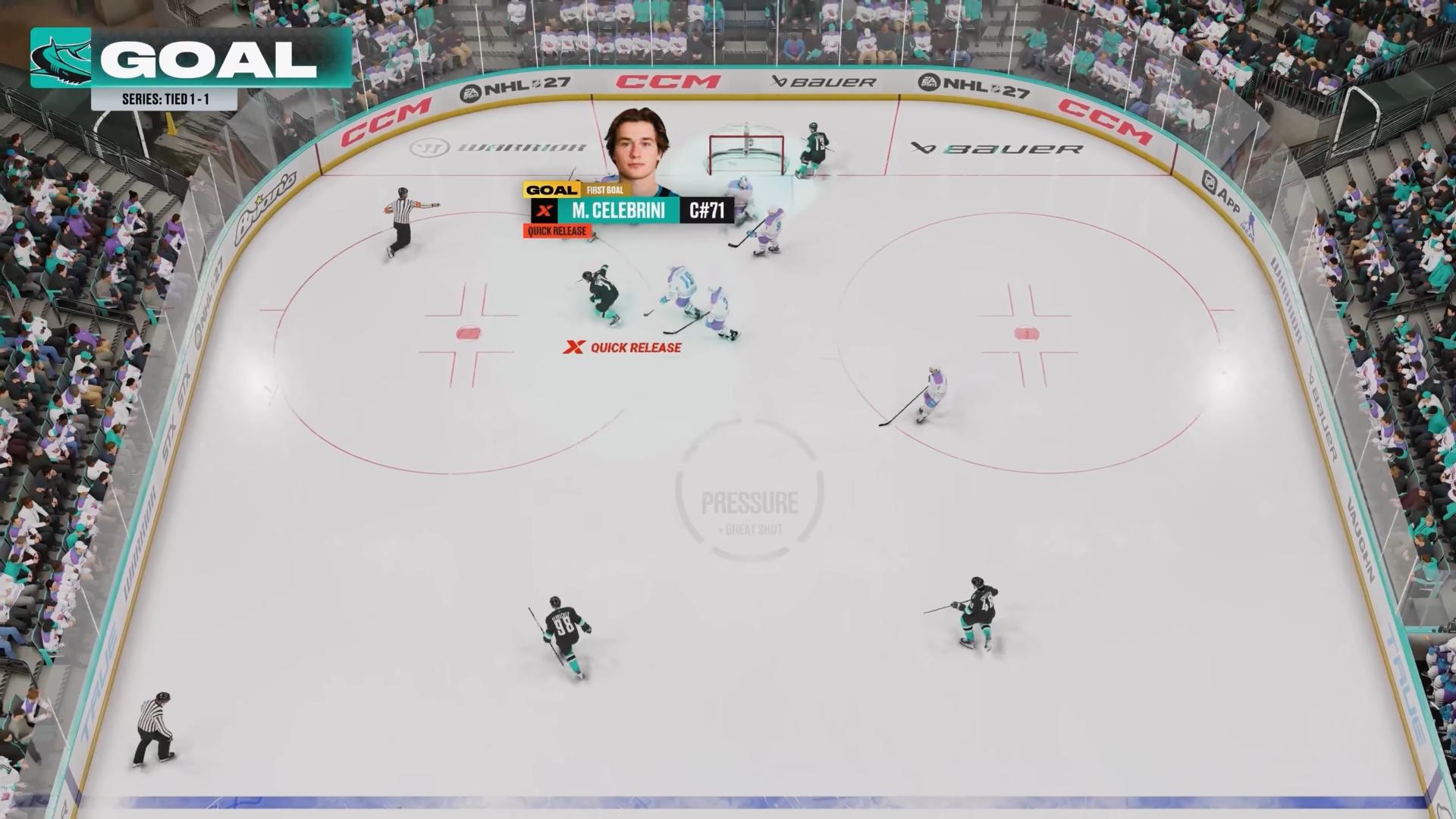
The biggest presentation change is the rebuild of all 32 arenas. The goal is to capture each location's identity and culture through arena design, lighting, music, traditions, mascots, and other details. The idea is to make each venue feel like its own place rather than simply giving every team a slightly different version of the same building. Jumbotron presentations are also part of the plan, adding another layer to the atmosphere.
The crowds also receive a next-generation treatment. If you stop and look closely, some models still look blocky and polygonal, but crowd shots and presentation moments show much more variety and realism.
That matters because hockey isn't only about the players on the ice. The atmosphere inside an arena is part of what makes the sport feel alive, and NHL 27 clearly puts more effort into making the stands feel like an actual crowd rather than a collection of repeated models.
The technical presentation remains solid, with 60 frames per second and HDR support, while the game reportedly uses an internal resolution closer to 1440p despite the broader 4K presentation. None of that represents a massive technical leap on its own, but it gives the game a clean base for the new presentation work.
Player models still look like video game models rather than perfectly realistic humans, although animation and physics have improved. Stick physics are particularly engaging because sticks appear less likely to simply clip through bodies. They can get caught between players' legs or bodies and seem to need to be physically dislodged, creating small moments that look more natural.
Sound also benefits from the presentation overhaul.
EA Sports NHL 27 introduces a new commentary team featuring John Lucar and Darren Pang. The commentary sounds natural and fits the game, though a full opinion would require more time with the matches. Still, the initial impression is positive, and the new voices help make the broadcast feel fresh without entirely changing the game's character.
The broadcast presentation is probably the area where NHL 27 feels most successful. You get players preparing to take the ice, arena light shows, camera angles, replays, and additional visual touches that make the opening and breaks in play feel more like an actual NHL broadcast.
Some players will appreciate these features more than others. If you are an offline player who enjoys taking in the entire presentation, these additions can make a difference. If you mostly play online and skip through every presentation sequence as quickly as possible, you probably will not spend much time appreciating them.
NHL 27 ultimately feels like a game caught between two expectations. On the one hand, it is clearly better than last year's version in terms of effort and meaningful additions. At the same time, some of the changes still feel a little too familiar.
The presentation has been heavily reworked, defensive mechanics have improved, LT movement has been toned down, hitting and goal animations have been expanded, team strategies have received more attention, and Connected Franchise provides a new direction for long-term multiplayer.
NHL 27 remains a solid hockey simulation and is clearly a better overall package than games from a much earlier era.
The issue is the annual release cycle. When you are asked to buy another full-price sports game every year, small improvements can start to feel less impressive. Several gameplay changes are welcome, but they also feel like the kind of improvements that could have been introduced through a major update to the previous game.
The presentation work, however, gives NHL 27 a stronger identity. The rebuilt arenas, better crowd variety, broadcast presentation, new commentary, lighting, and additional visual details show that EA has put real effort into making the game feel more like a live NHL event.
The game also has a lot of content, with exhibition, online and local play, EASHL, Hockey Ultimate Team, World of Chel, Franchise, Playoffs, Shootout, Practice, Be a Pro, IHF tournaments, Creation Zone, and the new Connected Franchise. The problem is not a lack of things to do.
So, when you look at NHL 27 as a complete package, you get a hockey game that is easier to recommend than last year's entry, but not one that entirely changes the series. The best parts are the presentation overhaul and the small gameplay adjustments that make certain old habits less effective.
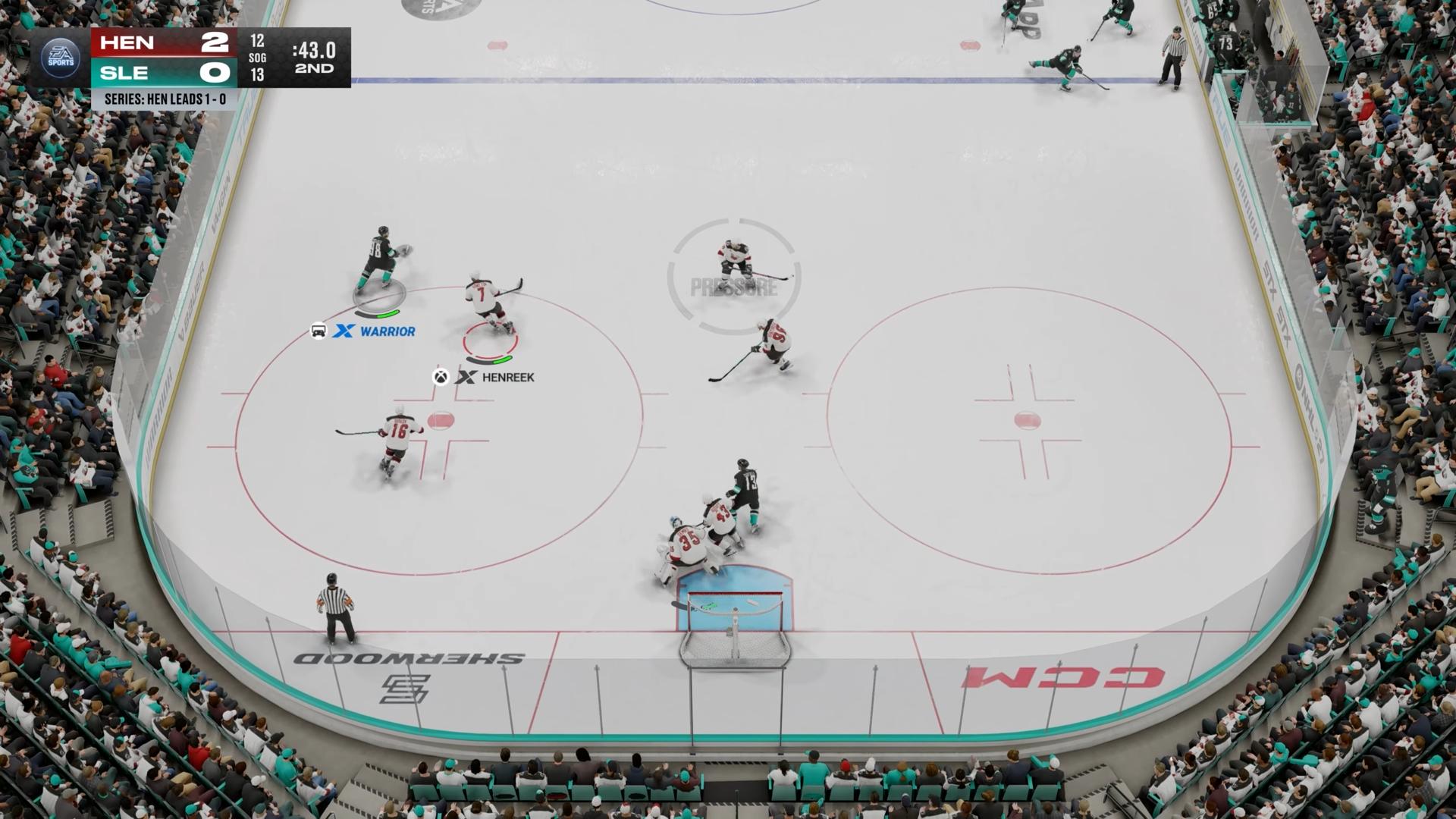
The weakest parts are the overly aggressive fatigue system, occasional awkward AI behavior, unnecessary on-ice interface clutter, and the limitations placed on Connected Franchise. You can turn off much of the on-ice trainer information, including pressure meters, indicators, fatigue notifications, X-Factor information, fighting instructions, and other visual prompts, which helps clean up the screen considerably.
In the end, EA Sports NHL 27 is a step forward, just not the giant leap some players may have wanted.
You will notice the difference in the arenas and presentation immediately, while the gameplay improvements become apparent as you play more matches. The reduced effectiveness of LT changes offensive movement, the improved defensive tools make it harder to force passes through defenders, the new playbook system adds more tactical thinking, and the additional animation and physics work give the action more variety.
That makes NHL 27 a good example of an annual sports sequel that improves in several useful areas without truly reinventing itself. If you are coming from an older NHL game, the improvements will probably feel more worthwhile.
The decision gets harder if you have already invested a lot of time in EA Sports NHL 26, since the core experience remains familiar. Still, this is not a roster update disguised as a new game. There is enough here to show the developers listened to some complaints and tried to push the series forward. It just needs a bigger push next time.
Editor, NoobFeed
Verdict
EA Sports NHL 27 finally gives the series a stronger identity with Connected Franchise, smarter tactics, better AI, and a major presentation overhaul. Its most significant gameplay changes still need to prove they matter over time.
76
Related News
No Data.