
Nintendo Switch 2 Jailbreak Marks a Major Breakthrough as AI Speeds Up Console Hacking
A new exploit has opened the door to homebrew and save backups, and with more vulnerabilities apparently being discovered, Nintendo may be facing a growing security issue.
News by Mahi Araf on Oct 22, 2026
The console jailbreaking scene is moving faster than ever, and Nintendo's the latest company to feel the effects. After the PlayStation 5 jailbreak that unlocked firmware version 13.60, hackers have scored an early win on the Nintendo Switch 2, using artificial intelligence to build an exploit that allows homebrew apps, game mods, and save backups. The current jailbreak is very limited, but this could be the beginning of something much bigger for Nintendo's latest console.
The breakthrough comes as AI tools make it easier for developers and hackers to investigate software vulnerabilities. Companies have been enthusiastically embracing this technology, but its capabilities aren't limited to corporate environments. People are finding their own uses for AI, including modifying hardware and software that manufacturers prefer to keep tightly controlled.
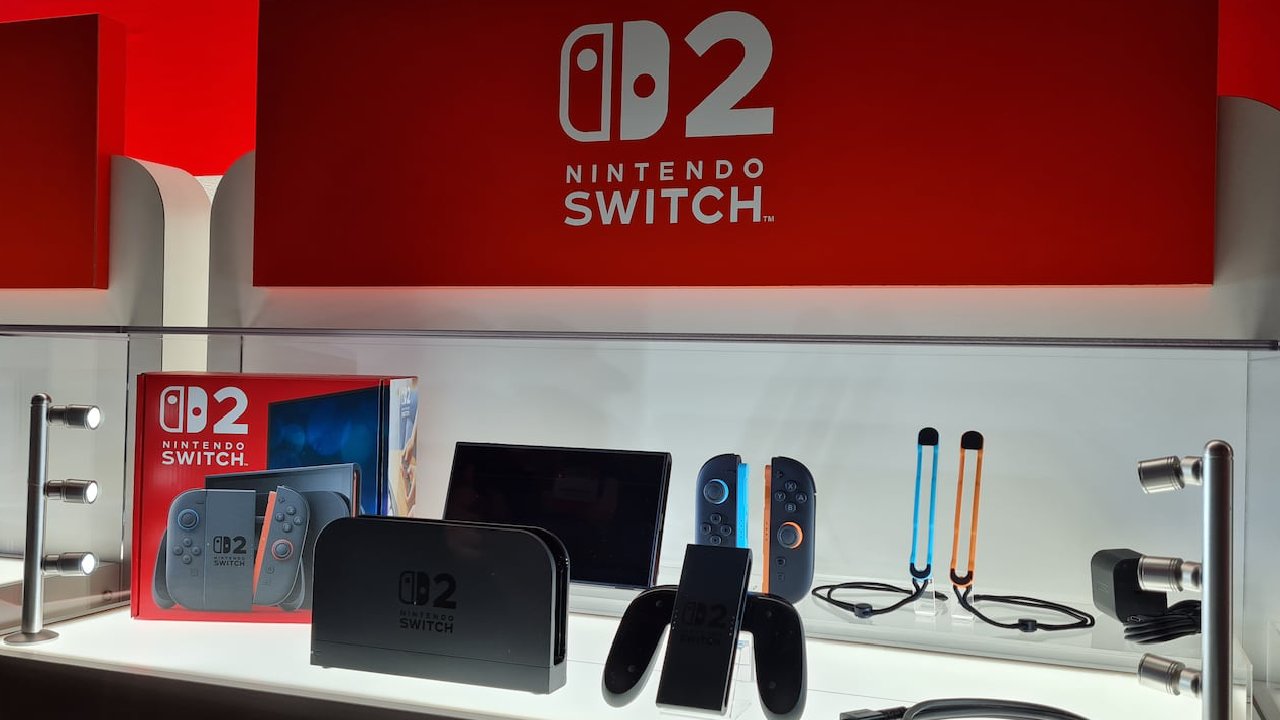
According to reports, developer Sammy Haj Mamid, better known as Pepsi Poo, released NS2JB, a tethered userland exploit targeting Nintendo Switch 2 firmware 23.0.1. The exploit uses a vulnerability in Smile Basic 4, software available on the original Nintendo Switch, to achieve code execution on the newer console.
Nintendo subsequently removed Smile Basic 4 from its eShop, apparently in response to the discovery.
Pepsi Poo demonstrated the breakthrough on October 21, 2026, showing modified characters in Mario Kart World, including Peter Griffin and Hatsune Miku. The footage also showed other modifications, demonstrating that the exploit could enable custom content on Nintendo's Switch 2 exclusive. This isn't just an unsubstantiated social media rumor, as the modding and jailbreaking communities have apparently confirmed it.
But there's a huge difference between using AI to help you think of a jailbreak and having the AI think of the jailbreak for you. Pepsi Poo said it took about two weeks of hard work to exploit the console, with AI helping the process, not breaking the console's security by itself. The Mario Kart World modifications were a separate project, which he reportedly created in a single day using AI-assisted coding.
That distinction matters because the breakthrough isn't simply someone asking an AI chatbot to jailbreak a console and watching it happen. It meant finding a vulnerability, writing an exploit, and then dealing with the technical hoopla to make it work. AI assisted with that process, but people were still required.
Smile Basic 4 was central to the original discovery, and Nintendo's response shows how quickly manufacturers can react when a potential security weakness becomes public. Searching Nintendo's website for the software now reportedly leads to an unavailable listing.
The game was also reportedly removed from the UK eShop before the removal spread to other regions, including the United States.
Still, taking down the software doesn't necessarily eliminate the threat. Other vulnerabilities have reportedly surfaced, suggesting that removing one entry point may not be enough to stop further development.
It's also worth keeping the current jailbreak's capabilities in perspective. Some headlines suggest the Switch 2 has been opened up to unrestricted homebrew, emulation, and extensive modding. That's getting ahead of the situation. The exploit is an important first step, but it doesn't give users complete control over the console.
According to technical details shared by GBAtemp, the exploit bypasses standard WebKit mitigations by exploiting a 32-bit integer overflow in the backward-compatible Smile Basic interpreter. Essentially, a bug in the software associated with the original Switch provides an entry point that can run code on the Switch 2.
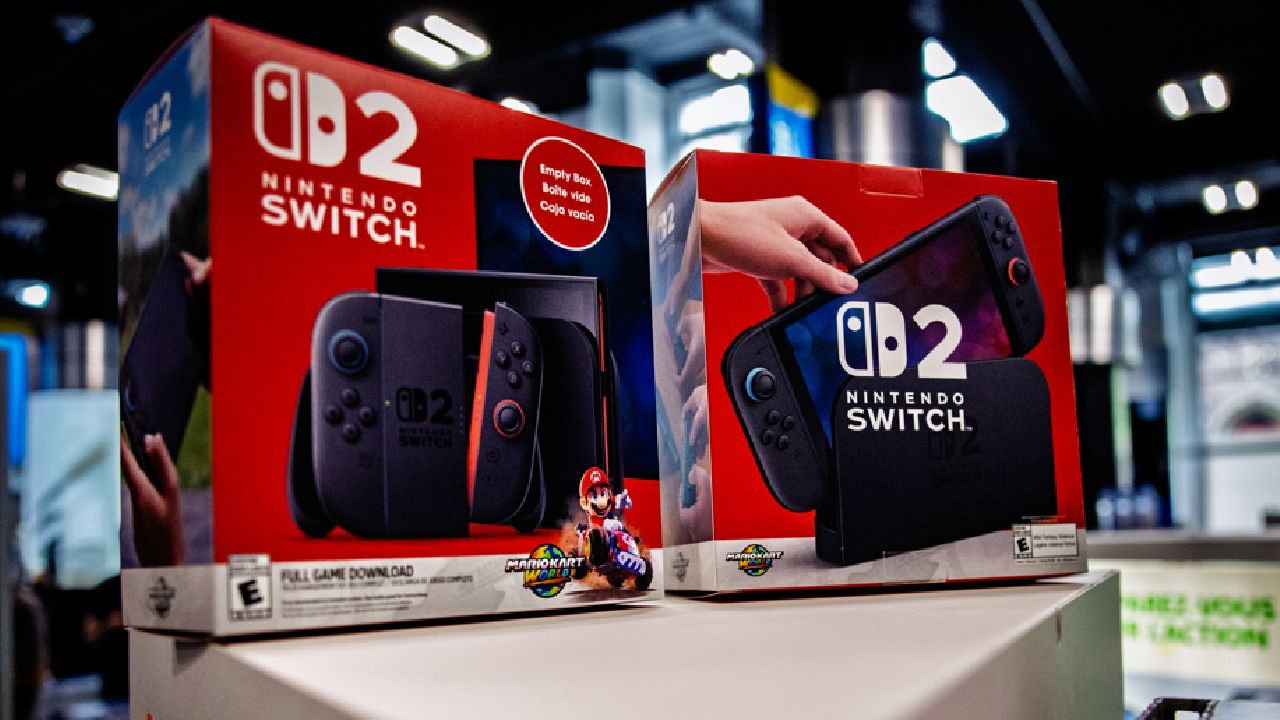
The exploit demonstrates native code execution within the system's FS and ROIS modules. This opens opportunities to investigate the file system, dump encrypted Switch 2 save files, reverse-engineer exclusive games, and interface directly with system hardware through memory-mapped I/O.
These capabilities are meaningful for homebrew developers and security researchers, but they don't amount to full kernel-level access. Users cannot simply install custom firmware, take unrestricted control of the operating system, and start running game backups or emulators as they would on a more thoroughly jailbroken console.
The exploit is also tethered, meaning it doesn't survive a complete shutdown or restart.
If you turn off the console, the exploit payload disappears from memory, and you'll need to repeat the process to use it again. Restarting also restores the original system processes, leaving no persistent system modifications behind.
There's another major obstacle: getting everything running requires a fairly specific setup. Reports describe a need for the original Switch version of Smile Basic 4, compatible software and system versions, Node.js 22, a Mac or Linux computer, and a network connection that allows the devices to communicate. That combination makes the current method far less accessible to the average Switch 2 owner.
Even enthusiasts may find the process too complicated for the limited functionality currently available. Nevertheless, the technical foundation could help researchers develop more advanced exploits in the future, potentially bringing the console closer to a more comprehensive jailbreak.
And Nintendo may already have another problem to deal with.
Reports circulating within the hacking community point to a second Switch 2 exploit involving different software, while a third reportedly relies on a physical game cartridge. The latter is particularly interesting because Nintendo can't address it simply by removing a game from its digital storefront.
Jailbreaking community member Jazine has also indicated that Smile Basic 4 isn't strictly necessary for every possible exploit. According to his comments, another method involving a physical cartridge could provide a route forward without requiring users to update their firmware to obtain the eShop software.
However, not every vulnerability is worth pursuing. Jazine reportedly cautioned against buying games specifically to exploit save-related vulnerabilities, particularly because Nintendo could restrict online services. These developments remain separate from the original Smile Basic exploit, and their existence doesn't mean that a complete Switch 2 jailbreak is already available.
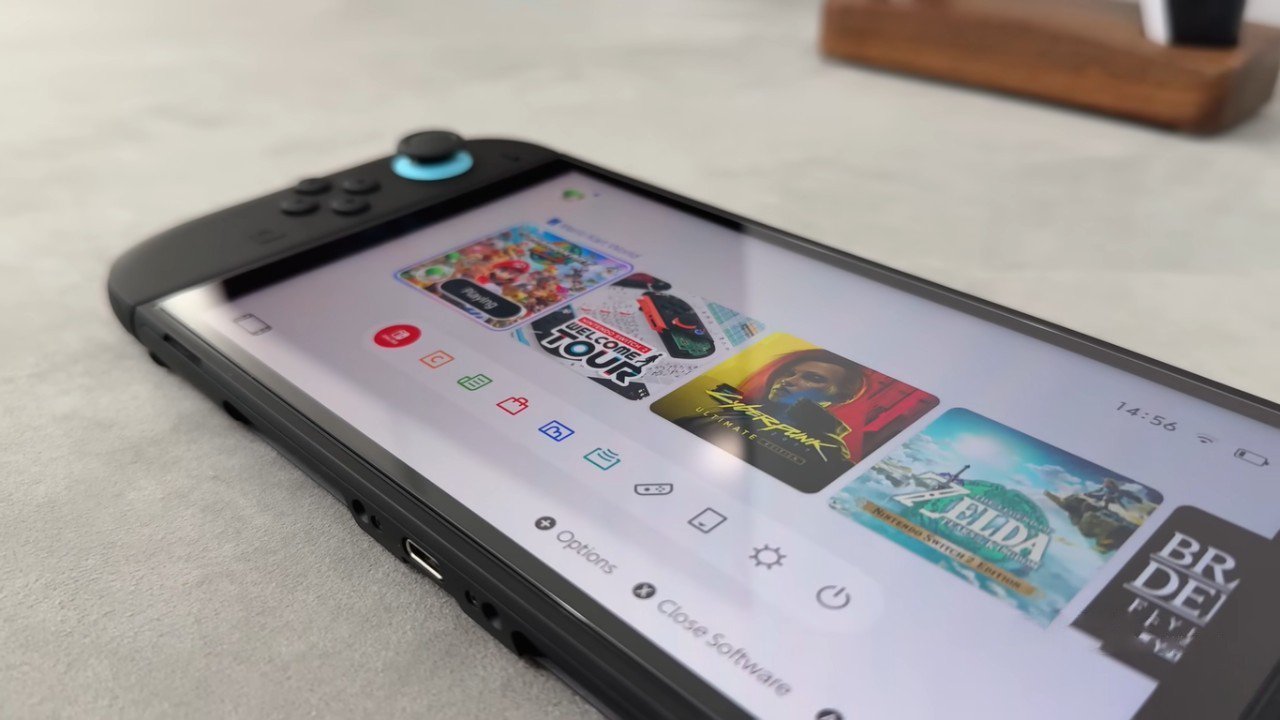
For Nintendo, the situation could turn into a familiar game of whack-a-mole.
Removing one vulnerable application might close a particular route, but other weaknesses could provide alternative entry points. If researchers keep finding and chaining vulnerabilities, Nintendo may struggle to stop the scene from progressing, even if it can block individual exploits.
The PlayStation 5 is a good comparison. Its jailbreak scene has advanced significantly, with firmware 13.60 marking an important breakthrough, and further work reportedly underway on newer versions. The Switch 2 is nowhere near that level of access yet, but the latest discovery shows how quickly the situation can change once researchers find a viable starting point.
Artificial intelligence could speed that process even further. Hackers may use AI tools for code analysis, debugging, and experimentation without being limited to manual research and traditional development workflows. That doesn't eliminate the need for technical knowledge, but it could lower some barriers and help individuals make progress more quickly than they otherwise would.
The broader debate also involves how much control you should have over hardware you've purchased.
As gaming moves increasingly toward digital distribution, players have fewer guarantees that they can access their purchases indefinitely. Digital games are often sold through licensing agreements, not as permanent ownership, so access can depend on licensing terms, platform policies, and the continued viability of online services.
If a game is removed from a storefront or a service goes away, you may someday lose access to something you paid for. The Concord example shows how quickly a live-service game can become unavailable, though circumstances vary from game to game. Even if a game is still popular, licensing agreements and the companies that support it can affect its future availability.
Physical games offer a different kind of security, since you can access the software without relying on a company's servers or licensing agreements. Nintendo deserves some credit here, as many of its first-party Switch 2 releases include the complete game on the cartridge. You can keep those games and play them as long as the hardware works.
However, Nintendo's use of game key cards complicates that picture.
These physical cards don't contain the full game; instead, they let you download it. You still have to carry and insert a physical card, but whether you can play depends on whether the digital download is available. If that download becomes unavailable, owning the card alone might not be enough to preserve access.
That's one reason why some players support jailbreaking. Backing up games you've purchased can help preserve them, particularly when the physical version doesn't actually contain the software. If official services eventually stop providing access, a backup could help ensure that the game isn't lost entirely.
Of course, Nintendo has legitimate reasons to protect its platform, particularly because jailbreaking can also enable piracy. The company will, of course, try to close security holes and prevent unauthorized modifications. The key difference is that changing hardware, creating homebrew software, and backing up games you already own aren't the same as illegally downloading copyrighted games. Piracy is an issue in its own right, and depending on the circumstances and jurisdiction, certain actions may be legal or illegal.
The first Switch 2 jailbreak is more important right now for what it might lead to than for what it's actually doing. There's no unrestricted custom firmware, no persistent jailbreak, and no simple way for the average owner to unlock the console. Yet the combination of an established vulnerability, AI-assisted development, and reports of additional exploits suggests that Nintendo's security challenges may be only beginning.
Whether Nintendo can contain these developments, or hackers will eventually gain deeper system access, remains to be seen. For now, the breakthrough highlights how AI is accelerating console research while bringing the debate over digital ownership and hardware control back into focus.
Senior Editor, NoobFeed
Related News
No Data.