
Zelda: Ocarina of Time PC Scene Moves Fast with Post-Launch Fix
Fixes are landing within hours of release, and Nintendo now has a fast-moving PC scene to deal with.
News by Adeela Tas on Nov 06, 2026
Nintendo has a new problem, and it showed up quicker than anyone expected. The Legend of Zelda: Ocarina of Time only just launched, and footage of it running on a PC was already online a day earlier. Ocarina of Time emulation is now a working reality, and the speed of the progress matters more than any single clip.
The earliest footage was posted about 21 hours before the newer clips. It came with a specs readout showing the frame rate and the hardware behind it, and it made one thing clear: you need a powerful build. The game itself looks good, too. Its art style split opinion at release, but in motion it holds up well.
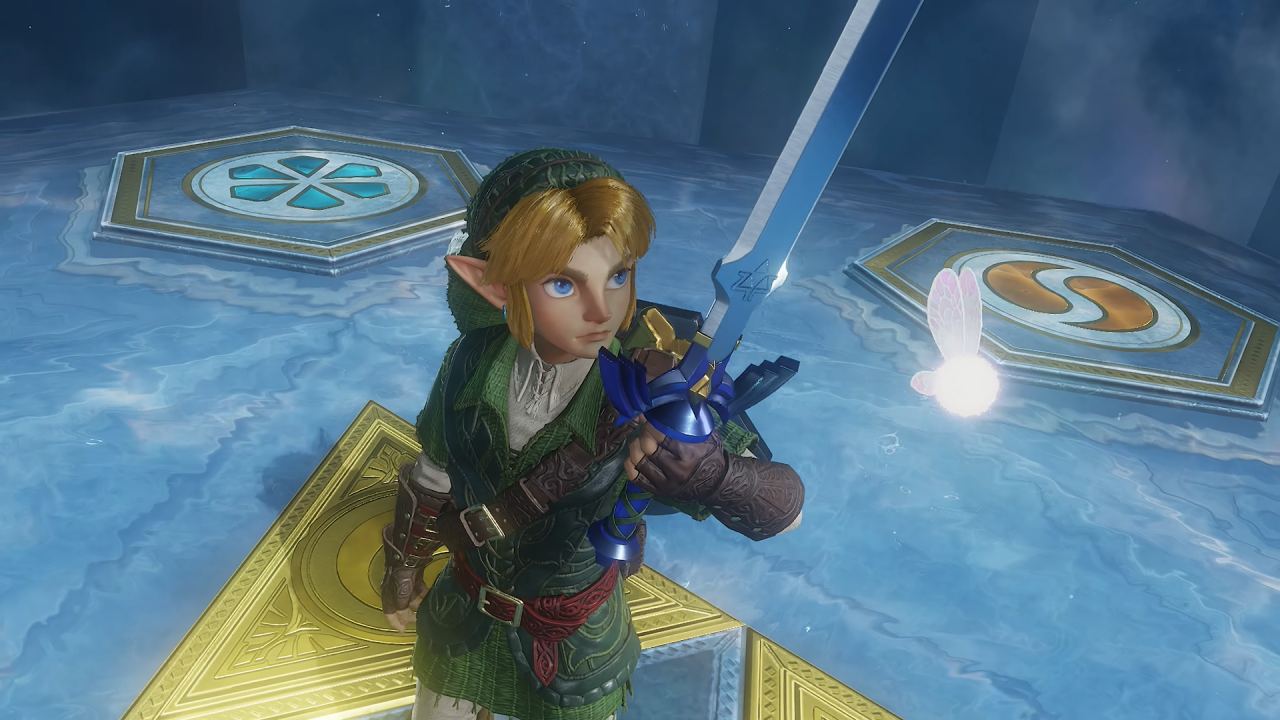
Early clips had heavy bloom and flickering, but that changed within hours.
A personal computer is something the game was never built for, which is why these early results got so much attention in Ocarina of Time emulation circles. That first clip had real problems, though. The cutscenes ran at 60 frames per second, but the bloom was so heavy it was hard to look at, and textures flickered across the screen.
The frame rate was fine, while the visuals weren't, so nobody could play it in any meaningful way. At that stage, Ocarina of Time emulation looked like it had a long way to go. It didn't take long to change. About three hours later, another clip showed the bloom gone.
That one ran on the Lichii Switch 2 emulator and reached 60 frames per second, although the number dipped and never stayed smooth. Graphical hitches still showed up, with shadows, reflections and lighting looking like the toughest problems left. Even so, things were far steadier than they had been a few hours before.
The people posting these clips say they dumped their own game files, so take that however you like. The point of covering any of this is the pace, not encouraging anyone to try it. Progress like this normally takes months or even years of optimization, and here it appeared within hours. That speed is what defines Ocarina of Time emulation right now.
A day later, the original poster's footage shows the bloom fixed.
Go back to the first uploader, and the change is easy to see. A newer clip from the same player takes place inside the Great Deku Tree, the exact area where the bloom was at its worst. His original footage never showed any outdoor areas, so the interior could have been fine from the start.
Less than a day later, the bloom is fixed and only some texture flickering remains. Performance reaches 60 frames per second but isn't locked, and you still need a strong rig to get there. The build has moved from unplayable because of rendering problems to very playable.
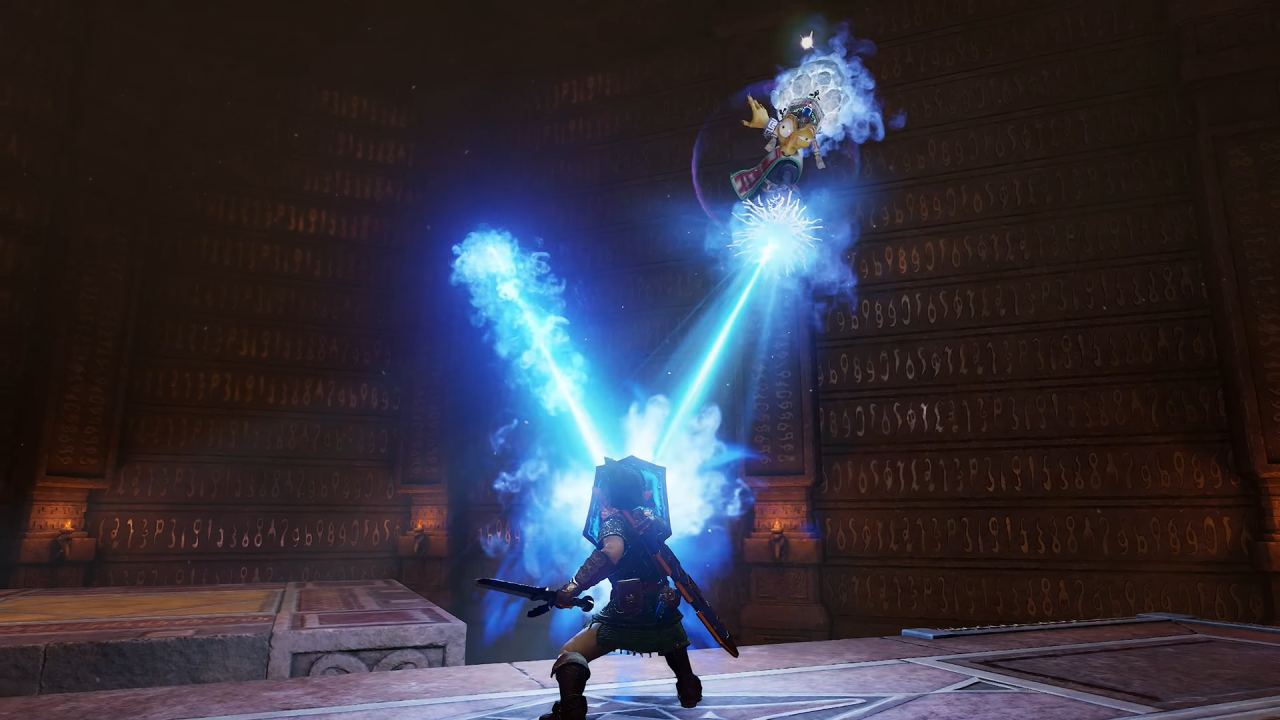
That footage also heads out into Hyrule Field. It isn't perfect there, but it matches what the other clip showed inside the tree, which suggests the earlier footage may have hidden how the outdoor areas performed. It clearly shows how far Ocarina of Time emulation has come in a single day.
It also has a practical draw. The official game has just one save slot, and an emulator removes that limit. For some players, that alone makes Ocarina of Time emulation appealing. Not everyone is convinced. Some people on social media have pushed back, pointing to technical roadblocks such as boot zero exceptions.
Skeptics aside, the emulator works, but Switch 2 remains the better experience.
But the Lichii emulator is out there, and it runs the game. You can dislike that or side with Nintendo, but the situation is what it is, and the sooner people accept it, the sooner everyone can move on. Most players won't want to play this way anyway.
Buying the game and playing it on a Switch 2, the system it was made for, is still the best experience for the vast majority. Given how fast developers are working, a locked 60 frames per second without texture flickering within a couple of days wouldn't be surprising.
Multiple save files are possible, mods are in development, and community members are already adding new content. On the Lichii side, the pace of fixes is hard to keep up with, and Ocarina of Time emulation keeps shifting from one clip to the next. Visual upgrades are being tested too.
People are trying different upscaling methods, since this build appears to use AMD FSR, and others are looking at adding Nvidia DLSS to see how the game looks with it. How AMD FSR and DLSS compare in this setup is still being worked out, and the results are early. Whether AMD FSR or DLSS ends up as the better fit for the game is something testers haven't settled.
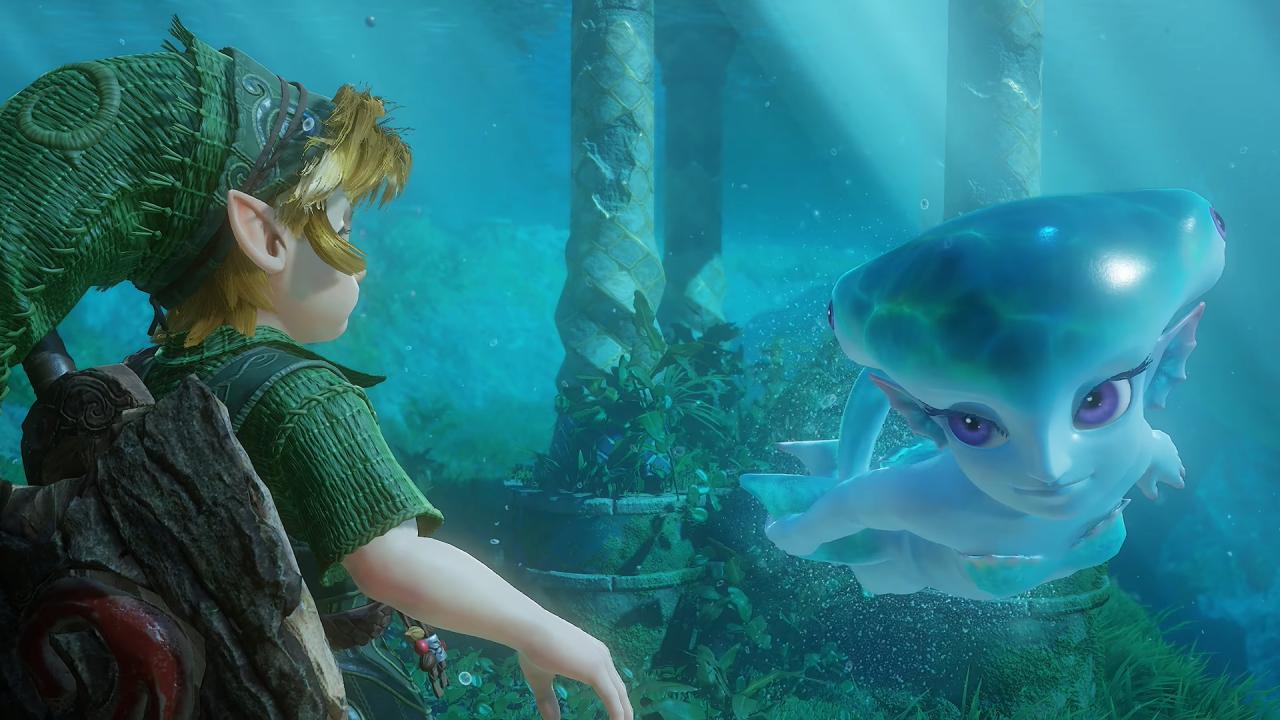
Progress is fast, but only a small group actually sets this up.
It helps to keep the scale in mind. This scene is a small corner of the wider gaming world. Plenty of people watch videos about emulation, but far fewer actually set it up and run it. Developments around Switch 2 and PS5 draw a lot of attention, yet only a small group follows through.
Whether Ocarina of Time emulation reaches a locked, flawless state soon is still open, and Nintendo will have to deal with whatever comes next. Until then, expect Ocarina of Time emulation updates to keep arriving at the same pace, with the Lichii team and other developers fixing problems faster than most people can report them.
Editor, NoobFeed
Related News
No Data.