
The Legend of Zelda: Ocarina of Time Remake Review
Nintendo Switch 2
A faithful reimagining of Nintendo's classic brings Hyrule back to life with modern visuals, improved controls, and enough new touches to make the journey feel fresh again.
Reviewed by Mahi Araf on Nov 04, 2026
Some games stick with you long after you've put them down, and the original Ocarina of Time is one such experience. When Nintendo first took players into Hyrule in 3D in 1998, it helped define what a 3D action-adventure game could be.
Its open fields, memorable characters, challenging dungeons, and music made it an experience many players would return to for years. More importantly, it introduced elements that became mainstays of the Zelda series, including Epona, Z-targeting, and familiar races like the Goron and Gerudo. Without Ocarina of Time, the series would be a very different animal today.
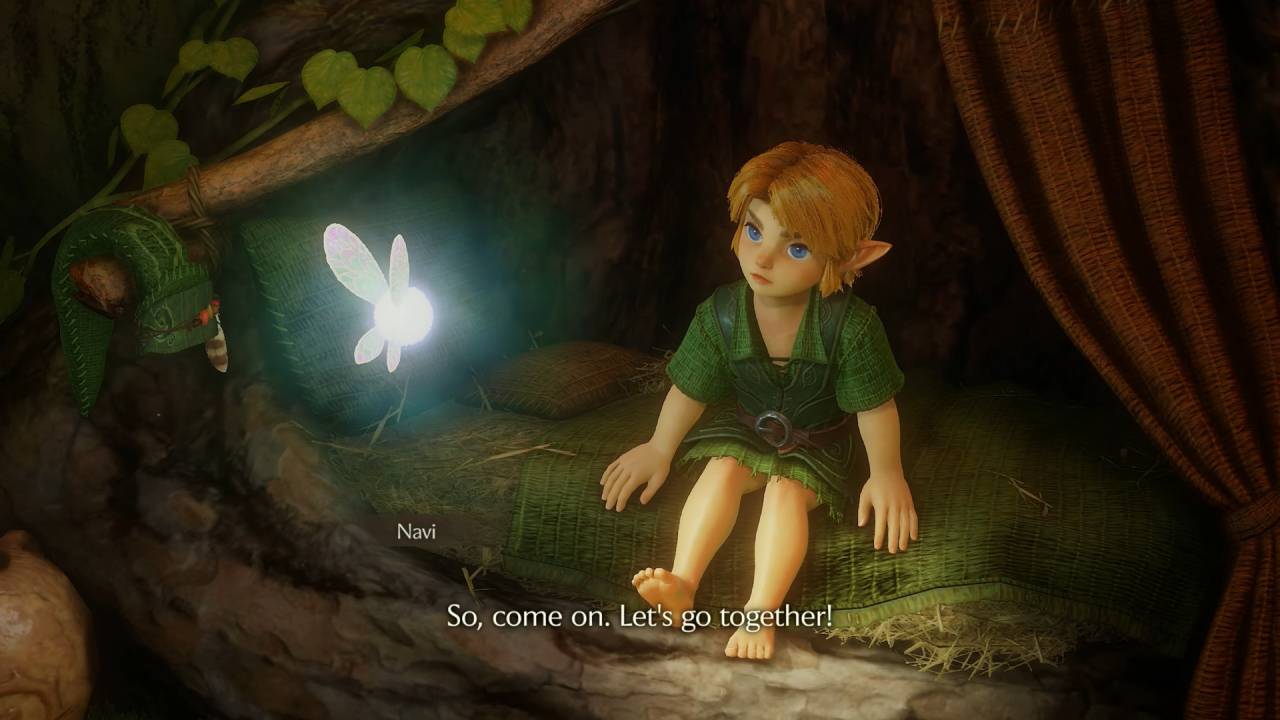
That's why remaking a game with such a big place in Nintendo's history is no small responsibility. This isn't just a rehash of an old adventure with better textures and higher resolution. You're returning to a world that many players already know by heart, and even the smallest of changes can affect how they remember it.
The Legend of Zelda: Ocarina of Time Remake gets accountability. Rather than revamping the experience entirely to match modern design trends, it maintains the original's identity with enhancements that feel like they've always been there. The result is a Hyrule that feels familiar but different enough to make another journey worthwhile.
The difference is apparent from the instant you hit the opening menu.
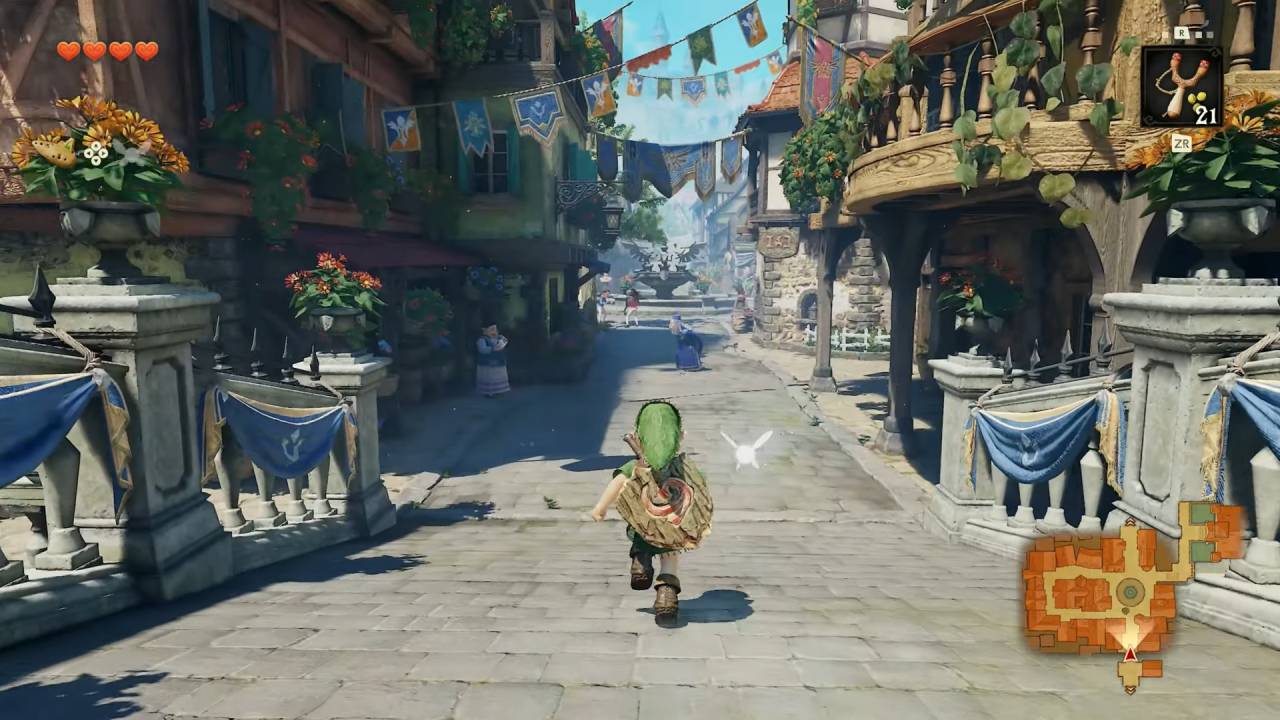
Link is still riding across the field of Hyrule, with the Lon Lon Ranch and surrounding landscape in the background, but the world looks much more alive than before. You can see places you've been a million times, but the details feel fresh, and it makes you want to explore again. It's like going back to your childhood home after someone has remodeled it. The layout is familiar, the memories are still there, but it all looks and feels a little different.
The story still follows the original adventure, with Link becoming embroiled in events surrounding Hyrule, Princess Zelda, and Ganondorf. But the remake allows the narrative more room to breathe with more dialogue, voice acting, and better cutscenes.
Characters that used to talk to you in text now speak to you in voice, giving their personalities more depth. Ganondorf's performance lends his character a greater sense of menace, while Saria's voice is warm and sincere. Princess Ruto also stands out, particularly in her younger years, where her demanding yet lovable personality shines.
Navi also benefits from the change.
She has more to say and feels like a real presence throughout Link's adventure, rather than a buddy who just shows up to nag. She has a slightly older-sounding voice, but still has the childlike quality. She usually takes Link's voice during dialogues. Link communicates mostly through his actions, battle cries, and occasional surprised reactions, and is mostly silent. Navi still has the familiar "Look and listen" comments, so some of the original experience is still there.
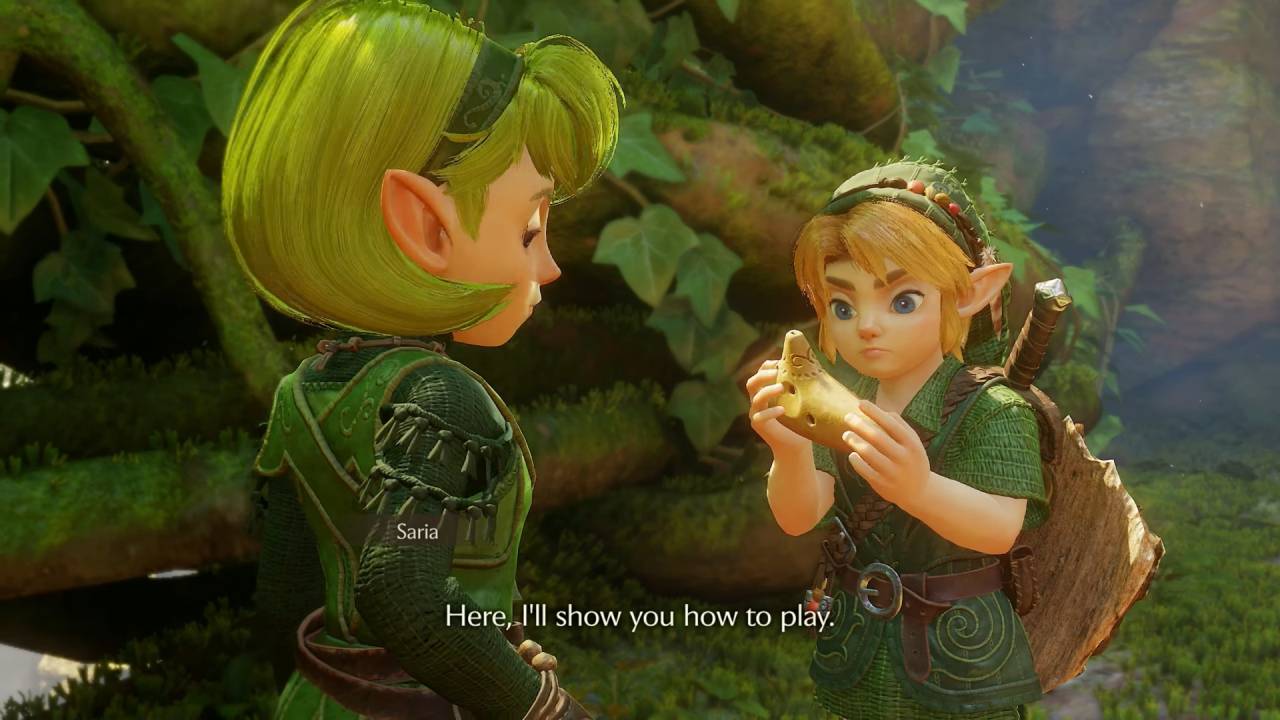
Giving the characters voices makes a bigger difference than you would expect. Important characters around Hyrule feel more alive, and the extra dialogue helps convey the feelings behind some story events. The cutscenes also use facial expressions and character animations better, so quieter moments carry more weight.
One particularly strong example is Saria's farewell to Link at the edge of the Kokiri Forest. She does most of the talking, and Link stays quiet, but his hesitation before he turns toward his destiny speaks volumes. This small interaction builds their relationship without having to explain everything through dialogue.
This method works for other scenes too.
The remake's presentation makes Ganondorf's actions much clearer when Link retrieves the Master Sword, and Ganondorf takes the opportunity. These aren't necessarily new revelations, but better direction helps communicate details that were already there in the original. The added performances and animations also make the darker moments hit harder, creating a more emotional journey without altering the central story.
One area where the voice acting doesn't quite meet the same standard is the Sheik reveal. It's hard to present Sheik's identity reveal in a way that preserves the original surprise, partly because the older game played on the limitations of the N64 presentation. The remake tries to preserve the moment, but the added dialogue and performances make it harder to overlook certain details.
The performance itself isn't a major problem, but it shows how modernizing an older story can create challenges that weren't there before.
The biggest improvement, however, is the gameplay. The original Ocarina of Time was a great adventure, but some of the older controls and movement mechanics didn't age as gracefully as the world and dungeon design. The remake fixes several of these issues but keeps the basic structure intact. The biggest addition is a dedicated jump button, and once you start using it, it's hard to imagine going back to the original movement system.
In the past, Link's jumping was mostly contextual, meaning you had to approach certain edges or gaps a certain way to jump. Now you can decide when to jump yourself. Moving around Kokiri Forest and other places feels more natural, and you can hop on vines or ladders to move faster.
It wasn't a platforming-challenge game in the first place, so the new mechanic doesn't suddenly turn it into a different game. Instead, it gives you more leeway to move around the environs. Some fans may have been apprehensive about this change, but it fits so organically into the existing level design that it feels like it should have been there all along.
The improved movement also brings along a free camera and improved aiming controls.
You can look around more comfortably, line up attacks, and recover from mistakes without fighting against the older targeting and movement systems. This makes encounters feel more manageable, but doesn't eliminate the need to pay attention. You can still get yourself in trouble with careless decisions, be it blowing yourself up or falling into lava. The controls just make it easier to react to things going wrong.
The equipment system has also been upgraded. The familiar equipment bar is back, looking much like you may remember from Breath of the Wild and Tears of the Kingdom, letting you pull up the gear you need without flipping through menus. The boots and Lenses of Truth can also be bound to direction buttons for faster switching. You can only map one pair of boots at a time, but that's still better than manually changing equipment whenever a puzzle calls for it.
The Business Scrub is another helpful addition. This Deku shopkeeper can be contacted to buy or find seeds in various places across Hyrule, including dungeons. He has useful supplies like potions, bombs, and arrows, so you don't have to leave a dungeon to stock up before facing a boss. But the seeds are limited, so you still need to think about when to use them.
It's a convenient feature that saves time without completely removing the need to manage your resources.
Exploration has also been tweaked a few times. Hyrule is the world you remember, but not every collectible or secret is where you remember it. You can't just bomb your way into certain hidden grottos. Sometimes you will need to use the Ocarina of Time and play the Song of Storms to reveal a new path or to uncover something underground. The remake also introduces a new item that will help you find Gold Skulltulas, so you don't need the original Shard of Agony.
Some familiar Rupee farming locations and Heart Piece finds have also been altered. You can now hold five bottles, and extra fairy markings and small puzzles scattered around ruins and rocks hint at hidden rewards. Some of these challenges are new; others guide you towards health and magic resources. These changes mean that if you want to find everything, you can't rely on your memory of the original. Even if you know Hyrule like the back of your hand, there's still reason to explore its edges and look for things you may have missed.
Another useful addition is The Threads of Time. It serves as a quest tracker, tracking the main adventure and the side quests you've embarked on. It doesn't necessarily solve the more abstract puzzles for you, but it reminds you where you were and what you were working toward. Its visuals are also great, slowly filling a tapestry with details from Link's journey. As you go further, you see new bosses and quest elements appear, giving a satisfying record of what you've accomplished.
There's another, the Hall of Fallen Foes, where you can see the monsters and bosses you've defeated around Hyrule.
It's not a massive change to gameplay, but it lets you appreciate the designs without fighting them. You can also retake bosses to test your skills and better your performance. These additions don't replace the original adventure; they are simply additional ways to interact with the world once you've overcome certain challenges.
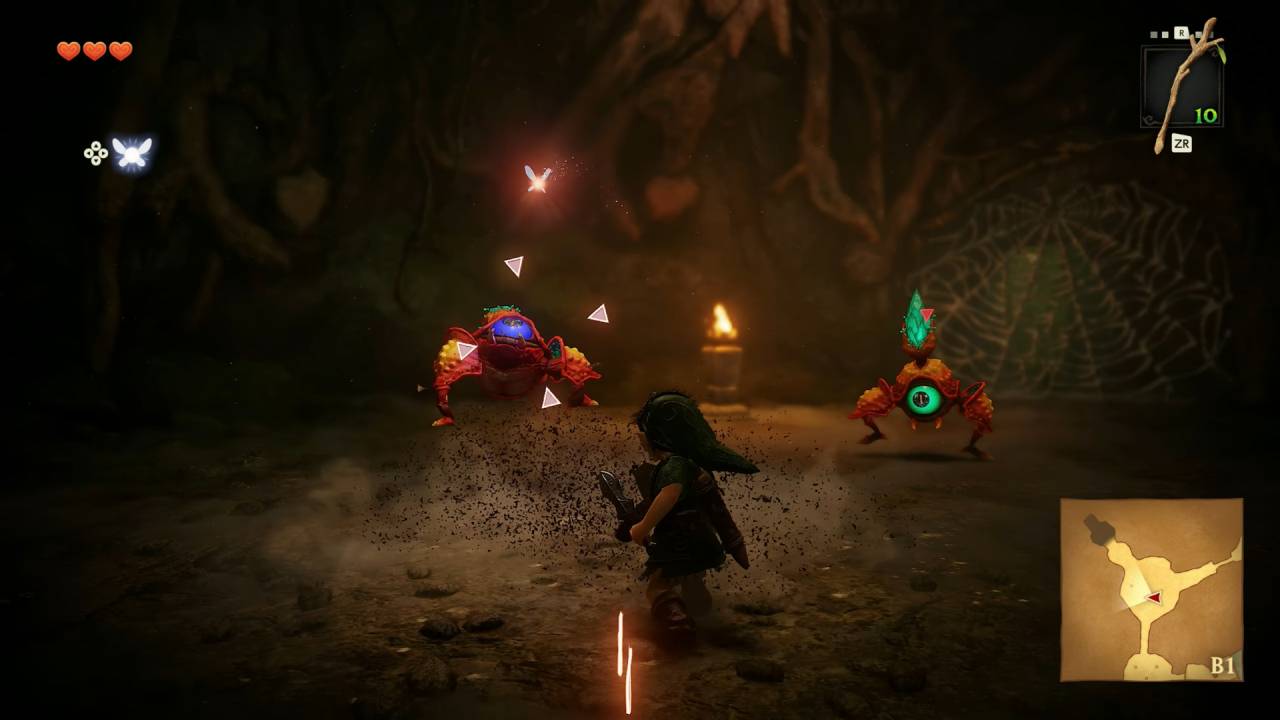
Puzzles and dungeons remain the heart of the experience, and the remake's balance between old and new is especially noticeable here. The Great Deku Tree remains Child Link's tutorial dungeon, but improved visuals and controls make it easier to navigate.
The dungeons build on that as you go deeper. The Forest Temple is full of twisting corridors, candlelit rooms, and quirky spaces that make exploring feel rewarding. The Fire Temple has a more volcanic vibe, and the Shadow Temple keeps its unnerving presentation and scary encounters.
The Dead Hand is still a creepy sight, and it somehow feels even scarier with the updated visuals.
Shadow Link is still a tough opponent; you have to watch his moves and react cautiously. Boss encounters are usually easier to handle because of more responsive controls, but that doesn't mean every fight is a breeze. You can still make mistakes, and the game can punish you for them.
Special mention goes to the Water Temple, which has always been one of the more frustrating parts of the original adventure. The improved presentation makes the layout easier to understand, and the controls make navigation less awkward. However, the raising and lowering of the water level can still be annoying.

The Shadow Temple also remains weaker and more linear than the other dungeons, relying heavily on its hidden-object mechanics. Similarly, the stealth segments in Hyrule Castle and Gerudo Fortress are easier to navigate with the free camera and jump button. However, the Gerudo Fortress sequence can still feel like a chore.
These are worth mentioning because the remake doesn't try to eliminate every inconvenience from the original.
Some sections are the way they are because of design decisions made at the time, and changing them too much would affect what makes Ocarina of Time, Ocarina of Time. The developers appear to get that distinction. Sure, they make it more comfortable, but they don't make every challenge a completely new experience.
The game's atmosphere also reflects that respect for the original. Ocarina of Time has always had a serious story with odd moments of humor, and the remake maintains that contrast. Hyrule is full of strange characters and weird situations that can surprise you. And you still have to wake up Talon, whom you find sleeping on the grounds of Hyrule Castle, and carry Princess Ruto around in a way that feels more ridiculous than heroic.
These moments might seem out of place given the seriousness of Link's journey, but they are part of the game's character. The adventure is fraught with danger, loss, and heroic encounters, but the occasional silly interaction keeps the world from becoming too heavy.
That contrast really helps the darker bits, like when Adult Link comes out of the Temple of Time and sees Hyrule in ruins.
The shift in mood carries the weight it deserves, and creatures like the ReDeads and Dead Hand make some of the encounters genuinely creepy. The ReDeads also have clearer visual cues, which makes them less frustrating to deal with, but they can still sneak up on you.
At the very least, The Legend of Zelda: Ocarina of Time Remake is one of the best-looking games on the Switch 2. They have recreated the environments in such detail that familiar places seem new. The graphics display the texture of Link's clothing, the Kokiri children, and the Ocarina, which shines like a glazed ceramic instrument. The dungeon walls look lived-in and worn, and Navi's glow adds atmosphere to the darker areas. Bosses explode in purple ash and dust, making encounters feel more impactful.
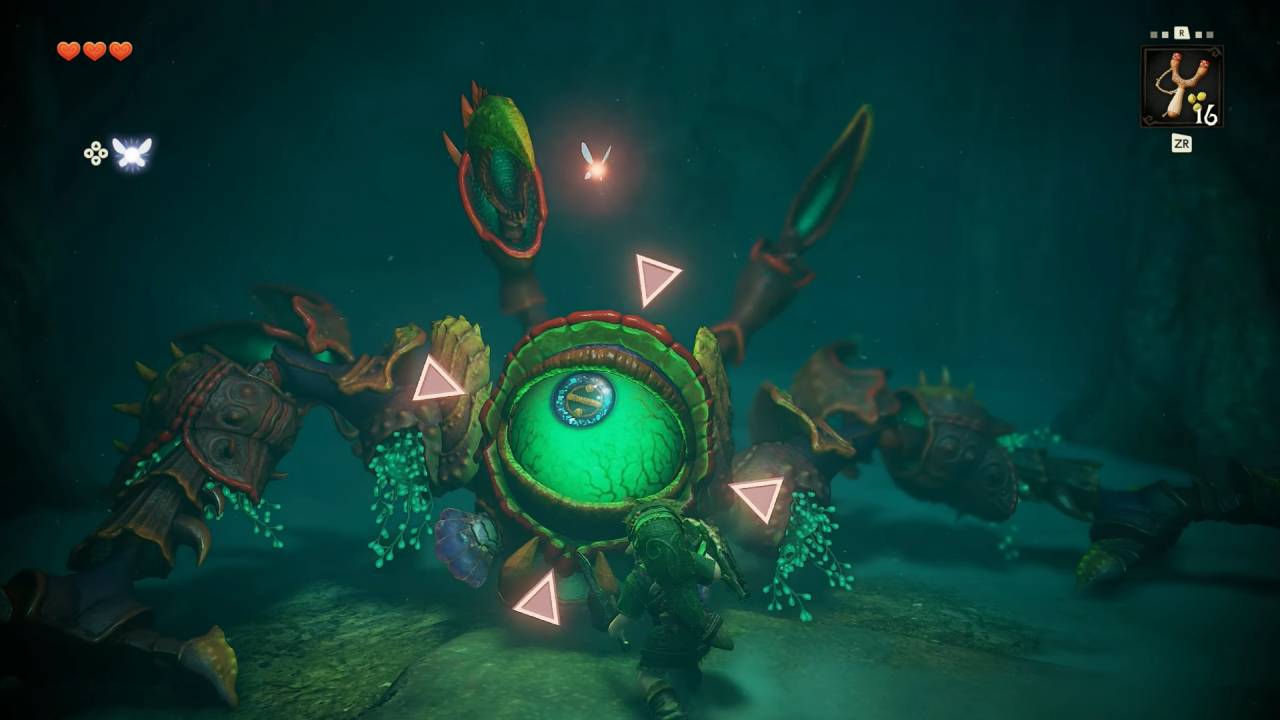
The character animations are a testament to the detail, too. Link's cheeks puff out as he plays the ocarina, and his fingers almost move with the notes. These little touches add to the world's reality without taking away from the adventure.
The re-orchestrated soundtrack is just as important as well. The familiar music retains the emotion and atmosphere of the 1998 original, but the revised arrangements allow for a fuller presentation. The Lost Woods also uses directional audio cues better, making the act of following the music feel more spatial.
The sound design and visuals work together to make Hyrule feel like the place you remember, even if the original never really looked like this.
You can remember every blade of grass, every ripple on the water, every character with a voice in your imagination. The remake brings much of that childhood vision closer to reality. It doesn't replace your memories of the original; it gives you another version of the world that feels just as worth visiting.
But just because you've finished it all doesn't mean you're automatically ready to move on from Hyrule. You may finish the rest of the Heart Pieces and other collectibles in around 55 hours, but when you do, you might feel a strange emptiness. The post-game map is a nice feature, as it highlights collectibles you still haven't picked up, making it easier to track anything you missed. But once you are done, there isn't quite enough to keep you going.
The biggest disappointment is the absence of multiple active save files, which makes it difficult to start another playthrough without losing your current progress. There's no Master Quest version either, another missed opportunity.
The remake is so good at enticing you to return to familiar locations to discover their secrets anew that a little added challenge would have been a natural extension to the experience. You can always start a new game, but the need to erase your previous progress makes that option less appealing.
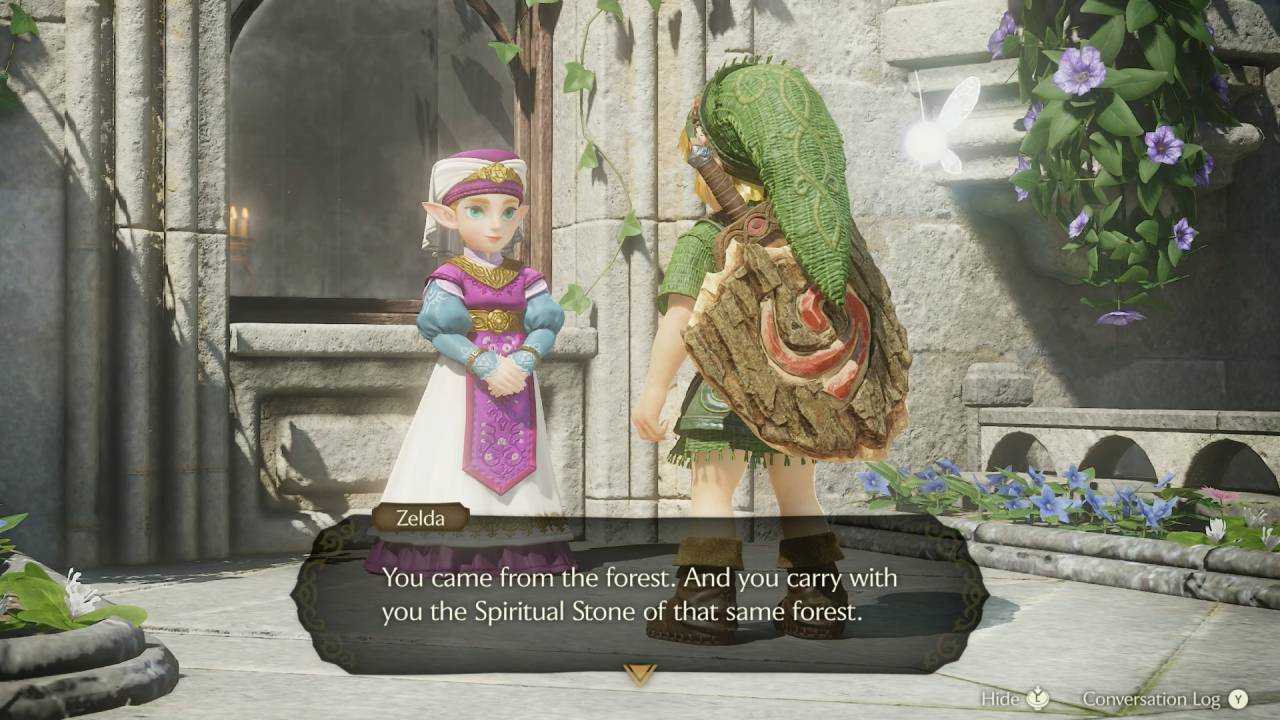
Even with those limitations, it's hard to leave disappointed. The Legend of Zelda: Ocarina of Time Remake knows what made the original great and does not confuse modernization with completely changing the game's identity. The new controls make exploring more fun, the extra dialogue adds more emotional weight to the story, and the visual and audio upgrades bring Hyrule to life in a way that couldn't be done on the N64.
Some of the original's weaker parts remain, but they rarely detract from the adventure's overall quality.
More importantly, the remake shows that Ocarina of Time's design still works. Its dungeons are still fun, its world still has things to see, and its story still hits an emotional beat. You can see the influence of later Zelda titles in some of its quality-of-life features, but the experience never loses sight of the adventure it began with. Whether you're returning after years away or encountering this take on Hyrule for the first time, there's a lot to love here.
When the credits start to roll, you might find yourself wanting to stay a little longer. The music, the characters, the places you've been to—it all makes it feel less like beating a game and more like leaving a place you've grown attached to. Perhaps the remake's greatest achievement. It gives you a reason to fall in love with Hyrule all over again, while honoring everything that made the original so important in gaming history.
Senior Editor, NoobFeed
Verdict
The Legend of Zelda: Ocarina of Time is a worthy remake and a faithful reimagining that marries modern controls and presentation with the original's timeless adventure. Some sections are a little dated, but Hyrule is still a great place to live.
98
Related News
No Data.