
Intel Arc B580 Could Be Discontinued to Prioritize High-Margin AI GPU Production
Intel's rumored production shift highlights how AI demand is increasingly competing with affordable gaming hardware for limited GPU silicon.
Hardware by Tanvir Kabbo on Nov 04, 2026
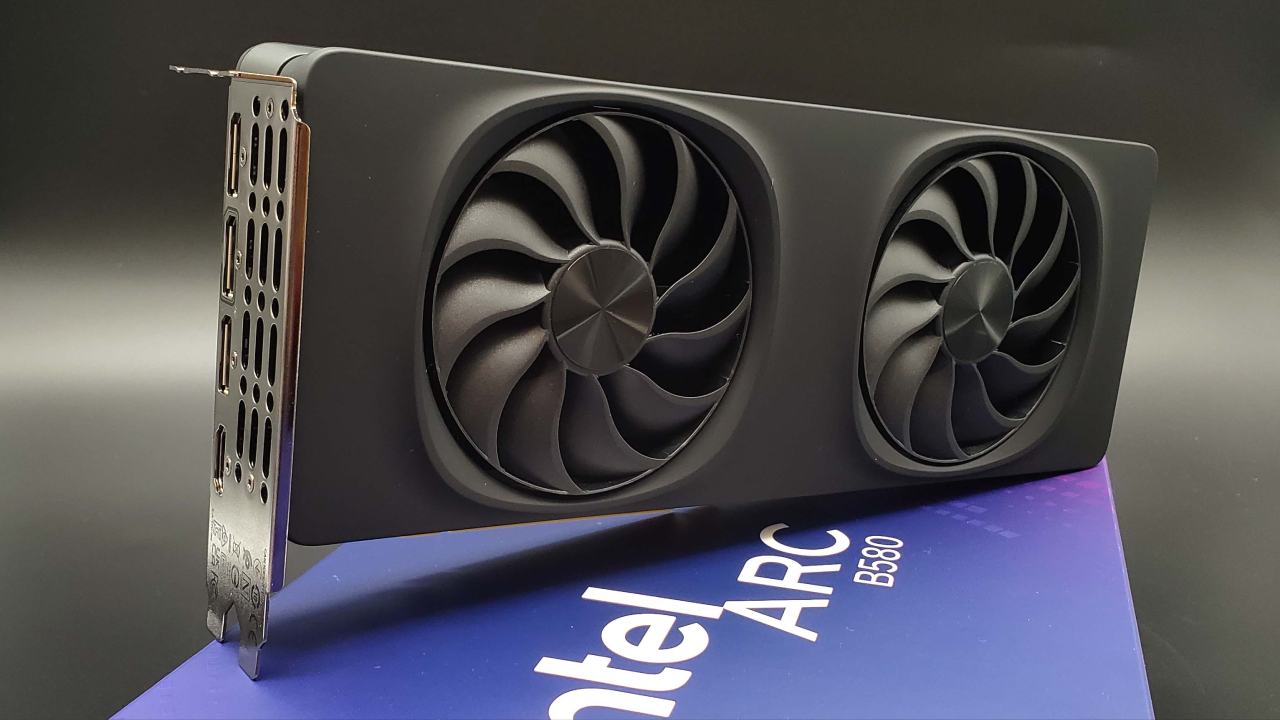
Intel Arc B580 was meant to be what the affordable graphics card industry has been crying out for: a competitive GPU with 12GB of VRAM without costing an arm and a leg. The Battlemage graphics card, released in December 2024 for $249, rapidly became an appealing choice for budget-minded PC builders. But a new rumor suggests Intel may plan to withdraw the very device that helped build its credibility in the discrete gaming GPU market.
According to leaker Haze2K1, Intel is planning to put the Arc B580 on the EOL list and divert production to higher-margin workstation graphics cards. If true, this will be just another bit of bad news for gamers facing increasingly pricey technology. Rather than trying to broaden the availability of affordable GPUs, Intel might focus on professional clients willing to pay much more for much the same core technology.
Higher Margins Make Workstation Graphics Cards More Attractive
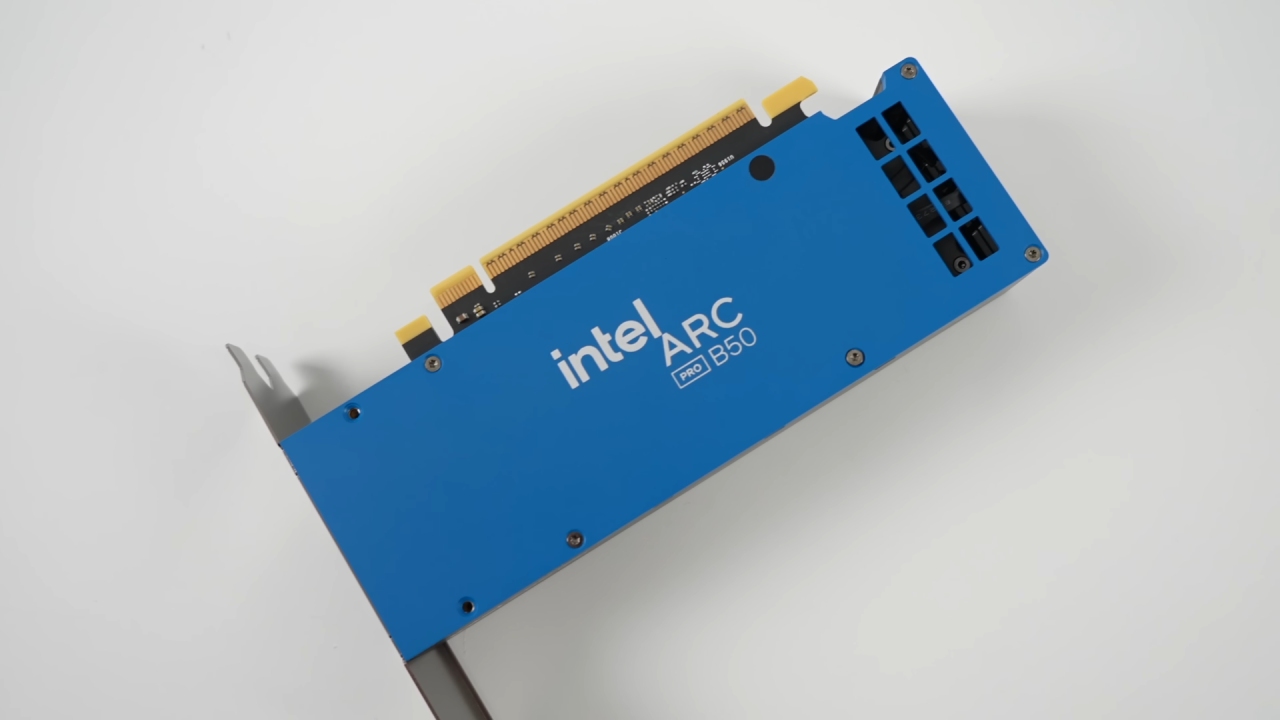
The economics behind this rumored production shift are relatively straightforward. Intel's Arc B580 uses the BMG-G21 silicon, the same GPU powering its Arc Pro B50 and Arc Pro B60 workstation graphics cards. But these professional parts serve a much more profitable industry than the common gaming GPUs.
The Arc B580 starts at just $249 and is a budget-friendly alternative for gamers wanting a lot of VRAM. Meanwhile, the Arc Pro B60 debuted at around $500, roughly double the B580's original price. This creates an obvious financial incentive for Intel to prioritize professional products whenever manufacturing capacity becomes constrained.
The situation becomes particularly interesting when AI inference enters the equation. Small development studios, independent researchers, and professional users increasingly need graphics hardware that can handle local AI workloads. Intel's Arc Pro lineup offers another option for these customers, allowing the company to monetize its Battlemage architecture beyond traditional gaming.
Because the Arc Pro B50 and B60 share BMG-G21 silicon with the consumer card, Intel can potentially redirect production toward products commanding higher selling prices without relying on an entirely different GPU architecture.
However, higher selling prices do not automatically translate into identical differences in manufacturing profit. Memory configurations, board designs, validation, and professional software support also influence costs. Nevertheless, the potential revenue advantage makes this rumored strategy commercially understandable.
The Sub-$300 Graphics Card Market Faces Another Blow
The potential discontinuation of the Arc B580 is particularly concerning because of what the card represents in today's GPU market. Its 12GB memory configuration at a $249 launch price made it unusually attractive. It was the only 12GB graphics card available below $300, giving budget-conscious buyers a combination of memory capacity and pricing that competing products struggled to match.
Modern games tend to require a lot of graphics memory, especially if you use higher-quality textures and demanding visual settings. So, cheap 12GB graphics cards offer more than instant gaming performance for the price.
Unfortunately, availability is already becoming a serious problem. The Arc B580 is reportedly completely out of stock at most retailers, while remaining listings can carry heavily inflated prices from scalpers. This means a potential EOL decision would not simply eliminate a future product. It could worsen an existing supply problem.
For budget PC builders, the consequences are straightforward. Paying considerably more for a graphics card originally positioned at $249 undermines its entire value proposition. Moving toward more expensive alternatives can also force compromises elsewhere in a PC build.
Intel's entry into the discrete GPU market was notable because it added another competitor that may shake up the existing pricing schemes. Removing the B580 prematurely could weaken that competitive pressure, especially as affordable graphics cards are already becoming harder to justify.
NVIDIA's Reported GPU Reallocation Shows a Wider Industry Trend
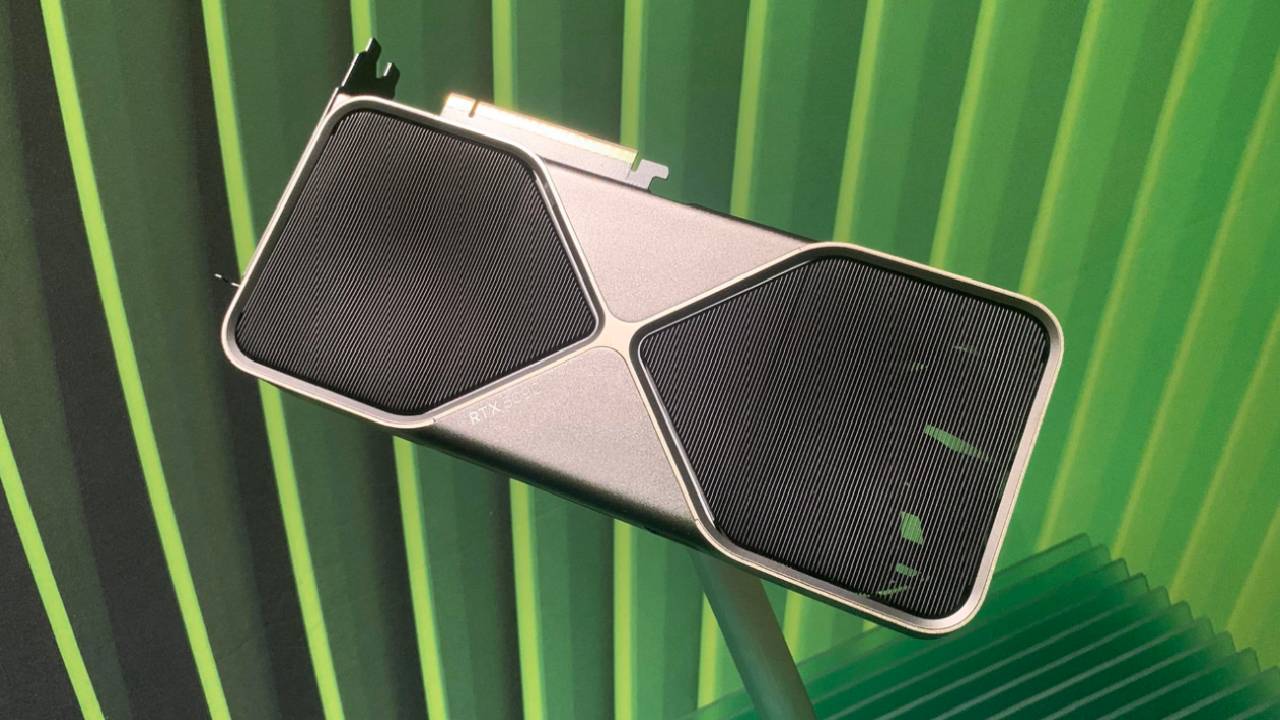
Intel would not be alone if this production shift materializes. NVIDIA is also accused of diverting GB202 silicon away from consumer GeForce products, namely the RTX 5090, and toward the higher-margin RTX Pro workstation graphics cards.
Now, the products are different, but the motive behind them is very similar. These products are often used in AI and other professional areas, where hardware prices can be significantly higher than consumer graphics cards. This puts gamers in an uncomfortable spot. Demand from the AI infrastructure, professional computing, and workstation industries is driving competition for GPU production capacity.
The issue isn't that AI accelerators or professional graphics cards shouldn't exist. Both address key computer needs. The danger is that manufacturers could slowly push consumer gaming hardware down the priority list if they find more profitable prospects elsewhere.
FAQ
Q. Is Intel discontinuing the Arc B580?
A. According to leaker Haze2K1, Intel is reportedly considering placing the Arc B580 on its end-of-life (EOL) list. However, Intel has not officially confirmed the discontinuation.
Q. Why would Intel discontinue the Arc B580?
A. Intel could reportedly prioritize the higher-margin Arc Pro B50 and B60 workstation graphics cards, which use the same BMG-G21 silicon as the consumer Arc B580 and target professional and AI inference workloads.
Q. How much did the Intel Arc B580 cost at launch?
A. The Intel Arc B580 launched in December 2024 with a $249 MSRP, offering 12GB of VRAM and making it an attractive option for budget gaming PCs.
Q. Will the Arc B580 become harder to find if Intel discontinues it?
A. Yes. If Intel ends production, existing retail inventory could become increasingly limited, potentially pushing prices higher as budget PC builders compete for the remaining cards.
Senior Editor, NoobFeed
Gaming Hardware Updates
No Data.