
ILL Breaks Back into the Spotlight with a 2027 Return that Could Redefine Horror Gaming
After years of skepticism and silence, the long-awaited survival horror game is back with a new trailer, a release window, and ambitions that could make it one of the genre’s defining releases.
News by Tahmid Mahi on Jun 03, 2026
For years, ILL felt like one of those projects that existed in a strange limbo. Every so often, a clip would surface online showing off unsettling creatures, realistic visuals, or its brutal dismemberment system, and people would immediately start talking about it again. At the same time, plenty of players questioned whether the game would ever actually arrive.
That uncertainty has finally started to lift. ILL recently reappeared with a new trailer and an official release window targeting 2027, giving horror fans their clearest look yet at what the team has been building. More importantly, the latest footage suggests that the game is no longer just an impressive concept.
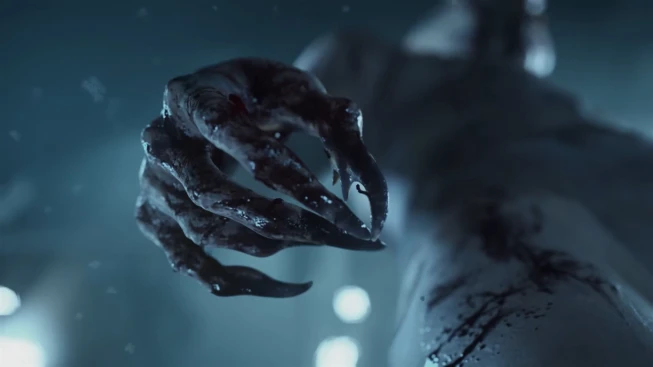
The first thing that hits you is the vibe.
The environments feel more like real locations that something unnatural has overrun, rather than a series of classic horror game stages. The game is set inside a massive research facility that has fallen under the influence of a mysterious force and the creatures it creates.
Those creatures, known as aberrations, may end up being among the most disturbing enemy designs seen in modern horror games. What makes them special is that they’re not just zombies or random mutants. Their bodies contort in unnatural shapes, limbs stretch in physically impossible ways, and facial features morph in disturbing ways.
The development team has said that realism is a major priority, and that philosophy extends throughout the facility itself. Designers are creating laboratories, hallways, living quarters, and workspaces to feel like places that genuinely existed before everything fell apart. That attention to detail enhances the horror experience, as you are not merely walking through a haunted attraction.
A lot of the game's inspiration comes from practical-effects horror films from the 1970s, 1980s, and 1990s. The developers have pointed to classic movies that relied on animatronics, makeup effects, and physical creature work rather than digital effects. That influence is easy to see in the monsters themselves, but it also shows up in how they move.
According to the team, years have been spent studying horror animation and creature behavior.
Some enemies move normally until they suddenly bend or twist in impossible ways. Others crawl through environments with strange body language or unexpectedly change posture in front of you. The goal is not simply to create frightening enemies but to make encounters feel unpredictable.
The game's gore system continues to be one of its most talked-about features. ILL appears determined to push body horror further than most major projects currently in development. Enemies do not just absorb damage until they fall over. Limbs can be destroyed, bodies react dynamically to attacks, and visible damage accumulates throughout a fight.
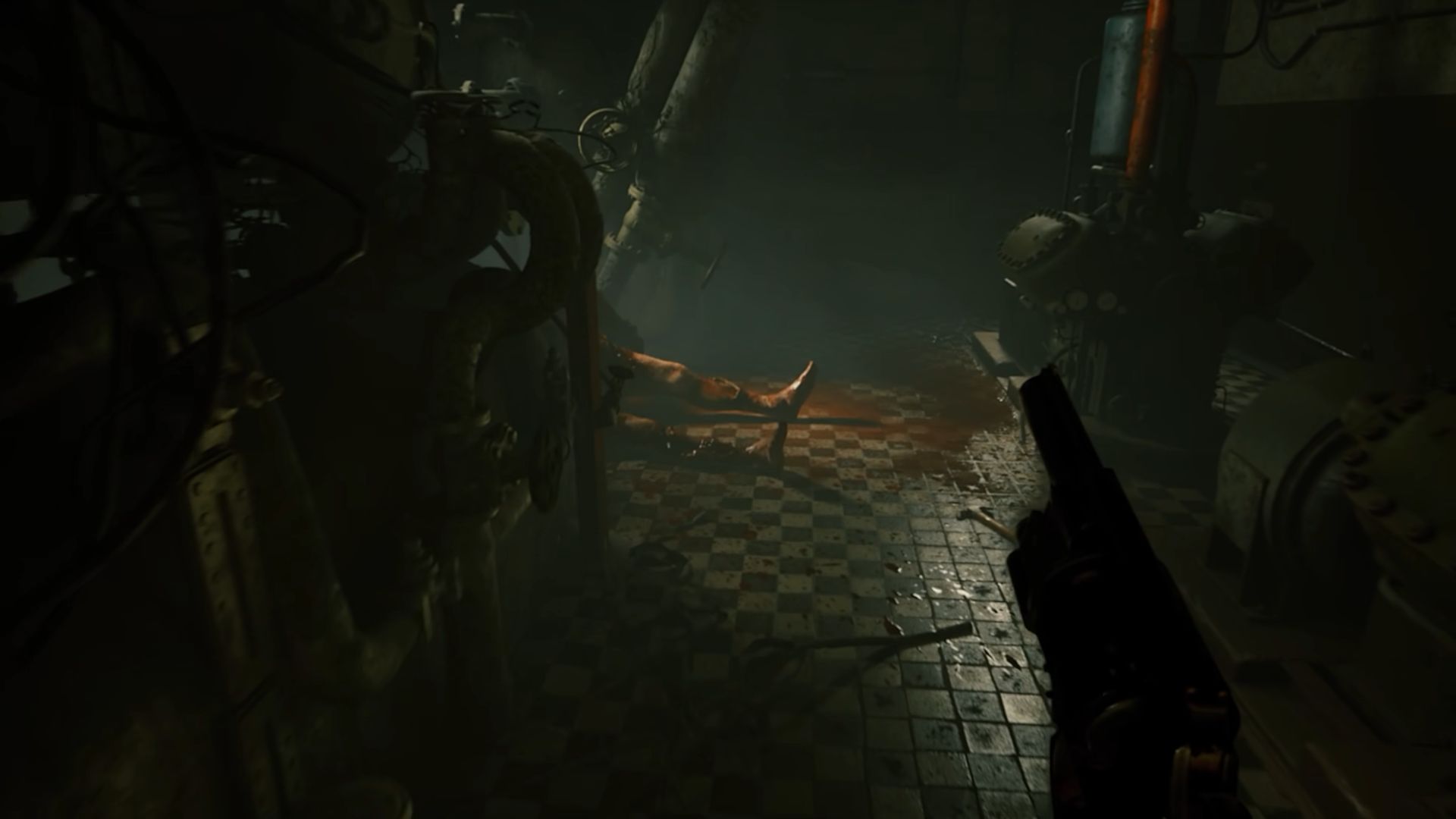
The developers have openly stated that they want horror to feel physical rather than relying entirely on psychological tension. Every shot you fire and every injury you inflict is meant to leave a noticeable impact on what is happening in front of you. This design choice is meant to make every encounter feel more immediate and grounded in consequence.
Beyond the gore and visuals, ILL is also shaping up to be a substantial survival horror experience. As you move through the facility, you will need to gather resources, manage inventory space, solve environmental puzzles, and decide how best to use limited supplies.
Ammunition will not be plentiful, resources will be scarce, and inventory management is expected to play an important role throughout the game. The intention is to keep you feeling vulnerable, even when you have access to powerful weapons. This constant pressure makes you think very carefully about every decision you make.
Combat appears to offer plenty of flexibility. Footage and developer discussions have already referenced shotguns, revolvers, assault rifles, sniper rifles, melee weapons, and other specialized equipment. Upgrade and customize your weapons to suit your loadout for the challenges ahead.
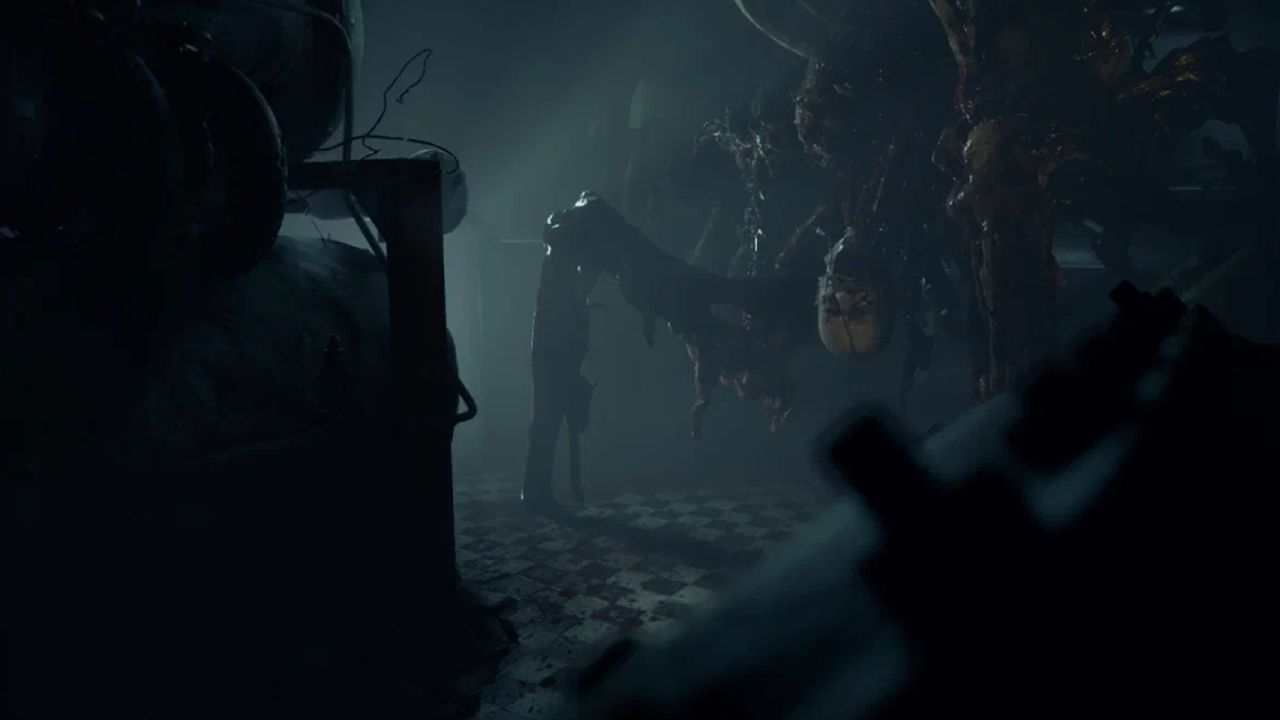
One of the more interesting elements of ILL is the way it manages storytelling. The developers want to keep gameplay and cinematic sequences together, rather than separating them, to maintain immersion throughout the experience. The game stays in first-person perspective, and transitions between gameplay and story moments are designed to happen seamlessly without repeatedly taking control away from you.
The team has explained that every cinematic sequence is evaluated based on how it affects the player once control returns.
If a scene interrupts the flow of gameplay or weakens immersion, it is reworked. That philosophy comes partly from the team's background in film and television. Several members of Team Clout have worked on notable horror productions, including Until Dawn, It: Welcome to Derry, and Longlegs.
Another big focus is sound design. Developers have talked about using state-of-the-art binaural audio tech to make sure players are always aware of their environment. The audio system is also being treated as a core gameplay feature instead of background ambience, along with the first-person view, realistic environments, and disturbing creature encounters.
The timing may also work in ILL's favor. Horror games are enjoying a strong resurgence, with Resident Evil continuing to thrive, Silent Hill making its return, and upcoming projects such as Cronos and Routine attracting attention.
Even so, few upcoming games appear to be combining survival horror, body horror, realistic environments, dynamic dismemberment, resource management, environmental interaction, and cinematic storytelling on the scale ILL is attempting. This blend of systems is what makes the project stand out from most other horror titles in development.
Based on what has been shown so far, the game feels like it is pulling inspiration from titles such as Resident Evil, Half-Life 2, Dead Space, and Silent Hill while also embracing the practical-effects tradition of classic horror cinema. That combo offers a familiar foundation but still pushes into its own unique identity. This resurgence of interest in the genre could help the game reach a much wider audience at launch.
After years of uncertainty, ILL finally looks real, and if the development team can deliver on its vision, it could become one of the most significant horror releases of 2027 and potentially one of the standout horror games of the generation.
Editor, NoobFeed
Related News
No Data.