
Project Helix Explained: Why Xbox's Next Console Strategy Keeps Changing
Leadership changes at Xbox raise new questions about the direction of Project Helix following Phil Spencer's departure.
XBOX by Shinji Okazaki on Jul 18, 2026
The direction of Microsoft's next-generation console, codenamed Project Helix, has changed since it was first described. New leadership changes at XBOX have made analysts wonder what the final product will look like. A panel discussion on the subject brought up a good point that should be looked into: if Microsoft makes a lot of money from licensing fees on third-party game sales, why make a console that lets people access their existing PC libraries, like Steam, and possibly cut into that source of income?
New management at XBOX has effectively reset much of what was previously understood about Helix. Under Phil Spencer and Sarah Bond, the plan was reportedly for XBOX to fully embrace PC, turning the console into an open system built around next-generation Windows, one that could run the Xbox Store, the Epic Games Store, and the Steam Store side by side.
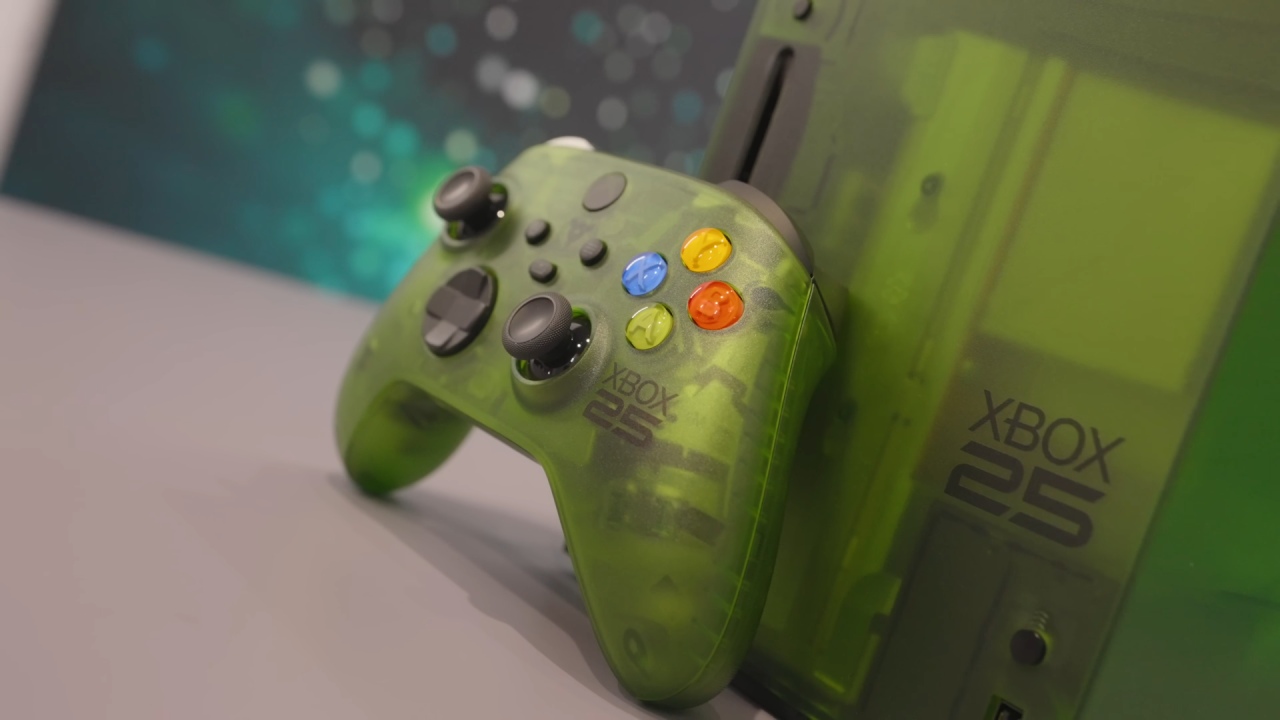
A Reset in Xbox Leadership Changes the Picture
With Asha Sharma now leading XBOX, that vision looks less certain. Spencer himself indicated in a recent interview that Steam support on the console was never fully confirmed, and Sharma's public comments have focused more on affordability and on continuing updates for existing Xbox Series consoles, a message that sounds closer to the traditional console model Helix was supposedly moving away from.
You can see the tension in this shift clearly: giving up platform control by shipping what amounts to a Steam box on PC hardware means giving up a significant, ongoing revenue stream tied to being a platform holder, and that is not something a company gets back easily once it is gone. That may be part of why leadership now appears to be reconsidering aspects of the original plan.
The Original Vision Aimed to Solve Windows Problems
The original goal behind Helix appears to have been turning Windows into a central platform that worked for both PC and console, with a more streamlined, Xbox-focused experience layered on top. XBOX has openly said that Windows has presented ongoing problems for them, and part of the plan was to address that directly.
A side effect of this approach was that the console would end up behaving like an open PC, and Microsoft reportedly planned to remove console subsidies since that model was not delivering the results they wanted. Whether current leadership intends to follow through on that same vision remains unclear. There is a real possibility that the underlying Windows-based architecture stays in place.
At the same time, Microsoft adds restrictions on top of it, effectively pulling the console back toward a locked-down XBOX experience. That outcome would combine the instability sometimes associated with Windows as a gaming platform with the limitations of being tied to a single storefront, which would not deliver the benefits either the open PC approach or the traditional console approach was meant to offer.
Licensing Fees, Game Pass, and the Platform vs. Publisher Debate
Spencer and Bond's original framing suggested Microsoft was not planning to subsidize the hardware itself, meaning losing licensing fees from third-party sales would matter less, since Helix would function more like a storefront in the same category as Steam or the Epic Games store. Instead, Microsoft would lean further into publishing, distributing its own games as widely as possible across platforms.
Game Pass has already moved in that direction. With roughly 30 million subscribers and a conservative estimate of $10 per subscriber, that puts monthly revenue at around $300 million, which is not a result you can call a failure, even with the ongoing expansion of Game Pass on PC.
Former Sony executive Shawn Layden has argued that a company can be a platform or a publisher. Still, not both, and the original Helix plan seemed to be attempting exactly that combination, leaning more toward the publisher side while still offering a piece of home hardware. That balance now looks harder to maintain, particularly as affordability becomes a greater priority.
The original console concept was built as a premium, high-end device that would still cost less than an equivalent pre-built PC. Still, recent signals from leadership suggest a preference for returning to a more traditional console-based platform instead, even though the reasoning behind that shift and the mechanics of how it would work remain unclear.
Removing third-party storefronts from the equation changes how appealing this console looks.
Being able to run Steam games on an XBOX has some appeal on its own, separate from agreeing with the broader vision behind that kind of console, but pairing PC-level instability with a single locked storefront would combine the drawbacks of both approaches rather than the benefits of either. Depending on how far Microsoft locks the system down, the result could be closer to a standard next-generation Xbox Series console than to the open PC hybrid originally described.
If Microsoft repeats a strategy similar to the one used for the previous console generation, competing mainly on hardware specifications, that approach may not carry the same weight as before, since players increasingly end up playing similar games regardless of which console they choose.
There is also a chance Microsoft does not subsidize the hardware directly at all, instead working with hardware partners to produce a reference design that other manufacturers build around, similar to how PC components work today. Whether that is the direction Microsoft takes depends entirely on decisions that have not yet been made public, and, based on the leadership changes so far, that direction is still very much in question.
Editor, NoobFeed
Latest Articles
No Data.