
XBOX Game Pass Strategy—Microsoft Failing to Save Its Gaming Division?
Nearly a decade after launch, the subscription that was meant to save Xbox is facing its biggest test yet.
XBOX by Elme Dhee on Jul 13, 2026
For most of the last decade, XBOX Game Pass has been presented as the future of gaming. Microsoft would release its biggest titles directly into the service, players would subscribe instead of buying individual games, and it would enjoy steady monthly revenue that would only keep climbing higher over time. That was the pitch for years, and it sounded almost too good to be true.
On paper, the plan looked almost unbeatable. Microsoft had deep pockets, a global server network, and ownership of Windows itself. Unlike Sony or Nintendo, it never really needed people to buy a console at all. It just needed to pull them into the ecosystem through any door available, whether that was a PC, a phone, or a browser tab running in the cloud.
But nearly ten years after Game Pass first launched, the conversation around it has clearly shifted. Subscriber growth has slowed, the hardware sales have dropped sharply, and Microsoft has changed the service's pricing multiple times. Some of it’s flagship games are now showing up on PlayStation, and the upcoming Modern Warfare 4 will not even be included in Game Pass at launch.
A Genuinely Profitable Product
So is Game Pass actually a failed strategy? The honest answer is complicated. Game Pass is not a failed product, but it may have failed at the much bigger job Microsoft expected it to do for the wider business. Those are two genuinely different questions, and the answer to each one looks quite different once you separate them properly.
The service generates real money. Microsoft reported that Game Pass generated nearly $5 billion in revenue during its 2025 financial year, more than many publishers earn from their entire businesses combined. It has also been called a profitable service, though it has never shared a full breakdown of exactly how that figure is calculated internally.
By February 2024, Microsoft said Game Pass had reached 34 million members across all its tiers. It has introduced countless players to games they might never have bought on their own, and Microsoft claims subscribers explore more genres and engage more deeply once they join.
How Game Pass Killed the XBOX Sale
As a consumer product, Game Pass has genuinely been fantastic at times. Playing games like Forza Horizon, Halo Infinite, Starfield, and Call of Duty through one subscription felt like an incredible deal for anyone who plays several games a year, and it still does for plenty of people. That value might have quietly been the problem.
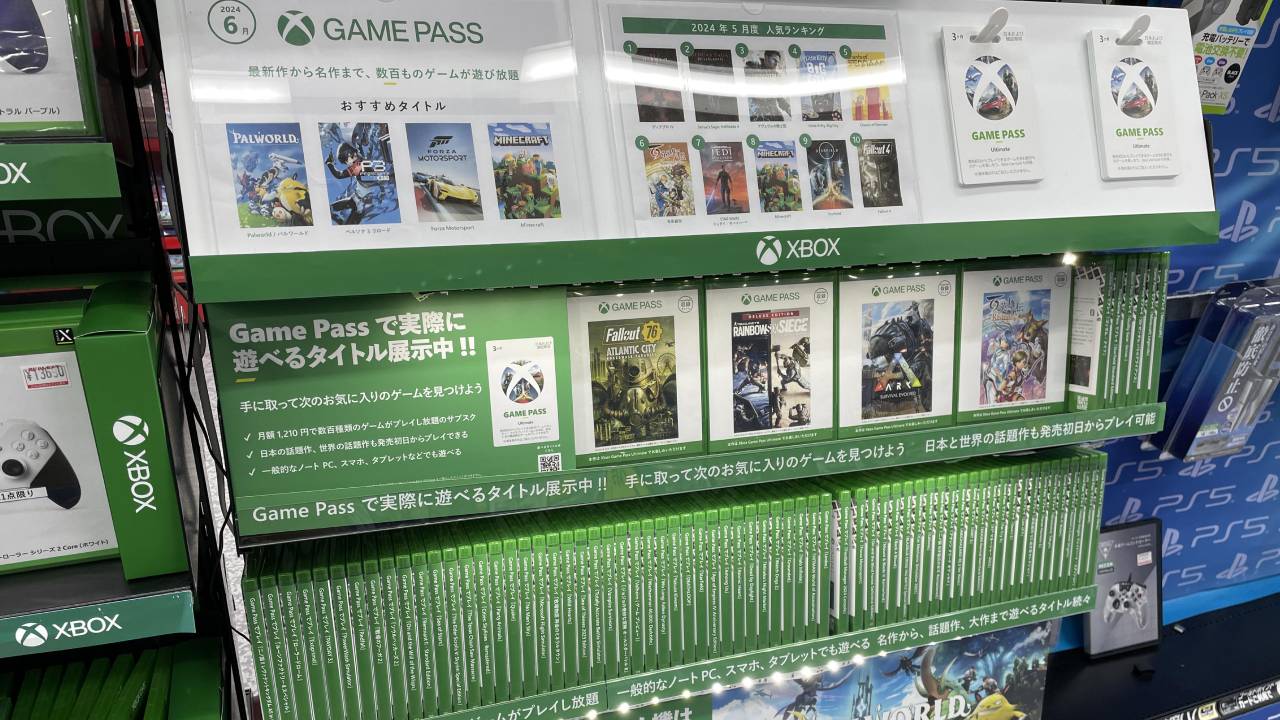
The early version of Game Pass trained loyal XBOX players not to buy the games anymore. Microsoft spent years promising that every major first-party release would land in the subscription on day one, and players believed it. That sounds wonderful for players, and it genuinely was. For the business, though, it meant swapping a sixty or seventy-dollar purchase for a small monthly fee that also had to cover hundreds of other games, cloud infrastructure, licensing deals, and rising development costs.
Microsoft actually admitted during the Activision Blizzard regulatory review that adding games to XBOX Game Pass can definitely hurt their traditional sales. According to their internal analysis, base-game sales dropped significantly after a title joined the subscription service, though the exact figures were completely redacted from the public record.
The Math Stopped Adding Up
That strategy only works if subscriber numbers keep climbing and people stay hooked. When growth stalls, the cracks in the model show, and the big trade-offs start looking incredibly risky. Microsoft hit 25 million users in 2022 and reported 34 million by 2024, but that inflated figure included rebranded XBOX Live Gold members. While technically growth, it was nowhere near the massive numbers Microsoft actually needed to justify its massive bets.
Recent reports suggest Game Pass has roughly 30 million subscribers, falling way short of internal projections. Microsoft even admitted the service had suffered an over-eight-month decline before recently returning to growth. This is a huge deal because XBOX completely rebuilt its entire platform and strategy around this single subscription. They bet the future on it, spending over $76 billion acquiring Bethesda and Activision Blizzard just to fuel the service.
Modern Warfare 4 Just Called Microsoft's Bluff
Call of Duty should have been the moment Game Pass became impossible to ignore. It is one of the biggest entertainment franchises on the planet, pulling in an audience far beyond the usual XBOX crowd. Putting Black Ops 6 and 7 into the service was meant to prove the strategy worked. The results don't appear to have delivered the transformation it was hoping for.
Modern Warfare 4, launching in October 2026, will not be part of Game Pass at release, and players will need to buy it separately like any other release. That decision speaks volumes. After spending nearly $69 billion to acquire Activision Blizzard, Microsoft has decided that the newest Call of Duty is worth more when sold traditionally than when used as a tool to grow subscriptions. It means Microsoft is finally treating games differently based on what each one actually needs.
Consoles are Dying While Game Pass Survives
The ultimate defense for Game Pass is that you can't just look at it in a vacuum. Sure, it might not maximize raw game sales, but the idea was always to sell more consoles and keep people spending across the whole XBOX ecosystem. The real issue now is that XBOX hardware sales are still dropping regardless. That leaves the service with a ton of pressure to carry the entire brand on its back.
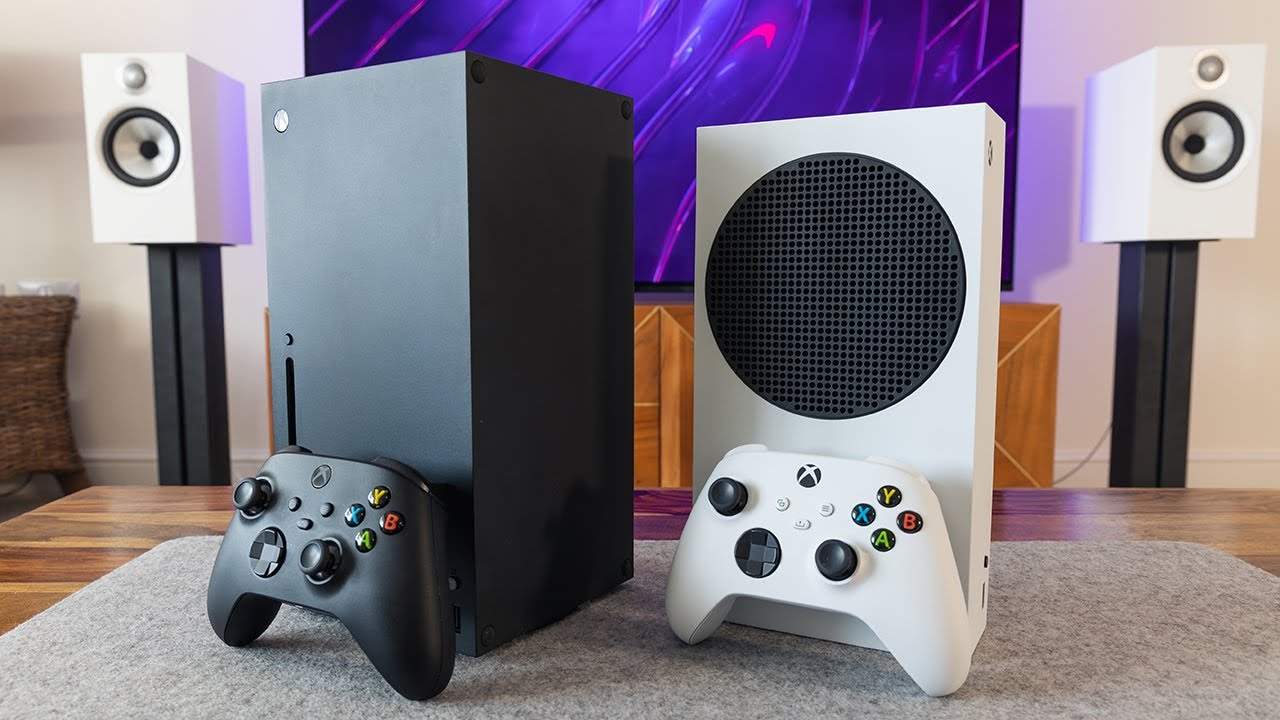
Microsoft reported that its hardware revenue dropped 32 percent year over year in the second quarter of its 2026 financial year, followed by another steep 33 percent decline in the third quarter. Content and services revenue fell 5 percent in both periods, and overall gaming revenue dropped 7 percent last quarter. Telling players for years that the console doesn't really matter may have quietly removed the urgency to buy one.
Microsoft is Quietly Hitting the Brakes
The clearest sign that the original Game Pass model hasn't gone to plan is Microsoft's own recent behavior. In April 2026, it cut the price of Game Pass Ultimate from $29.99 to $22.99 per month and lowered the price of PC Game Pass from $16.49 to $13.99 per month. Microsoft later told investors those cuts would contribute to a double-digit decline in XBOX content and services revenue.
Companies don't usually lower the price of a subscription that's growing exactly as planned, and that decision alone tells you a lot. Microsoft has also introduced more complex tiers, limited day-one access for certain plans, and pulled Modern Warfare 4 entirely from the day-one lineup. It looks less like it’s walking away from Game Pass and more like a push toward sustainability.
A Hit Product, A Failed Bet
Game Pass is nothing like Google Stadia, which shut down after failing to build any real audience. It has millions of subscribers, generates billions of dollars, and has genuinely introduced players to games they would have otherwise skipped. As a standalone product, it has clearly succeeded. As the central strategy for rebuilding XBOX, though, the picture looks far less positive.
It hasn't delivered the subscriber growth Microsoft expected, it hasn't rescued hardware sales, and it hasn't removed the need to sell games the traditional way alongside it. That looks less like the future arriving and more like a company correcting a strategy that reached too far. The mistake was never creating Game Pass. The mistake was believing it could solve every problem it faced at once
Editor, NoobFeed
Latest Articles
No Data.