
Project Helix Confirmed: Everything Microsoft Officially Revealed About the Next Xbox
Microsoft officially confirmed Project Helix as a hybrid console capable of running both Xbox and PC games natively.
XBOX by Nahe Yan on Jul 04, 2026
Rumors surrounding Microsoft's next-generation Xbox hardware point toward something far removed from a traditional console. Reports point to a project reportedly codenamed Helix, described as a system that could combine XBOX, PC gaming, Steam, cloud gaming, and AI into a single platform rather than treating them as separate experiences.
If accurate, this would represent one of the more significant shifts in Xbox's history, moving away from a closed console model toward a more open gaming ecosystem. Project Helix is the reported codename for Microsoft's next-generation Xbox hardware, and according to multiple reports, it may not function as a traditional console at all.

Project Helix Could Merge Xbox and PC Gaming Into One Platform
Rather than keeping Xbox and PC gaming separate, Microsoft could unify them into a single platform that runs both Xbox and PC games. That would mean buying one system that gives you access to Xbox Game Pass, Steam, the Epic Games Store, Battle.net, and classic Xbox backward compatibility, all in one place.
If this comes together as described, Project Helix could become the most open XBOX platform Microsoft has ever released. The most notable rumor surrounding Project Helix involves native PC game support, meaning actual PC games running directly on the hardware rather than through streaming or cloud-only access.
That could include titles like Counter-Strike 2, Valorant, GTA mods, Steam indie games, and other PC-exclusive titles running natively on the next Xbox. If Microsoft delivers on that, the distinction between console and PC gaming could largely disappear.
XBOX has been moving in this direction for years, with Game Pass available on PC, day-one launches for XBOX exclusives on Windows, and cross-save and cross-play already connecting both platforms. Project Helix may represent the final step in that progression.
AMD Partnership Points to Major Ray Tracing and AI Upscaling Gains
Microsoft has confirmed that Project Helix is being developed in partnership with AMD. Reports point to a custom AMD chip, next-generation DirectX technology, advanced AI upscaling, significant improvements in ray tracing, and faster SSD streaming. Some reports even suggest an order-of-magnitude leap in ray tracing performance, which could mean noticeably more realistic lighting and reflections in future games.
AI is also expected to play a larger role in overall performance, handling smarter, faster upscaling rather than relying solely on brute-force rendering. That could translate into better graphics, more stable frame rates, and potentially smaller game file sizes, which matters given that some current titles already exceed 150GB. Project Helix may be an attempt to address the growing file-size problem directly.
Another rumor circulating around Project Helix suggests it could launch as an all-digital system with no disc drive and no physical games, relying entirely on digital downloads. This would follow a broader industry trend, since digital sales already dominate modern gaming, PC gaming moved to digital distribution long ago, and even PlayStation and Xbox already offer digital-only console options.
If Helix removes discs entirely, it would effectively end physical Xbox gaming, along with used game sales, physical collecting, and the sense of offline ownership that comes with owning a disc. The biggest obstacle facing Project Helix is Windows itself.
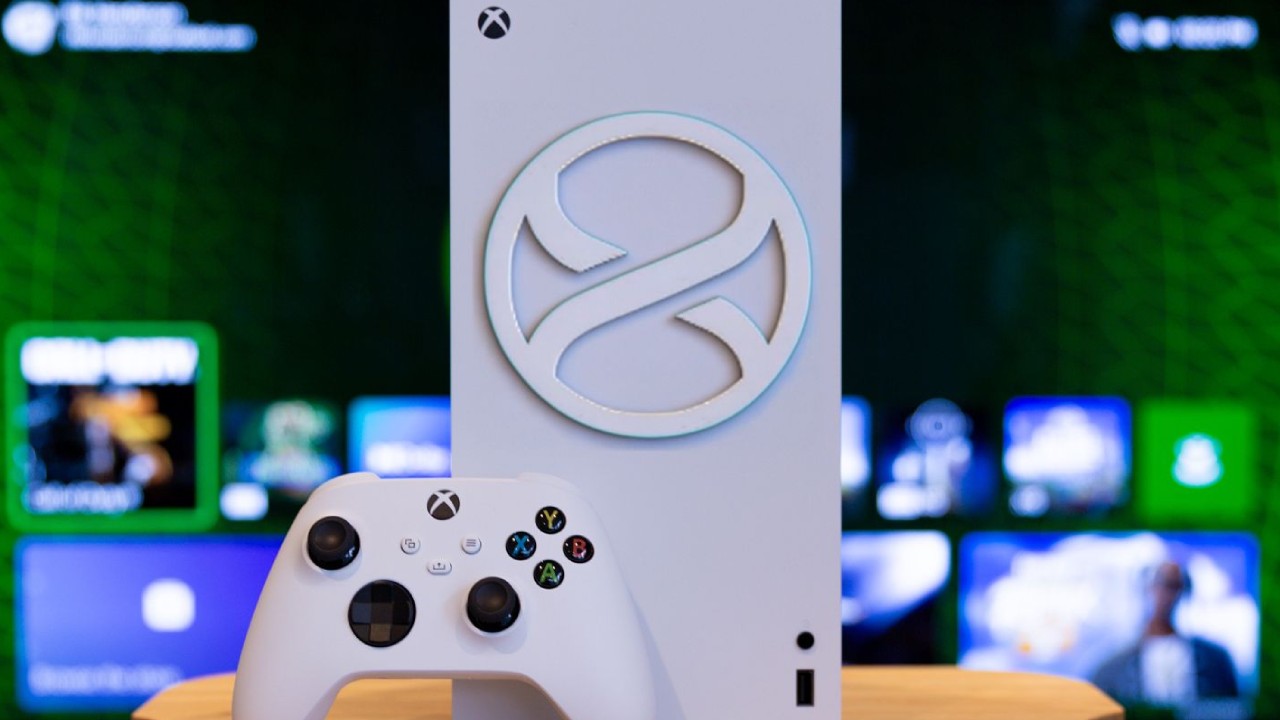
Making Windows Feel Like a Console is Microsoft's Biggest Challenge
If the system runs on a Windows-based foundation, Microsoft needs to make it feel like a console rather than a PC, since gamers don't want desktop pop-ups, driver issues, launcher conflicts, or unexpected Windows updates interrupting their experience.
Console players expect simplicity: press the power button, launch the game, and play. Right now, SteamOS on handheld PCs often feels smoother and more optimized than Windows-based gaming devices, putting pressure on Microsoft to close that gap. Succeeding here could make Project Helix one of the more seamless gaming platforms available, while failing could make the entire concept feel confusing and inconsistent to use.
This generation might not work like a normal device anymore.
Taken together, Project Helix points toward a single device offering console simplicity, PC-level freedom, extensive backward compatibility, cloud integration, AI-enhanced graphics, and cross-platform gaming, all at once. Everything about Project Helix remains a rumor for now, but Xbox's direction is clearly shifting.
Instead, it might be a mix of console, PC, cloud, and AI-driven gaming. How well that plan works depends largely on how it's carried out, and it raises a real question: will gamers accept this hybrid system, or will they still prefer the ease of a traditional console experience? Project Helix could be the start of a new era in gaming, or it could turn out to be one of Microsoft's biggest risks in Xbox history.
Editor, NoobFeed
Latest Articles
No Data.