
The Sinking City 2 Review
PC
The Sinking City 2 turns Frogwares’ Lovecraftian world into a more focused survival-horror experience, trading much of the first game’s detective-heavy structure for tense exploration, resource management, puzzles, and combat.
Reviewed by Azfar Rayan on Aug 17, 2026
The most obvious feature when you enter the sequel is that change. The first game, The Sinking City, was centered on investigation, open-world exploration, and solving mysteries, whereas The Sinking City 2 is far more concerned with giving you the feeling of being trapped and vulnerable.
Since Frogwares has always been known for its detective games, especially its Sherlock Holmes titles, shifting the series toward a Resident Evil-style survival horror is a significant departure. The final product is a game that still retains its origins but is now much more at ease with having horror and survival take priority.
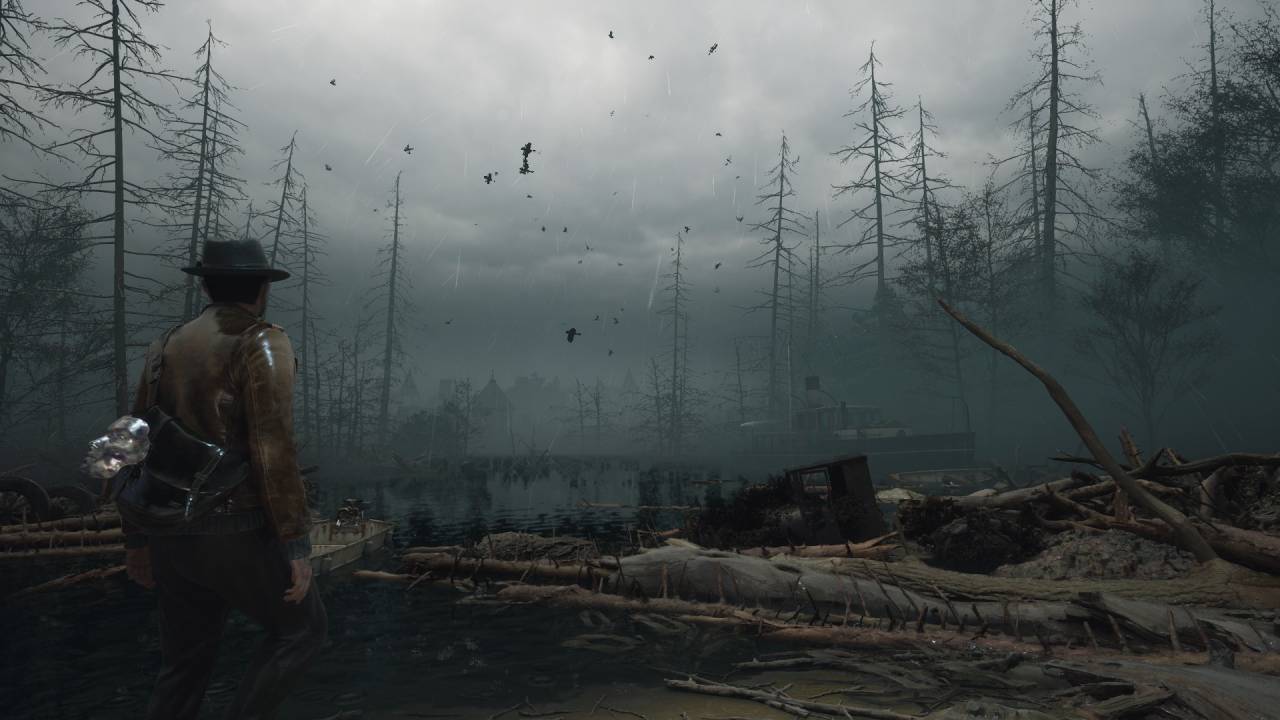
You are Calvin Rafferty, an adventurer specializing in the occult who has for many years dealt with cursed items and forbidden knowledge.
Together with Fay, his partner, the two take part in a ritual intended for reaching the Dreamlands. Unfortunately, everything goes very wrong, and as a result, Fay ends up in a coma, Calvin loses the memories that are connected to the incident, and her body becomes attached to an object called the Nightshade Mask.
Calvin and Fay's relationship gives the story a more personal reason to keep moving forward. Instead of investigating a strange event because it is his job, Calvin risks himself because someone he loves is trapped in an impossible situation.
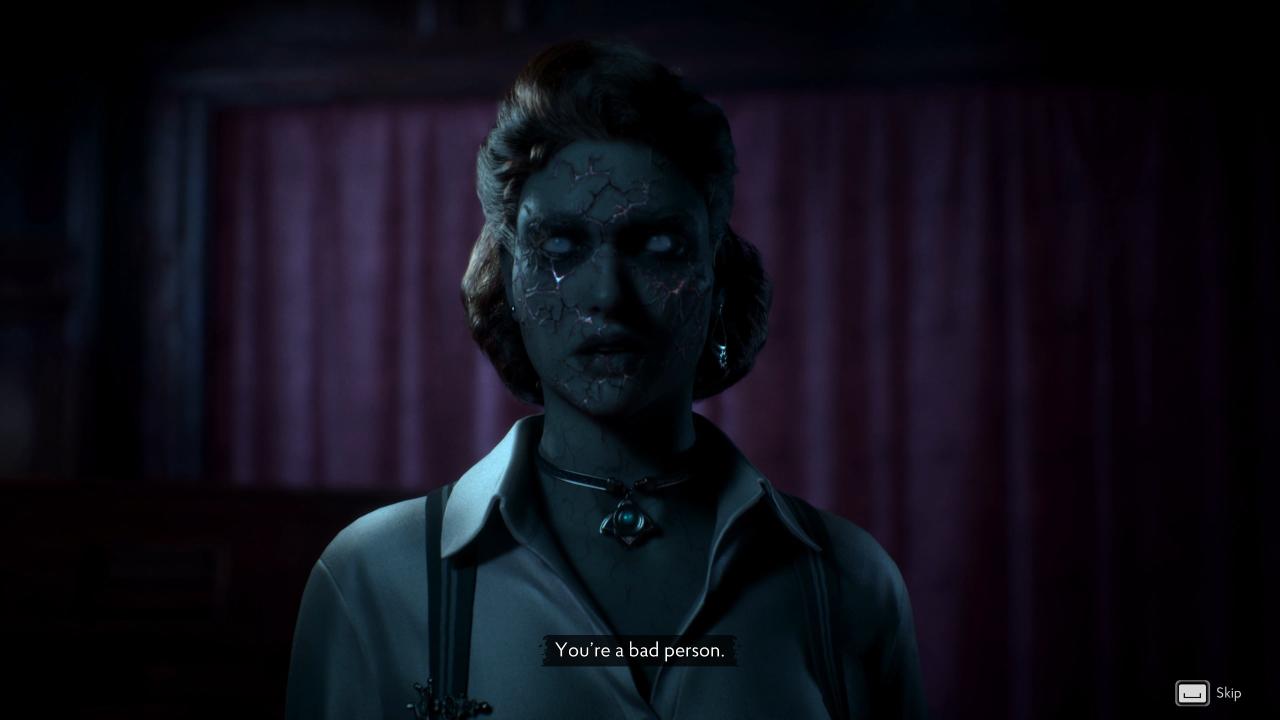
Flashbacks help establish their relationship and explain why he refuses to abandon her, while the supporting characters add more personality to Arkham. Some of the survivors are simply trying to endure the disaster, while others have embraced the Slither in disturbing ways.
The story is paced fairly well as the danger gradually becomes more serious. It uses plenty of familiar Lovecraftian ideas, but enough mystery surrounding Calvin, Fay, the Dreamlands, and the Slither keeps the narrative moving.
The ending leans into some expected Lovecraftian conventions and carries a bittersweet feeling, though it still fits the story. The main weakness is that some of the dialogue can occasionally sound too theatrical. Conversations between Calvin and Fay, in particular, can feel a little awkward when The Sinking City 2 tries too hard to recreate 1920s speech or emphasize their relationship.
When you start playing the game, it becomes clear what the sequel focuses on.
The investigation system, a feature of the first game, now serves a secondary role, with survival horror as the main element. You spend a great deal of your time wandering around Arkham, looking in abandoned areas, gathering resources, solving environmental issues, opening up new routes, fighting creatures, and deciding which items you want to take with you.
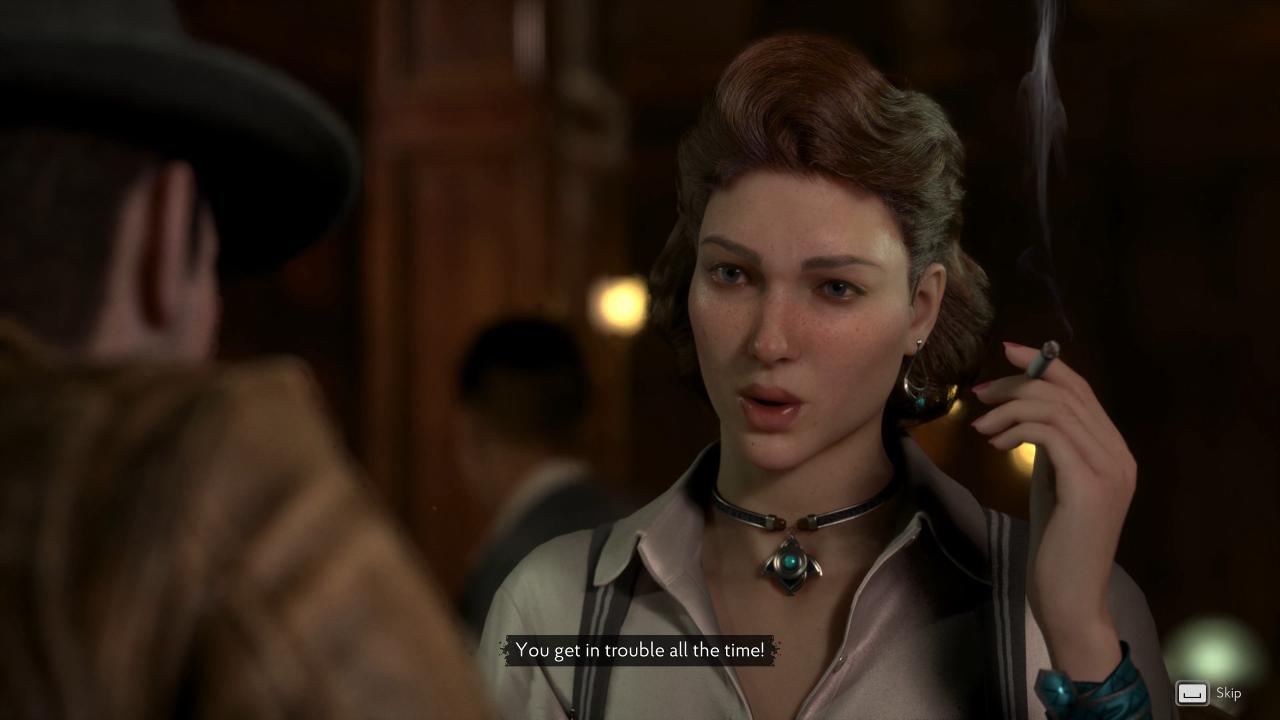
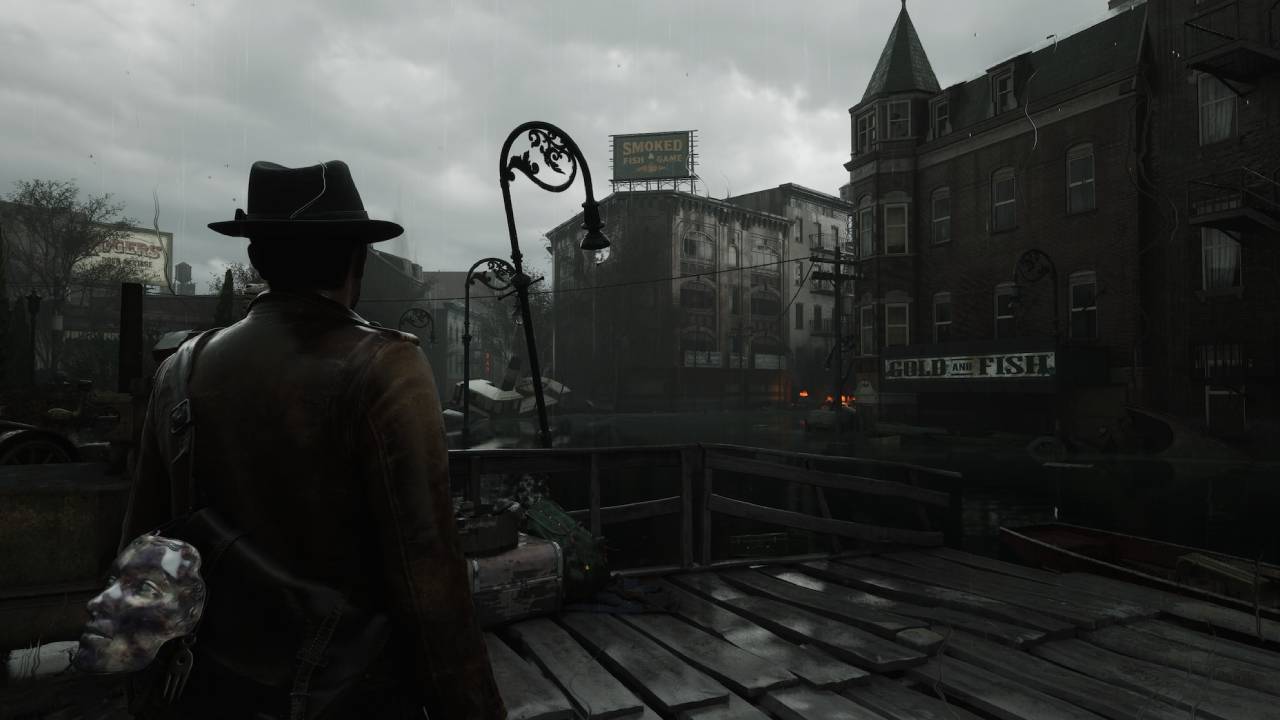
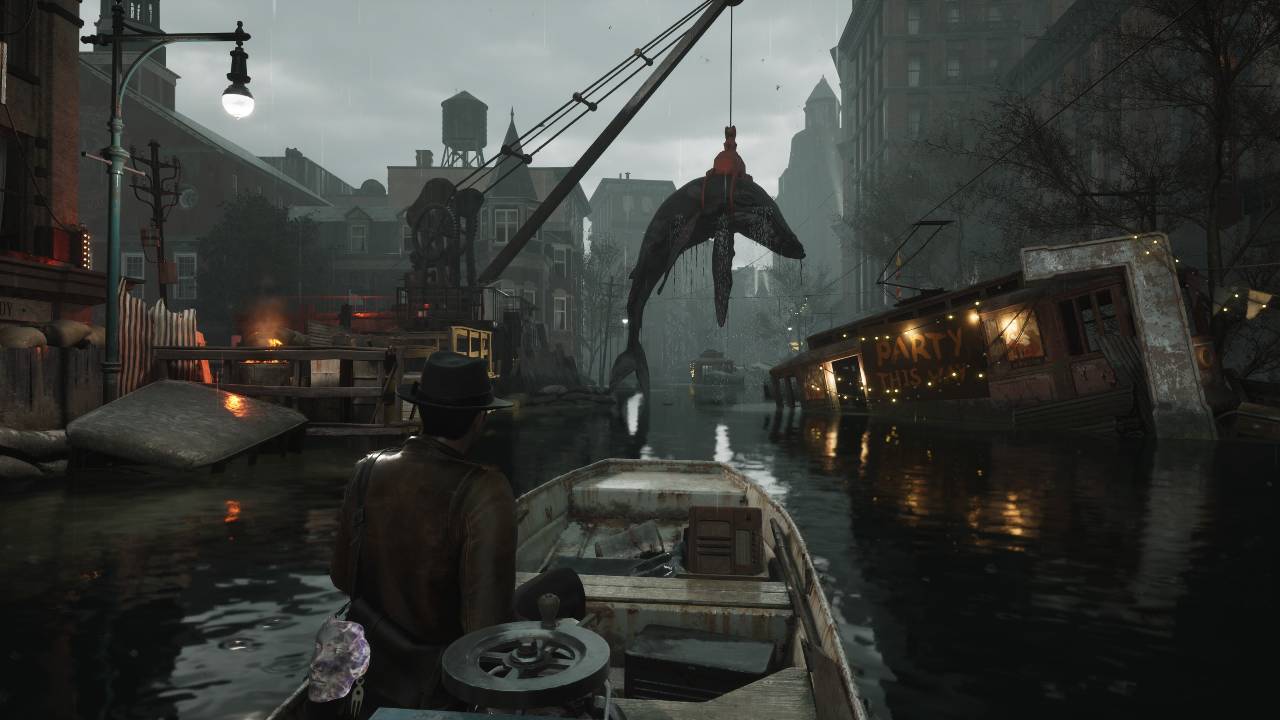
Exploration is probably the part of the game that makes this shift work best. Arkham feels like more than a backdrop because its flooded streets, abandoned buildings, hospitals, markets, universities, and other locations each have their identity.
Major chapters give you self-contained areas that you can explore until you reach a point where you can no longer go back. The map is also useful without constantly taking over the experience, as it tracks explored locations and shows whether there are still things left to discover.
The flooded setting also provides an exploration of a different rhythm. Moving through Arkham never feels completely safe, even when you are not actively fighting something. You can enter an empty building, walk through a quiet hallway, search for an item, and still feel like something could appear at any moment.
That sense of uncertainty works especially well because The Sinking City 2 does not need to constantly throw enemies at you to maintain tension. Occasionally, an empty room and the sound coming from somewhere nearby are enough to make you slow down.
At the same time, the game expects you to manage your inventory carefully.
You begin with a limited number of slots while needing to carry weapons, ammunition, healing items, crafting materials, and important objects. This creates genuinely useful survival-horror decisions because you cannot simply pick up everything you see. However, the system can also become tedious.
Finding a key while your inventory is full can mean returning to a safe room, storing something, going back for the key, and then potentially making another trip after discovering another important item.
In the first playthrough, the limited inventory is more effective since it gives resources real significance; as ammunition and healing items are not unlimited, you have to think carefully before fighting. You can choose to leave something behind, save a resource for later, or go back to a safe room when you have too much accumulated.
Extra inventory slots become accessible through progression and exploration, which gradually lessen the pressure. Yet the early parts are sometimes more restrictive than they should be, and a bit of backtracking seems to amount to busywork rather than genuine tension.
Safe rooms help the experience feel less cramped. After spending time surrounded by darkness and creatures, reaching a safe location gives you a place to store equipment and prepare for the next section.
These moments are useful because The Sinking City 2 understands that horror works better when you are occasionally allowed to relax. You can sort your inventory, think about which weapons and supplies you need, and then step back into an environment where resources once again become important.
Combat is where The Sinking City 2 most clearly separates itself from its predecessor.
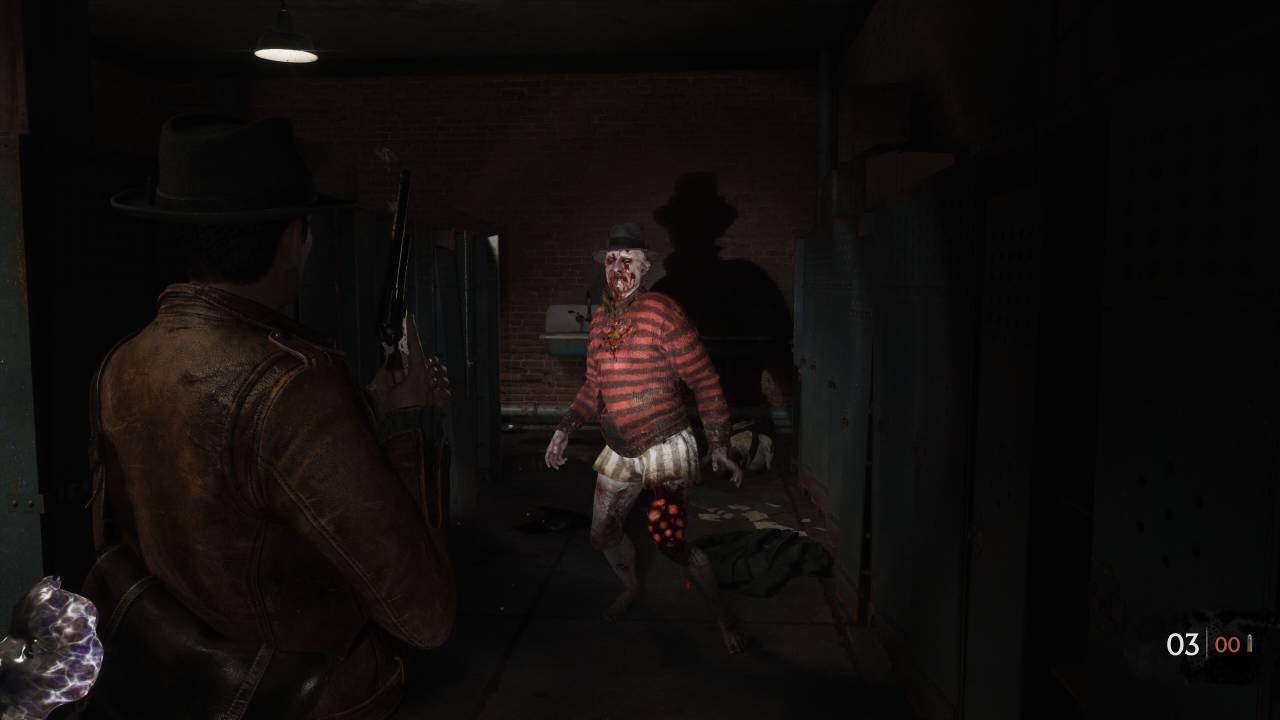
Calvin is not especially agile or powerful, so enemies can quickly become dangerous when they get close. Firearms are the main way to address threats, and different enemies have weak points that reward careful aiming. You are encouraged to understand what you are fighting instead of simply emptying magazines into every creature you see.
The way in which you dodge is also quite significant. Calvin can evade attacks coming at him, but it is essential to get the timing right, and if he is surrounded, the situation can rapidly go from manageable to serious.
Here are some instances when smaller enemies can be defeated without using any ammunition if you dodge at the correct moment and thus create an opportunity for a final stomp. In other cases, enemies can be weakened by targeting their legs or other vulnerable spots before killing them.
The Slither Worms are one of the more compelling ideas because they directly affect how you handle defeated enemies. The parasites can reanimate corpses, meaning an enemy you thought was finished can become a threat again if you do not deal with the worms properly. Stomping the worms prevents their reanimation, adding another thing to consider during encounters.
The problem is that the mechanic is not always clear. Some worms are simply part of the environment, while others have real gameplay consequences, and The Sinking City 2 doesn't always make the difference obvious.
There is another good reason to explore rather than simply moving from one objective to another.
You gather materials in and around Arkham to craft ammunition, healing items, and other supplies. Dream essence can be spent on talents that improve Calvin in several ways, such as increasing the damage, improving the healing, enhancing attacks on weak points, and reducing the damage taken.
At first, you can only equip a limited number of talents, with further slots becoming available as your progression continues. As a result, upgrades feel more like choices rather than a simple series of permanent bonuses.
Weapons follow a similar progression. Calvin starts with a basic pistol and can eventually gain access to weapons such as the Tommy gun, shotgun, rifle, and grenade launcher. Each weapon can receive upgrades, while your limited inventory means you still have to decide which equipment is worth carrying.
Some upgrades are hidden in optional areas, which gives exploration a direct gameplay benefit. The more willing you are to search Arkham, the better equipped you can become, creating a useful connection between exploration, progression, and survival.
The Sinking City 2 features X Oblivion, a New Game Plus system intended to make a second playthrough worthwhile. While you're playing the campaign, you can take on challenges with various weapons and enemies to gain Eldritch points, which can then be spent on New Game Plus rewards such as cosmetic items and powerful equipment.
Although the grenade launcher might disrupt the balance of the first playthrough by becoming available much earlier than it usually does, it turns into an enjoyable reward after you've already gone through the intended progression.
The puzzle and investigation systems integrate well with the original game.
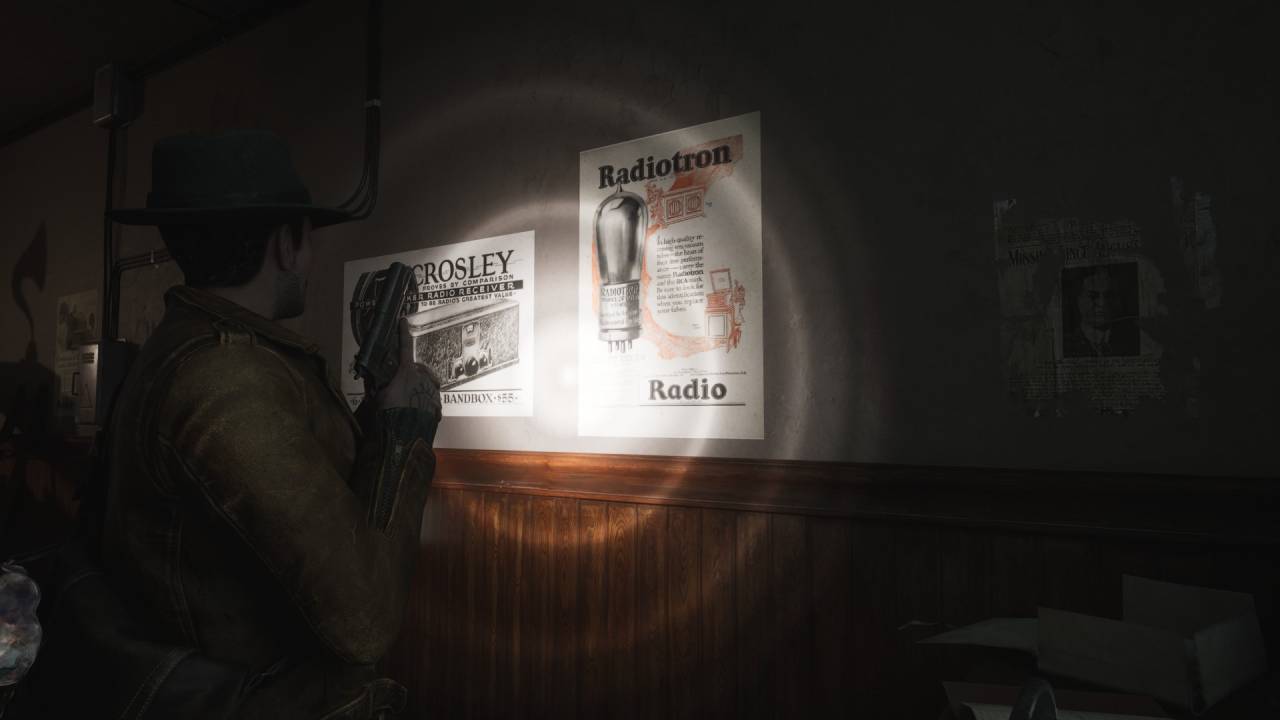
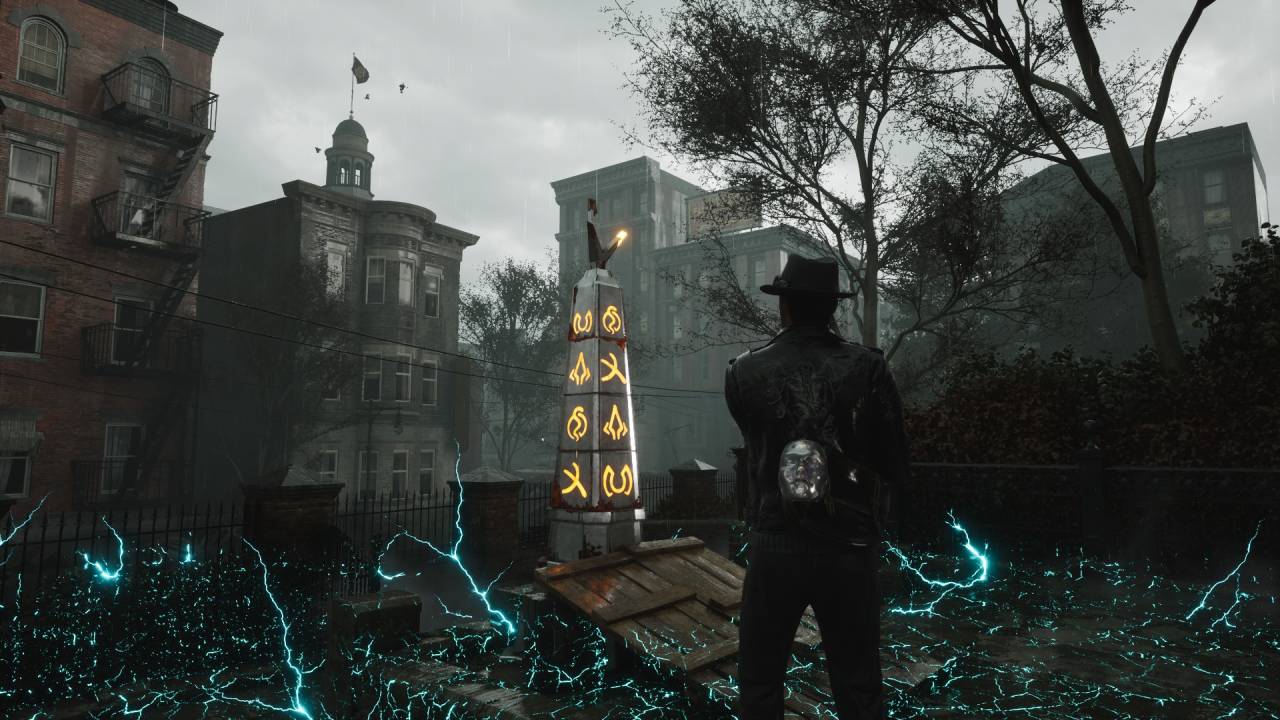
You encounter clues, locked doors, environmental puzzles, and optional investigations that require you to look around instead of simply following an objective marker. One puzzle involves finding a mysterious pillar and a missing trident, then figuring out the correct sequence of symbols needed to activate it.
The investigative aspects are no longer the main feature, and in fact, the new design makes them easier to appreciate. You'll choose to investigate to find out what took place in Arkham rather than because The Sinking City 2 continuously requires you to go through long investigation sequences.
The investigation board is simpler than the one in the original, and there is now a separate setting for puzzle difficulty, which allows you to decide how much help you get. In the easier difficulty level, key information is highlighted, while the more difficult setting requires you to read the clues and work out the answers yourself.
The setting noticeably enhances the appearance of The Sinking City 2. The flooded streets, dark interiors, deserted buildings, and odd creatures combine to create a believable horror atmosphere. Lighting and reflections make the flooded areas look more realistic, while the dull colors keep the world from feeling too bright or overly polished.
While The Sinking City 2 isn't the most technically impressive, the environment design carries it. Places like Miskatonic University, the abandoned hospital, and the fish market are different enough to keep exploration engaging.
Some technical problems keep the presentation from being completely consistent.
One reported issue involved frequent crashes in the fish market, while other areas were mostly stable, except for enemies getting stuck or physics behaving strangely. Performance was described as smooth on PS5, while the Steam Deck struggled much more, dropping into the teens and twenties at the lowest settings.
Sound design is one of the game’s stronger elements. Environmental audio does a lot to create tension, especially when you can hear creatures moving somewhere outside the room without knowing exactly where they are.
The soundscape makes Arkham feel active even when the screen is quiet. Creature noises work particularly well, while the voice acting is generally solid across the main cast and supporting characters. The music tends to stay restrained rather than constantly telling you how to feel, although the main menu theme is one of the more memorable pieces.
There are still a few presentation problems that can interrupt the experience. Enemy hit detection occasionally feels questionable, particularly when an attack appears to connect but doesn't produce the expected result.
Environmental traps can also be inconsistent; sometimes enemies walk over them without triggering anything, while other times they get caught immediately. None of these problems completely break the game, but they can pull you out of an otherwise convincing atmosphere.
Ultimately, The Sinking City 2 works because Frogwares understands that it needs to commit to its new direction. It does not try to recreate the first game with a different map and a new protagonist. Instead, it takes the characters, mythology, flooded setting, and investigative ideas and builds them around a survival-horror structure.
The best part is the way Arkham brings all these systems together.
You explore because you want resources, upgrades, secrets, and lore. You manage your inventory because ammunition and healing items matter. You investigate because solving optional mysteries can make you stronger.
You fight carefully because enemies can punish you for wasting resources. Even when individual systems are familiar, they generally support the same goal of making you feel like survival requires some thought.
The Sinking City 2 isn't a perfect experience. The inventory system can become unnecessarily tedious; the Slither mechanics are not always clear; the dialogue occasionally feels awkward; and technical difficulties can affect immersion. Some areas can also drag when backtracking, and repeated key requirements slow the pace.
Still, the combination works more often than it does not. The atmosphere is strong, the world encourages exploration, the resource management creates useful tension, and the optional investigations give The Sinking City 2 some of the personality that made the original stand out.
The Sinking City 2 is ultimately a bold genre shift that mostly pays off. It retains much of the detective-heavy structure of its predecessor without completely abandoning the investigative identity that helped define the series.
What remains is a focused Lovecraftian survival-horror game where flooded streets, limited supplies, disturbing creatures, environmental puzzles, and personal stakes all work toward the same goal. For players who enjoy horror that rewards careful exploration and resource management, there is plenty to appreciate here.
Senior Editor, NoobFeed
Verdict
The Sinking City 2 is ultimately a bold genre shift that mostly pays off. It successfully turns Frogwares’ Lovecraftian mystery into focused survival horror where its atmosphere, exploration, combat, puzzles, and progression work well together.
77
Related News
No Data.