
DIVE or DIE - Children of Rain Review
PC
Every dive into the abyss is a desperate fight for another day.
Reviewed by Azfar Rayan on Jul 22, 2026
Some of the most inventive survival horror experiences have come out of the indie scene in recent years, often thriving on creativity rather than blockbuster budgets. DIVE or DIE – Children of Rain follows that same philosophy, offering a haunting mix of action, adventure, survival and psychological horror.
It doesn't build tension through constant action or cinematic set pieces, but through uncertainty, meaningful choices, and a world that constantly reminds the player of the fragility of survival. Rather than asking the players to save humanity, DIVE or DIE - Children of Rain considers what happens after humanity has failed.

The world passed the point of recovery long ago. Now there are only a few groups of survivors trying to delay their inevitable fates. That simple shift in perspective immediately sets the game apart from countless other post-apocalyptic adventures, replacing quiet acceptance with hope, and making every small victory feel surprisingly meaningful.
From the first moments of the game, it is clear that survival is no longer about building a better future. Every expedition, every resource harvested, every difficult decision is only to keep the settlement alive for another day. It’s a thoroughly miserable premise, but one that becomes even more engrossing because the game never pulls its punches or tries to sugarcoat the grim reality surrounding its world.
The Black Rain killed off civilization, but the fear it left behind is much more frightening.
It begins with a strange phenomenon called the Black Rain, an event that corrupted the world at terrifying speed, leaving almost nothing untainted. Cities were flooded by rising waters, familiar sights turned into forgotten ruins and the civilization mankind had built for centuries vanished. No epic final battle, no heroic last stand. The apocalypse comes fast and all that’s left to survivors are memories and a vast ocean that stretches to the horizon.
That feeling of irrevocable loss is one of the narrative's greatest strengths. Hope at the end of survival games, like rebuilding society or defeating a powerful enemy, is common but DIVE or DIE - Children of Rain doesn't go down the familiar route. Instead, it faces the hard truth that some disasters are irreversible. The world is already broken and each day only postpones another catastrophe that waits somewhere beyond the next rainfall.
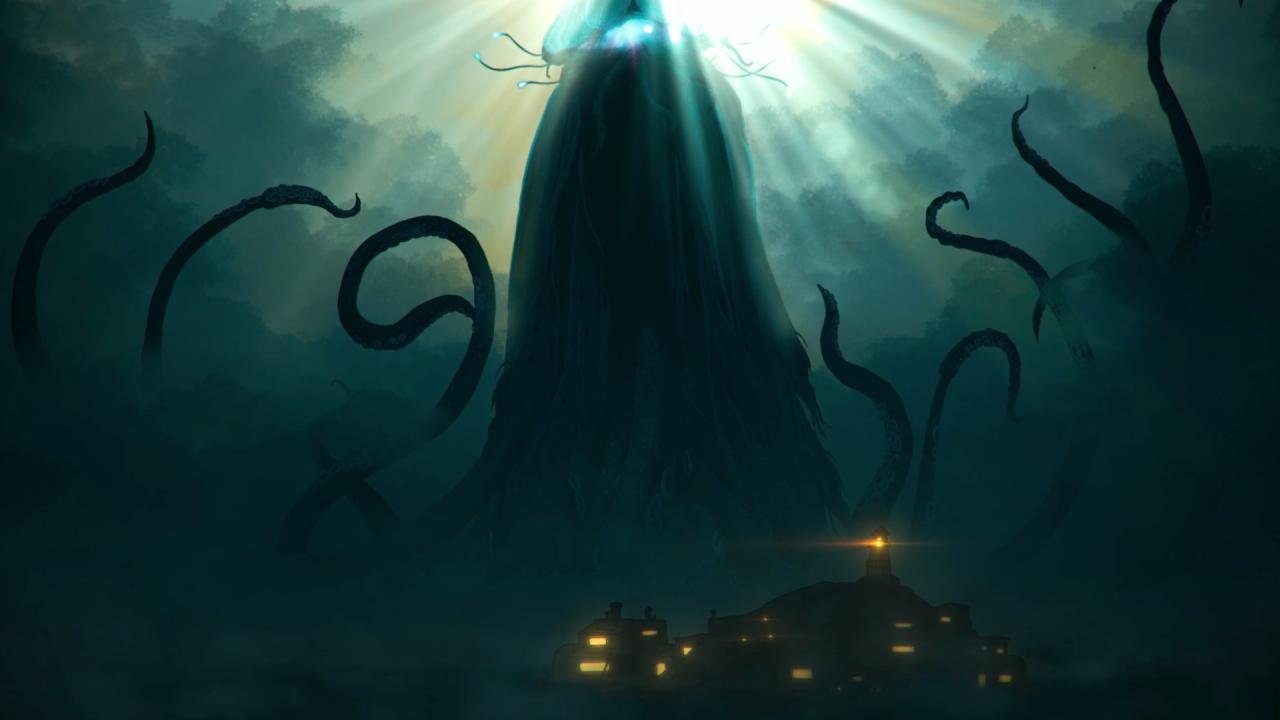
Looming over this broken world is the Rain Maker, a terrifying presence that seems less a villain than an unstoppable force of nature. It has changed more than the land. It has changed the way the survivors think, the traditions they make, the way they live each day. Fear slowly turns to worship; worship is linked to survival, and desperation completely rewires humanity's understanding of morality.
It works because it’s not about extraordinary heroes, but ordinary people.
The story's emotional weight is carried by the survivors, not the supernatural forces surrounding them, though cosmic horror is its backbone. Every person in the settlement is another fragile life dependent on meager food, dwindling supplies, and impossible choices. And instead of larger-than-life heroes, it’s about people doing whatever they can to survive. It makes the world feel so much more believable, despite the horrifying premise.
What makes the relationships so effective is the way they grow so naturally over gameplay, rather than scripted drama. Slowly, the people you are responsible for stop feeling like statistics and start to look more like people whose survival actually matters. One slip-up that leads a person to narrowly escape disaster or to vanish forever leads to memorable moments that no cutscene could easily replicate.
That emotional connection is one of the most rewarding achievements in the game. The narrative's greatest achievement may be its refusal to offer easy answers. Every tough decision requires players to weigh compassion against practicality, and those two ideals rarely coexist for long.
To save one, you may risk several lives. It often seems disturbingly logical to sacrifice one for the greater good. DIVE or DIE - Children of Rain is an adult, emotionally satisfying survival story that stays with you long after the initial hours for not condemning those choices outright.
Every dive into the ocean is a calculated gamble with death.
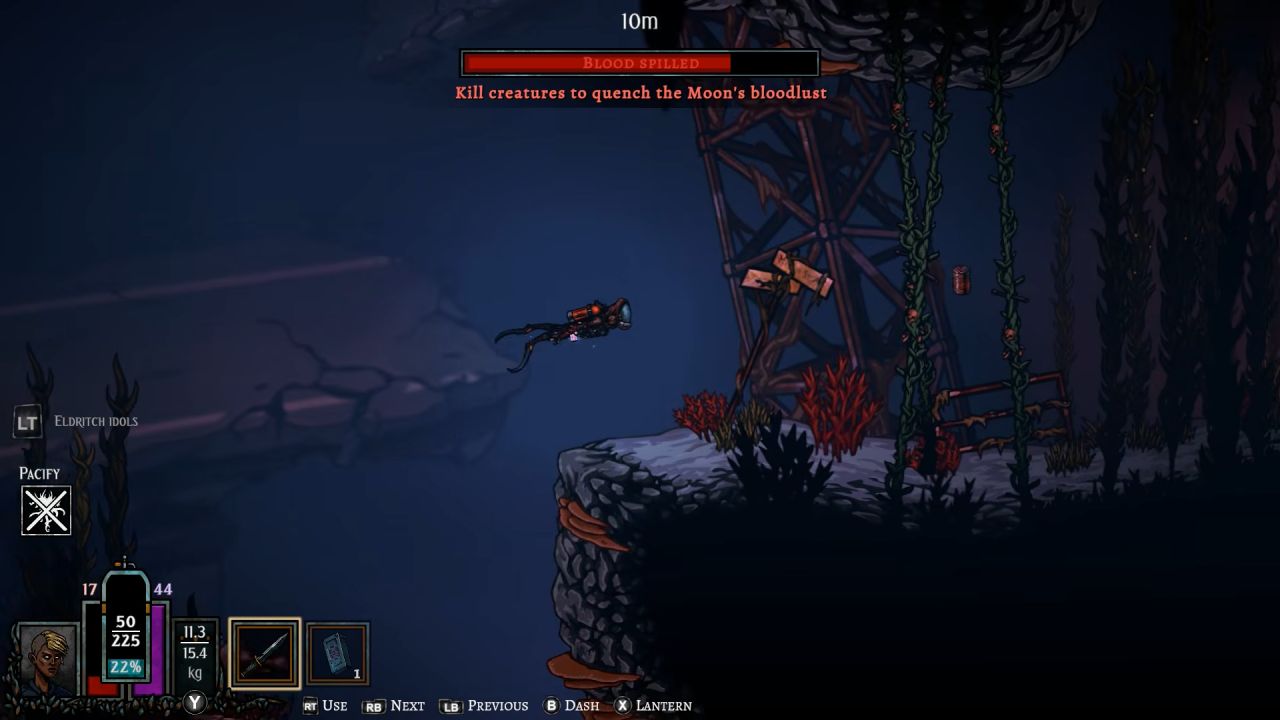
The heart of DIVE or DIE - Children of Rain lies below the waves, where every expedition is powered by necessity, not curiosity. The flooded world conceals food, medicine, scrap and other valuable materials needed to sustain the settlement, but accessing them is never easy. Each dive prompts players to go a little further than they probably should, knowing that one bad decision could mean losing both the supplies and the diver who carried them.
Exploration is slow, encouraging observation rather than reckless movement. Oxygen is running out, underwater ruins are tangled labyrinths, and the deeper you go, the easier it is to lose your sense of direction. Few situations are more stressful than discovering you have strayed too far from safety while your remaining air supply is draining faster than expected.
The game makes simple navigation one of its most effective sources of tension. It is that lingering feeling of vulnerability that makes exploration so memorable. The ocean doesn't attack players with constant danger; it lets silence do most of the heavy lifting.
The dark hallways, the empty buildings, the infinite darkness beyond, all combine to make the imagination just as frightening as anything that could possibly be out there. Every time you’ve managed to get back to the surface, it’s an accomplishment, not just a task completed.
The settlement is as important to survive as each dive.
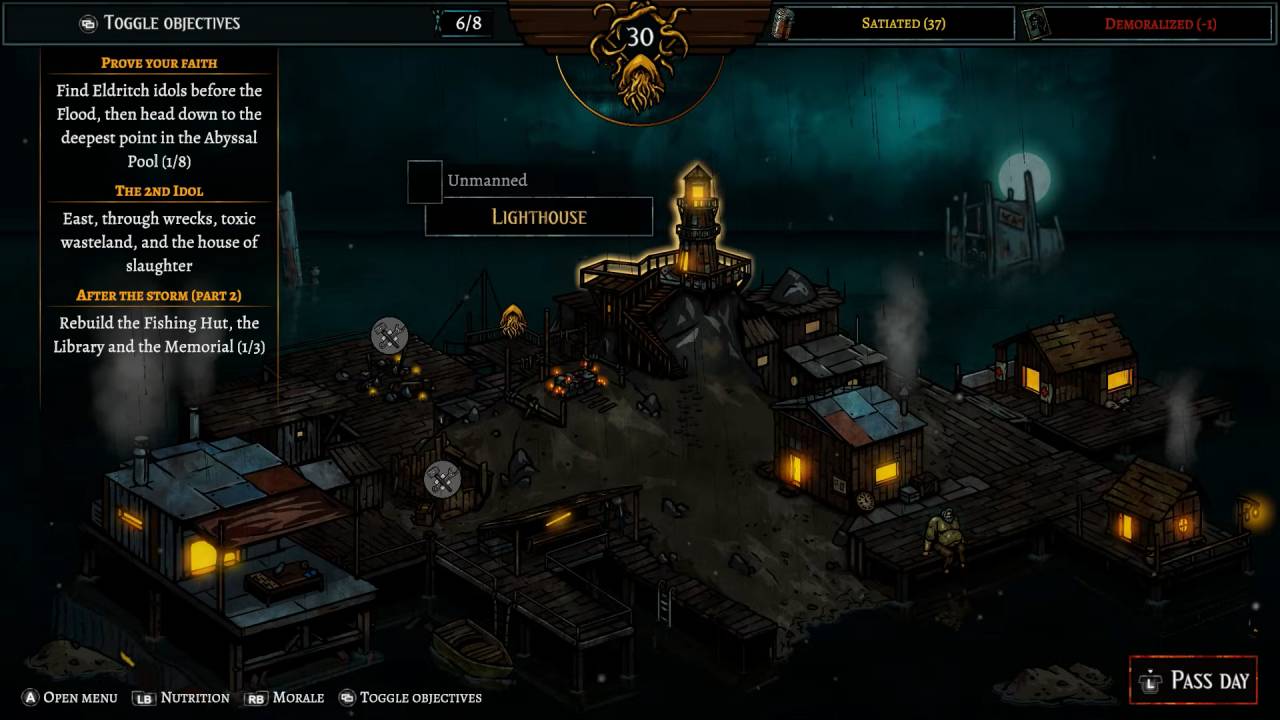
Life above the water is just as important as the dangers that lie beneath it. Resources collected during expeditions can only be used so much before the settlement stops working, so players have to think beyond just surviving. Food is scarce, infrastructure is broken and the community must spend its limited resources wisely if it wants to survive another day. Each successful dive then brings another set of critical decisions at camp.
Survivors are more than interchangeable workers, each with strengths that naturally lend themselves to different responsibilities. Some people love to go on undersea expeditions, but others contribute much more by giving workshops, running the infirmary or looking after the spiritual traditions of the settlement.
As the community grows, it's increasingly important to put people in jobs based on their abilities, rewarding careful planning rather than simply filling every available position without thought. The management system is still there, but it also has some real depth. Resources are so scarce that you can never upgrade everything at once, so players must balance short-term needs with long-term benefits.
Every improvement seems to be a big deal because you often have to give something else up in return. This constant balancing act keeps the gameplay fresh, and reiterates the game’s core message: that survival is all about hard choices, not easy answers.
Surprises keep popping up to remind you no plan is ever 100% safe.
No matter how well managed the settlement is, it can be thrown into chaos unexpectedly. Strange creatures may wash up on the beach, desperate strangers may knock at the door, or another wave of Black Rain may leave survivors gravely ill. Such unforeseen occurrences guarantee that no two campaigns will develop in the same way, preventing them from becoming formulaic, and prompting players to remain flexible to the unexpected new problems that may crop up.
The options related to these events are rarely clear-cut, and thus far more potent than the standard dialogue options. To welcome a newcomer might strengthen the settlement, or it might add another burden to already limited resources. To eat mysterious food might solve today’s hunger only to create tomorrow’s disaster.
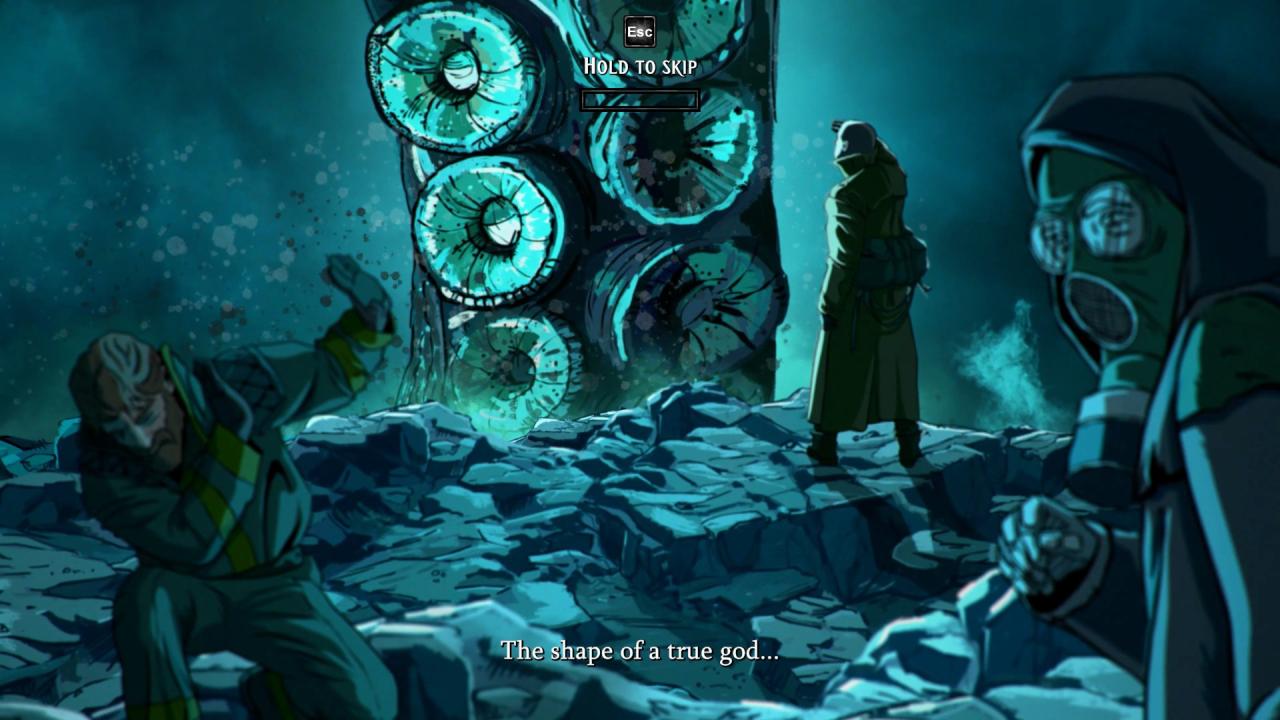
The game never provides easy answers, and uncertainty pervades almost every decision with substance players are asked to make. Over time, these unexpected moments become some of the most memorable parts of the experience. Unexpected losses, fortunate finds, and desperate recoveries slowly create personal stories that belong entirely to the player rather than the game itself.
DIVE or DIE - Children of Rain doesn't just rely on scripted storytelling; it lets its systems organically generate emotional moments, and that choice proves to be a remarkably successful one.
Progression is about forethought and not mindless grinding.
DIVE or DIE – Children of Rain, unlike many survival games that rely heavily on farming experience points, ties progression to preparation, exploration and smart resource management. Every successful expedition leaves materials to improve equipment, strengthen facilities and develop the survivors who keep the settlement going.
Growth feels organic because it’s the result of better decision-making, not a repeat of the same tasks to pad numerical statistics. Gradually, players become more capable as they craft upgrades and specialize development to shape the divers around different strengths.
Some survivors may carry greater weight, some may be better able to cope with the psychological stress, and some may be able to stay underwater longer because of higher oxygen capacity. It’s nice to have the strategic depth of deciding how you want each person to evolve, especially since no build can solve every challenge the game throws at you.
The progression system also emphasizes the emotional risks associated with each expedition. Putting scarce resources into a favorite diver certainly helps future missions, but it also makes every dive a lot more stressful, because losing that survivor has a much larger effect. Progression is also a calculated risk, and the game makes sure that even the mightiest characters never quite remove the constant fear of irreversible loss.
The biggest threat is often from the ocean itself and not conventional combat.
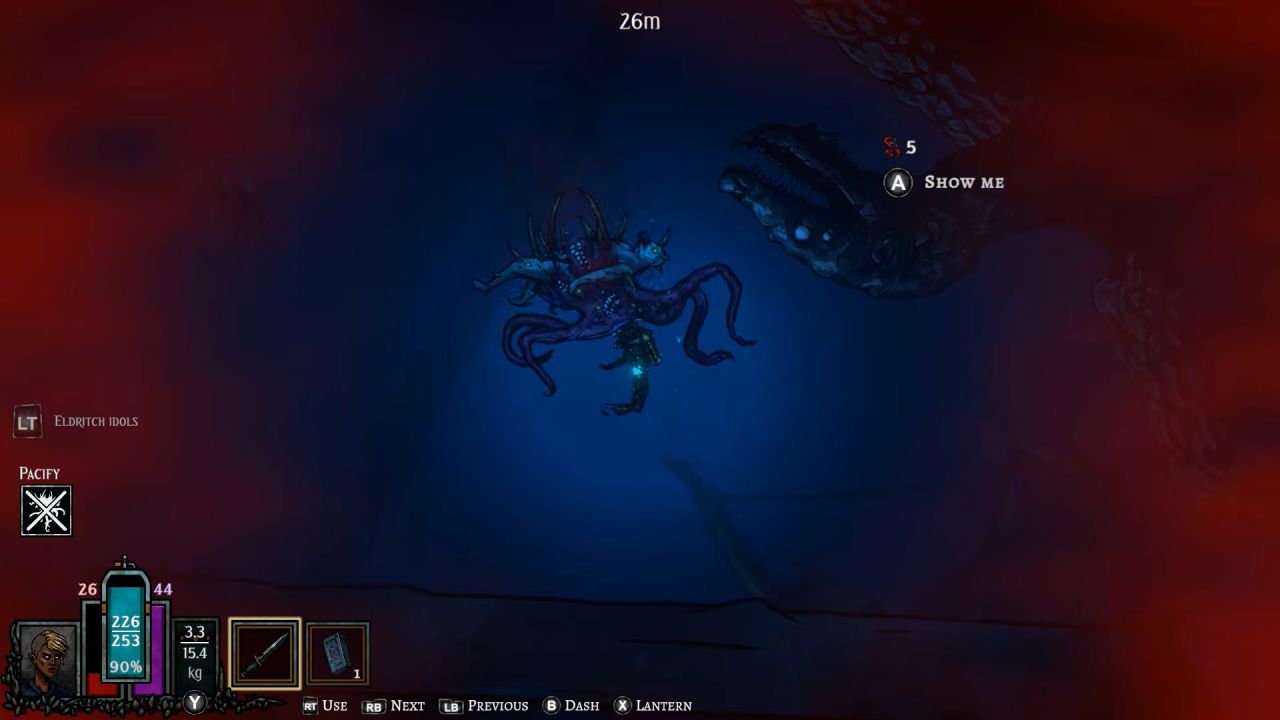
While DIVE or DIE – Children of Rain is an action and survival horror game, the combat is never the focus of the experience. But the environment itself is the most persistent enemy, with limited oxygen, confusing underwater layouts and constant psychological pressure far deadlier than any single creature. The game rewards caution, patience, and the ability to know when retreat is the better option, rather than promoting a solution through violence.
That design decision greatly improves the overall mood. The game lets tension rise naturally from isolation and uncertainty, instead of constant battles disrupting exploration. Danger is not something you can script. It is unpredictable and every unfamiliar sound and dark shape demands your attention. Every threat feels more real without having to fight constantly, so players are more likely to respect the unknown than run headlong into it without thinking.
This slower approach may come as a surprise for players expecting fast-paced encounters but ultimately it suits the game's identity far better. Fear is built through vulnerability, not through overwhelming action, and every successful escape feels just as satisfying as winning a tough fight in another survival title. It’s a bracing design philosophy that understands that restraint can be much more effective than relentless spectacle.
The haunting presentation makes every moment feel like an unforgettable isolation.
DIVE or DIE – Children of Rain nails the loneliness of its flooded world with remarkable confidence on a visual level. Sunken buildings, abandoned infrastructure and dimly lit ruins quietly tell the tale of a civilization that disappeared long before the player arrived. The destruction feels real because the places you’re destroying feel real, like they were once the sites of normal lives.
Sound design is also key to maintaining the oppressive atmosphere. Long stretches of quiet are broken only by the constant rhythm of breathing apparatus, far-off underwater echoes and subtle environmental effects that constantly remind players how isolated they really are. The audio design is so subtle that even the slightest, surprising sound can be utterly disturbing. It shows that horror is often about what the players hear, rather than what they see.
The soundtrack complements those strengths well without ever trying to be noticed. Exploration, settlement management and moments of mounting tension are punctuated by quiet, melancholic compositions that reinforce the emotional weight of each decision without overwhelming the experience. Visually and aurally, the two combine to create a hauntingly real world that stays with you long after the final dive is over.
It’s a memorable encounter, but it does have its limitations.
The deliberate pacing of the game can sometimes work against its sense of discovery, especially for players who like to explore every nook and cranny of an environment at their own speed. Sometimes the relentless pressure of time can discourage experimentation, pushing efficiency over curiosity.
That urgency serves the story very well, but there are moments where a bit more freedom to explore would have made the world that much richer. But those concerns do little to diminish what DIVE or DIE - Children of Rain ultimately achieves.
It has compelling world-building, meaningful survival systems, emotionally driven decision-making, and exceptional atmosphere, all of which combine to make one of the more distinctive indie horror experiences in recent memory. Rather than spectacle, it is an unforgettable journey steeped in tension, sacrifice and the quiet determination to survive for one more day.
Senior Editor, NoobFeed
Verdict
DIVE or DIE - Children of Rain delivers haunting survival horror through unforgettable atmosphere, meaningful choices, and tense underwater exploration that stays with you long after the final dive.
85
Related News
No Data.