
Subnautica 2 Review
PC
Early Access
Unknown Worlds expands its survival formula with better exploration, stronger storytelling, and a surprisingly polished early access launch.
Reviewed by Tahmid Mahi on May 15, 2026
Subnautica 2 had a complicated path before finally arriving in early access. For a while, it seemed the sequel would run into serious trouble due to public issues involving publisher Krafton and developer Unknown Worlds. Instead of collapsing under that pressure, the game arrived looking far more complete than most players expected from an early-access release.
Unknown Worlds built a strong reputation with the original Subnautica back in 2018 for offering a survival experience unlike nearly anything else in the genre. Rather than focusing heavily on combat or endless grinding, the first game leaned into exploration, atmosphere, and fear of the unknown.
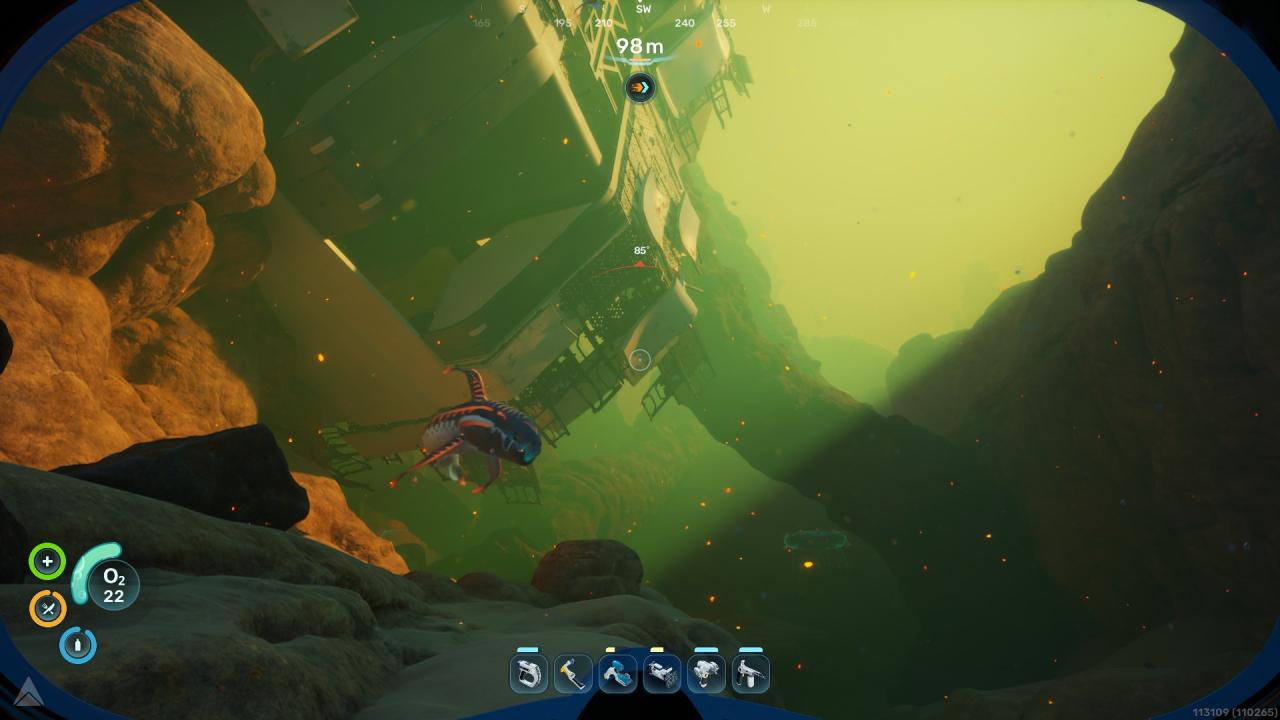
You were dropped into an alien ocean world with almost no guidance and forced to slowly learn how to survive. Subnautica 2 follows that same design philosophy while expanding almost every system from the original game. It forces you to live by exploring, experimenting, and managing resources wisely as you slowly get accustomed to a more dangerous environment.
The sequel maintains the series' core identity while improving scale, presentation, and progression systems.
You wake up once more on a hostile underwater planet, with no more than basic survival gear and a small emergency life pod. From there, you slowly explore the deeper parts of the ocean while crafting better tools and uncovering the history of the world around you. Even in Early Access, the game already feels like a worthy continuation of the original.
Subnautica 2 has a more linear and structured story than the first game, but there is still plenty of room for exploration and discovery. You are an investigator who wakes from cold storage to discover what happened to a failed human colony on an alien planet. You explore abandoned facilities and wreckage sites, slowly piecing together the timeline of the disaster.
The story shines when it lets you explore the ruins of old settlements scattered across the ocean. Some of the facilities feel abandoned in an eerie way; others are still showing signs of hurried evacuation and failed experiments. The story also implies there were alien civilizations long before humans arrived.
One of the best things about the story is how it naturally folds into exploration. Instead of pausing the game and going into detail, the game lets you learn things while you scavenge for resources or new blueprints. You can follow the main story closely or ignore parts of it for hours, building bases and exploring deeper biomes.
The core gameplay loop of Subnautica 2 is still very similar to the first game, which is a good thing because the original formula still works extremely well. You start with little oxygen, poor equipment, and little knowledge of the world around you. You spend your early hours swimming through nearby reefs, trying not to drown, gathering materials like titanium, copper, quartz, and silver.
Progression means getting better gear and figuring out how the world operates.
Fins, oxygen tanks, scanners, and the wavemaker are all early upgrades that greatly enhance your mobility and survivability below water. The game also introduces biomods and adaptation upgrades that permanently improve your character in different ways. Some upgrades allow you to survive high temperatures, while others improve movement speed or oxygen management.
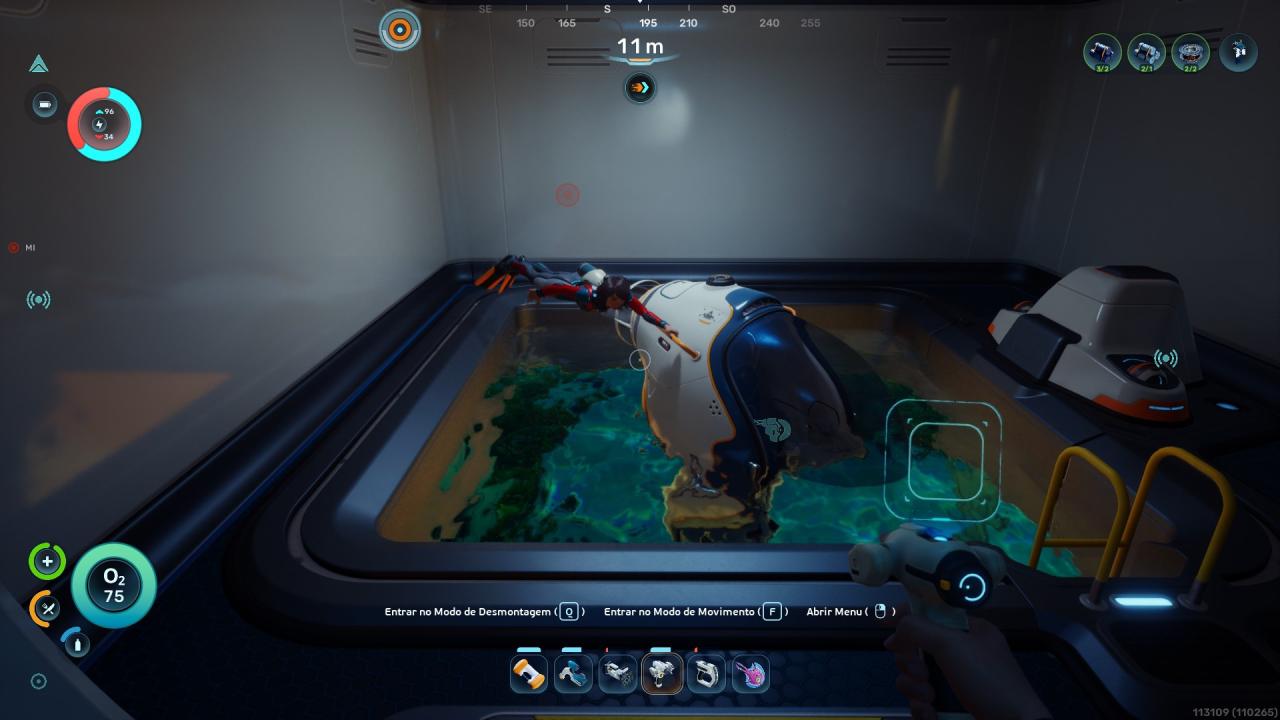
Exploration remains the heart of the experience because almost every major upgrade requires you to search dangerous areas for resources or blueprint fragments. You spend a huge amount of time scanning technology, searching abandoned bunkers, and diving into caves filled with hostile creatures.
The game constantly rewards curiosity, as almost every new biome has useful materials or hidden upgrades. At the same time, it is perilous to die by venturing too far without preparation. This leads to a perpetual push-and-pull, where each decision to keep going feels like a calculated risk that could make or break your progress in seconds.
Smart updates to the base building have also made it feel more fluid and flexible. Moving from cramped rooms to more spacious rooms, changing the shape of buildings, and adding new modules are much less frustrating than they once were. The map is larger and deeper than the original game, so you can build multiple bases in different biomes.
Vehicles are a big part of progression, especially when you unlock the Tadpole submarine. The tadpole changes the way you explore dramatically, as it gives you more oxygen reserves, protection from predators, and faster travel speeds. Additional upgrades let you further upgrade the vehicle, with better movement options and improved traversal systems.
Subnautica 2's encounters are mostly about tension and avoidance rather than fighting, meaning it's not a traditional combat-heavy survival game.
Every biome has dangerous sea creatures lurking nearby, but the game rarely encourages a head-on fight. Instead, you usually survive by learning creature behavior, by escaping quickly, or by using tools defensively. This design decision keeps the fear and vulnerability that made the original game so memorable.
Most of the puzzle-solving is about exploration, navigation, and resource management, not traditional logic puzzles. Many missions entail finding secret facilities, restoring power systems, searching for debris, or devising ways to safely enter hazardous environments. There are places that are unreachable because of environmental hazards, such as heat, low oxygen levels, or hostile infestations, which require certain upgrades to survive.
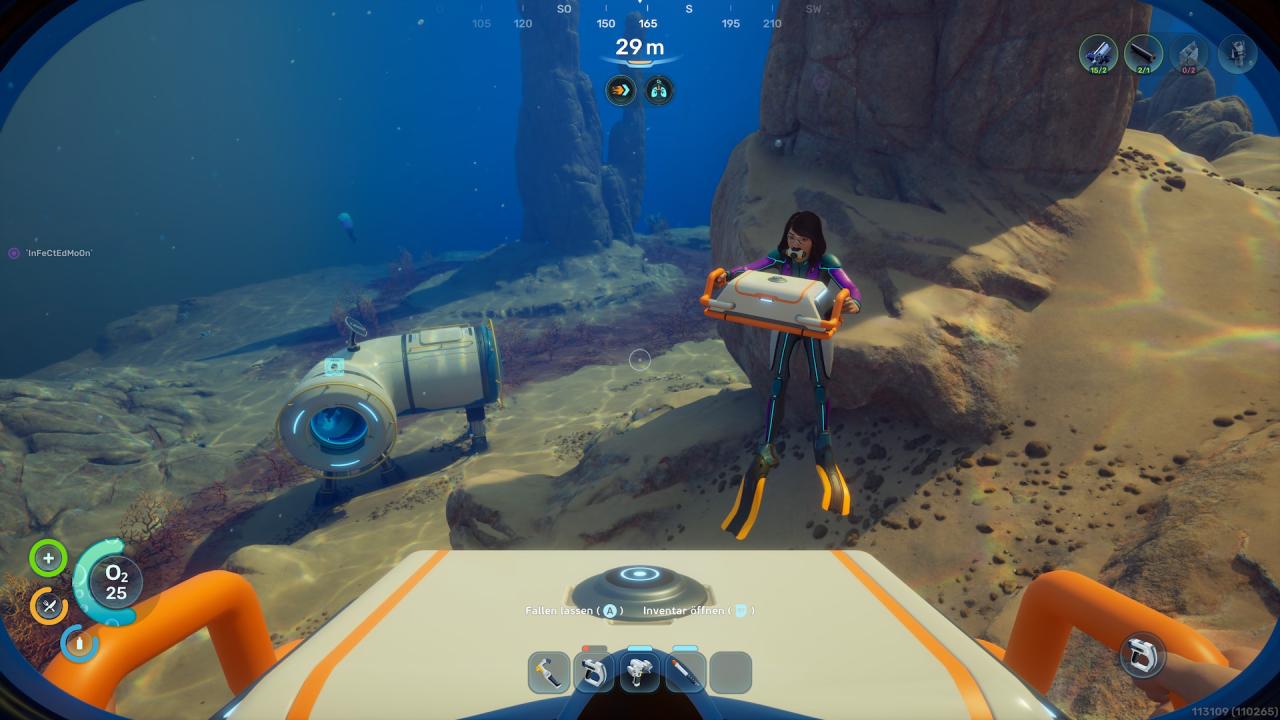
Tools of combat, like the Sonic Resonator, add a touch of defensive utility without making the game an action experience. The Resonator will deflect some threats and break up resource deposits, easing exploration without removing the threat entirely. This works as a balance because the ocean still feels threatening even after you get better gear.
In Subnautica 2, you don't level up in the traditional sense, nor do you gain experience points. Instead, you progress through the game by exploring and crafting. You improve by finding new resources, unlocking blueprints, scanning alien lifeforms, and crafting better equipment. Any upgrade makes a real difference to gameplay, as better gear means you can dive deeper, travel faster, and survive harsher environments.
The progression system feels good; with each upgrade, more space organically opens up for you to safely explore. Every new tool doesn't just make you stronger; it actively changes how you interact with the environment and what areas you can realistically reach. Eventually, you begin to see how past "impossible" zones become available.
Subnautica 2 is a big visual upgrade over the original game, while keeping the same stylized underwater identity. The move to Unreal Engine 5 gives the world much better lighting, improved draw distances, and denser environmental detail. Coral reefs, caves, underwater plants, and massive creatures all look far more impressive than before.
One of the biggest improvements is performance; the game runs surprisingly smoothly considering the visual upgrade.
The original Subnautica would stutter and experience heavy pop-in, especially in larger environments. Subnautica 2 has a few minor bugs, but overall, it's surprisingly stable for early access. Even large player-built bases and wide open ocean sections maintain solid frame rates.
The audio design remains one of the game's strongest features because it constantly reinforces the atmosphere and tension of exploration. Creature sounds echo through the water in ways that make deep dives feel uncomfortable even before you see the danger itself. You often rely on sound cues just as much as visual ones to decide whether to keep going or turn back.
The soundtrack is a bit more ambient than in the 1st game, but it still captures the same electronic, atmospheric tone. The ocean is relaxing but also scary, with quiet moments of exploration mixed with distant sounds of creatures. It also subtly reacts to your surroundings.
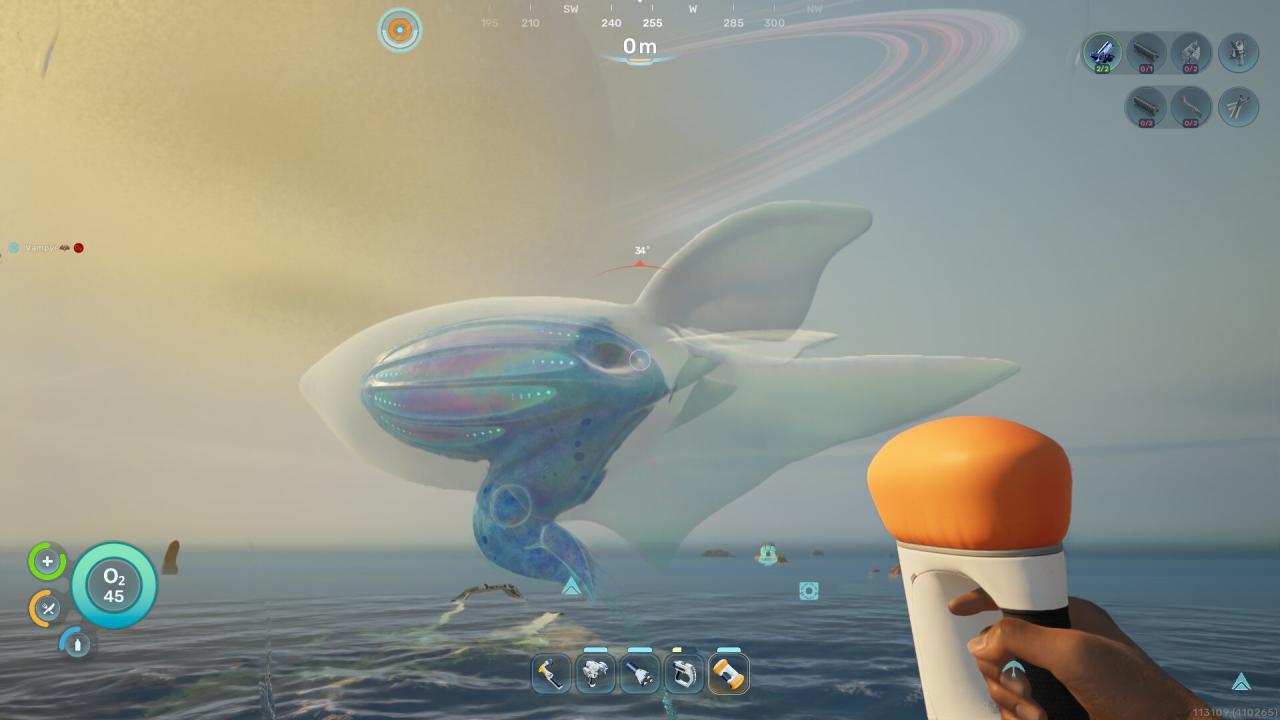
Subnautica 2 already feels like one of the strongest survival games out there, even though it's not finished yet. It's clear that Unknown Worlds knew what players loved about the original game and built on those ideas without changing the formula too much. It results in a sequel that feels familiar at its core but is noticeably deeper in systems, scale, and long-term progression.
Exploration feels more rewarding, progression systems are deeper, and the story is far more engaging than before. The world itself is larger, denser, and more dangerous in ways that constantly push you to keep exploring. You never feel completely safe, which makes even simple resource runs feel meaningful and tense.
The game's biggest weakness right now is that it ends too soon because it's in early access. After roughly fifteen to twenty hours, you eventually reach unfinished sections where story progression and certain biomes stop abruptly. That frustration mostly comes from how invested you become in the world and its mysteries.
Still, Subnautica 2 is shaping up to be a very polished and memorable experience. The balance of survival mechanics, exploration, storytelling, and atmosphere is so damn effective throughout the adventure. Whether it's managing oxygen carefully in the early game or exploring volcanic regions in an advanced vehicle later on, the sense of discovery rarely fades.
Editor, NoobFeed
Verdict
Subnautica 2 expands everything that made the original special with better exploration, stronger progression, and a more engaging story. Even unfinished, it already feels like one of the best survival games you can play today.
70
Related News
No Data.