
XBOX Helix Could Bring Back Disc Support to Fight Sony
Microsoft may have a major opportunity to win back physical-game fans and strengthen XBOX ’s next-generation strategy.
News by Wasbir Sadat on Aug 12, 2026
The XBOX-PlayStation war has changed since the 2013 XBOX One launch. The conflict over hardware and exclusive games has evolved into one over ecosystems, subscriptions, digital ownership, and physical media. Microsoft's upcoming XBOX hardware may allow it to address the industry's largest issue: disk drive death.
The XBOX One launch was one of Microsoft's worst. The company's rules on old games, game sharing, and internet access angered users. Sony used PS4 marketing to position their platform as more consumer-friendly.
.jpg)
That event shaped a generation.
Microsoft reversed some unpopular rules, but the harm was done. XBOX never achieved the heights of the XBOX One, which put Microsoft's XBOX in the console sector. Many XBOX 360 players switched to PlayStation, losing their audience. Regaining that position has been difficult for Microsoft. Microsoft's advantage may change suddenly.
XBOX can differentiate itself by offering physical games on its next-generation hardware, presumably dubbed XBOX Helix, as Sony increases digital distribution. Microsoft may see that as more than a tech feature. That might be a major advantage. Physical media is a hot topic in the game industry. Although digital buying is straightforward, physical games allow players to lend, trade, and resell titles.
Disks also link libraries, especially when companies provide multigenerational backward compatibility. Microsoft is considering increasing disk support for its next-generation XBOX console, according to Digital Foundry. Unofficial information may have changed after Microsoft's massive XBOX reset, but it's a significant possibility since the motivation is more than retail sales.
Microsoft may continue supporting disks so players can transfer their XBOX libraries. Instead of discarding physical collections, Microsoft may let users play such titles on future XBOX hardware with a built-in or external disk drive. XBOX's longstanding dedication to backward compatibility might suit this approach. Microsoft has been promoting bringing old games to newer hardware for years.
However, eliminating disk support and actual copies of compatible games could harm that strategy. A disk drive might connect XBOX's physical past to its increasingly digital future. Microsoft's backward compatibility makes a strong case for disks. XBOX has invested a lot of time and money keeping older games accessible to gamers, and it would be tougher to maintain that catalog if future devices couldn't read physical copies.
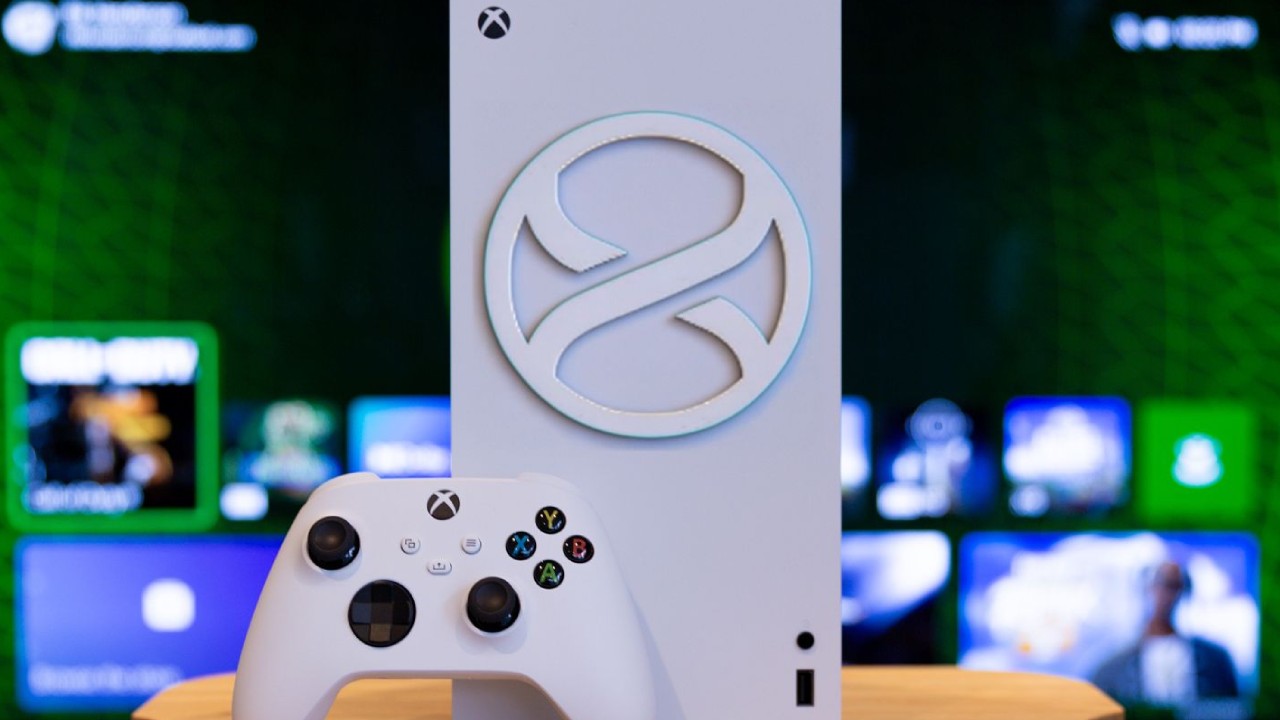
Inserting an existing XBOX disk onto a new system can be handy if you have a large collection.
Their past purchases are still applicable despite hardware generation changes. Microsoft may compromise with an external disk drive. Digital hardware might be used for an all-digital system, although physical collectors could buy an extra drive to play their titles.
That might give XBOX an edge to players concerned about an all-digital future. XBOX may be a possibility for people who don't want to lose their physical libraries if competition gear loses physical support. Microsoft likewise has issues with its disc-to-digital technology. Microsoft has spent a lot of time building a system that combines physical ownership and digital play convenience for some retail XBOX titles.
If XBOX can keep improving that system, a future console with disk capability may have a flexible ownership model. XBOX may sell more because of its blend of physical and online activity. Microsoft could allow both to play together in the same ecosystem instead of forcing players to buy disks or go digital. That might be useful during a console shift. This would enable gamers to buy new games online and transfer their physical library to the next generation. Microsoft may digitize its ecosystem without ditching physical disks.
The plan may also help XBOX attract new consumers financially.
XBOX users have been huge adopters of digital services, but PlayStation and Nintendo still have large physical game communities. XBOX may position itself as a consumer choice protector as Sony moves toward an all-digital future. That might provide Microsoft an opportunity it didn't see coming years ago. XBOX may compete on flexibility and ownership rather than games or hardware.
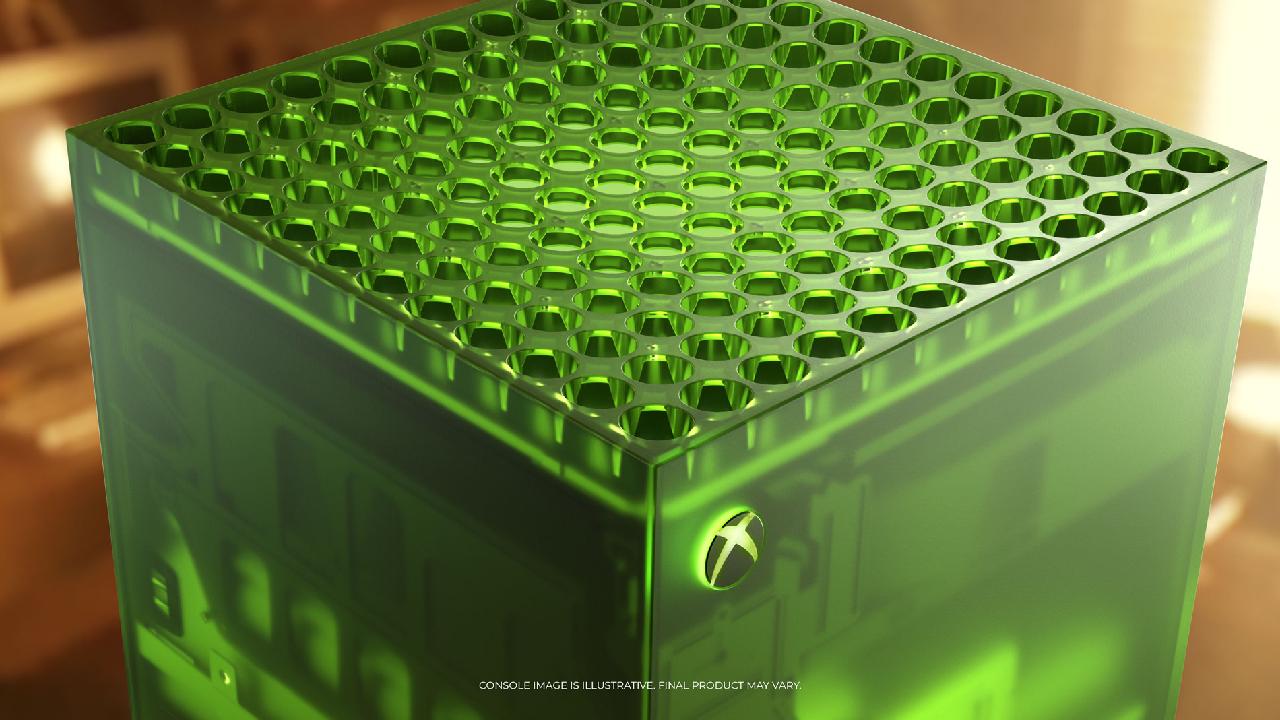
The timing is interesting because Microsoft's next-generation strategy may improve XBOX. If the company wants to reach more people, physical gaming support might make its future system more accessible. No one has confirmed this publicly. Digital Foundry reports and speculates about an XBOX Helix disk drive. Microsoft's final hardware may not have an internal, external, or disk solution.
The strategy makes strategic sense notwithstanding those unknowns. A disk drive would protect Microsoft's backward-compatibility goals, reassure physical-game owners, and possibly attract users wary of a digital-only console industry. It may also help XBOX reclaim competitive momentum from XBOX One. XBOX 360's supremacy may never return, but Microsoft has spent years recreating its ecosystem through backward compatibility, Game Pass, cross-platform initiatives, and hardware flexibility.
Microsoft may encourage physical and digital games as complementary media. This would provide gamers choices in game purchase and access without forcing them to use one model. The alleged disc-drive plans are just a hypothesis. XBOX Helix is yet unknown. If Microsoft's next-gen console accepts disks, it could be one of its smartest moves.
Contributor, NoobFeed
Related News
No Data.