
No More Room in Hell 2 Review
PC
A brutal co-op zombie experience where teamwork, scarce resources, and survival matter more than killing every zombie.
Reviewed by Maisie Scott on Aug 13, 2026
No More Room in Hell 2 is based on a simple concept: surviving a zombie outbreak should be scary, unpredictable, and dangerous, not turn you into an unstoppable zombie-killing hero. This sequel follows that philosophy and has always been about everyday survivors trying to get through another day.
The series itself has an engaging history. The original No More Room in Hell began as a Half-Life 2 modification before being released as a standalone title in 2011. It gained attention for its slower pace, brutal mechanics, and strong focus on survival rather than action-heavy power fantasies.
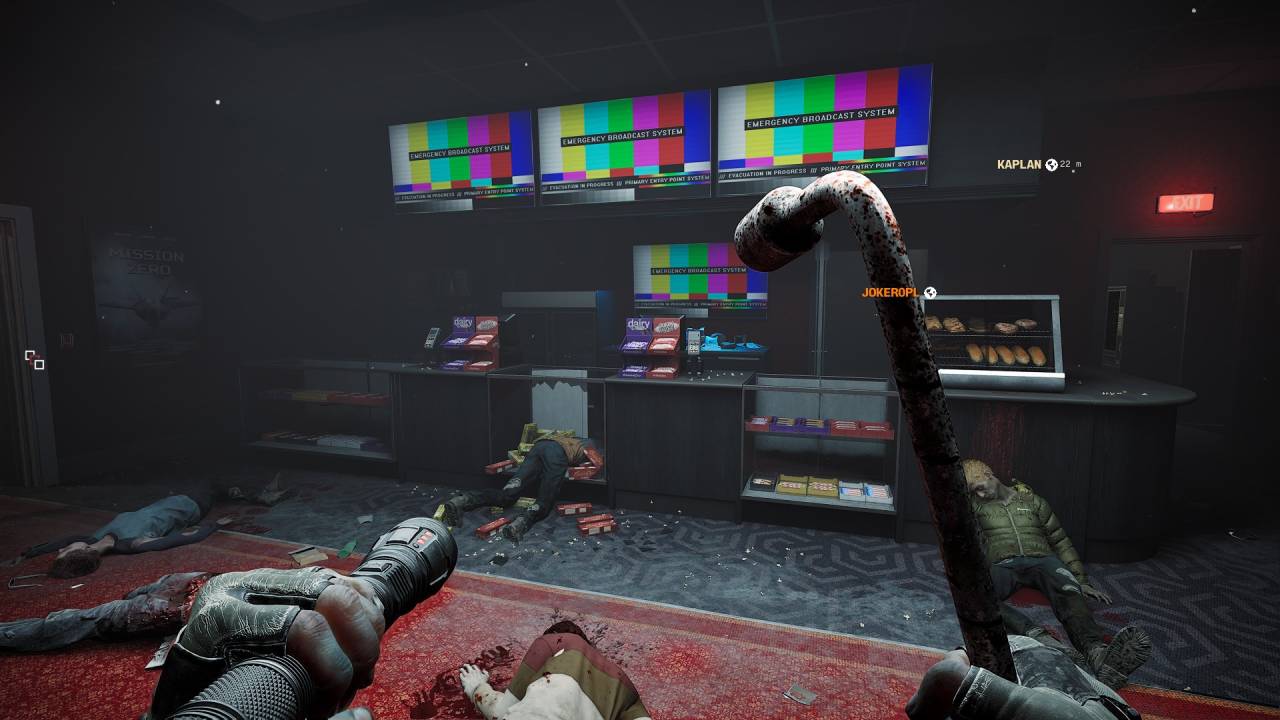
No More Room in Hell 2 keeps that foundation intact but builds a much larger experience around cooperative objectives, character progression, exploration, and extraction. It feels like a sequel that understands what made the original stand out while giving you more systems to work with.
At the center of the experience, you play as a responder sent into dangerous areas during the outbreak.
You are not a legendary soldier carrying an endless supply of weapons, so you start with basic equipment and have to search your surroundings for better weapons, ammunition, medical supplies, explosives, and other useful items. Every item matters more as the situation worsens, so you must think carefully about what you pick up and how you use it.
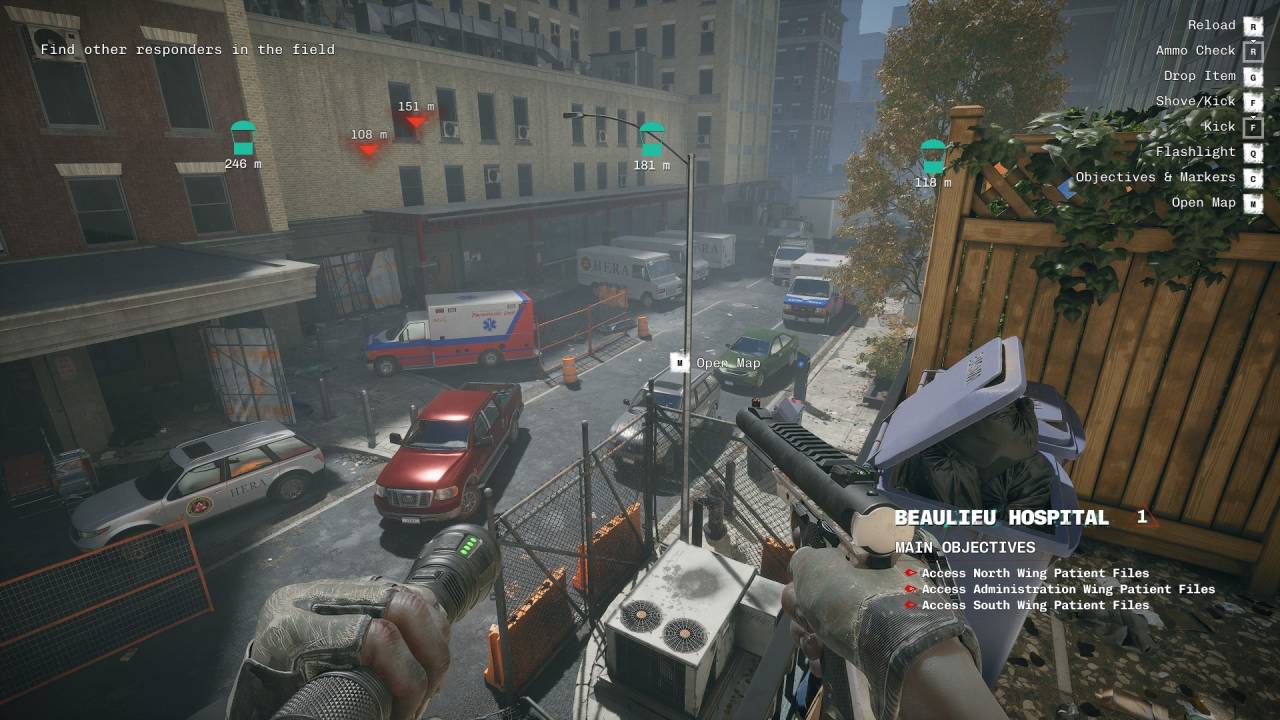
The main objective-based mode takes place across large environments where up to eight players can share the same map, but you do not necessarily start beside your teammates. Responders can spawn across different parts of the environment, meaning you initially have to make your own way toward the central objectives.
The lack of constant teammate markers also makes communication more important. Unless you enter as part of an existing party, you mainly rely on proximity and voice chat to locate other responders. This makes finding and staying with your team feel more natural and less uncertain.
You might stumble across another player while searching for supplies, decide to travel together toward an optional objective, or remain alone until the mission reaches its later stages. As everyone moves closer to the final objective, surviving responders naturally begin coming together, and that is where the cooperative side becomes especially important.
Your objectives may include activating systems, entering codes, flipping switches, restoring power, and completing other tasks while zombie hordes begin. Close locations give you additional reasons to explore because they can contain weapons, ammunition, health items, and special equipment that provide useful bonuses.
You may also need to locate fuses for fuse boxes, activate generators, connect wires, or handle other simple puzzles. These tasks are easy enough when the area is quiet, but they become much harder when zombies are surrounding you.
Resource management is a major part of how you approach every mission.
Ammunition is limited, and wasting bullets can leave you in a difficult position later. Gunfire also makes noise that can attract more zombies, so sometimes dodging an enemy is a smarter choice than fighting it. You also have other limited tools, like flashlights, radios, and deployable lamps.
Exploration gives you more options for getting around the maps. You can climb over obstacles, move around vehicles, and search for alternate routes while passing abandoned vehicles, field camps, checkpoints, damaged buildings, and other signs of a civilization that has collapsed.
The power plant is one of the major locations, requiring you to work through its surrounding area, complete tasks, collect equipment, and eventually push toward the plant as zombie encounters become increasingly dangerous.
The game also gives you different ways to approach its survival structure. Solo play lets you explore the maps without the threat of permanent character loss, although solo matches do not provide normal progression or rewards. Instead, it works as a safer way to learn maps, understand objectives, and experiment with the mechanics.
A dedicated tutorial also introduces the fundamentals through a guided mission, which is useful because the learning curve can be steep without lengthy instructions for every system, so it gives you a clear starting point before you take on tougher missions.
Survival mode changes the rhythm even further. Rather than simply moving through an environment toward an extraction objective, you defend positions across three dedicated maps while surviving increasingly dangerous waves.
You need to protect important equipment, such as speakers; manage your position; conserve supplies; and eventually extract.
Raven Rock also adds a new playable environment centered around an underground bunker, where you enter the facility, locate the director, extract the target, and try to escape alive. Raven Rock also gives you another reason to explore beyond the usual objectives, with the bunker providing a fresh setting and a different route to navigate.
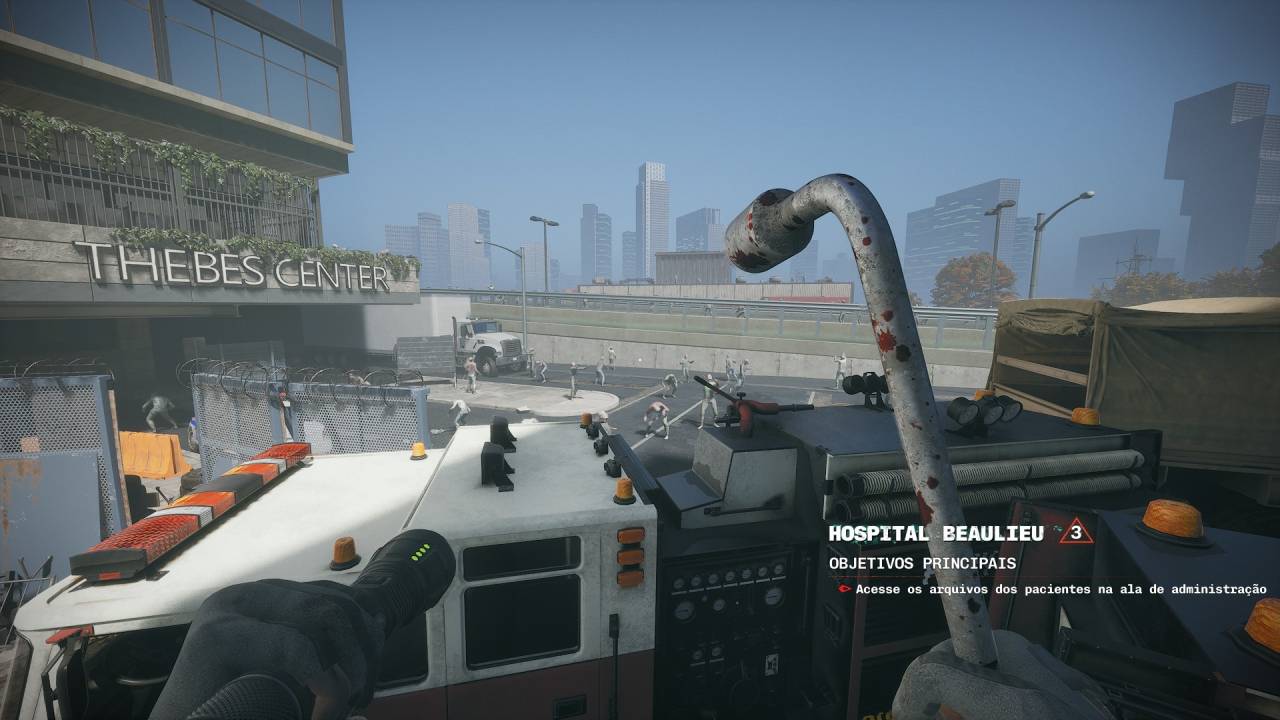
The combat is where the game's survival philosophy becomes especially clear. Zombies can act differently depending on their type; some of them move faster, and some can take a lot of damage. Runners can turn a manageable situation into a desperate fight, while tougher enemies can keep moving after taking several hits.
Melee combat becomes important because ammunition is a resource you need to conserve. Pipes, axes, and other close-range weapons can save you bullets, but the system can feel heavy and sometimes awkward. The fire axe is satisfying to use with its weight, but some other melee weapons feel sluggish, making it hard to react to multiple zombies at once.
Gunplay is more responsive; it feels better when you actually have enough ammunition to use it. Locational damage also means that attacks can hit different parts of zombies’ bodies, making combat a bit more physical than simply whittling down enemy health bars.
The design of the puzzle itself is simple, not complicated. Finding fuses, connecting wires, activating generators, entering codes, and restoring systems are simple tasks, but their value comes from the pressure surrounding them. A basic objective can suddenly become stressful when you are trying to complete it while a horde is approaching.
That works well with the game's overall design, although the objective structure can become predictable once you understand where you need to go and how the different tasks work. More variety in objectives, environments, and encounters would help keep longer sessions from feeling repetitive.
Progression is tied directly to individual responders.
Completing missions successfully gives you responder experience and lets you unlock passive abilities, so each successful extraction feels more meaningful than just completing another match. The catch is permanent death: if that responder dies, you lose them and have to continue with another randomly generated character.
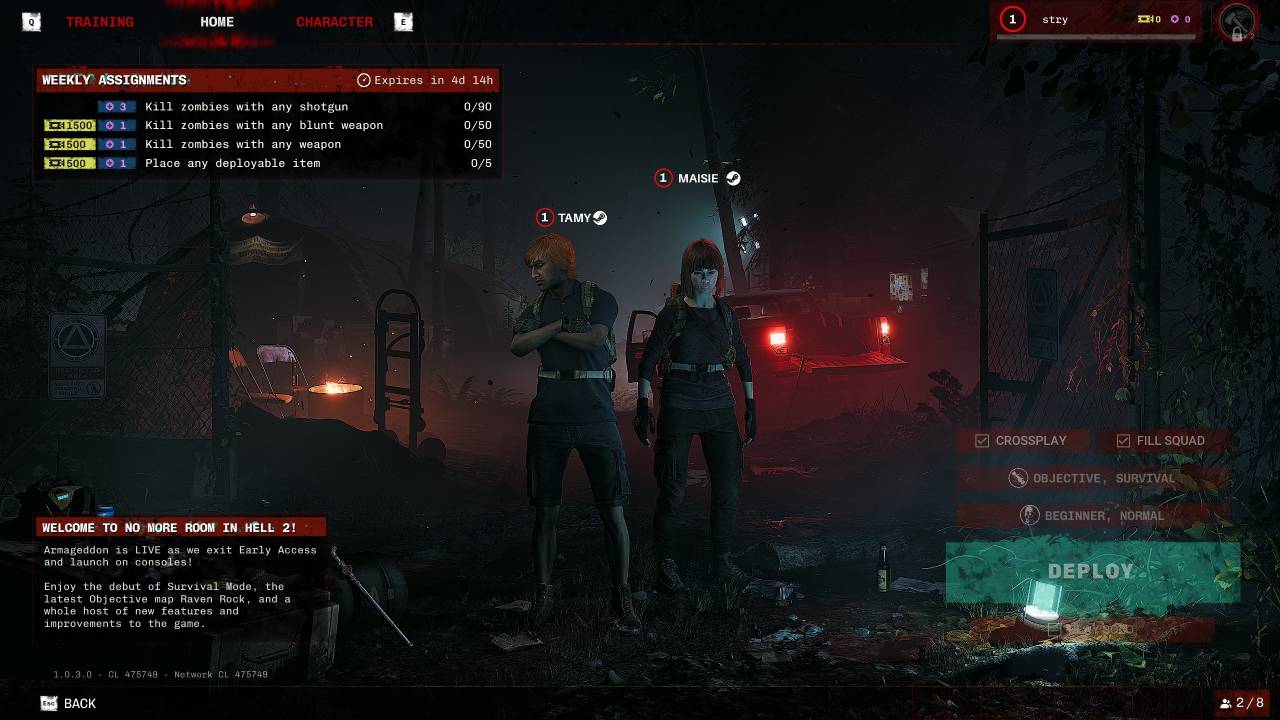
Weekly assignments add another layer to that progression by giving you objectives that reward merit. These work as a secondary currency alongside credits and can be used to purchase items and cosmetics, giving you a longer-term reason to keep completing missions.
Character customization has also been expanded, while different character types can provide small bonuses to things such as stamina or two-handed melee damage. The economy and progression systems have also been reworked, with items, cosmetics, and rewards rebalanced to make progression feel more intentional.
Another interesting part of the progression system is the rescue beacon. This single-use consumable takes up a loadout slot and can save a responder who would otherwise be permanently lost. However, using it means losing all other items, so it serves as an emergency safety net rather than a simple way to remove the consequences of death.
Difficulty has also been reorganized, with Beginner replacing Casual and Normal replacing Classic, while Hard and Nightmare provide more demanding challenges. An unstuck feature can also teleport you to the nearest spawn point every five minutes if you become trapped in the environment.
Visually, the game does a good job of building its atmosphere through lighting, shadows, abandoned vehicles, damaged buildings, bodies, and environmental clutter. The environments communicate the sense that civilization has been overwhelmed without relying entirely on dramatic presentation.
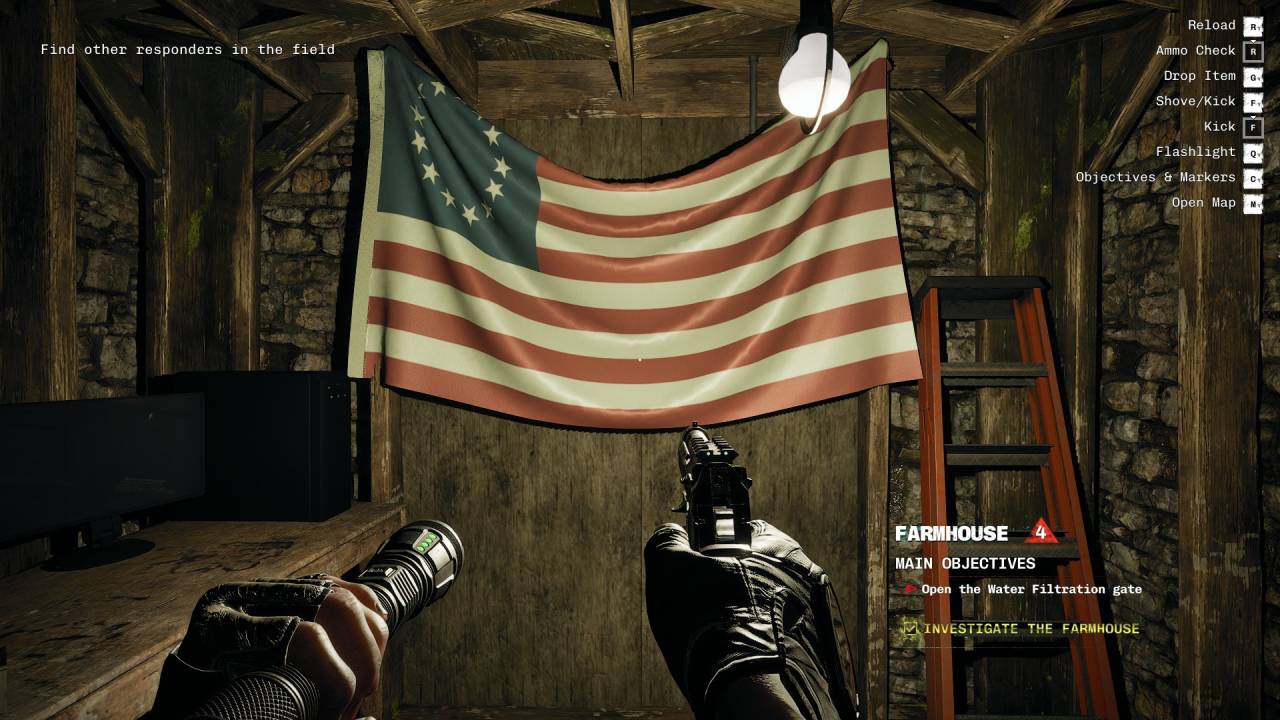
Moving through a dark location while hearing and seeing zombies around you can make even familiar objectives feel uncomfortable.
However, technical issues can sometimes interfere. Zombies can act in weird ways, characters or weapons can get stuck, there can be graphical glitches, and enemies can sometimes slide across the floor or be stuck in environmental objects.
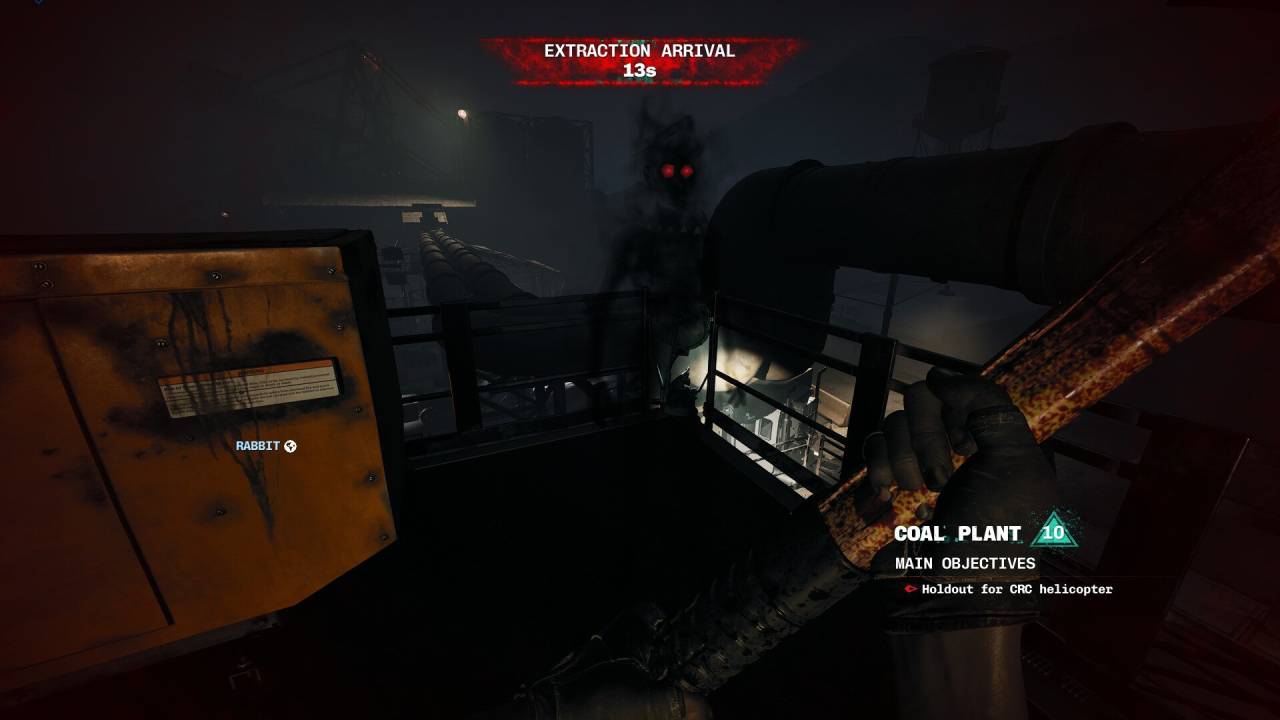
The sound and the overall presentation also add to the tension, especially when the undead begin to close in around you. The atmosphere, along with the nearby zombie sounds, makes dark areas more dangerous. Locational damage that shows the effect of your attacks also supports the game’s focus on physical encounters.
Ultimately, No More Room in Hell 2 works best when all of its systems come together. You start separated from other responders, search for supplies, discover teammates, complete objectives, and eventually find yourself fighting through a massive horde as everyone tries to survive.
There is still room for improvement, particularly with enemy behavior, melee combat, objective variety, and overall consistency.
Once you understand the structure, some missions can become predictable, and No More Room in Hell 2 would benefit from more variety to keep repeated runs interesting. Even so, the core survival experience remains effective and keeps the tension intact. Still, its central identity remains strong.
When ammunition is running low, teammates are overwhelmed, a responder is injured, and the final objective still needs to be completed, No More Room in Hell 2 can create exactly the kind of desperate cooperative horror it is aiming for.
With survival mode, solo play, Raven Rock, weekly assignments, expanded customization, new progression systems, and continued improvements, there is now considerably more to experience beyond the basic objective structure.
The console release also brings No More Room in Hell 2 to PlayStation 5 and Xbox Series X|S, with full crossplay allowing PC, PlayStation, and Xbox players to share the same eight-player lobbies.
No More Room in Hell 2 is at its strongest when it reminds you that survival is supposed to be difficult. You are not meant to feel completely safe, and zombies are not simply targets waiting to be cleared from a room.
Sometimes you fight, sometimes you run, and sometimes you decide that the supplies in front of you are not worth another dangerous encounter. These decisions create the strongest moments in No More Room in Hell 2, and when everything comes together, escaping a dark environment while a massive horde closes in can be genuinely tense.
Editor, NoobFeed
Verdict
No More Room in Hell 2 delivers tense co-op survival built on scarce resources, teamwork, and meaningful consequences. Technical issues and repetitive objectives hold it back, but its core zombie-horror experience remains compelling.
75
Related News
No Data.