
Little Nightmares III - The Backstage Review
PC
A concentrated return to slow-burn psychological horror.
Reviewed by Elme Dhee on Jun 14, 2026
Being inside the hidden corners of Little Nightmares III - The Backstage immediately forces you to confront a world built entirely out of childhood anxieties. This short expansion moves away from the main game's massive, empty spaces to deliver an intimate and deeply unsettling adventure.
From the moment you take control of the new protagonist, Dime, the experience abandons typical horror tropes to drag you through a claustrophobic, shadow-drenched landscape that prioritizes a thick atmosphere over standard jump scares or predictable action sequences. Supermassive Games is the development studio behind this project, taking over the reins of the franchise from the original creators at Tarsier Studios.
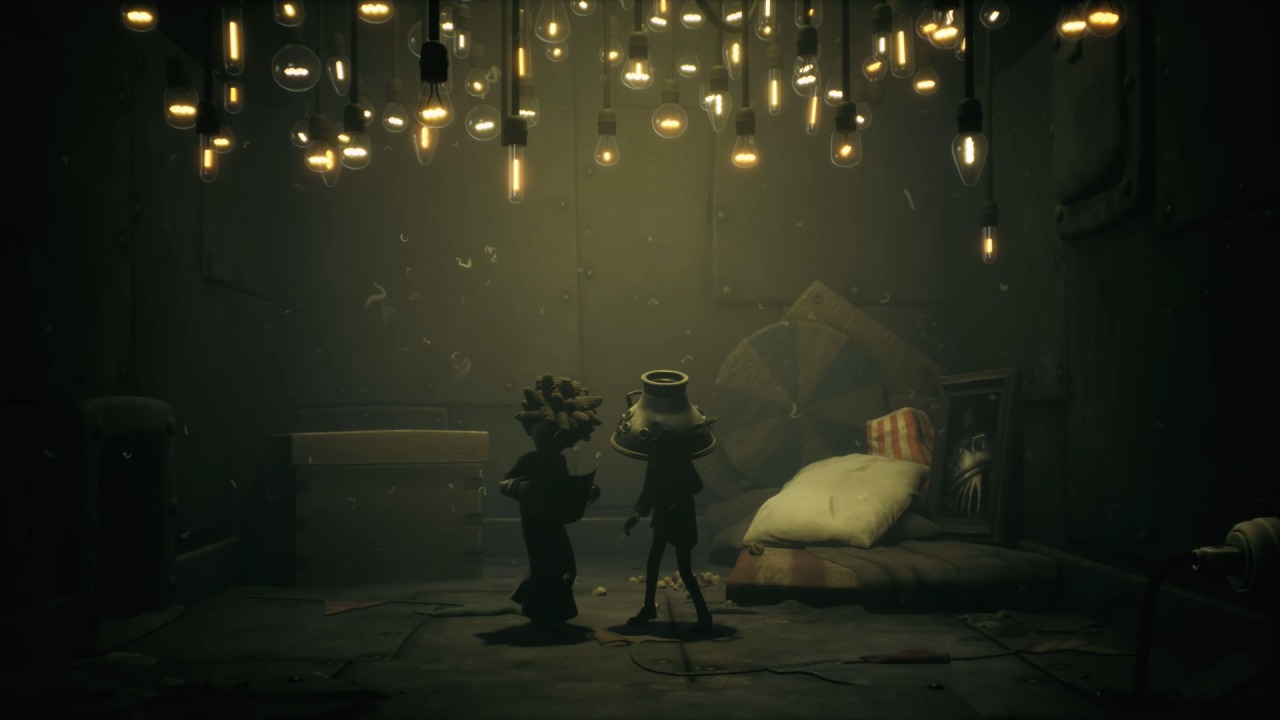
While Little Nightmares III's main campaign faced a lot of critical, somewhat negative feedback for feeling too safe, this new expansion feels like a direct response to those community complaints. The developers clearly listened to consumer feedback and made a genuine effort to bring back the weird, surreal style that made the first two games in the series so incredibly memorable.
Instead of stretching the experience out with meaningless filler, this chapter sets off in a highly focused artistic direction. It heavily channels the classic stop-motion aesthetic of dark fantasy movies like Coraline to build a world that feels completely twisted and wrong. This short adventure should be thought of as a condensed proof of concept and not a long, padded game, so don’t expect dozens of hours of gameplay or sprawling action-packed environments.
The entire design philosophy behind this expansion is to bring back the abstract, slow-burn horror of the original titles, while changing how you approach danger with a new lightbulb tool. By delivering a tight, hour-and-a-half runtime, Little Nightmares III - The Backstage focuses entirely on building tension without relying on artificial gameplay padding. The journey begins with the second and relies heavily on environmental storytelling and a constant feeling of dread that takes complete control.
Find the silent clues in the shadows, and learn the dark lore.
There is no conventional plot structure or linear dialogue sequences to lead you through this rotten environment. Instead, the narrative focuses entirely on isolation and mystery as you navigate a world that feels like a poor copy of our own reality, created by an eldritch abomination that understands humanity only through nightmares.
You start the journey separated from your companion, Low, leaving you with no clear answers as you look for a way to rescue your friends from the clutches of the Puppeteer. The journey feels like a literal walk through a fragmented, broken mind where answers are never handed to you directly.
Instead of using regular cutscenes to explain the lore, the story is told through cryptic signs, strange symbols, and disturbing objects left behind by former elements of the world. This abstract style guarantees the game leaves its secrets wide open to your own personal interpretation, forcing you to think about the world long after the screen goes dark.
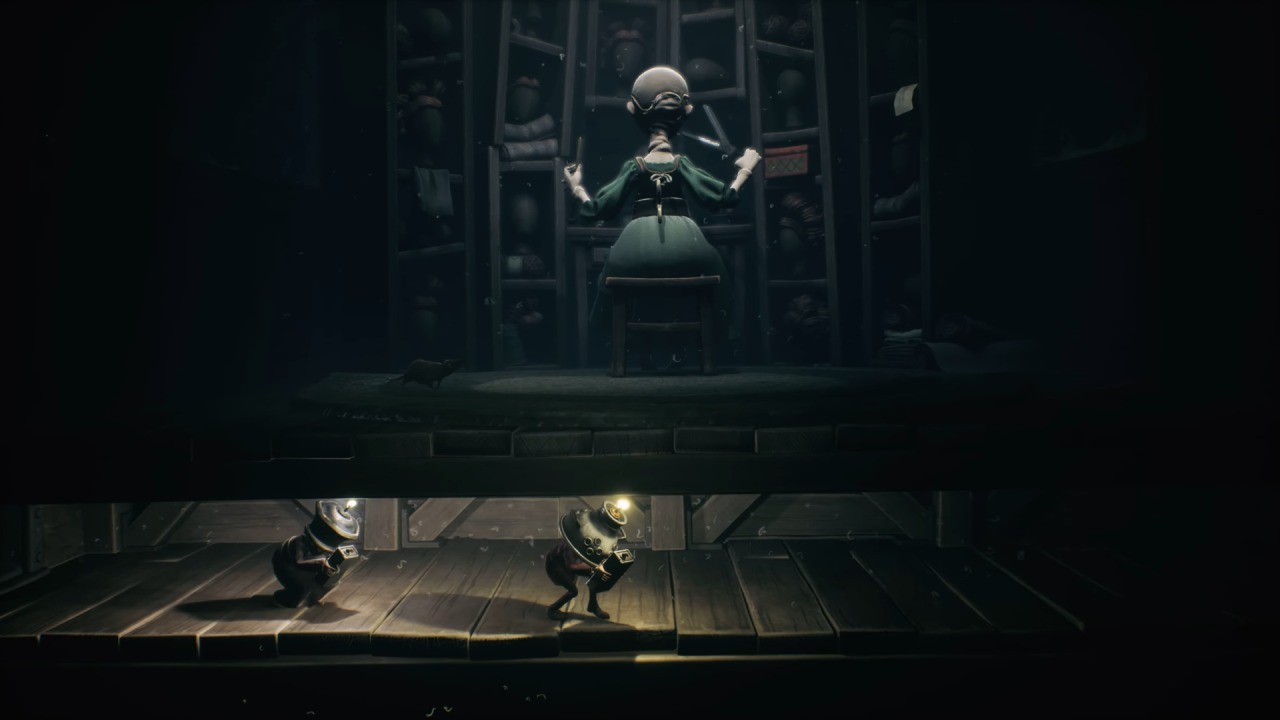
These hidden areas of Little Nightmares III - The Backstage take you far away from the vibrant, grand spectacles of the main game’s carnival setting. This structural setup immediately creates a powerful sense of loneliness, enveloping you in a bleak color palette of deep greys and heavy shadows. The expansion pushes the narrative forward by offering rooms that tell a tragic, silent story about the environment.
The level design tells you everything you need to know about the cruelty of this universe without using a single line of text. The changing locale keeps the theme of psychological decay front and center, maintaining the oppressive mood throughout the short running time. It is a storytelling style designed specifically for players who prefer to piece together their own theories rather than having a plot explained to them.
Controlling character movement feels highly deliberate and precise.
The actual moment-to-moment gameplay is built entirely around slow exploration, environmental physics, and interacting with a creepy, living ecosystem. At a surface level, the control scheme is straightforward and easy to pick up, allowing you to run, jump, and grab specific objects in the environment.
The core progression mechanics become much more interactive once you start using Dime's unique lightbulb tool to manipulate the environment. You’ll need to carefully study your surroundings in each room to find a way forward, forcing you to adapt to the disquieting geometry of the Puppeteer’s domain.
Some areas are long, quiet corridors where clues are hidden right in plain sight, while others are narrow walkways that require careful movement and absolute focus. You are constantly encouraged to slow down and look at the background details, making sure that the gameplay in Little Nightmares III - The Backstage never feels empty or hollow.
A major part of the loop revolves around using the lightbulb to actively change how you handle dangerous situations. This works as a core utility mechanic, letting you shine a bright light to disintegrate shadow entities or briefly stun the massive main boss when you get spotted. It transforms the gameplay into something much more player-driven, giving you a limited means of fighting back or escaping when a stealth sequence goes completely wrong.
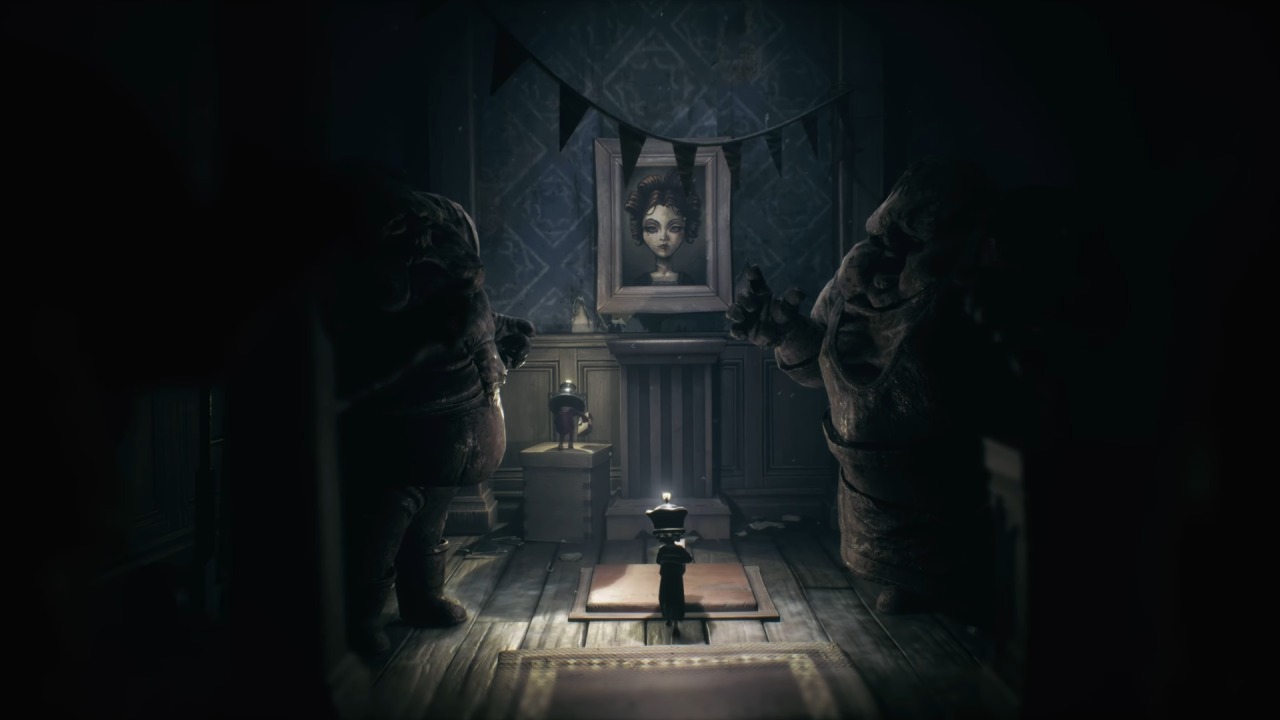
There are also simple investigation mechanics that drive your progress through the linear levels. You will have to regularly scour the environment for missing puzzle pieces, keys, or fuses while avoiding the traps hidden in the dark to unlock new pathways. The lightbulb can be used to highlight specific clues on the walls, keeping things moving smoothly so you won’t get completely lost in the cramped, shadow-filled spaces.
The movement physics are built to feel deliberate and heavy, perfectly fitting the vulnerable nature of the young characters you are controlling. Every interaction with the heavy environment feels slow and meaningful, which creates a constant sense of vulnerability. This slow pace works beautifully for building tension, but it means the gameplay's overall variety is on the simpler side, keeping you in a strict loop of platforming, searching, and puzzle-solving.
Timing and stealth are the only way to avoid deadly threats.
The creatures and shadow children that you encounter in Little Nightmares III - The Backstage are not your run-of-the-mill video game enemies, and as such, there is no standard combat system to rely on. Rather, their actions are functional and predatory, acting as mobile obstacles that block your path or patrol specific rooms. Their aim is to create a high-intensity stealth experience rather than a simple, action-focused engagement.
Defensive play is all about your awareness and how quickly you can react with your tools, as getting past threats requires careful timing and coordination. If you don’t notice the shadow entities lurking in the dark or misread the patrol pattern of the main boss, progression can quickly become a stressful situation. The game constantly challenges you to use your lightbulb effectively to open up small windows of safety to slip past danger.
One of the highlights of the puzzle design is that the challenges require genuine observation instead of mindless trial and error. The mechanics never seem unfair once you realize the environment is giving you all the answers you need, and it’s very rewarding to figure out the right sequence to power up a grid of platforms, or use your light-based tools to reveal hidden path markings, because it demands you pay attention to your surroundings.
On the negative side, the complete absence of high-speed chase sequences means the gameplay relies heavily on slower, static puzzles. The level design consistently employs tight camera angles and long hallways to build anticipation for a classic, panic-driven escape scene, but rarely delivers on the tension. That missing piece can make the final encounters feel a bit lackluster, especially when a major boss conflict is resolved with a cutscene instead of a playable high-stakes fight.
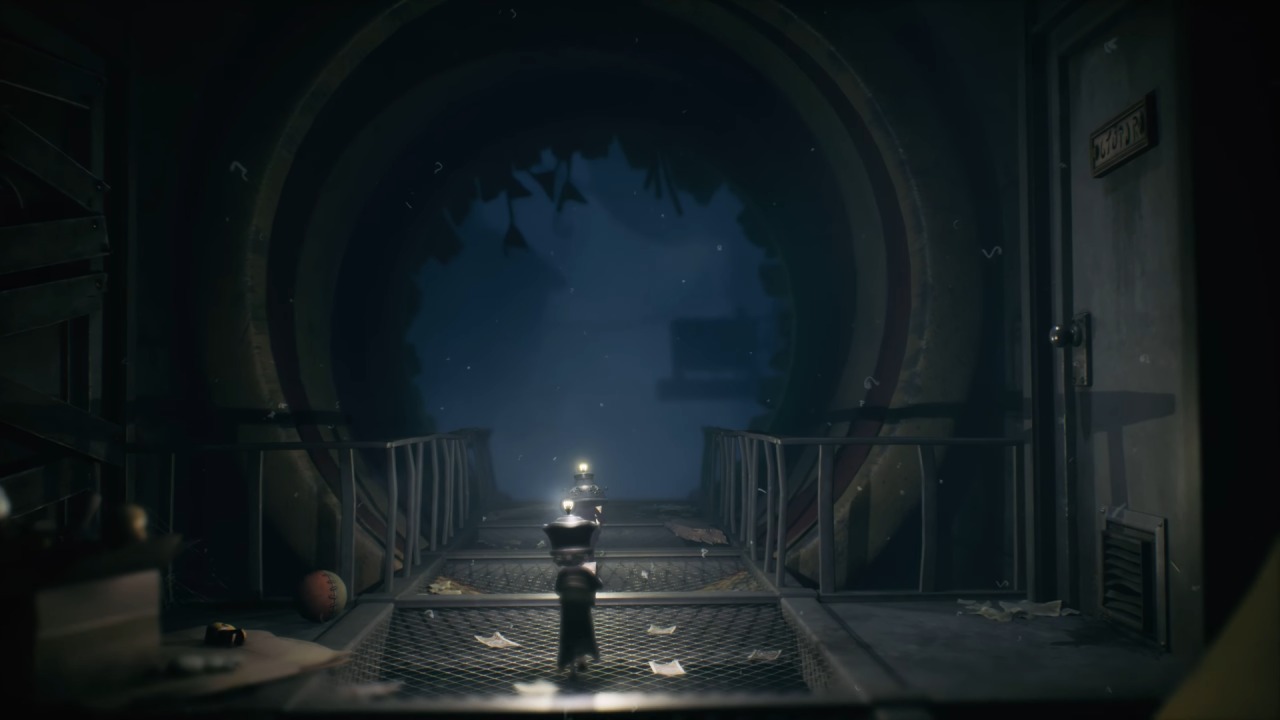
You need to complete different regional trials to unlock hidden pathways.
The progression loop of Little Nightmares III - The Backstage is so dependent on how much you’re willing to take on the linear trials and environmental riddles that each zone throws at you. Every room you pass through grants you a little more narrative context and opens up the next dark landscape. The completion of a specific set of tasks in an area functions as the main engine, moving you at a consistent pace toward the chapter's final cliffhanger.
Your success is tracked strictly through physical changes in the environment, where activating mechanisms or finding hidden items grants you access to the next part of the carnival. The system encourages you to explore every nook and cranny, as the clues needed to drive the journey forward are often hidden directly on the walls or beneath your feet.
This expansion also changes how the third game's overall story feels, giving the narrative a much clearer, more focused sense of purpose. A new protagonist is introduced, and her goals are tied to the mystery of the main campaign, so the progression feels incredibly meaningful. It gives you a clear path forward and carries you from simple exploration into deeper curiosity about the wider universe's lore.
No microtransactions, no paywalls, no digital XP grinding systems; the entire experience is earned through your own cleverness and exploration. This ensures the progression is tightly linked to the gameplay, making the end of the chapter feel like a real achievement, earned by keeping your cool under immense pressure.
The lighting is dark, and the environment always gives a feeling of vulnerability.
The visuals are easily among the most memorable parts of the entire experience, using a dark, highly textured aesthetic to bring the rotten underbelly of the carnival to life. The character designs, the towering rooms, and decaying background details are beautifully grotesque, always leaving the setting feeling unsettling.
With a minimalist color scheme, the art direction captures the feeling of wandering through an unsettling, forbidden space perfectly. The developer does some fantastic things with lighting and shadow, especially when you use your lightbulb to cut through the oppressive darkness.
These dark spaces lend a strong sense of vulnerability, while the rare moments of mechanical background lighting effectively highlight the industrial, creepy architecture of the backstage. Every new room you find yourself in looks like a beautifully detailed, macabre dollhouse.
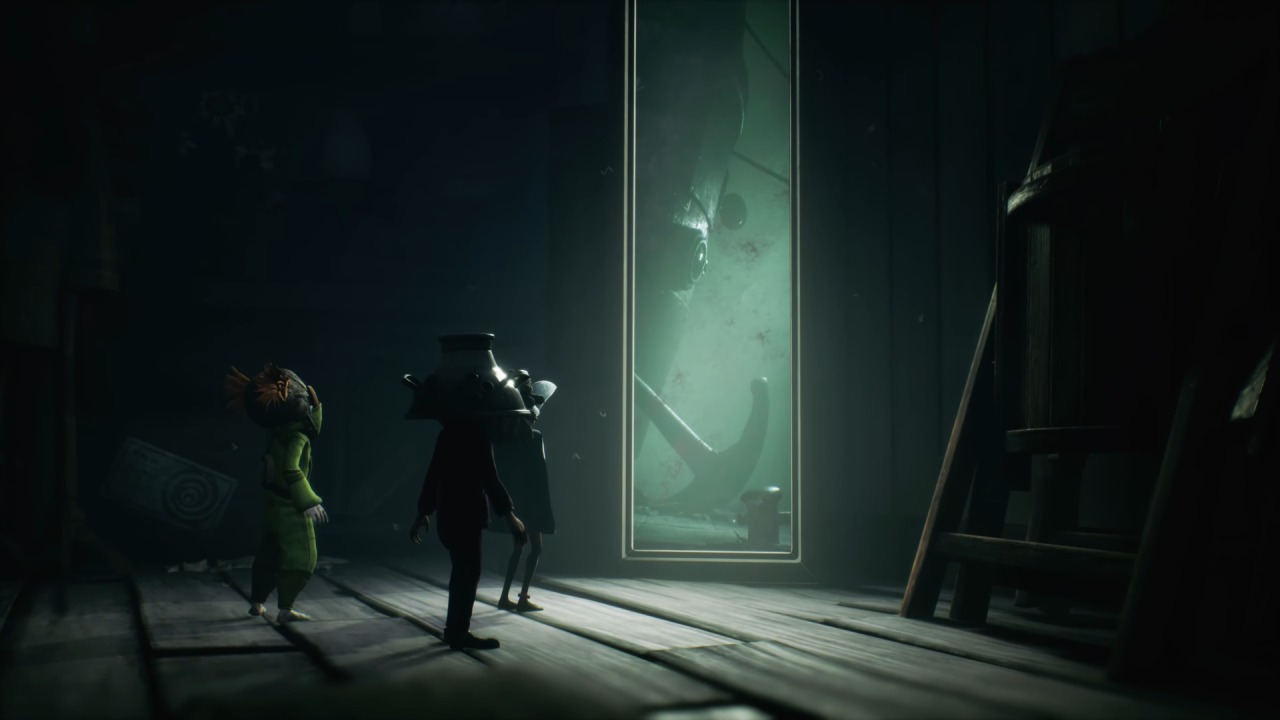
The sound design perfectly fits the art style as the game uses a very minimal soundtrack that favors ambient noise and silence over loud musical tracks. You are constantly surrounded by low hums, distant whispers, and bizarre industrial groans that create a huge amount of psychological tension.
While the audio lacks some of the iconic, terrifying screams from the first games when caught, it still creates a very lonely feeling in Little Nightmares III - The Backstage. The performance on the Xbox Series X is good, with the game targeting a smooth 60 frames per second, so maneuvering your camera through the dark, detailed rooms feels fluid and snappy.
Sure, you may notice the odd awkward animation or small visual hiccup when engaging with a particular puzzle item, but the overall technical performance is solid enough not to get in the way of the stunning and creepy art direction, which can shine without any frustrating frame rate dips.
Editor, NoobFeed
Verdict
Little Nightmares III - The Backstage is a brilliant, bite-sized nightmare. By ditching the main game's safety for cramped spaces and slow-burning dread, it successfully revives the franchise's raw, surreal horror.
88
Related News
No Data.