
Dark December Review
PC
Dark December is a free-to-play ARPG that bends genres, respects your time, and quietly separates itself from Undecember.
Reviewed by Mahi Araf on Feb 02, 2026
Dark December comes from Needs Games, the same developers behind Undecember, and that history matters more than you might think. Undecember launched back in 2022 and made waves largely because of its rune-based skill system, which let you do some truly unhinged things with builds if you were willing to experiment.
For a while, it was one of those games you and everyone you knew were messing around with, pushing systems to their limits just to see what would break first. Eventually, though, time moved on. Updates slowed, interest cooled, and for a lot of players, it became one of those ARPGs you just remember fondly but don't play.
Dark December exists in that same universe, but it is not trying to be Undecember 2. It is a prequel, sure, and there are some shared threads like lore and a trimmed-down version of the rune system, but this is a very different beast in more ways than one.
Instead of locking itself into a traditional top-down ARPG camera like Diablo or Path of Exile, Dark December shifts into a more flexible, third-person floating perspective that feels closer to something like an MMO. That changes how the entire game feels in your hands, and it immediately sets expectations that this is not just a reskin or side project.
At its core, Dark December drops you into the role of a Syrian, a character born from the plans of the twelve gods. Depending on how you want to look at it, that makes you either special or cursed. These plans were never fully explored in Undecember, and here they serve as the backbone for a story that pushes you through new regions, biomes, and encounters.
You are doing all the usual ARPG things along the way, killing monsters, looting gear, and assembling ridiculous builds, either solo or with friends.
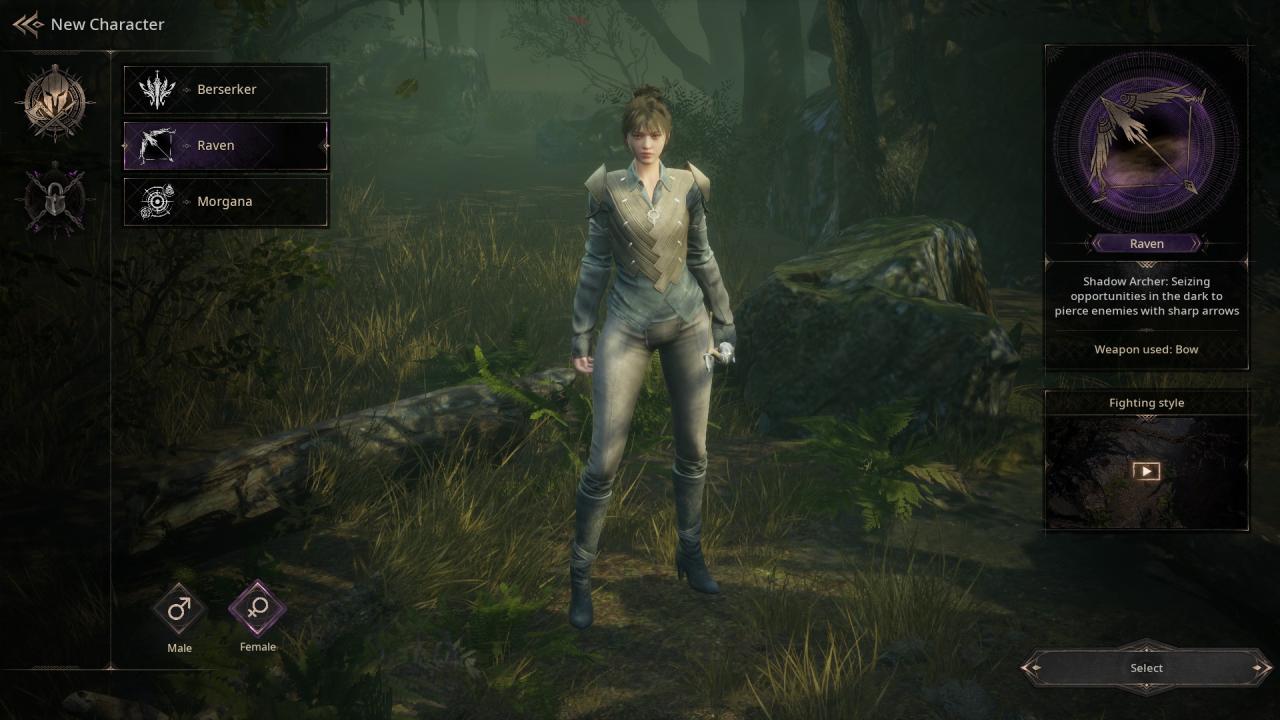
From the moment you start, Dark December is straightforward about what it wants to be. You work your way through a campaign that moves zone by zone, with each area capped off by a boss that you must defeat before moving on. You begin by creating a character, and at launch, there are three classes to choose from.
You have the Berserker, the Raven, and Morana, which boil down neatly into warrior, ranger, and mage archetypes. None of these classes is gender-locked, and character creation lets you adjust face type, skin tone, and hair options before you jump in. It is not the most in-depth creator you will ever see, but it gives you enough control to feel like your character is yours without dragging the process out.
Once you are in the game, the core gameplay loop reveals itself pretty quickly. You move through zones, fight packs of enemies, and steadily unlock new skills as you level up. Skills are bound across familiar keys, and early on, you are limited to basic attacks and movement until you start unlocking your kit. Potions for health and mana sit on their own keys, and extra consumables can be slotted in as needed.
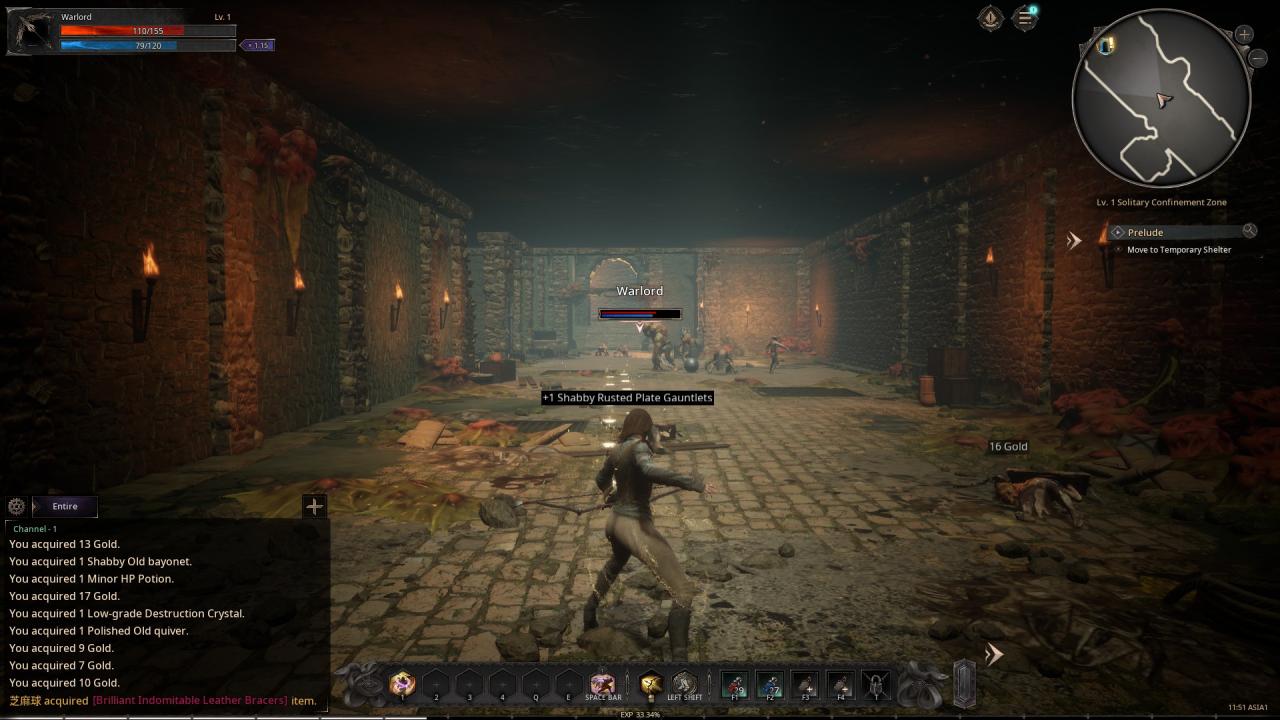
There is also a portal ability that lets you return to town once it is unlocked, which becomes a huge quality-of-life feature later. Combat in Dark December is heavy on purpose. Attacks are planted, which means that when you decide to swing a weapon or use an ability, you mostly stay still. At first, that may sound limiting, but it makes combat feel like it has an effect that many faster ARPGs don't have.
When you hit something, it feels like it matters. As you unlock more abilities, movement skills, and dodges, combat opens up without losing that grounded feeling. You can dodge-cancel out of attacks, which becomes essential when bosses start throwing out telegraphed mechanics that will absolutely kill you if you ignore them.
The Berserker is your classic close-range powerhouse. Wielding a massive two-handed sword, this class excels at single-target damage and absolutely melts bosses once you get your rage generation and spenders online.
You have access to familiar tools like whirlwind-style attacks, chain pulls, and heavy-hitting strikes, added with elemental effects like fire.
The trade-off is mobility. Clearing large packs of enemies is slower, and repositioning takes more effort compared to the other classes. You feel unstoppable against bosses, but you pay for that power when it comes to map clear speed. The Raven sits on the opposite end of that spectrum. This stealthy, bow-wielding class is all about mobility and efficiency.
You clear maps fast, grouping enemies together and wiping them out with area attacks, summoned crows, spinning blade abilities, and arrows. Dodge rolls and teleport-style movement let you dance around the battlefield, and switching between single-target and multi-projectile basic attacks gives you flexibility depending on what you are fighting.
Bosses take longer compared to the Berserker, but the difference is noticeable without being painful. The mage Morana fits in well in the middle. This class is good at both area control and single-target damage, and it focuses on fire and poison. You drop pools of poison, put down sigils that set enemies on fire, and call spirits that deal elemental damage.
Cooldowns are the main limiting factor here, so timing and positioning matter more than button mashing. When played well, the mage feels versatile and adaptable, capable of handling both bosses and dense packs without excelling too much in either direction.
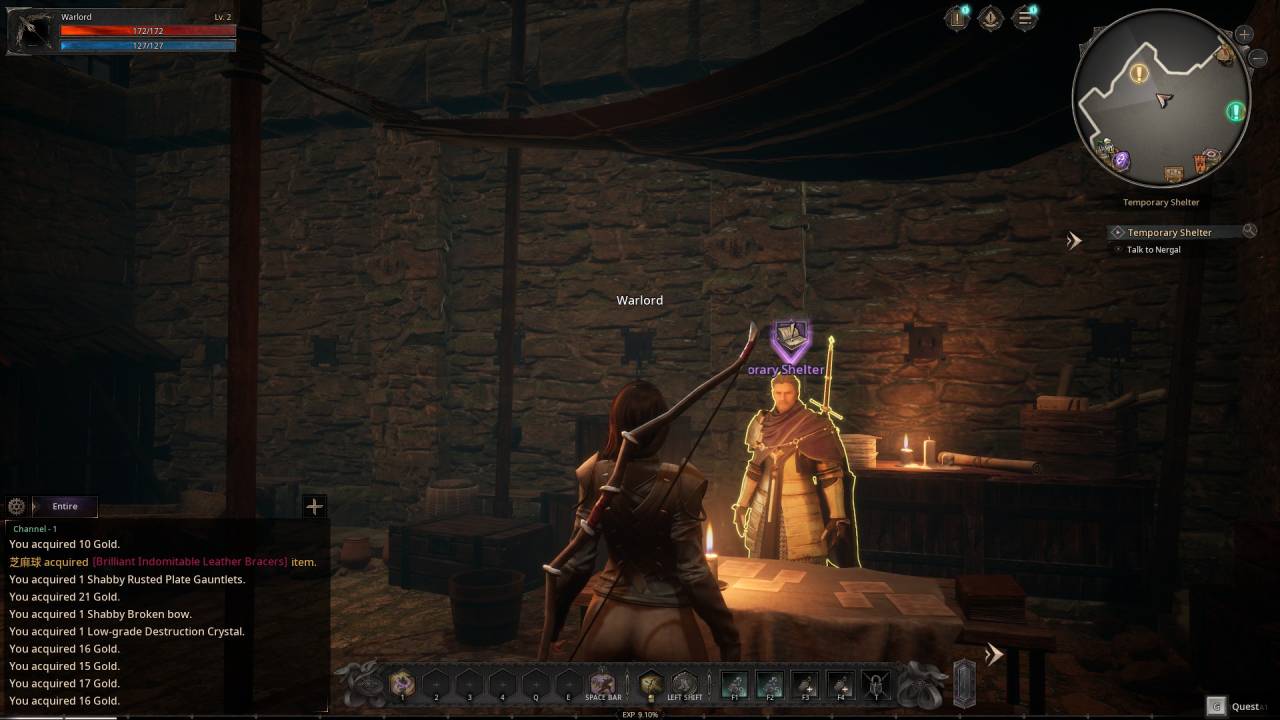
Progression ties all of this together. As you complete quests, both main and optional, you earn experience, loot, and upgrade materials.
Questing doesn't reinvent the wheel. You go from hub to hub, and if you want, you can do side quests. The main story pushes you forward all the time. It seems like a deliberate choice that the quest structure itself doesn't have any real creativity or depth. Loot follows a familiar rarity system, starting with white, blue, and yellow items early on and moving into higher tiers as you progress.
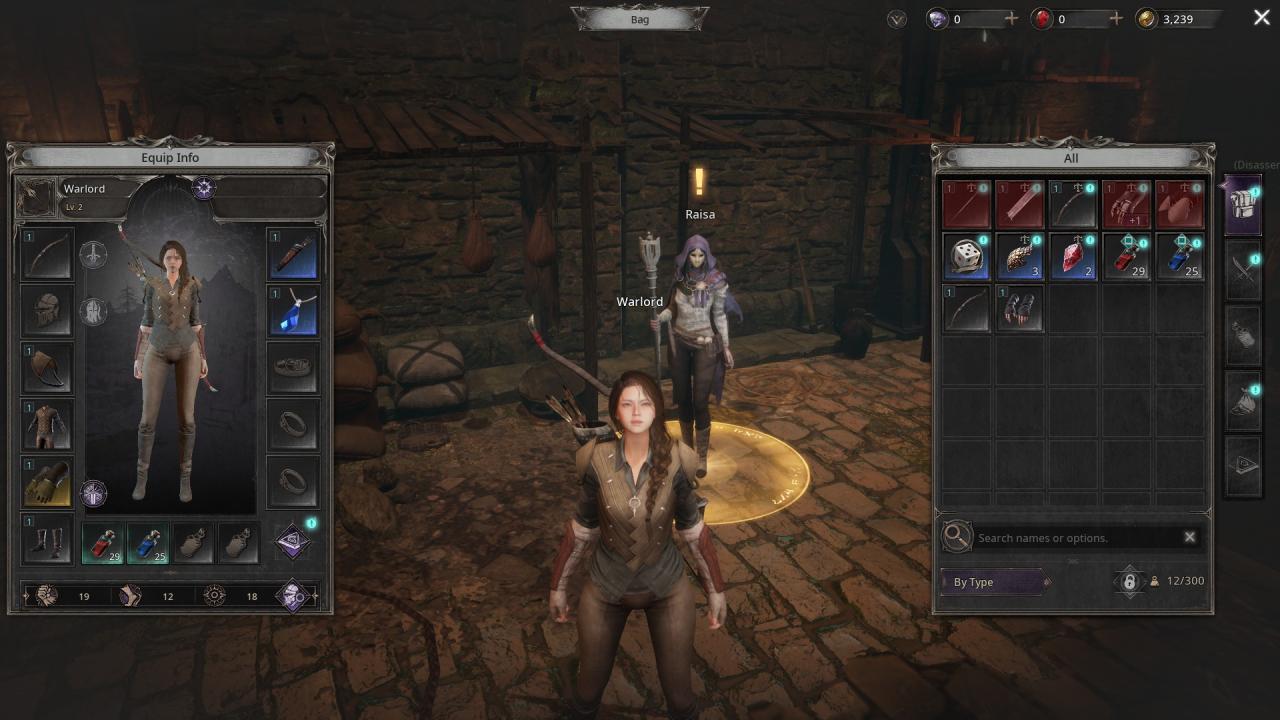
Gear stats are exactly what you would expect from an ARPG, things like attack damage, critical rate, resistances, life or mana on kill, movement speed, and armor. The important part is how gear progression is handled. You can upgrade items, transfer investment from old gear into new gear, and disassemble unwanted drops for resources. Nothing feels useless. Every item either improves your build directly or feeds into a system that might.
Like in games like Lost Ark, upgrading gear is a random process that can fail. The main difference is that it feels fair. Failures happen, but they don't keep happening over and over or stop progress for long periods of time. You lose once or twice, but you keep going. Compared to Undecember, skill progression is also easier.
Instead of always looking for skill runes, skills unlock when you reach certain levels. Runes still exist and can modify those skills, but they don't drop as frequently as in Undecember. Once a skill is unlocked, you invest points into it, strengthening its effects and shaping how it behaves. Skills are currently capped at level 20, and support runes can further enhance them by increasing damage, reducing mana costs, or adding other effects.
Mastery adds another layer.
After completing the first chapter, you unlock mastery points through consumable items. These points let you invest in rows of passive bonuses tailored to your class, such as increased elemental damage or survivability stats, among other things. Choosing one node locks out others in the same row unless you reset, forcing you to commit to a direction.
After the campaign is over, Dark December goes into its endgame systems. You will be dropped in dungeons where you can chain encounters to fill progress bars and call bosses to get big loot drops. The Hall of Oblivion is like a boss rush; it throws enemies with huge health bars at you and tests both your build and your skills. Raids and dimensional rifts add co-op content for up to four players.
The endgame is easy to get into, which is one of the best things about Dark December. You can jump in, make real progress, and log out without feeling like you have to spend hours upon hours. If you have a lot going on in life, that design choice is especially appealing. Every session seems worth it. Social systems round things out.
Guilds are more involved than expected, offering customization options, donation mechanics, and guild-wide buffs unlocked by leadership. Leaders can set requirements and expectations, making it easier to find groups that align with how you want to play. Monetization is exactly what you would expect from a modern free-to-play game.
You can download and play Dark December without spending anything.
A shop offers cosmetics, consumables, kits, and upgrade materials. A battle pass follows the standard model, rewarding you for completing tasks, with a premium track offering extra rewards. Nothing here feels surprising, and during hands-on time, nothing screamed pay-to-win.
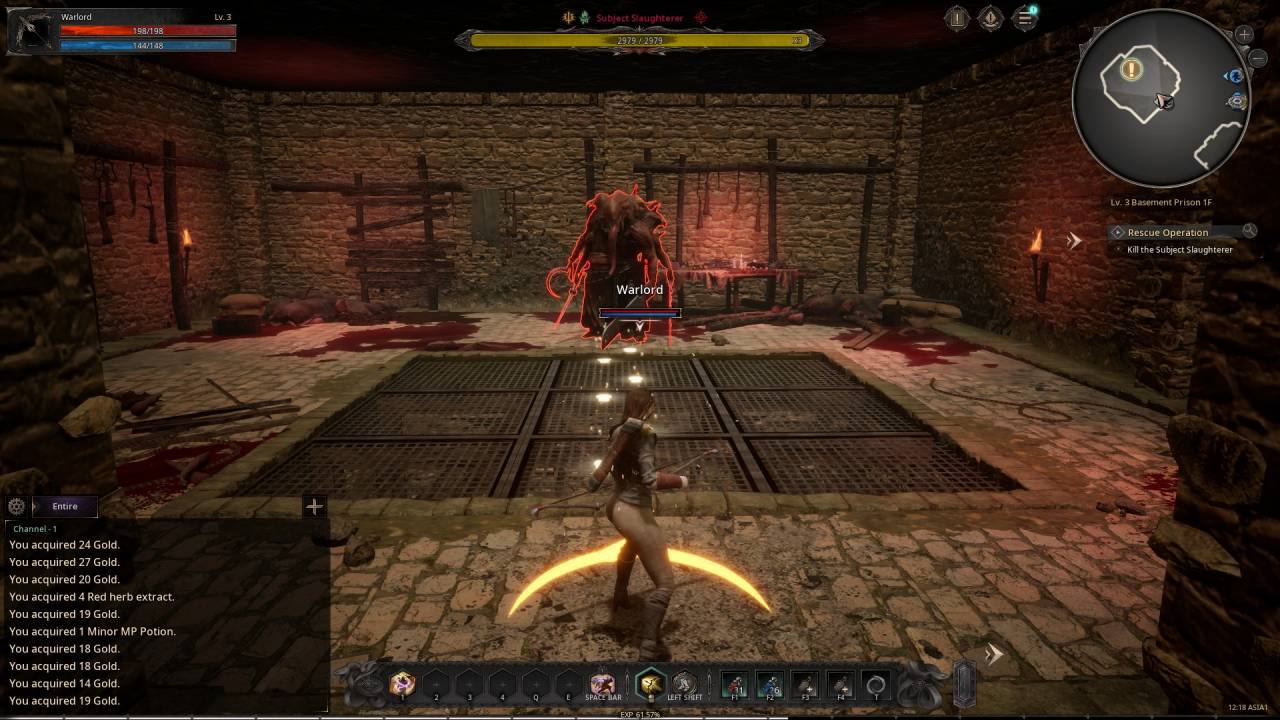
Dark December looks good without trying to be flashy. The environments are different, the enemies are easy to read, and the combat visual effects are clear enough. The gear designs are useful, and if you care about how your character looks, you can even turn off the helmet's visibility.
Sound design does its job quietly. Combat hits have weight, abilities sound impactful, and music supports the atmosphere without overpowering it. It is the kind of audio design you notice when it is missing, which is exactly where it should be.
By the time you step back and look at the whole package, Dark December feels like a game that understands its audience. It takes familiar ARPG systems, trims unnecessary complexity, and blends them with MMO-style accessibility and pacing. It doesn't want to take over the genre or change everything. It tries to be fun and not waste your time, and Dark December fulfills that.
Senior Editor, NoobFeed
Verdict
Dark Auction blends ARPG depth with MMO-style accessibility, offering enjoyable combat, fair progression, and flexible play sessions. If you want a loot-driven game that respects your time and feels good to play, this one is worth trying.
70
Related News
No Data.