
The Mound: Omen of Cthulhu Review
PC
A haunting blend of Lovecraftian horror, survival mechanics, cooperative tension and yet, inconsistent design decisions.
Reviewed by Zahra Morshed on Jul 15, 2026
Many companies have been scared to test new ways of developing games, but ACE Team is not one of them. The Chilean developer has always been interested in ideas that put originality before convention, creating experiences that often go against what people expect of a genre rather than simply following it.
The company has gained a reputation for producing weird worlds, odd artistic directions and mechanics that make you wonder and be wary. The Mound: Omen of Cthulhu is a project based on this creative identity that seeks to reimagine Lovecraftian horror via the lens of cooperative survival rather than the traditional approach of delivering psychological stories.
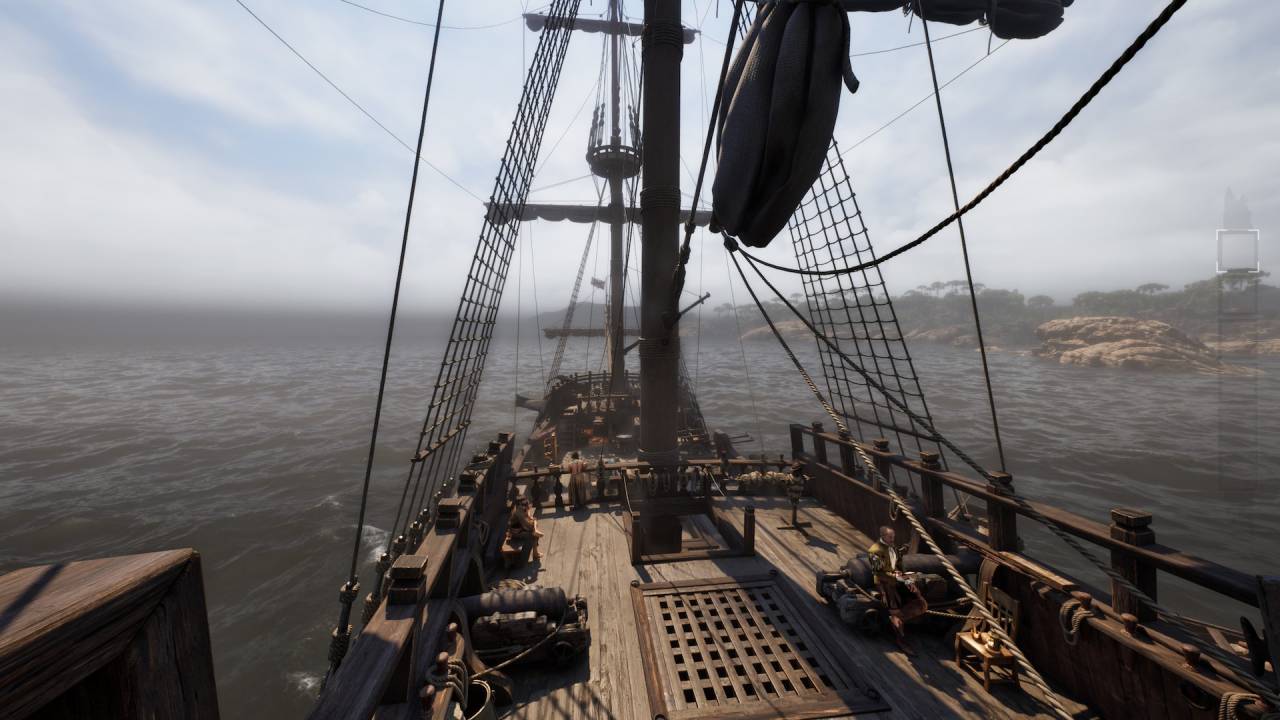
This isn't simply another straightforward action adventure with cosmic terror; it is a journey back to the 1600s, when Spain was dispatching missions across South America. This historical context allows the supernatural elements to shine in a strong way, linking colonial ambition, avarice and forbidden finding to the awful entities that lie beneath the woods.
What immediately sets The Mound: Omen of Cthulhu apart from many modern survival games is its backdrop, which situates supernatural events within a plausible era of exploration and conquest.
The Mound: Omen of Cthulhu is interesting not only for its use of Lovecraftian mythology, but also for its attempt to make insanity an active element of the game rather than just part of the tale. Fear is organized to alter perception, collaboration and decision-making in one go. It makes people rethink not just their surroundings but their own feelings as well. This notion offers a frightful encounter grounded in uncertainty rather than predictable jump scares, generating a psychic pressure that goes beyond simply fighting foes.
But ambition often imposes high standards demanding equally faultless delivery. Every new, innovative mechanic raises the bar for the other systems to meet, and finding the appropriate balance becomes the main difficulty of the whole experience. The Mound: Omen of Cthulhu is a perpetual flip-flop between exciting new discoveries and tiresome repeats, with fantastic moments sometimes intermingled with disappointing design choices. It is this contrast that ultimately defines it, making it hard to dismiss but also hard to recommend without severe reservations.
Set during the Spanish conquest of the New World, the plot revolves around a band of immoral explorers driven by money, redemption and keeping alive. As they journey deeper into the Valdivian woods, they unearth more and more troubling evidence of an old society that lived long before recorded history, connected to banned cosmic creatures.
The Mound: Omen of Cthulhu does not present the adventurers as heroes; instead, it is obvious that the major characters are flawed individuals whose actions will have ramifications far more dire than the riches they want. The plot unfolds through environmental finds, journals, relics and scattered historical records instead of long cinematic scenes.
The limited story structure promotes exploration and maintains the mystery, allowing you to piece together the greater picture without providing the answers up front. Forgotten civilizations and rites are slowly emerging to the surface, which adds to the creepy ambiance. With every new discovery, there are even more questions about the powers in the bush.
Maybe the finest choice for the tale is The Mound: Omen of Cthulhu's approach of separating the native civilization from the cosmic horrors that befall the mission. Instead, the game provides an entirely other source for the unknown threat and demonstrates how local populations have been present in the past, rather than employing basic clichés.
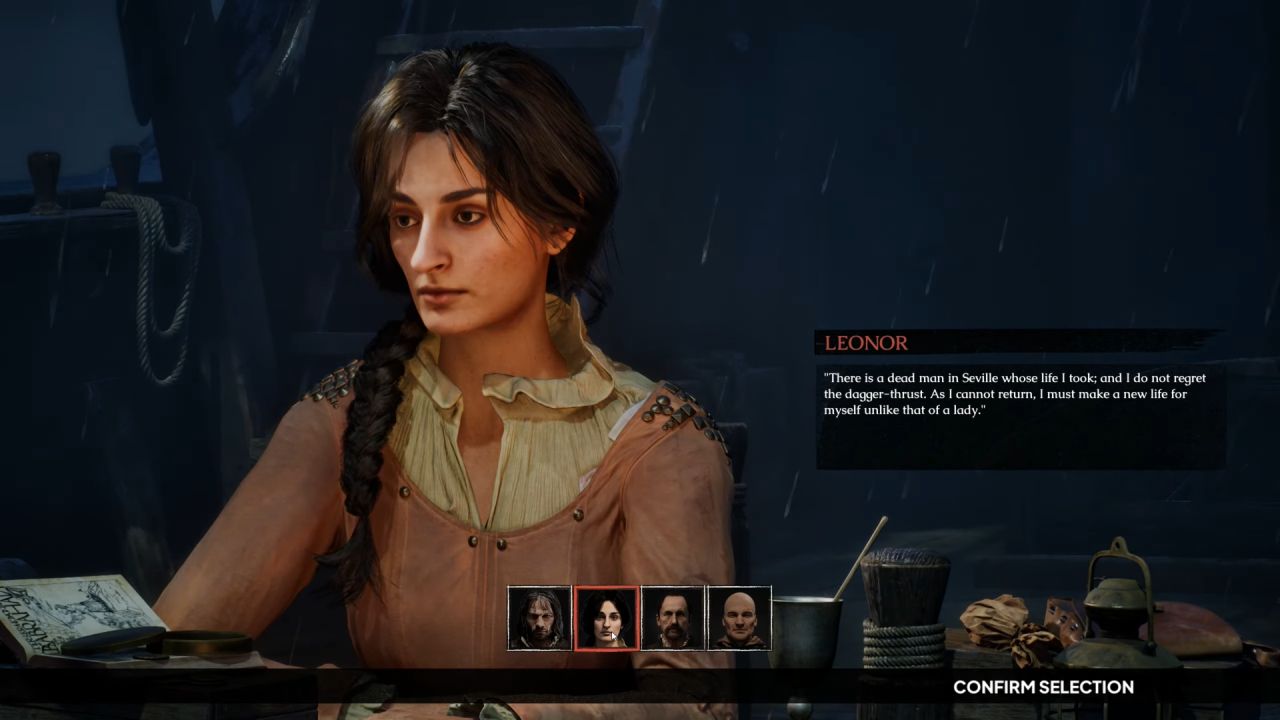
There are colonial attitudes sprinkled throughout most of the setting, but the game avoids reducing real historical cultures to handy monsters and is more sensitive than many other Lovecraftian adaptations.
But some elements of the tale occasionally struggle to keep up with the game's framework.
Repeated voyages are tightly tied to story progression, meaning that dramatic momentum often comes to a halt as goals are attempted again or failed again. The tale itself is still engaging, but the pace is often slowed down by repetitious situations, which prevents the emotional commitment from increasing consistently. The destination is still exciting, but the trip can seem endless before you really discover anything of interest.
The Mound: Omen of Cthulhu is primarily about group adventures, where planning is just as crucial as performing the thing. Each mission begins with the selection of a contract, including the aims, available gear and expected rewards for the expedition. It continuously reminds you that every choice has long-lasting implications, making planning a crucial element of life rather than a nice-to-have.
This is in stark contrast to just encouraging you to explore without thinking. Instead of giving you complete reign over their loadouts, the contract system imposes an odd limitation by allocating specific pieces of equipment. This makes people more flexible on paper and forces teams to split up tasks based on resources and not opinion.
One explorer may be the main fighter, while another carries extra supplies or lighting. In this manner, cooperation does not feel like a forced imposition, but more like a natural aspect of the journey. Another crucial component of development is monitoring inventories, although it can be difficult to tell where strategic boundaries end and more hassle begins.
Space is deliberately tight, and so you are always balancing between weapons, healing items, priceless artifacts and survival gear. This creates a tension for them to make key trade-offs, as each item they discover raises the stakes for potential rewards, but also leaves them less equipped to deal with the perils that still lie ahead in the jungle.
The ox cart is a portable storage system that accompanies the travelers on most of their excursions and assists these mechanics in their work. Theoretically, this is a lovely way of dealing with restricted inventory space, while simultaneously rewarding smart avenues of exploration.
But in practice, the cart occasionally has difficulty keeping up or crossing hard terrain. What was meant to be a strategic collaborator becomes an endless source of problems that hampers the natural flow of discoveries.
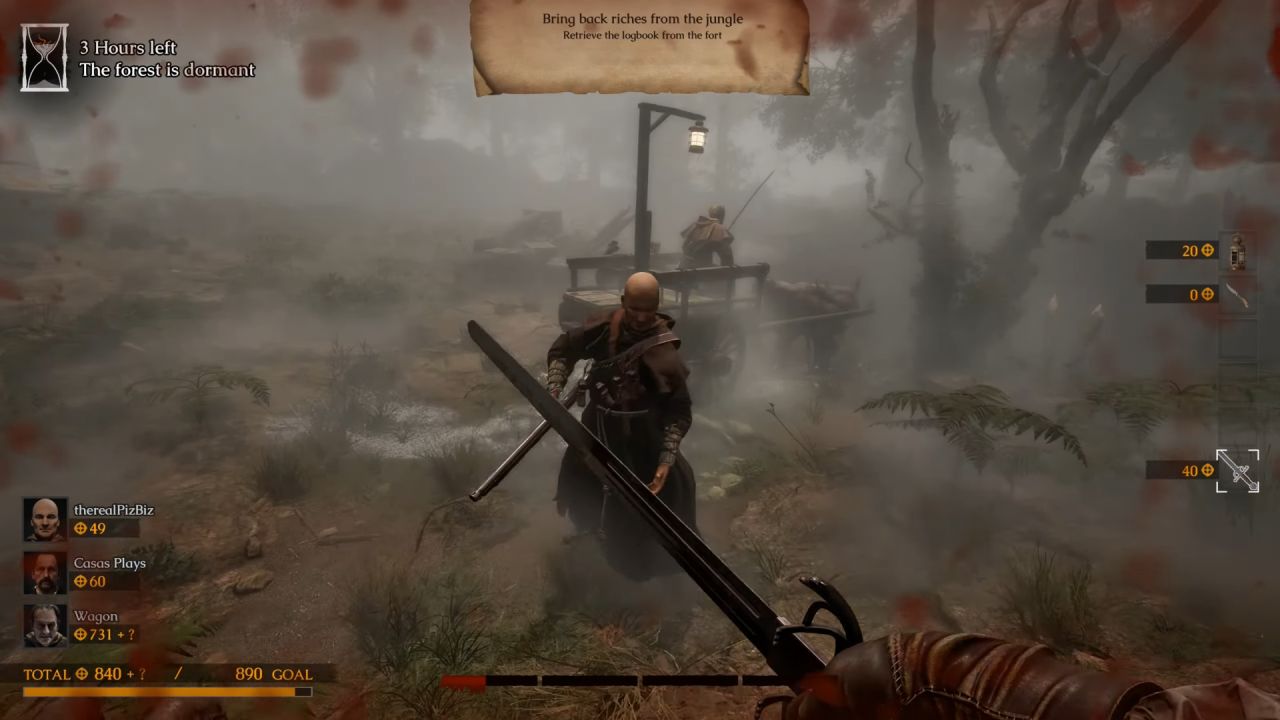
One of the best things about the game design is that it uses sanity as a true gameplay feature, not merely a status effect.
Too much time alone, too much time in corrupted places, or being bothered by enemy forces can gradually cause a person to lose their mental stability, which can cause hallucinations that modify both the world and the way you perceive it. The Mound: Omen of Cthulhu doesn't only use pre-written horrors, but instead makes psychological ambiguity an active obstacle that makes you question the validity of everything you see.
The cooperative structure greatly amplifies this uncertainty because hallucinations do not necessarily strike all participants in the same way. Your close acquaintance might suddenly look like a monster, familiar settings might suddenly seem scary, or innocent objects might suddenly look deadly. These rapid shifts of mentality produce unique moments when communicating with the people is as vital as fighting.
This underscores the central point that losing faith in your own senses can be more perilous than a physical threat. Unfortunately, the impressive mood is spoiled again and again by delay and too much punishment. The number of enemies tends to expand more quickly than the number of tactical possibilities, especially as contracts go on and concealment becomes difficult to maintain.
Overwhelming encounters tend not to motivate you to attempt new things; they tend to encourage cautious repetition, which means success feels like it is about endurance rather than mastery. Difficulty should be growing harder as you get better, but sometimes it feels like it has nothing to do with how good you are getting.
When you play alone, many of these structural faults become considerably more apparent. There is an artificial companion, but it behaves erratically, making it less effective in risky situations. It is quite evident that The Mound: Omen of Cthulhu is intended for cooperative survival, and solitary travelers will have a slower progression, less reliable assistance and a far steeper learning curve. That is to say, there is a gaming loop that is better enjoyed with others, but less fun when played alone.
In most survival horror games, exploration and battling are two different things. But in The Mound: Omen of Cthulhu, they are both part of the same struggle, and each trip calls for careful observation, calibrated aggressiveness and conservation of resources. There are no thorny environmental issues to stand in the way, but the question of how to cross the treacherous terrain is often a riddle in itself.
You have to decode the clues, manage their decreasing supplies and determine if it is worth the rising risk of losing all they have collected so far to travel deeper into the jungle.
Combat is based on the period; therefore, weaponry from the 1600s is more prevalent than fast fire action. Guns inflict fair damage, but reloads take forever, so every shot is a strategic decision, not an easy one. In many encounters, close-combat weapons are your sole means of survival, especially when you have low ammo or stealth is the superior option.
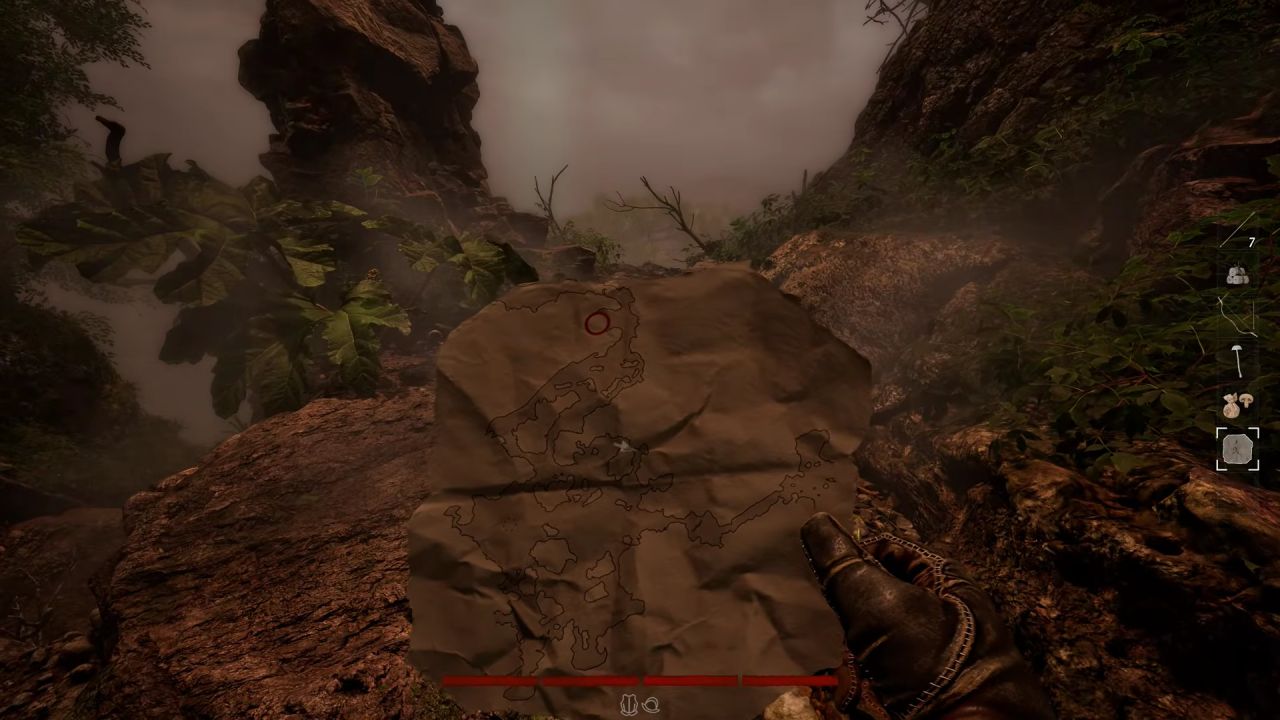
The slower, more deliberate pace makes the character feel more vulnerable and ensures that every combat has actual consequences, instead of rewarding casual violence. Most of the time, being silent is better than direct violence, as loud noises attract more deadly attackers and make the environment more hazardous.
There is a certain satisfaction in sneaking up on opponents undetected and taking them out silently, when done well. But a thoughtless action might easily change a doable adventure into a life struggle that is too hard to manage. The Mound: Omen of Cthulhu rewards you for watching how foes respond before they act, giving them a constant incentive to be patient rather than impetuous.
It is crucial to know your enemy diversity, because the hazards are not simply conventional zombies. There are monstrous monsters, but also corrupted humans, deformed abominations and supernatural beings that cannot necessarily be defeated by standard fighting. Some meetings are best avoided altogether rather than faced. This brings in much-needed variety and prevents every enemy from being just another health bar to wear down.
The psychological factor makes battle still more difficult, and makes even perception itself less dependable. Hallucinations can hide friends, make adversaries look different or turn a commonplace landscape into horrifying illusions, making you hesitate when you could be killed if you don't.
This feature generates real stress because survival depends not just on your ability to employ the mechanics but also on how effectively you can determine whether the threat you see actually exists. There are not a lot of recent horror games that manage to mix psychological instability with real-time gameplay.
Even when the combat is physically performed, it seldom matches the lofty standards of its creative ideals. The weapons do not always provide excellent feedback when they hit anything, which takes away from the satisfaction of a successful attack.
Guns don't feel extremely powerful, albeit they take a long time to reload and sometimes, hit recognition is off in melee encounters, making wins less satisfying than they should be. The concept is amazing, but the feel doesn't always measure up to the potential.
Another issue that keeps coming up is that the defense isn't that great in the game.
You are limited in your options when faced with several enemies. In many circumstances, the only thing that can be sensibly done is to flee. This design really makes you feel more exposed, but also irritates you when there are large numbers of adversaries, making it impossible to make effective tactical judgments. Horror should come from intelligent pressure, not situations that are mathematically stacked against you, no matter how prepared they are.
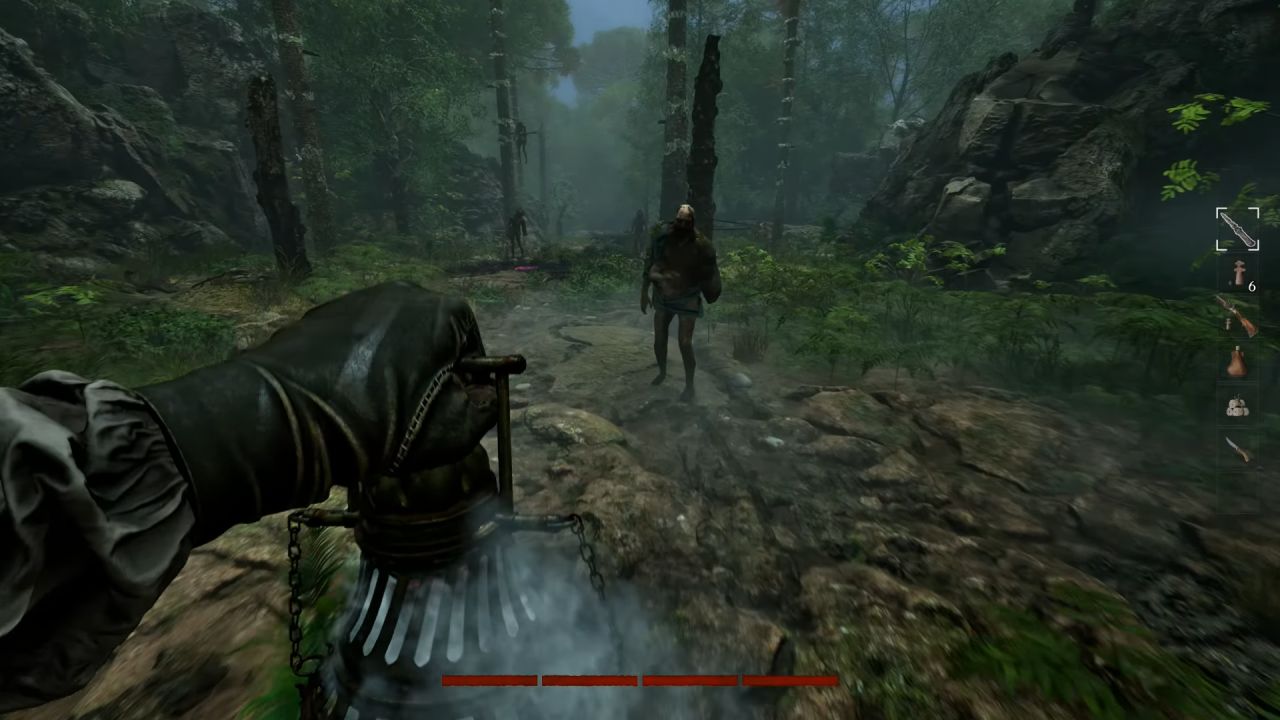
The Mound: Omen of Cthulhu's strongest attribute was that it was driven by mood, not spectacle. Fights are remembered for their emotional weight, not for spectacular action scenes. You do not know what will happen next, you have few resources and you feel stressed all the time. Very few co-op horror games manage to make communicating with each other a crucial aspect of survival. Here, it never feels forced, but it feels organically valuable to do so.
Resource management also gets a lot of respect, as it always helps people prioritize what is important, not just numbers. Decisions like carrying additional loot, keeping healing supplies, or equipping another weapon provide a continuous flow of strategic dilemmas that keep The Mound: Omen of Cthulhu exciting for most of the quest. If every slot in the inventory has a potential cost, preparing always modifies the nature of future meetings.
Unfortunately, these strengths are often hidden by concerns of balance. The quantity of foes typically exceeds the equipment capacity, especially later in the contract, where repeated failures can swiftly deplete precious resources. Instead of encouraging people to improve by trying new things, the trouble often leads them to do the same thing over and over again until better conditions arise. It gets harder to distinguish between challenging and tiresome as you go along.
It is even worse when you are playing solo. Your AI mates do not bring in nearly as much as human partners do. The supporting AI is less beneficial for the problems with navigation, unreliable combat support and inconsistent awareness, making already challenging battles even worse. Independent play feels more like a challenge run with no help than as another option, since many basic aspects seem to assume people will work together.
Reward system tiers form the basis of progress.
Successful excursions reward experience points, currency and permanent unlocks that make future alternatives more available. The treasure on contracts directly impacts the incentives earned, making explorers choose between their own safety and better financial rewards. This risk/reward dynamic makes all expeditions stronger, since getting out early means survival, and pushing further into hostile territory means a whole lot more long-term progress.
Characters earn decorative rewards and useful enhancements as they level up. As they acquire money, they can buy tools and useful artifacts before taking on new contracts. Things work better over time when you make permanent modifications. Expanding the inventory area. That means that successful trips eventually alleviate some of the challenges that arise during opening hours.
These systems allow you to feel a satisfying sense of progression without detracting from the survival-focused core of the game. But the progression economy suffers when expensive assets are lost repeatedly. If you fail on a journey, you may lose the items you bought forever. This can lock them in an awkward loop where it grows more and more difficult to bounce back from defeat.
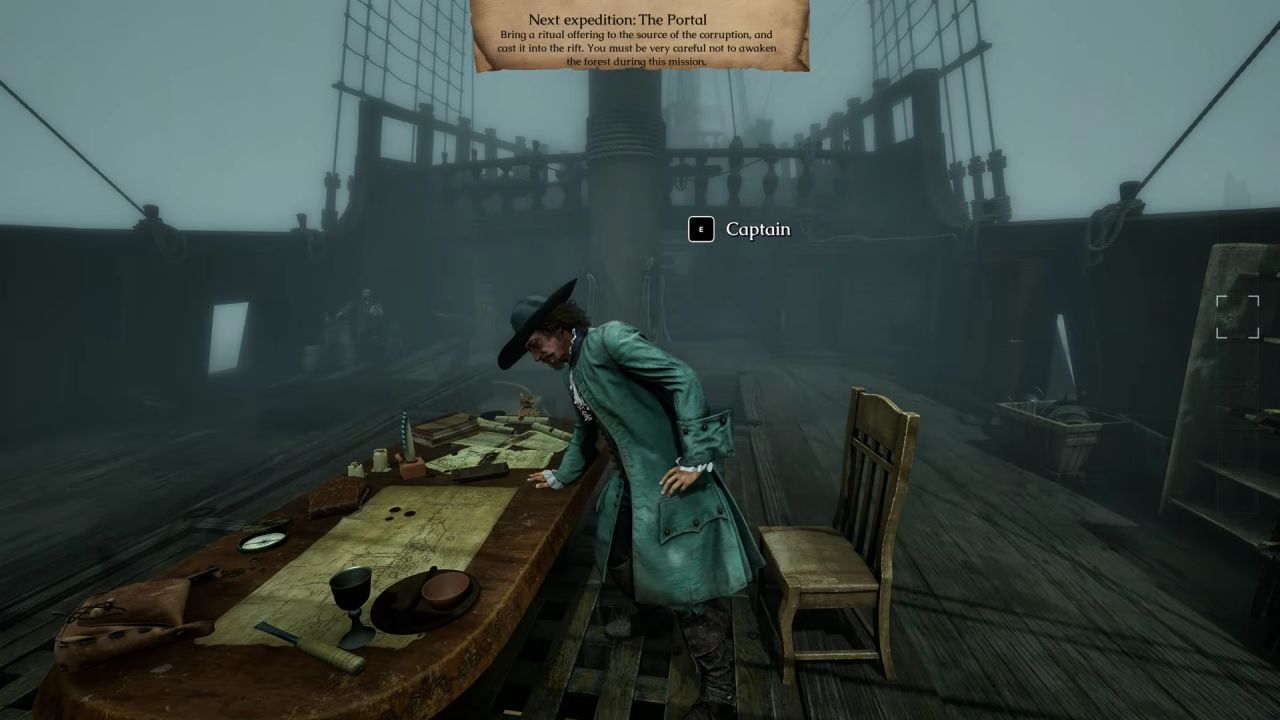
Sometimes the system makes things worse by removing tools that could be used in the future, rather than giving people the opportunity to rebuild confidence after losses. This punishing economic cycle fits the game's punishing mood, but it may discourage perseverance rather than reward it.
Atmosphere-wise, The Mound: Omen of Cthulhu looks excellent. The planet is lonely long before any supernatural threat ever shows up, with deep forests, forgotten temples, ruins and dank caverns. A persistent sense of unease accompanies every excursion. The environment itself warns of danger with its massive scale, low vision and painstakingly constructed intricacies.
The game builds tension naturally through its location, without relying on many visual effects. The art direction is usually grotesque surrealism; thus, the monsters are just incredibly weird, not just grotesque. Even typical conversations might become disturbing spectacles if people have twisted bodies, messed-up proportions and weird ways of movement.
These monsters are not recognizable horror archetypes. This reinforces the cosmic horror theory that the scariest thing you can do is often to face something you cannot quite comprehend.
The innovative design of the foes is one of the best elements of the game's artistic achievements.
Environmental storytelling is significant because old buildings, forgotten treasures and worn-out walkways may silently explain hundreds of years of secret history without having to go into a lot of detail. Each crumbling temple or overgrown shrine is a reminder of the lost societies through time. This keeps the mystery alive and makes people want to know more.
It is like the place has been lived in for a long time before you get there, so exploration seems more like the discovery of old memories than it does fulfilling chores. A hallucination substantially heightens your visual perception, making familiar surroundings appear bizarrely warped. Trees may look alive, friends could seem like monstrous beings for a moment and common landscapes may morph into nightmarish sights, blurring the barrier between fact and illusion.
These changes do not rely on all-too-predictable cinematic tactics. Psychological instability, in contrast, is a world in which participants are constantly losing faith. Thus, terror is constructed by perception, not sight alone.
Great artistic direction, however, at times the technical execution detracts from the visual experience. Texture difficulties, stiff animation, environmental clipping and occasionally flaky performance prevent scenes that should otherwise feel fluid. These faults don't ruin the overall quality of the art design, but they are a constant reminder to you that the experience could have used more development before it was released.
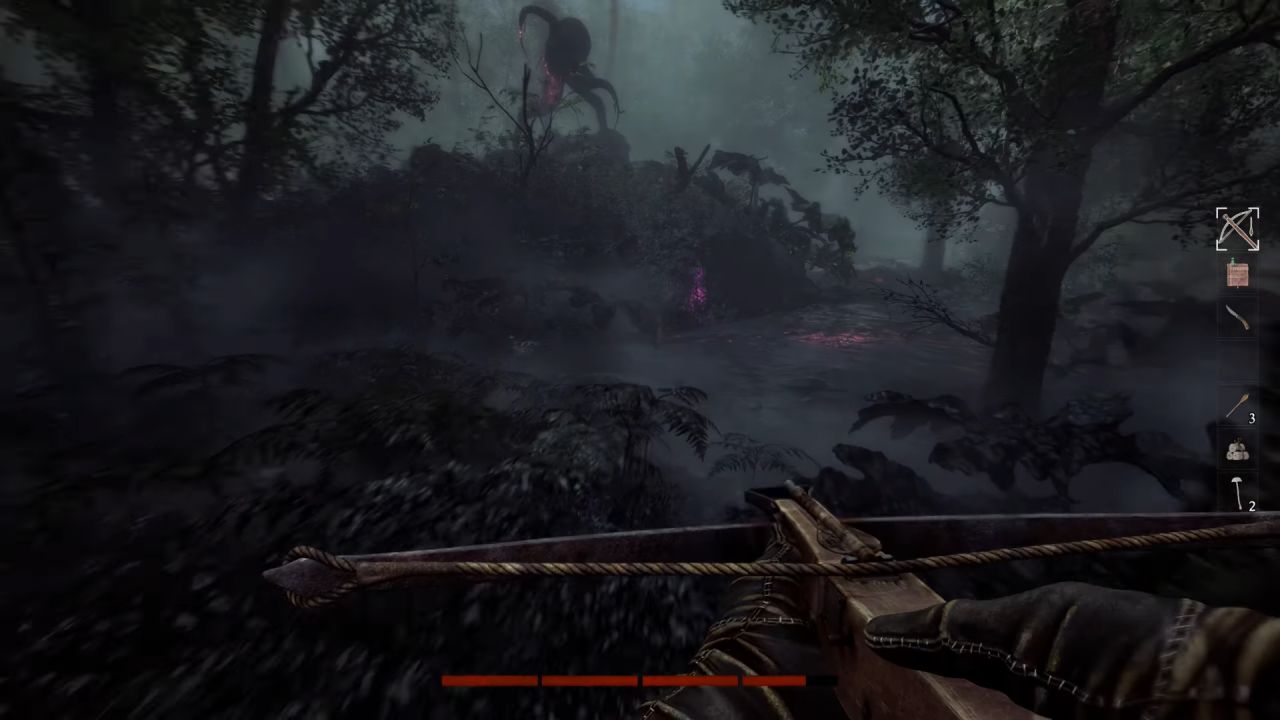
There is a lot of creative vision, but the technological polish doesn't always live up to that ambition. The music in The Mound: Omen of Cthulhu is just as vital to establishing tension, frequently the first thing you recognize that something is extremely wrong. There is seldom a really tranquil audio landscape as rustling foliage, faraway screams, creaking wood and frightening animal calls combine.
The mere sound of quiet becomes unnerving because it feels like there is some danger lurking around the corner that you cannot see. The finest part about The Mound: Omen of Cthulhu is how the sound contributes to the insane system. These are not just visual hallucinations, but are distressing sounds, words that do not exist and misleading auditory cues that constantly challenge your capacity to know where you are in space.
This multi-layered technique turns ordinary conversation into yet another potential source of ambiguity, with you questioning whether every sound is real or just their mental state going to hell.
Psychological horror is so much better when you cannot tell if it is the sight or the sound.
Having voice acting, journals and story findings makes the historical record feel more real and, hence, more emotional weight. These recordings add to the tale quietly without changing The Mound: Omen of Cthulhu's deliberate pace, instead of drowning the experience with a never-ending stream of explanations. Their subdued performance fits the suspenseful mood, ensuring that the stories never get in the way of the exploration, but instead contribute to the mystery of the journey.
But the overall soundscape is not as amazing during the full trip. In the heat of battle, guns and melee feel less powerful as some combat effects just do not have enough of an effect. Sometimes, a rich surrounding ambiance cannot make up for an inferior response in warfare. That means some of the battles do not appear as exciting as they feel.
More robust sound effects during the battles would have made the entire experience much better. What makes The Mound: Omen of Cthulhu special in the end is its willingness to sacrifice comfort for innovation. It refuses to be just another generic co-op survival experience by placing psychological uncertainty, historical context and cosmic terror at the core of every mission.
This artistic boldness is to be recognized for what it is, for original ideas are still worth a lot more than safe reproductions. Even if the execution isn't perfect, it is hard to dismiss the thought behind practically every key design decision.
The best part of the experience is to share it with well-coordinated teammates who are willing to discuss, change and appreciate the unknown that comes with each mission. When individuals share chaos, it becomes fun; when strategic planning provides people a cause to do it, it becomes a group achievement rather than an individual success.
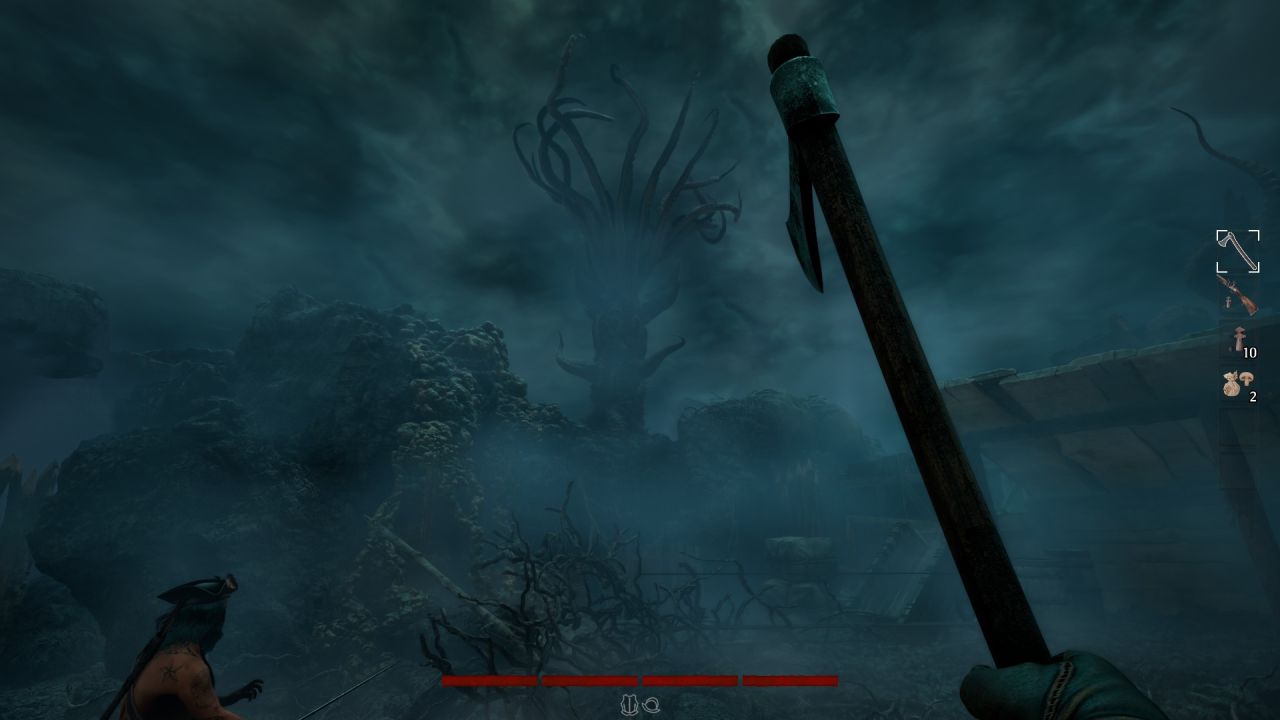
These bits are exactly what the producers were striving for, exhibiting wonderful moments that can make for an unforgettable cooperative horror experience. But ambition alone won't see you through inconsistent balancing, tough technical areas and advancement mechanisms that sometimes confuse irritation with challenge.
Combat has to be more reactive, solo play needs greater support and the difficulty curve needs more adjustable scaling that makes it easier for those of you who are new players, while not making it simpler for veteran groups. These shortcomings, however, prevent an otherwise brilliant endeavor from attaining its full potential.
Despite certain issues, The Mound: Omen of Cthulhu is still a decent horror game for those who prefer atmosphere over spectacle, and mystery over predictable action. There are some interesting psychological theories, a nicely created setting and some unpleasant moments that stick with you long after the voyage is finished. It is not a new idea that separates this ambitious survival-horror trip from actual genre brilliance, but rather a few little modifications.
Contributor, NoobFeed
Verdict
A daring survival horror adventure elevated by exceptional atmosphere and inventive madness mechanics, yet held back by uneven combat, harsh balancing and technical roughness. Best experienced with friends who appreciate challenge and discovery.
69
Related News
No Data.