
I Hate This Place Review
PlayStation 5
It’s a stylish survival horror movie that looks the part but doesn’t really scare you.
Reviewed by Nusrat Choity on Jan 29, 2026
I Hate This Place didn’t start out as a trend-following video game idea; it came straight from a comic book. The game is based on a series of graphic novels by Kyle Starks that were released by Skybound Entertainment. The story is already full of creepy images, strange folklore, and a skewed sense of place.
It’s clear that the developers wanted to bring that identity straight into interactive form, leaning heavily on a bold comic-book style mixed with a clear 1980s horror vibe. I Hate This Place is not trying to be a new survival horror game. Instead, it is a craft-based, isometric experience that takes ideas from classic games in the genre and wraps them in a unique visual shell.
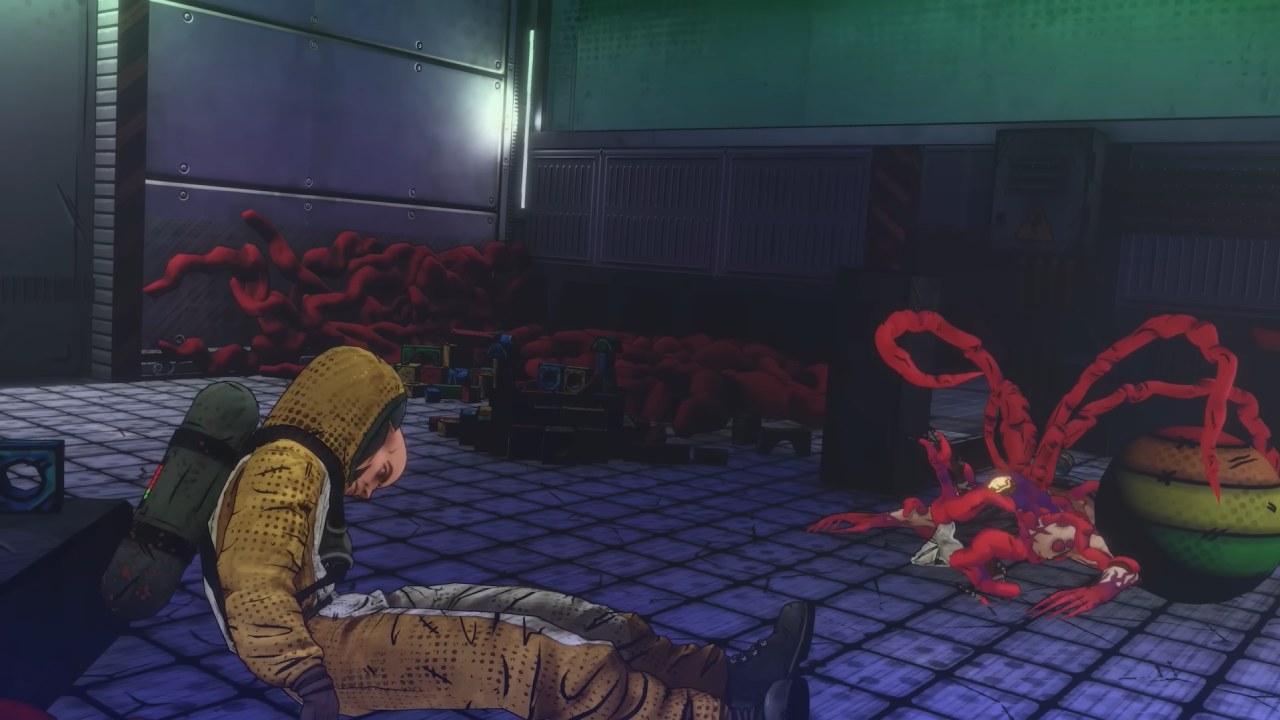
The idea looks good on paper: a cursed ranch, monsters that can hear you, making bases, being stealthy, exploring, and all of this through a stylized lens that makes me think of old horror shows and graphic novels. It’s clear what the goal is. The performance isn’t as even as it seems at first, though.
You play the part of Elena (sometimes written as Elellanena), a young woman who goes back to her family’s cursed ranch to find out what happened to her mother. Something dark and strange holds the Rutherford family to this land, and they can’t get away. You, on the other hand, can come and go, which is strange and makes me wonder why the story is taking so long to answer my questions.
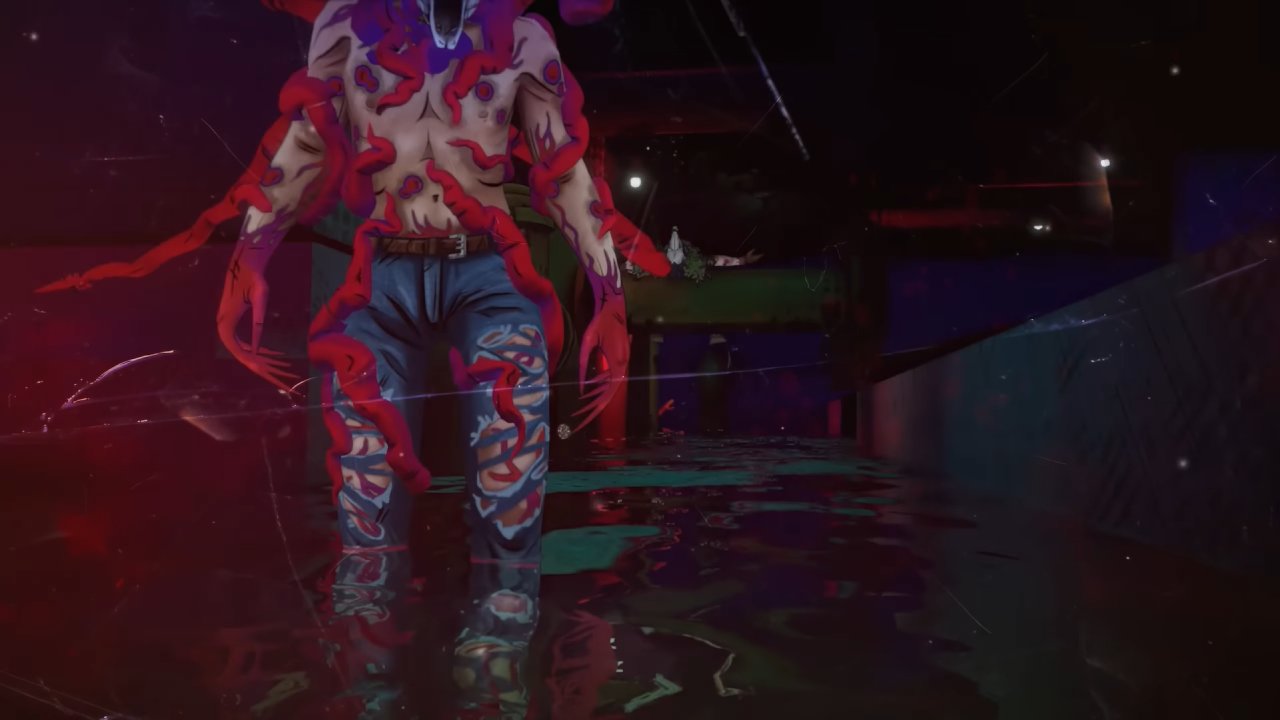
Things quickly get out of hand in the beginning. Someone you trust goes missing, and you find yourself in a world full of monsters, cultists, ghosts, and secrets that have been kept for a long time. At the heart of it all is the mysterious Horned Man, who is seen as the person who cast the curse and caused all the pain on the ranch.
The idea itself is interesting, so that’s not the problem. The problem is with the way the story goes.
A lot of the time, big reveals happen quickly, sometimes during side quests that are easy to miss. Some important story beats feel like they happened by accident, like you didn’t work for them. Because of this, tension is hard to build, and the Horned Man never quite turns into the scary figure that the story seems to promise.
It seems like there is a bigger plot involving secret bases and shady groups, but the plot lines are never pulled together as well as they could be. There are notes and nature stories, but they aren’t enough to make up for the lack of focus. Even worse, after certain story points, some side quests may become hard to finish, leaving unfinished business as the game nears its end. The story often feels strangely empty for a horror game that is based on mystery.
I Hate This Place is a survival horror game with some crafting, sneaking, and light base building built in. You start at the Rutherford ranch, which is in the middle of a mostly open world. From there, you can go to nearby swamps, woods, grain fields, bunkers, and other scary places.
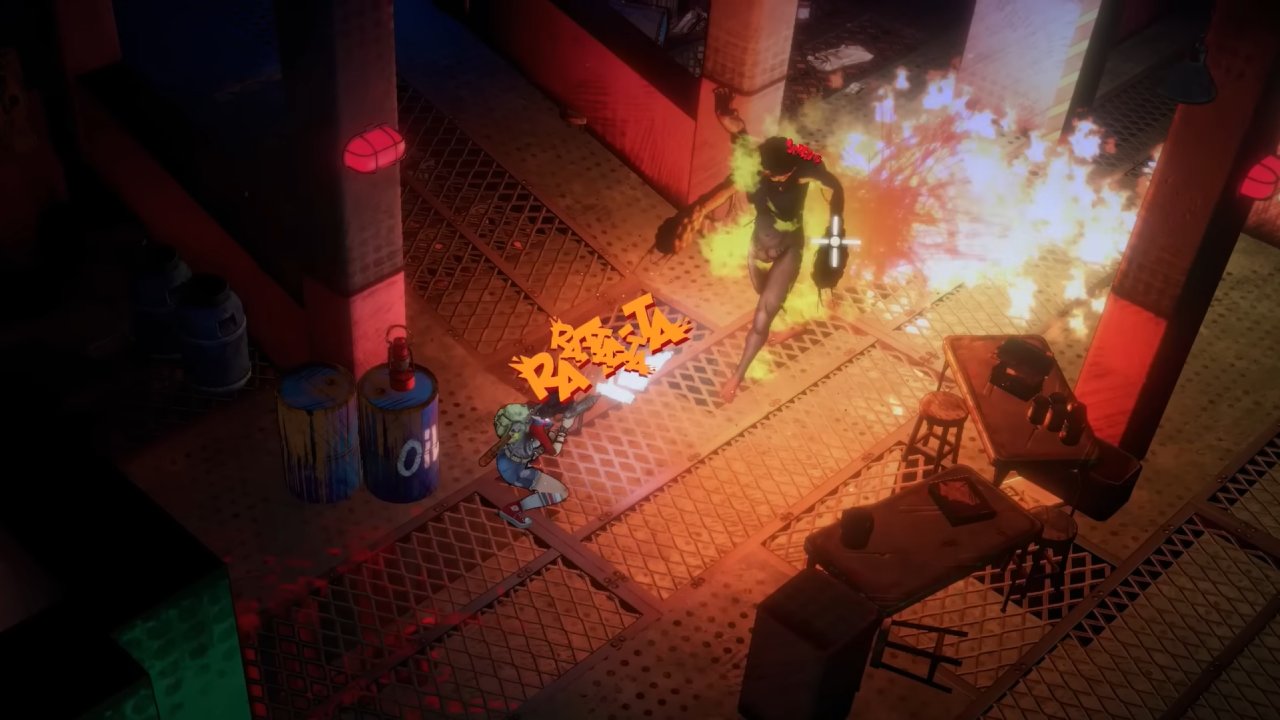
Getting resources is always going on. You’re looking for food, making supplies, weapons, and tools that you need to stay alive. It’s pretty easy to craft things, and blueprints let you get new guns, supplies, and ranch upgrades. There are many of these blueprints hidden around the world, which makes it fun to explore. However, some are easy to miss—once you leave some places, you might not be able to come back.
That choice of design adds stress, but when important gear is locked away all the time, it can feel like punishment.
The ranch is a base-building system where you can build fields, workbenches, scrap piles, and other things. Everything takes time in-game to finish, which makes you want to go outside while the building is going on. On paper, this makes for a nice rhythm, but as the game goes on, the system starts to feel like it’s not being used enough, especially after most of the plans are unlocked near the end of the campaign.
The idea behind combat and stealth is that they should go together, but sometimes they don’t work well together. Sounds are more important to enemies than eyes. Every step, broken glass shard, or loud action is tracked by pop-ups that look like comics and show how much noise you’re making. It’s a smart idea and one of the best ways to tie the theme of the game together.
Stealth can be useful, especially when squatting, using distractions like thrown items, or moving slowly over noisy surfaces. At those times, the game really builds stress. But enemy AI often breaks this method down. Some enemies will keep after you once they know you’re being watched, which takes away from the fun of carefully planning.
Combat, on the other hand, is useful but rarely rewarding. In general, ranged weapons are more stable than melee weapons, which don’t have as much weight or fluidity. It's not always easy to aim correctly, especially with guns that only fire one shot and punish missed shots very severely. I also found it amazing how tough the enemies are. They can take a lot of damage, even from bombs and bullets. This makes a lot of fights into stamina tests instead of tactical ones.
Keeping track of energy adds more trouble. Running, fighting, and avoiding environmental dangers all use up a lot of stamina. A food bar that keeps running out of calories also limits how hard you can work out. Since there is plenty of food, going hungry isn’t usually a problem. This makes the system feel more like work than real survival pressure.
There are many different kinds of puzzles spread out in the game. Some have you reading notes to figure out codes that will let you get new plans, and others are about investigating the supernatural. These parts that focus on ghosts stand out the most.
During these parts, you go into a skewed world where your lantern changes the surroundings and shows ghostly relics from their past. You try to figure out what happened to these ghosts so that they stop haunting people. Even though the answers aren’t always obvious, it’s still fun to find them, even if it takes some trial and error.
However, progression has problems with speed. Once you get a lot of useful plans, you might not be able to use them much longer.
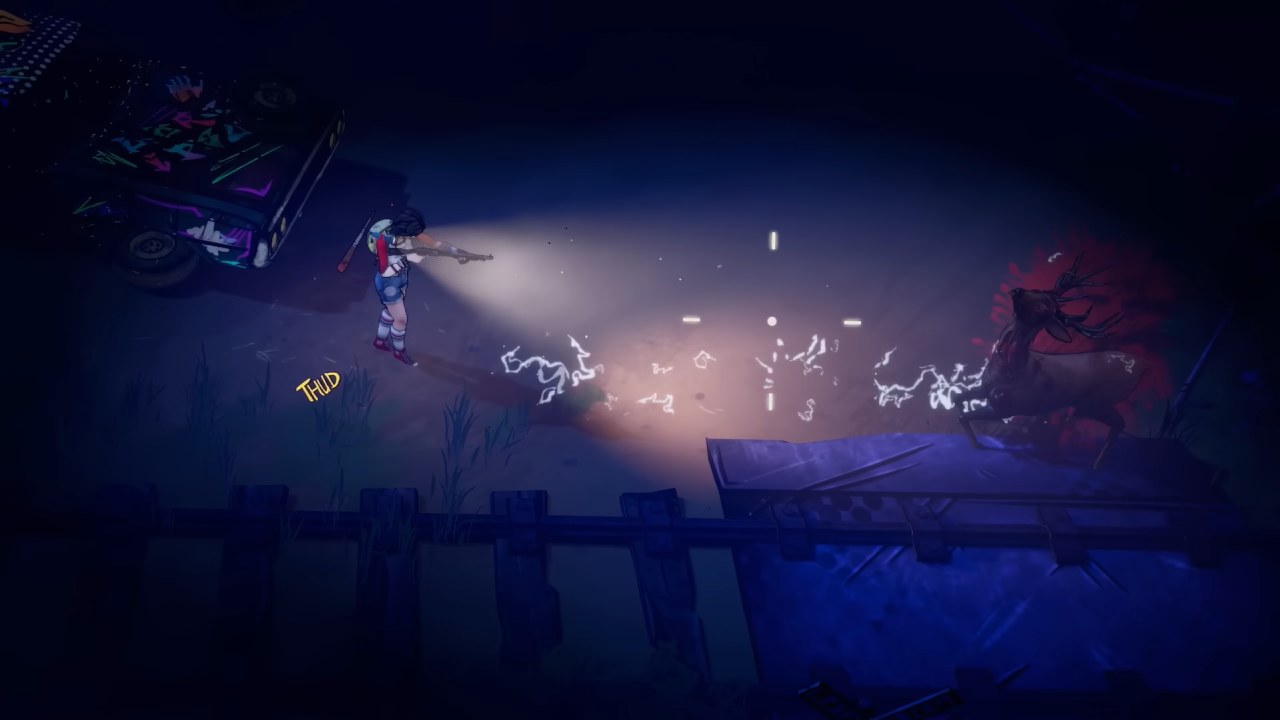
The sense of long-term growth isn’t strong because there isn’t a New Game Plus mode or important content at the end of the game. One of the best parts of the game is the day-night routine. You can feel pretty safe exploring during the day, so you can gather supplies and plan your next move. Nighttime, on the other hand, makes the world a much more dangerous place. As the vision drops and enemies become more aggressive, your flashlight becomes your only way to stay alive.
The scariest parts of the game happen at night, when you have to choose whether to move forward or run away for safety. However, this stress is sometimes lowered by enemies who don’t always behave correctly and by technical problems.
I Hate This Place is beautiful to look at. The bright colors, thick lines, and cell-shaded look do a great job of turning the style of the comic into a game. The world is full of life during the day, but it’s very sad at night. Monster designs, changes to the environment, and cursed settings are some of the best parts.
There are also good things about the menus and user interface. One example is the notebook that keeps track of tasks, maps, and notes with hand-drawn sketches. The strong 80s style brings to mind well-known culture icons without appearing like a cheap copy.
With over-the-top sound effects and on-screen text that goes with each movement, sound design reinforces the comic book feel. These little things give the game charm and help sell its unique tone.
Voice acting is there, but it’s not always clear. Some performances make the music more interesting, while others sound flat or are cut off in a strange way. Voice lines that are missing or don’t match up can sometimes break the atmosphere and make the presentation feel less polished than it should.
The game I Hate This Place has a lot of good ideas that never quite work out. The graphics are memorable, the idea behind the game is interesting, and some of the mechanics, like sound-based stealth and exploring at night, really show potential. But an unfocused story, bad combat, slow progression, and technical problems keep it from reaching its full promise.
It’s not a bad survival horror experience, but it is disappointing, especially when you think about how good the base is. People who like the comic or want a new isometric horror game might still enjoy this, but don’t expect too much.
Contributor, NoobFeed
Verdict
A stylish survival horror with a great atmosphere and a strong sense of who it is, but weak storytelling, rough combat, and unrealized promise let it down. At times interesting, at times annoying, and overall uneven.
68
Related News
No Data.