
Xbox Project Helix Could Change Console Hardware
Comparisons between Project Helix and the 3DO model highlight major differences in software support and market conditions.
XBOX by Nahe Yan on Jun 21, 2026
The rumor mill has been buzzing about Xbox Project Helix and its resemblance to the 3DO model, in which one firm sets up the platform and other firms make the hardware. The concept challenges the assumption that Microsoft's hardware-alliance approach will work in an entirely different market than the one that existed during the 3DO days.
The idea of 3DO was great, but the business dynamics were quite different. The one problem with 3DO was software support. It was not entirely absent, but not powerful enough to be competitive. Meanwhile, game consoles were at the other extreme, with significant hardware subsidies.
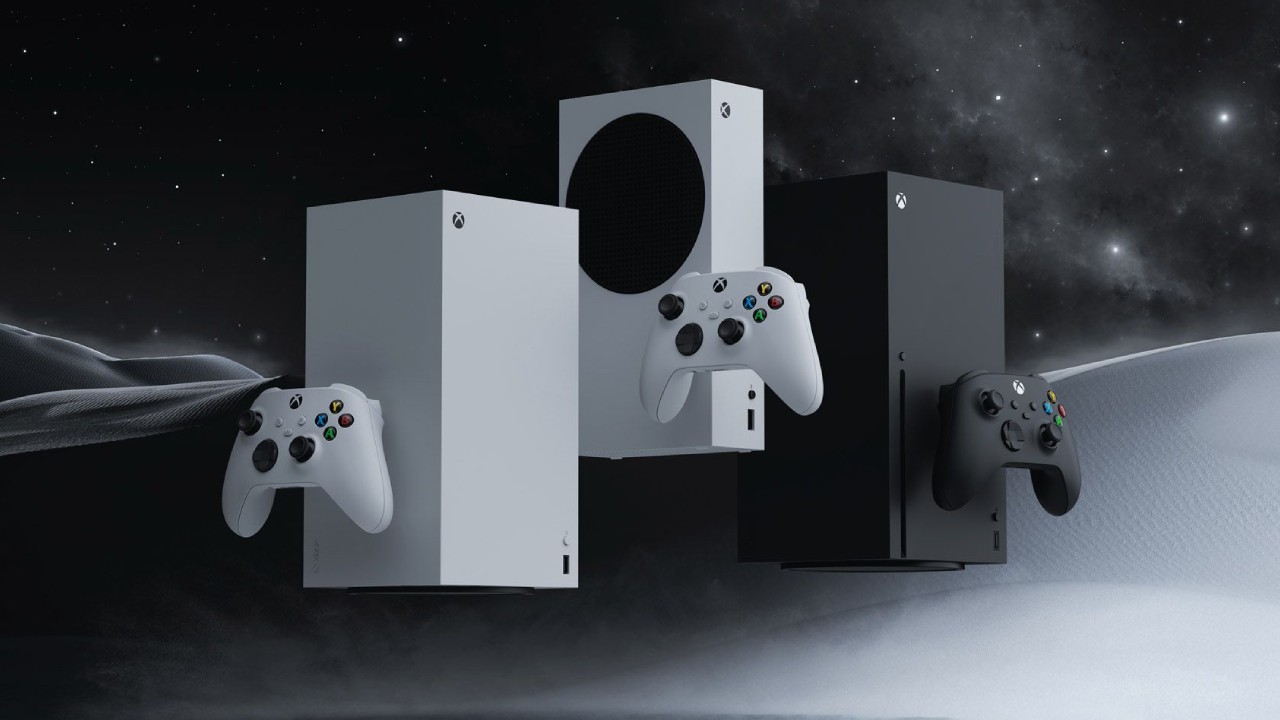
Comparing Project Helix to 3DO
The classic approach was to sell hardware at a loss, and make money through software licensing. In the case of 3DO, software sales did not provide companies with much benefit from manufacturing hardware. Consequently, there was no reason for them to sell systems at a loss, which would have led to higher prices.
The platform also suffered due to limited software and an ever-changing market. Sony quickly entered the market and followed a similar approach, but more successfully than 3DO did, leaving it with no room to expand. Today, it's quite different. Hardware prices are higher, but Xbox is a brand that has been around for a while and offers a lot of games and publisher support.
Many software support firms work for Microsoft, too, so software support wouldn't be a problem if Project Helix used the same approach. The question would instead be about hardware prices. When it comes to overall costs, we still don't know what this means for OEMs that build the hardware. Also, it seems like companies today don't cover hardware losses the same way they did in the past, but we'd need to crunch some numbers.
Concurrently, it's hard to see Microsoft giving up on going first with hardware altogether. The company is expected to manufacture its own devices. There's likely to be a Microsoft-built reference device included with Project Helix. That's what makes it different than the 3DO model. In a few respects, the method would be similar to 3DO's, but 3DO never had a first-party reference device.
Effective Hardware Partnerships and OEM Strategies
There is also uncertainty with the OEM strategy. We have discussed that Microsoft appears to be suffering from component shortages, even though it has bought components across all parts of its business. The supply chain already includes TSMC chips and AMD processors. Microsoft then gives those chips to other companies, such as ASUS, MSI, or Dell, and they, too, have to make money from the hardware.
ROG Ally was a very good fit, as ASUS already had a design. All that Microsoft needed to do was make a few hardware changes and larger software changes to produce a product that would fit into its ecosystem. Project Helix might not operate the same way because manufacturers are unlikely to have an entire Helix system in place in advance.
One way to achieve this is for local hardware providers to focus on local adaptation. There were other models like this, where local companies were responsible for distribution and hardware in certain markets. It is conceivable that Project Helix hardware could be modified for various regions, with software changes adopted and features tailored to local needs.
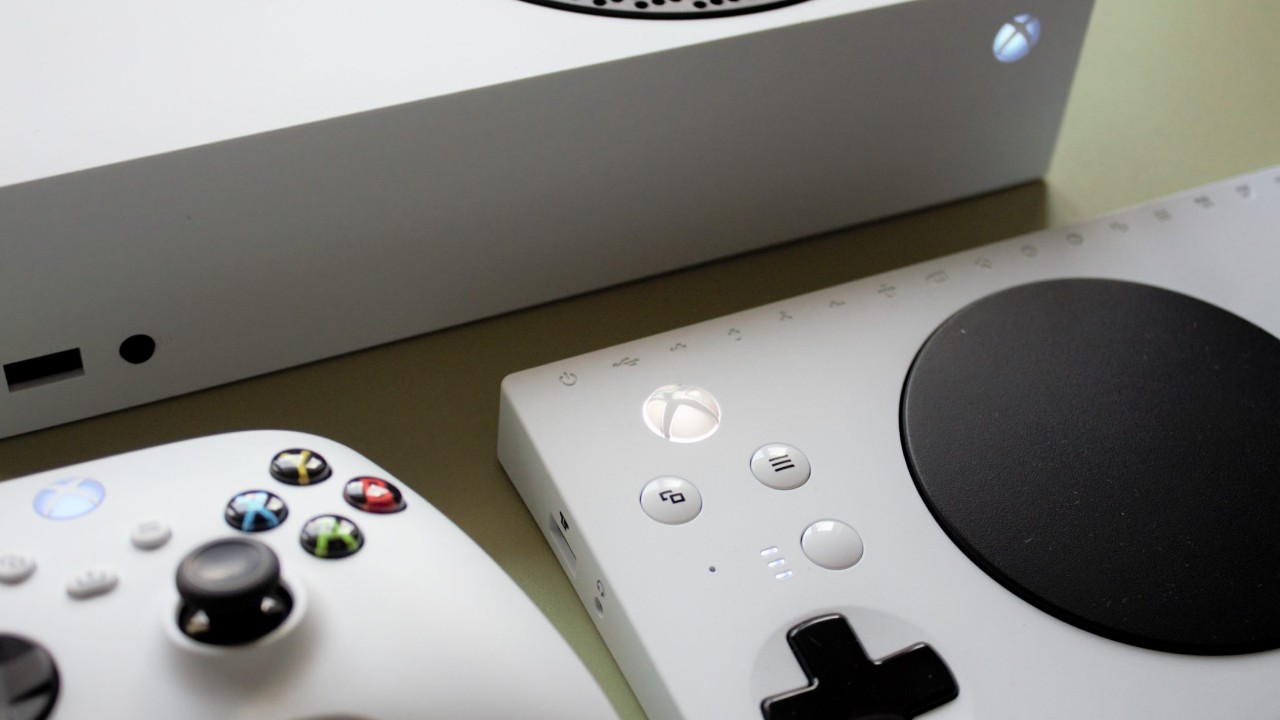
Otherwise, if it's just Helix's hardware and software, it's only realistic to expect the hardware to be made by many different companies. Otherwise, adding more companies to the process only increases complexity.
Manufacturers may have an edge over Microsoft when buying SSDs and memory modules.
But this is hard to believe. Microsoft has been in the laptop and console business for decades and has built relationships with TSMC and memory makers. That's why the strategy's rationale is a bit confusing. Since PC and console games are not strictly divided, there are many more possibilities with a PC/console hybrid.
It might be possible to take Project Helix and make it available on console and PC, with different design sets for different uses. Combined with the PC ecosystem's flexibility, various component combinations are possible. Systems with greater memory could be seen in production workloads or in devices specifically optimized for applications.
In that case, it can be easier to fathom an Xbox-adjacent or XBOX-branded ecosystem gained by companies such as MSI or Dell. On the value side, this can compete with traditional pre-built PCs. But when it comes to marketing to a broad consumer base, it's unclear how these manufacturers would market a device like that to the mainstream, particularly given the margins.
Editor, NoobFeed
Latest Articles
No Data.